
Living in a single‑room space often feels like trying to fit a living room, bedroom, kitchen, and work area into the same square footage without losing any sense of privacy or comfort. The challenge isn’t just about fitting furniture; it’s about giving each activity its own visual cue so the room feels organized rather than chaotic. In this article you’ll discover seven practical ways to carve out distinct zones that still flow together, from the subtle pull of an area rug to the strategic use of light and storage. By the end, you’ll have a clear plan for turning a compact layout into a series of purposeful, inviting spaces that serve daily life without sacrificing style.
1. Anchor Each Zone with an Area Rug
© 2026 AI Illustrator — Inspiration Only
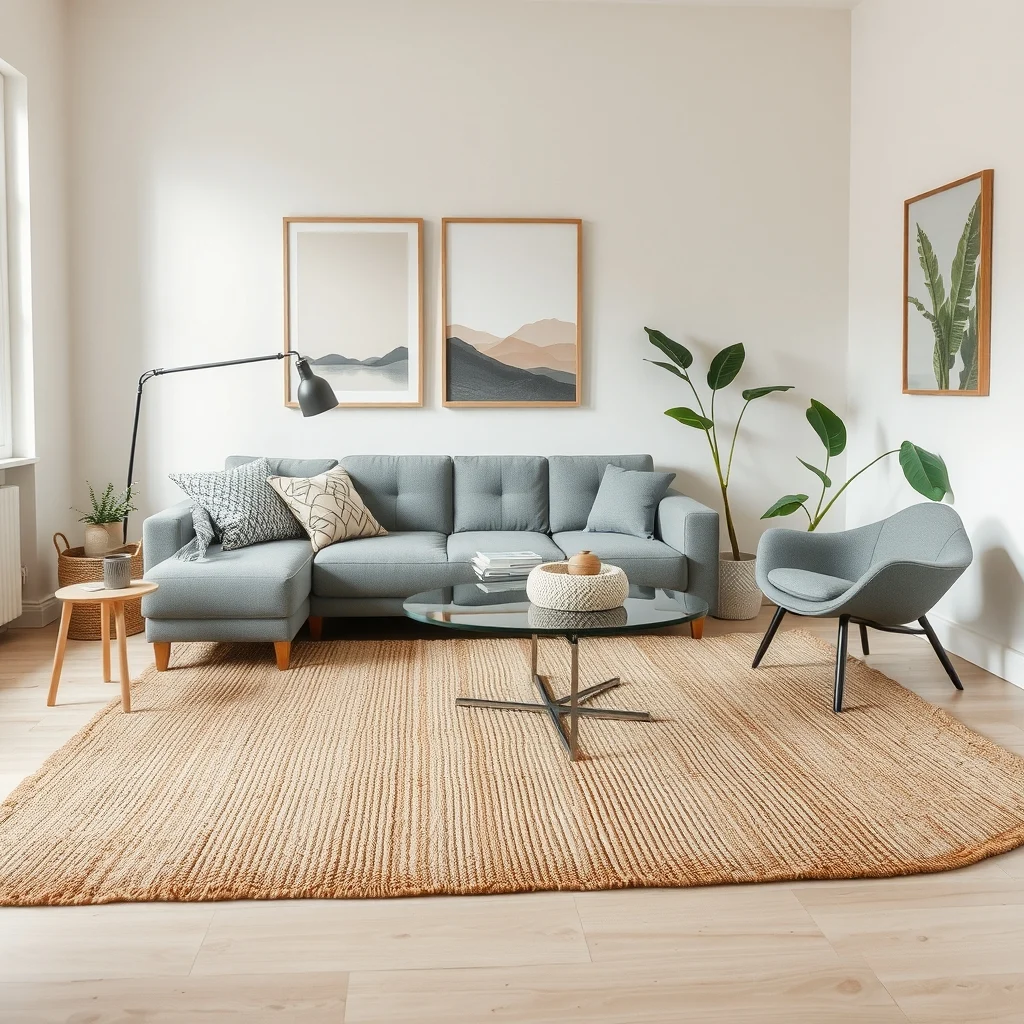
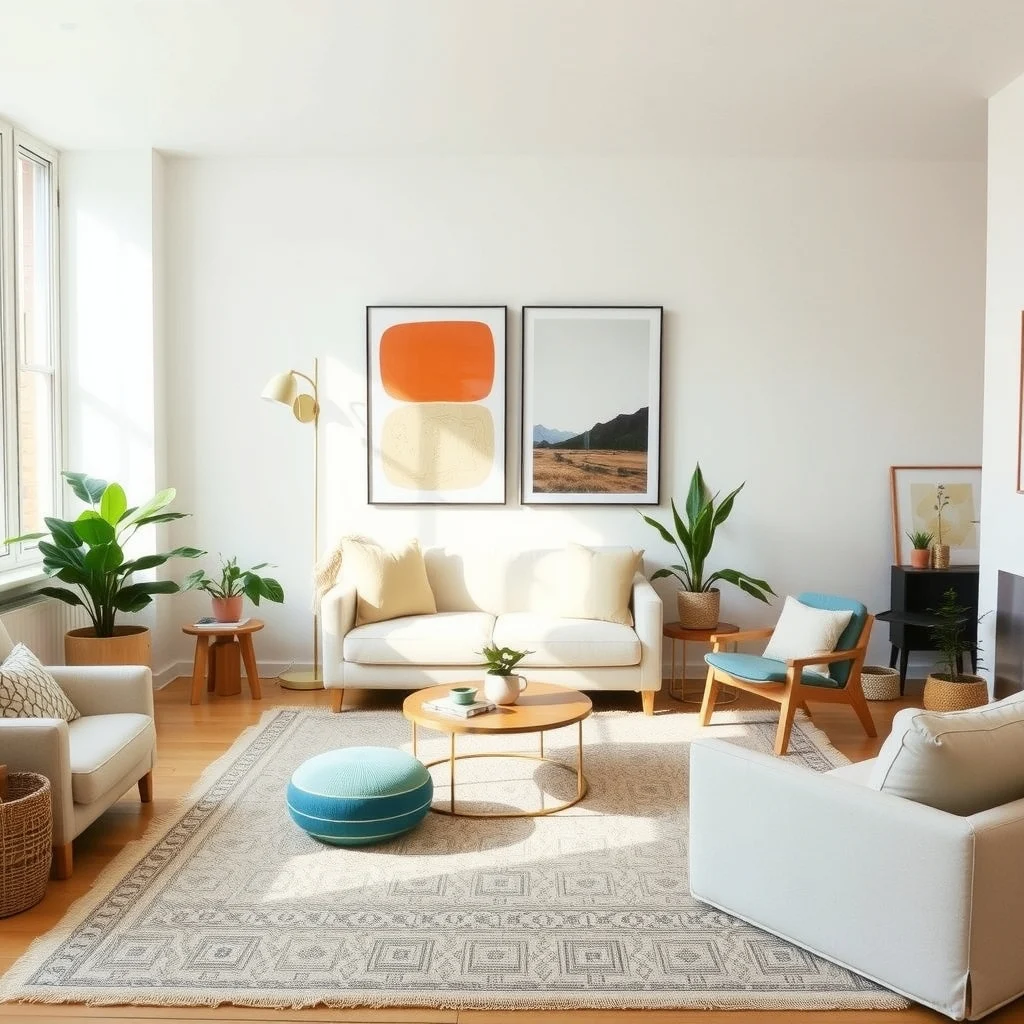
An area rug does more than add texture; it visually separates one function from another. When you place a rug under the couch and coffee table, the floor beneath becomes a defined living area, while a second rug placed under a desk or a small dining set signals a work or eating space. The contrast between the rug’s material—perhaps a low‑pile jute for a natural feel or a soft wool in a muted greige—against the surrounding hardwood or laminate creates a subtle boundary that the eye reads instantly. Choosing rugs with slightly different patterns or tones prevents the room from feeling monotonous, yet keeping the palette harmonious ensures the zones still belong to the same overall design. If floor space is limited, a runner can serve the same purpose for a narrow kitchen nook, guiding foot traffic and reinforcing function. The key is to let the rug do the heavy lifting in defining space, so you avoid relying on walls that simply don’t exist.
What’s Your Apartment Decor Style?
Answer these quick questions to discover your perfect decor vibe.
2. Arrange Furniture to Guide Movement
© 2026 AI Illustrator — Inspiration Only
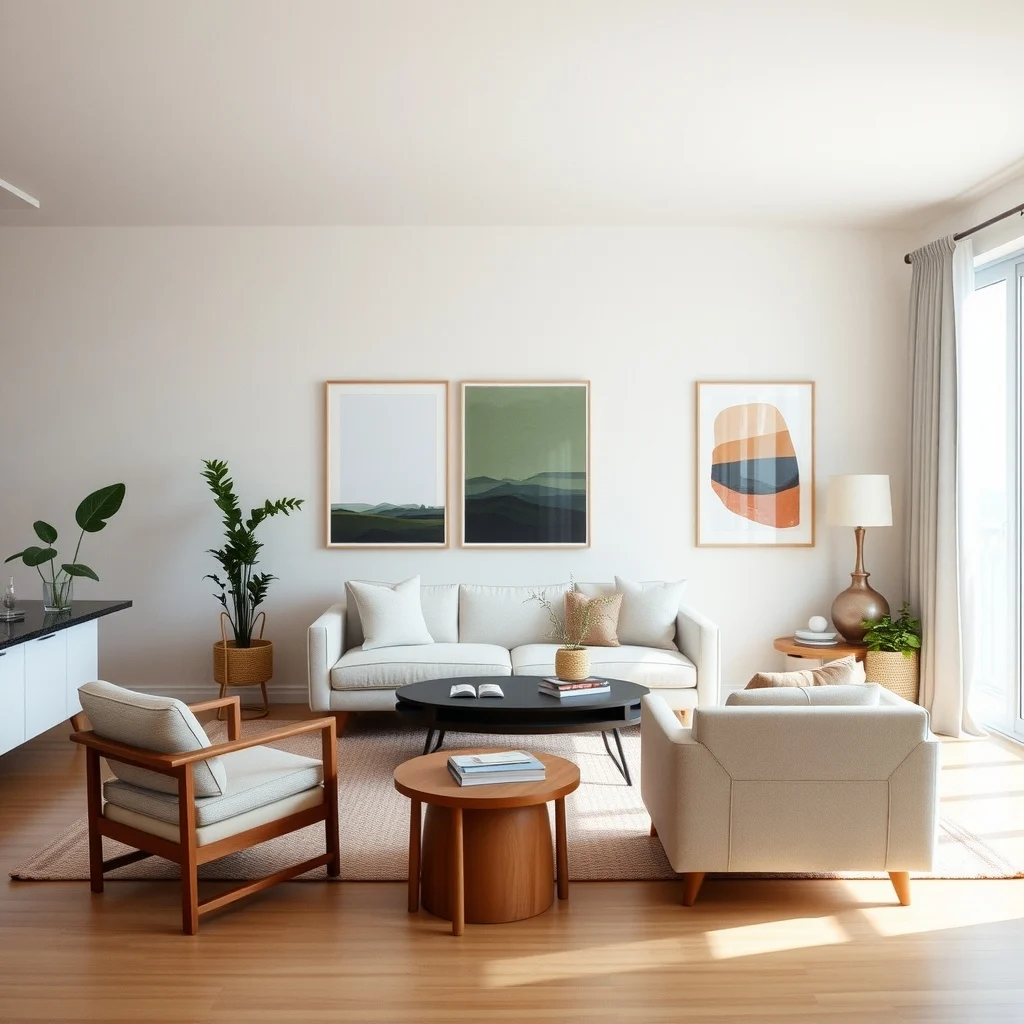
The placement of sofas, chairs, and tables can act like an invisible wall, directing the flow of movement and suggesting where one activity ends and another begins. Positioning a low‑back sofa against one side of the room naturally creates a backdrop for a TV or a bookshelf, while a compact armchair placed at a right angle can hint at a reading corner. By orienting the back of a sofa toward the kitchen area, you subtly discourage traffic from crossing through the living space and instead encourage a clear path along the perimeter. When a small desk is tucked behind a bookshelf, it feels like a dedicated workspace without needing a separate room. This arrangement also allows you to keep the center of the apartment open for circulation, which is vital in a studio layout. Remember to leave at least three feet of clearance between pieces so the zone feels spacious rather than cramped.
We're Now Open!
Thoughtful digital guides and planners to help you decorate, organize, and create a home you love.
Use code: WELCOME15
EXPLORE LIVANA STUDIO →Beautiful spaces. Smarter living.
3. Layer Lighting to Highlight Function
© 2026 AI Illustrator — Inspiration Only
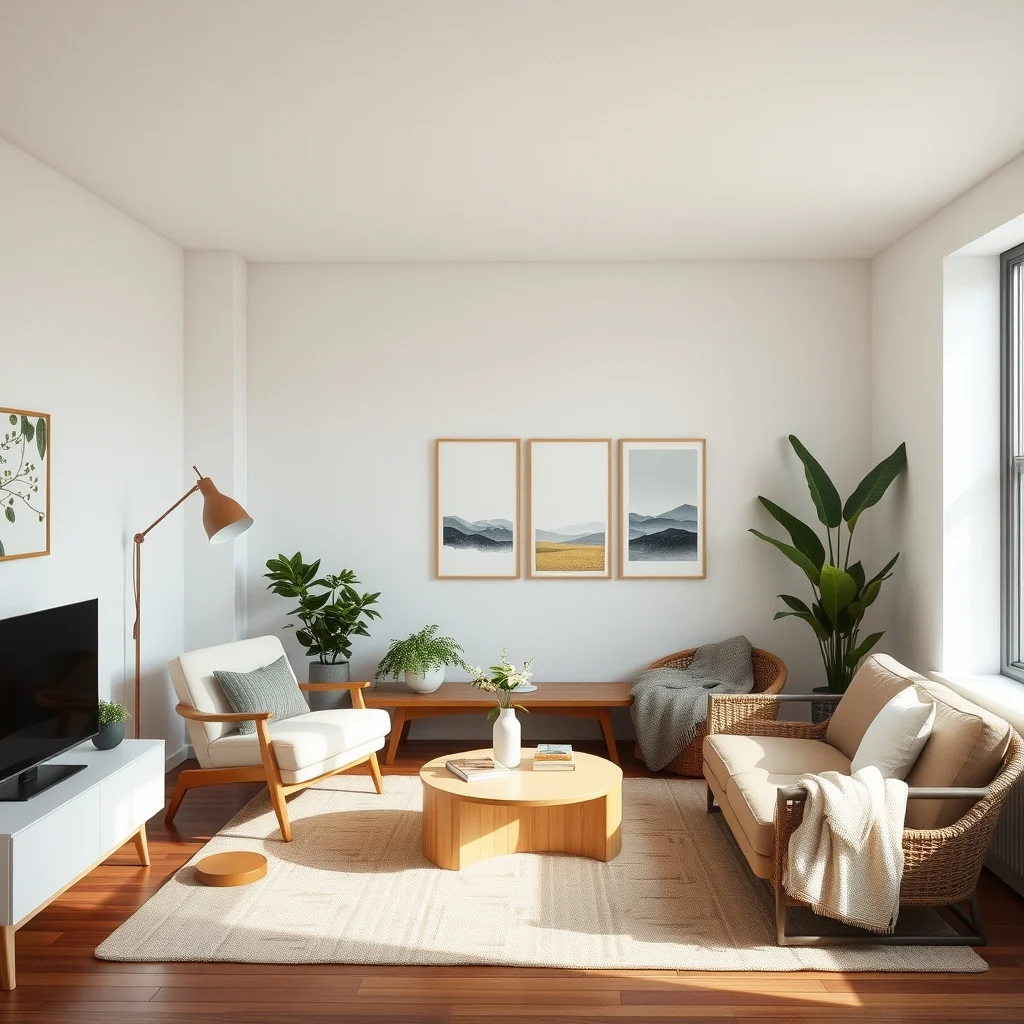
Lighting is one of the most flexible tools for zoning because it can be adjusted without moving any heavy furniture. Overhead fixtures provide general illumination, but adding a floor lamp beside a reading chair or a pendant light above a compact dining table instantly tells the brain, “this is a place for focused activity.” Warm LED bulbs in a table lamp create a cozy ambience for a lounge area, while a brighter, cooler temperature in a desk lamp supports concentration during work hours. If you have a window that receives plenty of natural light, consider sheer curtains that soften the glare without blocking the view, allowing the daylight to become part of the living zone’s identity. Dimmers give you the ability to shift the mood throughout the day, reinforcing each zone’s purpose without the need for permanent structural changes.
4. Introduce Flexible Partitions or Screens
© 2026 AI Illustrator — Inspiration Only
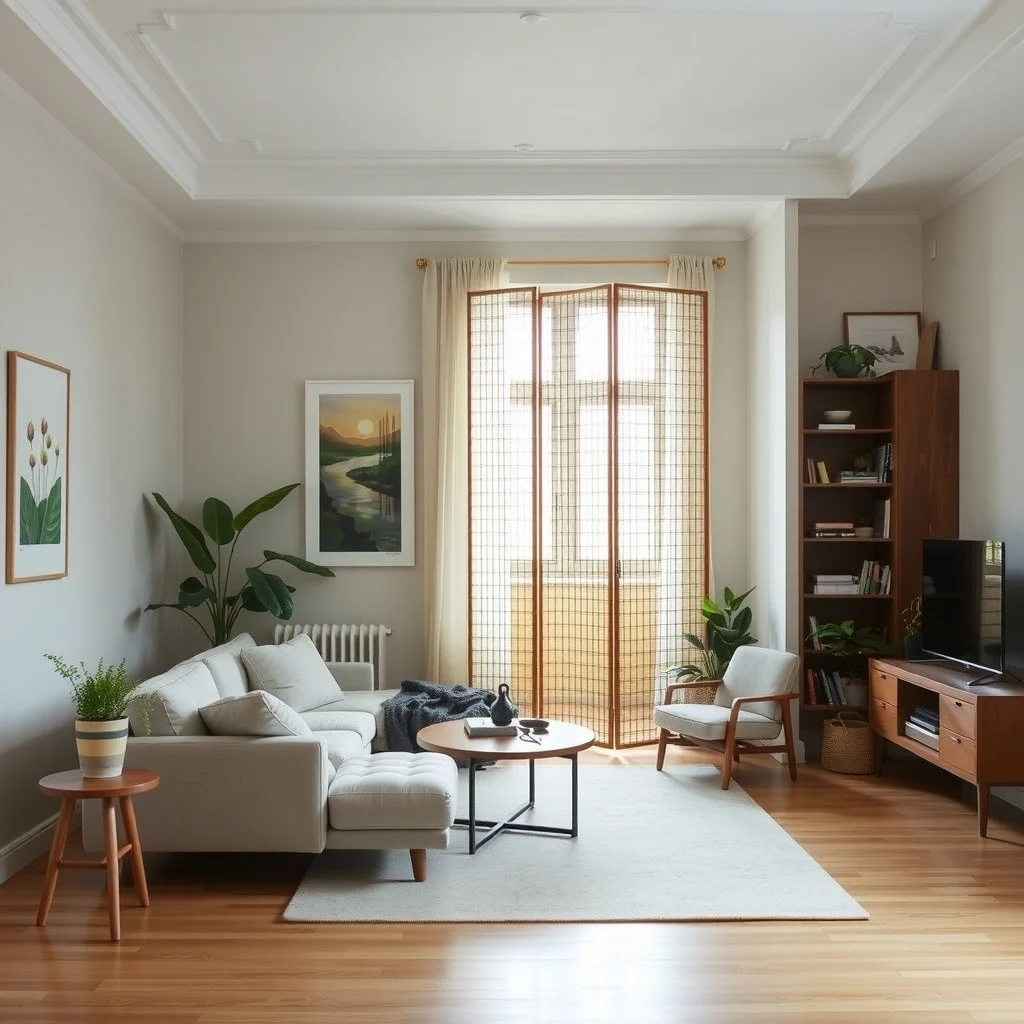
When a wall is not an option, a lightweight screen or a set of open shelving can serve as a visual divider while still maintaining airflow. A folding screen made of bamboo slats, for example, adds a touch of texture and can be folded away when you need an open floor plan for entertaining. Open shelving units double as storage and as a barrier; placing a row of books, ceramic vases, and a few potted succulents on a low shelf creates a soft line that separates the sleeping area from the living area without feeling closed off. The advantage of these pieces is that they can be repositioned as your needs evolve, such as turning a work corner into a craft station later in the year. Keep the height of the partition lower than a full wall to preserve a sense of openness and avoid making the room feel compartmentalized.
5. Apply Distinct Yet Complementary Color Hues
© 2026 AI Illustrator — Inspiration Only
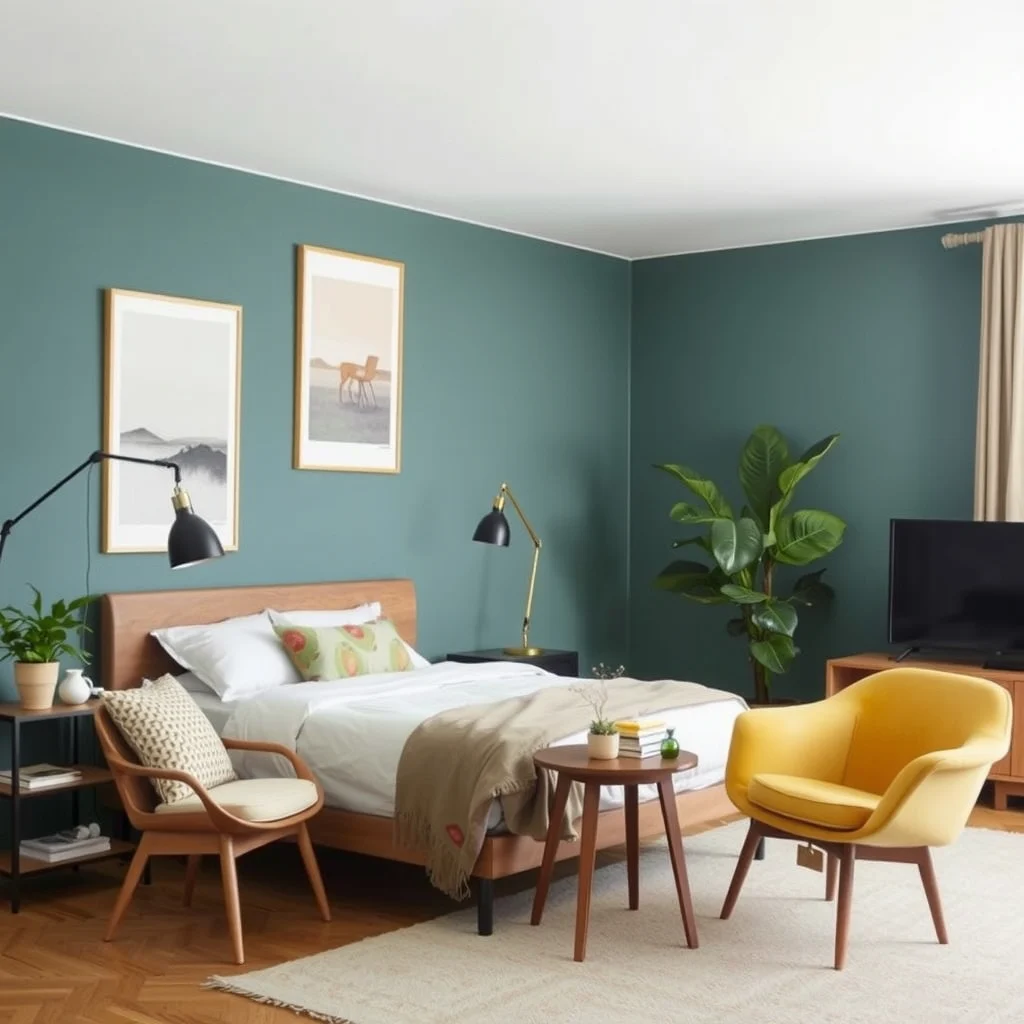
Color can signal a shift in purpose without the need for physical barriers. Painting the wall behind the bed a muted teal, while keeping the rest of the room in a soft greige, creates a subtle backdrop that tells the mind this is the sleeping zone. In a studio where painting entire walls isn’t feasible, consider using large canvas art or a fabric wall hanging in a different hue to achieve the same effect. The important part is to choose colors that complement each other, ensuring the overall aesthetic feels cohesive. For a kitchen nook, a splash of warm terracotta on the backsplash can differentiate it from the cooler blues of a work desk. If you’re concerned about the visual weight of multiple colors, limit the stronger shade to accessories—pillows, throws, or a single accent chair—so the room remains balanced.
6. Maximize Storage to Keep Zones Tidy
© 2026 AI Illustrator — Inspiration Only
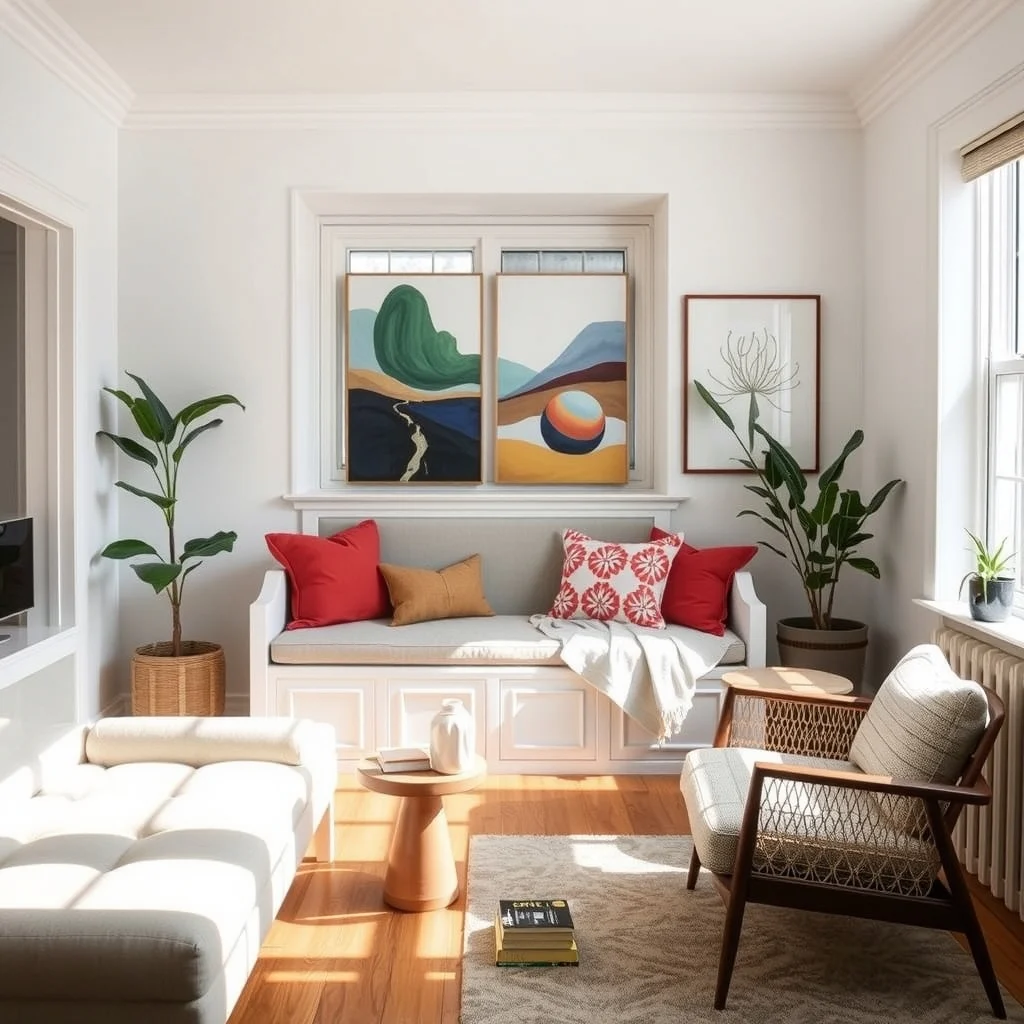
Clutter is the enemy of clear zoning; each area needs a place for its belongings to stay out of sight. A built‑in bench with hidden compartments beneath a window seat can store blankets and pillows, keeping the lounge area neat while providing extra seating. In the sleeping zone, a low‑profile wardrobe or a set of rolling drawers can house clothing without encroaching on the living space. For a work corner, a slim vertical organizer that fits behind a desk can hold stationery, chargers, and documents, preventing them from spilling onto the floor. When storage pieces double as decorative elements—think a woven basket for laundry or a reclaimed wood chest for extra linens—they contribute to the room’s aesthetic while serving a practical purpose. The goal is to ensure each zone has a “home” for its items, reducing visual noise and reinforcing the function of each space.
7. Add Personal Touches That Signal Purpose
© 2026 AI Illustrator — Inspiration Only
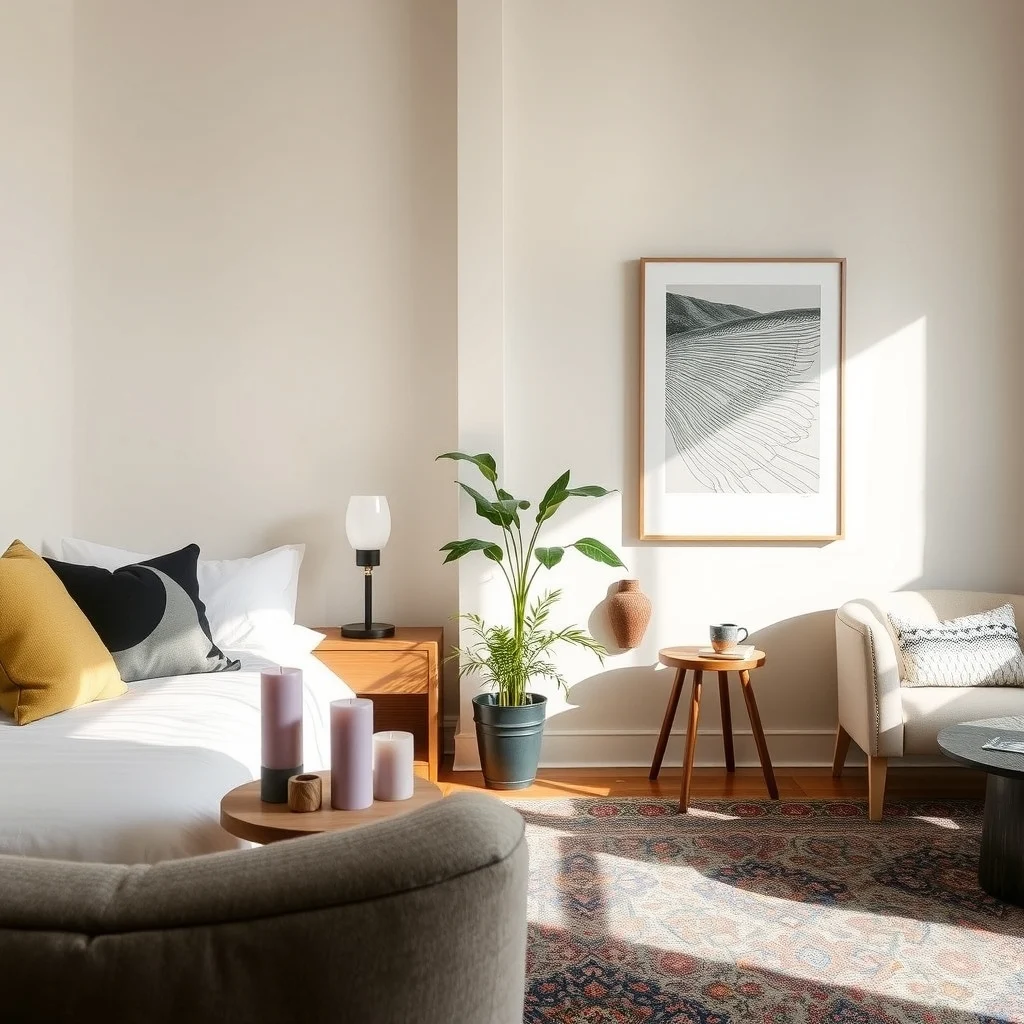
Small details can reinforce the identity of each zone without overwhelming the design. A set of scented candles with a calming lavender scent placed on a bedside table signals relaxation, while a vibrant, patterned rug under a coffee table encourages gathering. In a work area, a corkboard displaying project notes and inspirational images creates a sense of focus, whereas a small indoor herb garden near the kitchen corner adds a fresh, culinary vibe. Even the choice of textiles matters; a plush throw in a neutral tone draped over a sofa invites lounging, while a sleek, matte black desk chair suggests productivity. By curating accessories that align with the activity of each zone, you give occupants subconscious cues about how the space should be used, making the transition between zones feel natural.
FAQ
© 2026 AI Illustrator — Inspiration Only
How can I make a one‑room apartment feel larger while zoning?
Use visual tricks such as light-colored rugs, streamlined furniture, and mirrors placed opposite windows to reflect light. Keeping each zone’s color palette cohesive yet distinct prevents the eye from feeling trapped, while maintaining open pathways ensures the space breathes.
Is it okay to have a sleeping area in the same room as a kitchen?
Yes, as long as you create clear visual and functional separation. A rug, a screen, or a distinct color wall behind the bed can delineate the sleeping zone, and proper ventilation and lighting will keep the kitchen area comfortable for cooking.
What type of lighting works best for a small work corner?
A focused desk lamp with an adjustable arm provides direct light for tasks, while a nearby floor lamp with a softer glow prevents harsh shadows. Pairing these with natural daylight from a window reduces eye strain and enhances productivity.
Can I use plants to define zones?
Plants add texture and a sense of enclosure without blocking sight lines. A tall fiddle leaf fig placed near a partition can act as a living divider, while a row of small succulents on a shelf adds a subtle cue that a particular area is meant for relaxation or dining.
What budget‑friendly options exist for creating zones?
Second‑hand area rugs, inexpensive folding screens, and DIY painted accent walls are cost‑effective ways to define spaces. Repurposing existing furniture—such as using a bookshelf as a room divider—also saves money while adding storage.
Final Thoughts
© 2026 AI Illustrator — Inspiration Only
Separating a one‑room apartment into functional zones is less about adding walls and more about guiding the eye and the body through intentional design choices. By anchoring each area with rugs, arranging furniture to shape traffic, layering light, employing flexible partitions, playing with complementary colors, maximizing storage, and sprinkling purposeful accessories, you can enjoy distinct living, sleeping, working, and cooking spaces without sacrificing the openness that makes studio living appealing. The result is a harmonious home where every corner has a clear purpose and a welcoming feel.