
Living in a compact apartment often feels like a puzzle: every piece of furniture must earn its place, and lighting is no exception. A floor lamp can add warmth, define zones, and replace a missing table, but the wrong size or shape can quickly dominate a small room. This guide walks you through seven considerations that help you pick a floor lamp that fits, functions, and feels right in a tight space, while still offering the flexibility to adapt as your layout changes.
1. Measure the Available Footprint Before You Shop
© 2026 AI Illustrator — Inspiration Only
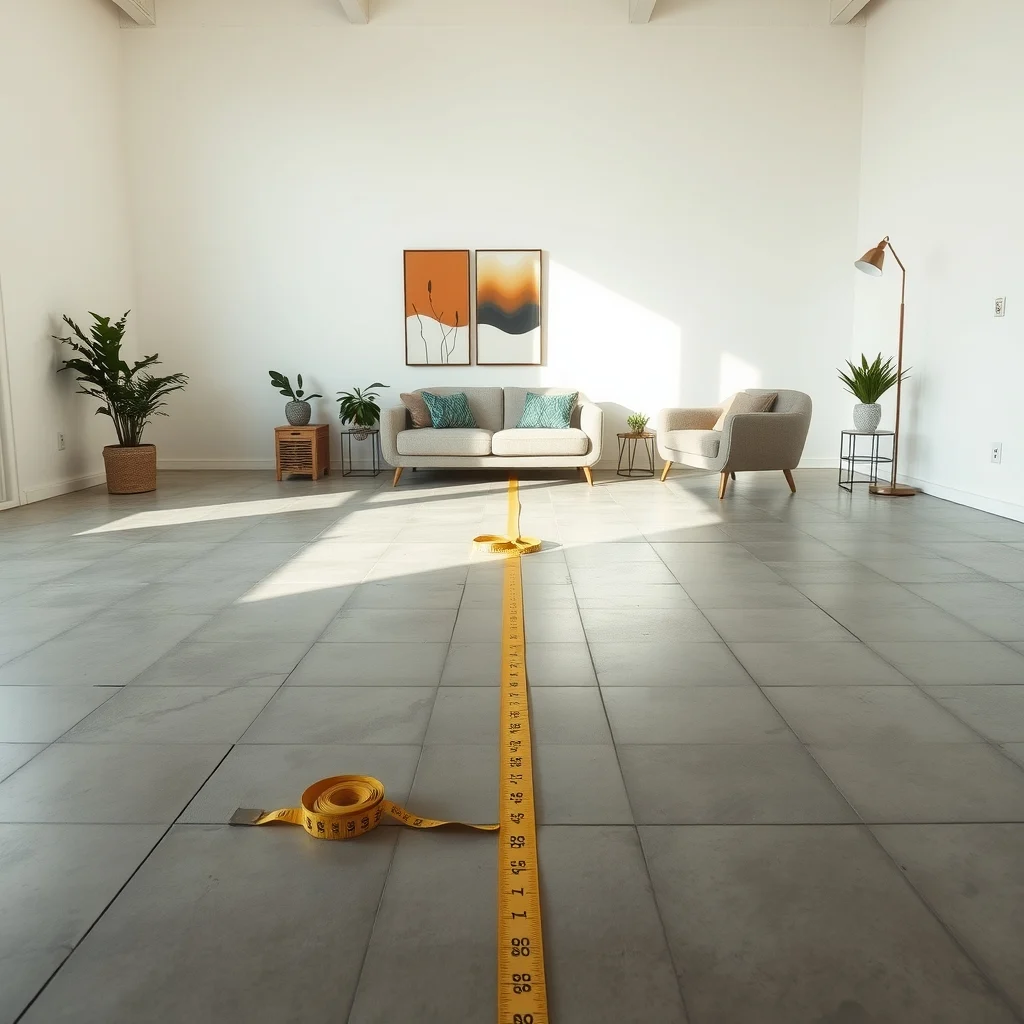
The first step is to understand how much floor area you can actually allocate. In a studio or a one‑bedroom, the space between the sofa and the wall is often the only viable spot for a lamp. Take a tape measure and note the width of that gap, then add a few inches for clearance so the lamp doesn’t feel cramped against furniture. A slim base, perhaps 8–10 inches wide, will slip into narrow corridors without forcing you to rearrange your couch or side table. If you have a corner that is only 12 inches deep, a lamp with a tapered or angled foot can nestle into the space while still projecting light outward.
What’s Your Apartment Decor Style?
Answer these quick questions to discover your perfect decor vibe.
Choosing a lamp that respects the measured footprint prevents the common mistake of buying a bulky pedestal that becomes an obstacle rather than an asset. When the base fits comfortably, you can focus on the lamp’s height and shade without worrying about tripping hazards or blocked pathways.
2. Opt for Height Over Bulk to Preserve Floor Real Estate
© 2026 AI Illustrator — Inspiration Only
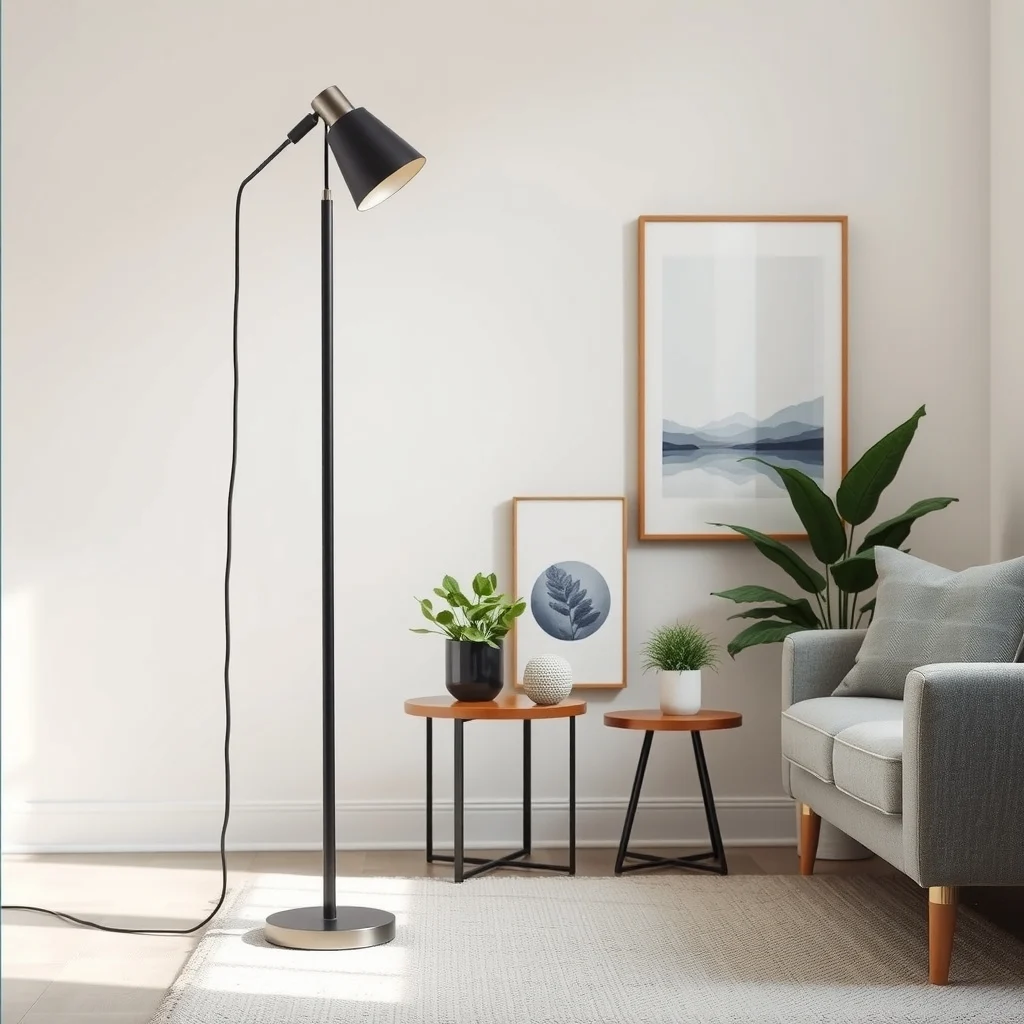
In rooms where square footage is at a premium, vertical space becomes a valuable ally. A tall, slender lamp that reaches 5 to 6 feet can illuminate a living area without occupying much of the floor. The elongated silhouette draws the eye upward, creating a sense of height that makes the room feel larger. Look for models with a narrow column made of brushed metal, matte black, or even a light wood veneer; these materials keep the visual weight low while providing sturdy support.
When the lamp’s height matches the ceiling or the scale of surrounding furniture, the light spreads evenly across the room, reducing the need for additional floor lamps. The trade‑off is that very tall lamps may be harder to move if you rearrange often, so consider a design with a detachable shade or a modular pole that can be shortened if necessary.
3. Choose Adjustable Arms or Swivel Heads for Flexible Light Placement
© 2026 AI Illustrator — Inspiration Only
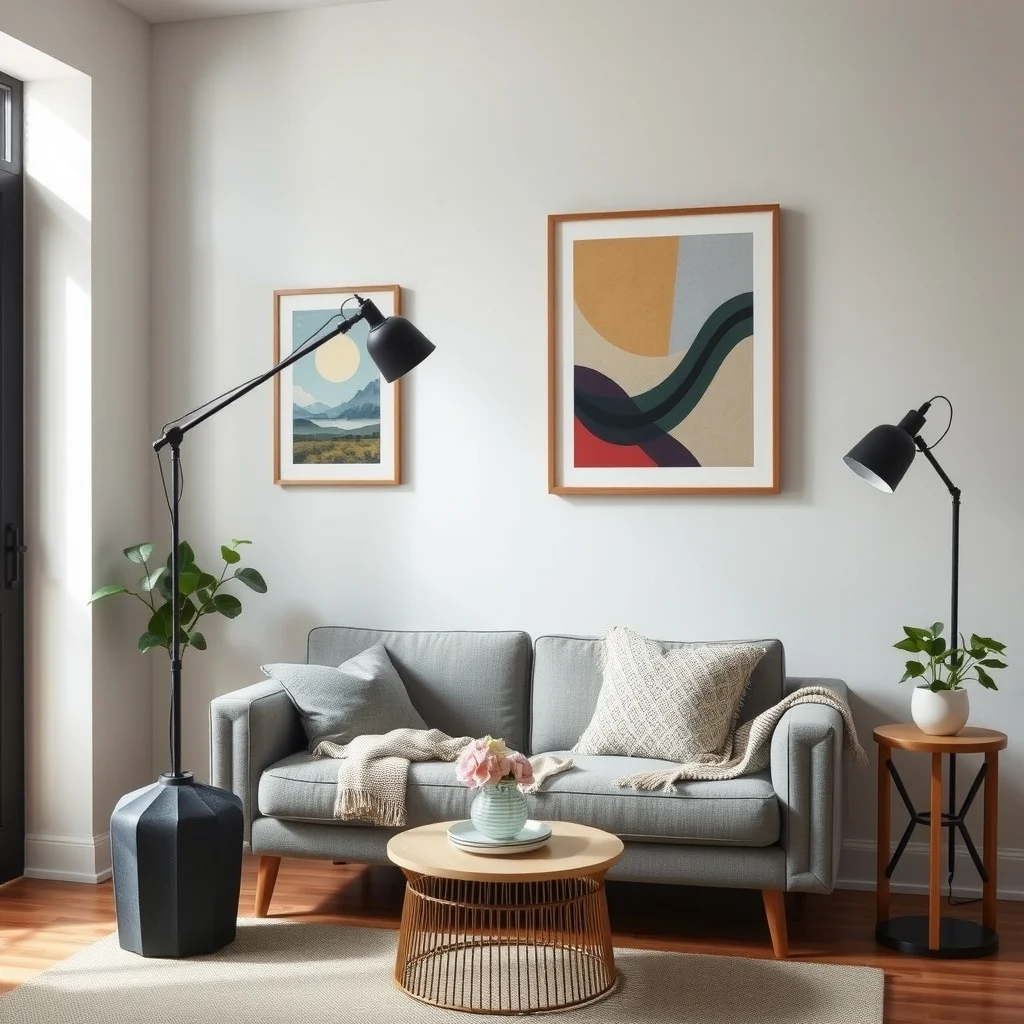
Adjustability is a practical feature that maximizes utility in a small apartment. A lamp with a hinged arm, a pivoting head, or a rotating base lets you direct light exactly where you need it—over a reading chair, beside a desk, or toward a dark corner. This flexibility means you can keep the lamp in a permanent spot and still adapt the beam as your activities change throughout the day.
Mechanisms that lock securely are essential; a loose joint can cause the shade to wobble, which not only looks untidy but can also create uneven illumination. While a fully articulated arm adds a bit of visual complexity, it often comes in a sleek metal finish that blends with modern décor. The downside is that articulated lamps can be slightly heavier, so be sure the floor can support the weight, especially on carpeted surfaces.
4. Consider Shade Shape and Material to Control Light Spread
© 2026 AI Illustrator — Inspiration Only
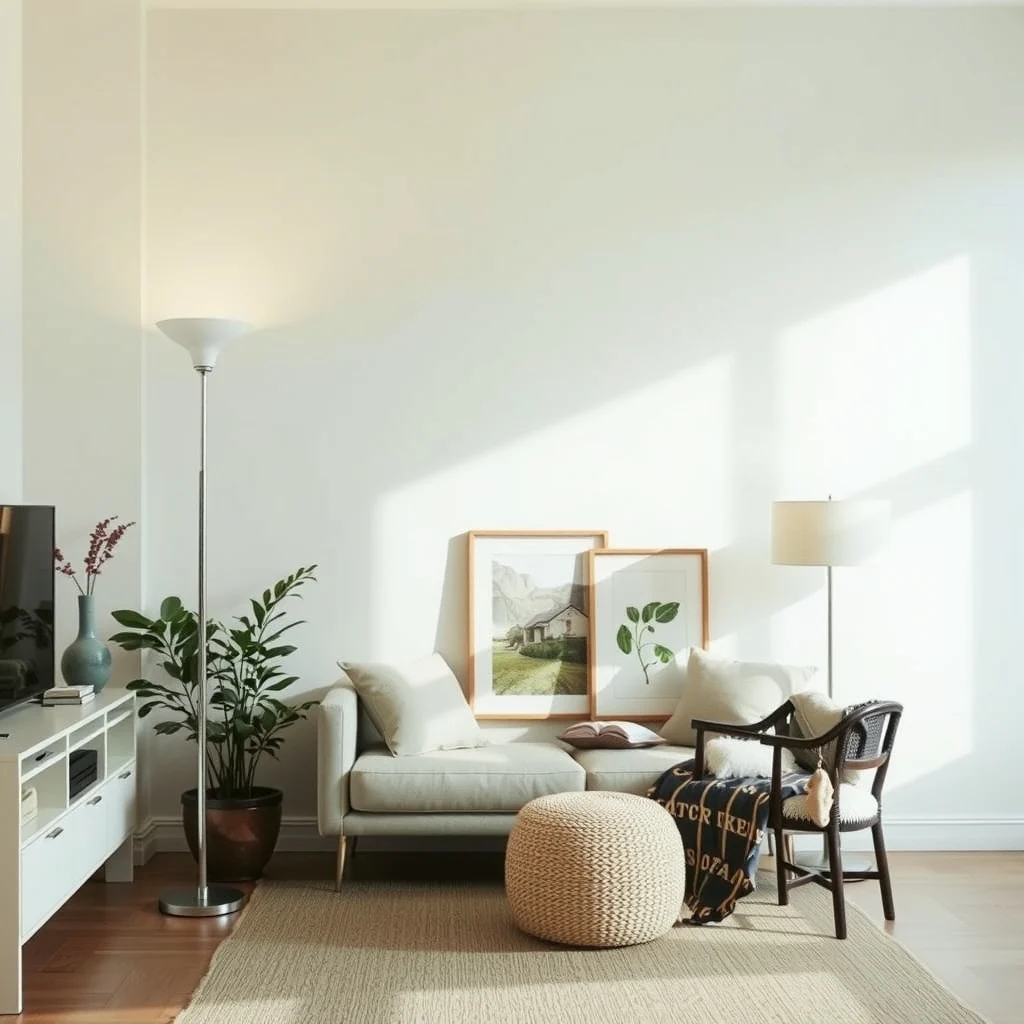
The shade determines how the lamp’s glow fills the room. In a limited‑space setting, a drum or semi‑opaque linen shade diffuses light gently, creating a soft pool that highlights a reading nook without washing out the entire area. A wider shade can cast a broader beam, useful for open‑plan layouts where the lamp serves multiple zones.
Materials such as natural cotton, woven bamboo, or frosted glass each have distinct qualities. Cotton and linen absorb a portion of the light, reducing glare and making the lamp suitable for evenings. Bamboo adds texture and works well with mid‑century modern or boho‑inspired interiors, but it may collect dust more quickly. If you need brighter, task‑oriented illumination, a clear glass shade paired with a higher‑wattage bulb will focus light directly onto a workspace. Keep in mind that larger or heavier shades can shift the lamp’s center of gravity, so a sturdy base is a must.
5. Match the Lamp’s Finish to Your Existing Palette
© 2026 AI Illustrator — Inspiration Only
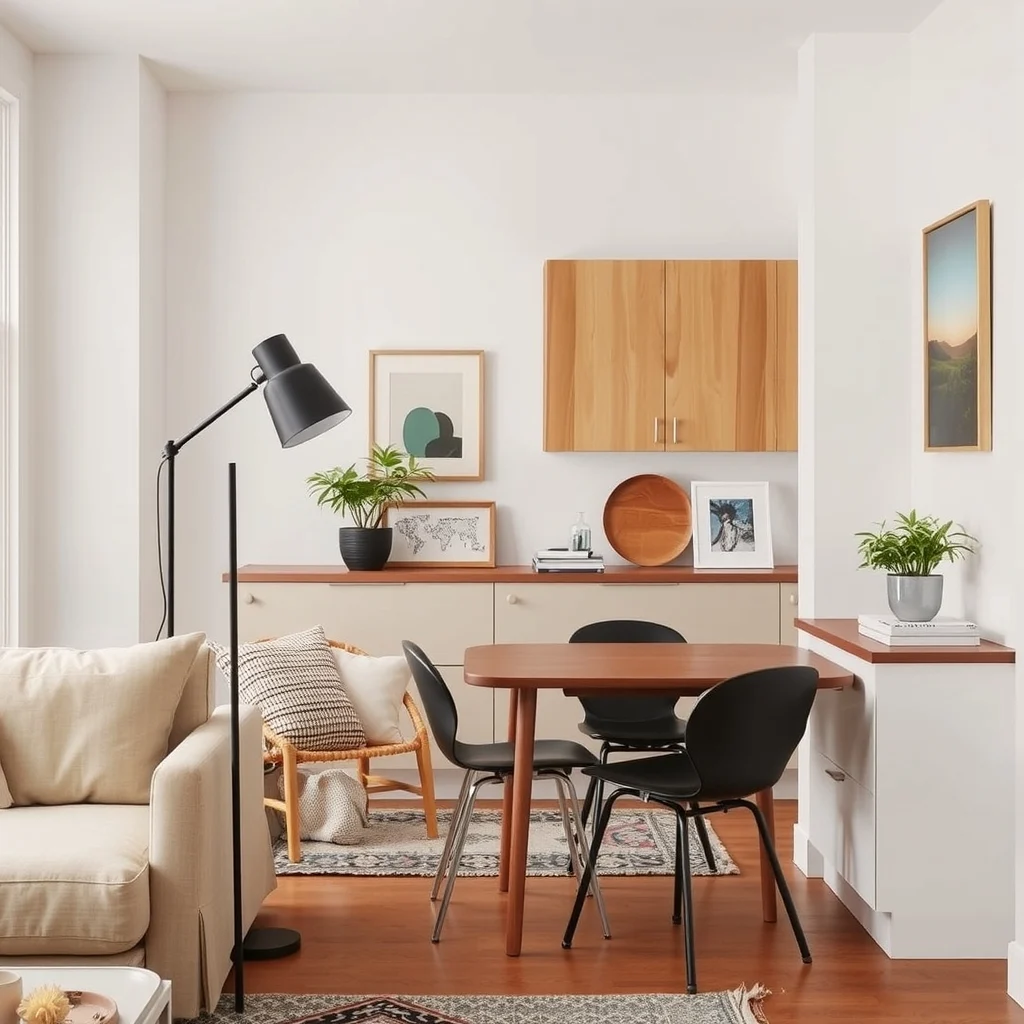
Even in a small apartment, coherence matters. A lamp’s finish—whether matte black, polished brass, brushed nickel, or warm walnut—should echo other hardware in the room. If your kitchen cabinets feature brushed nickel handles, a lamp with a matching metal column creates a subtle visual link that unifies the space. Conversely, a contrasting finish can become a focal point, adding interest without overwhelming the room.
When selecting a finish, think about maintenance as well. High‑gloss surfaces show fingerprints, while matte textures hide them better but may attract dust. A powder‑coated metal base is durable and resists scratches, making it a practical choice for apartments where you might move furniture frequently.
6. Prioritize Energy‑Efficient Bulbs for Comfort and Cost
© 2026 AI Illustrator — Inspiration Only
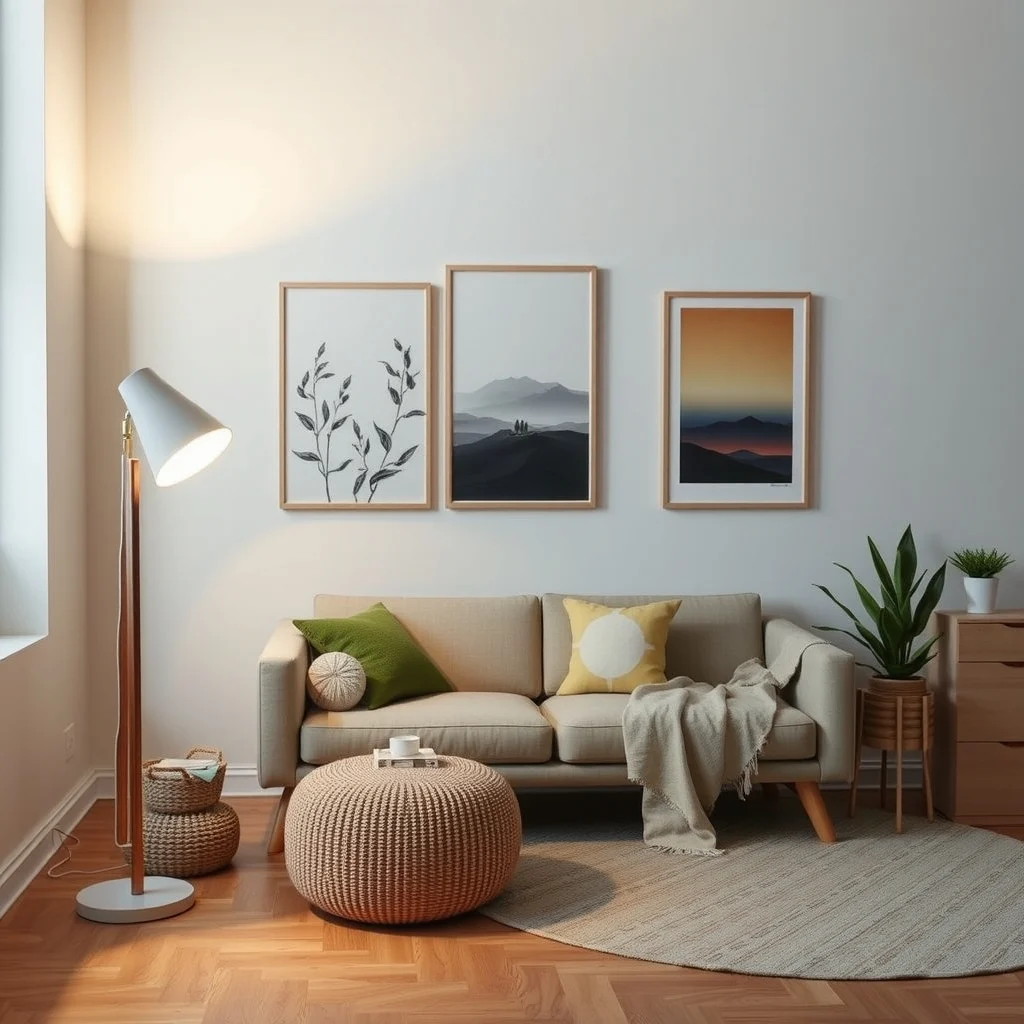
LED bulbs have become the standard for floor lamps because they deliver bright, consistent light while using a fraction of the energy of incandescent bulbs. An LED with a color temperature around 2,700–3,000 K offers a warm, inviting glow that works well for living rooms and bedrooms. If you need a cooler, more focused light for a home office corner, a 4,000 K bulb can improve concentration without being harsh.
Because LEDs generate less heat, they are safer for tight spaces where airflow may be limited. They also have a long lifespan, reducing the frequency of bulb changes—a convenience in apartments where storage for spare bulbs is limited. The initial cost is higher, but the savings on electricity and replacement bulbs quickly offset the price difference.
7. Test Stability on Your Flooring Type Before Committing

© 2026 AI Illustrator — Inspiration Only
Flooring influences how a lamp sits and how stable it feels. On hardwood or tile, a narrow metal base can wobble if the floor is uneven. Adding a rubber or silicone pad to the base provides grip and protects the surface from scratches. On thick carpet, a heavier base is advantageous because the carpet can absorb some of the lamp’s weight, preventing it from tipping.
If you anticipate moving the lamp often—perhaps to accommodate guests or to reconfigure a studio layout—look for a design with a detachable base or a lightweight construction that can be lifted safely. Some models include a built‑in handle for easy transport, which is a thoughtful detail for renters who may need to store the lamp temporarily during moves.
FAQ

© 2026 AI Illustrator — Inspiration Only
Can I use a floor lamp as my only source of light in a small apartment?
Yes, a well‑chosen floor lamp can serve as the primary light source if it provides enough lumens and is positioned to cover the main living area. Pair it with a higher‑wattage LED and a wide shade to disperse light evenly across the room.
What is the best height for a floor lamp in a studio?
A lamp that stands between 5 and 6 feet tall generally works well in studios, offering ample illumination without dominating the floor space. This height allows the light to reach eye level when seated and creates a balanced visual proportion.
Should I buy a floor lamp with a built‑in USB port?
A built‑in USB port adds convenience for charging phones or tablets, especially in a compact layout where outlets are scarce. Just ensure the lamp’s electrical rating matches the device’s charging requirements to avoid overload.
How often should I clean the shade of a floor lamp?
Cleaning the shade once a month is usually sufficient. Use a soft, dry cloth for fabric shades, and a damp microfiber cloth for glass or metal finishes. Regular dusting helps maintain light quality and extends the life of the bulb.
Is it safe to place a floor lamp near curtains?
Placing a lamp a few inches away from curtains is safe as long as the lamp does not touch the fabric. Keep the cord out of high‑traffic areas to prevent tripping, and use a cord cover if the lamp is positioned near a doorway.
Final Thoughts
© 2026 AI Illustrator — Inspiration Only
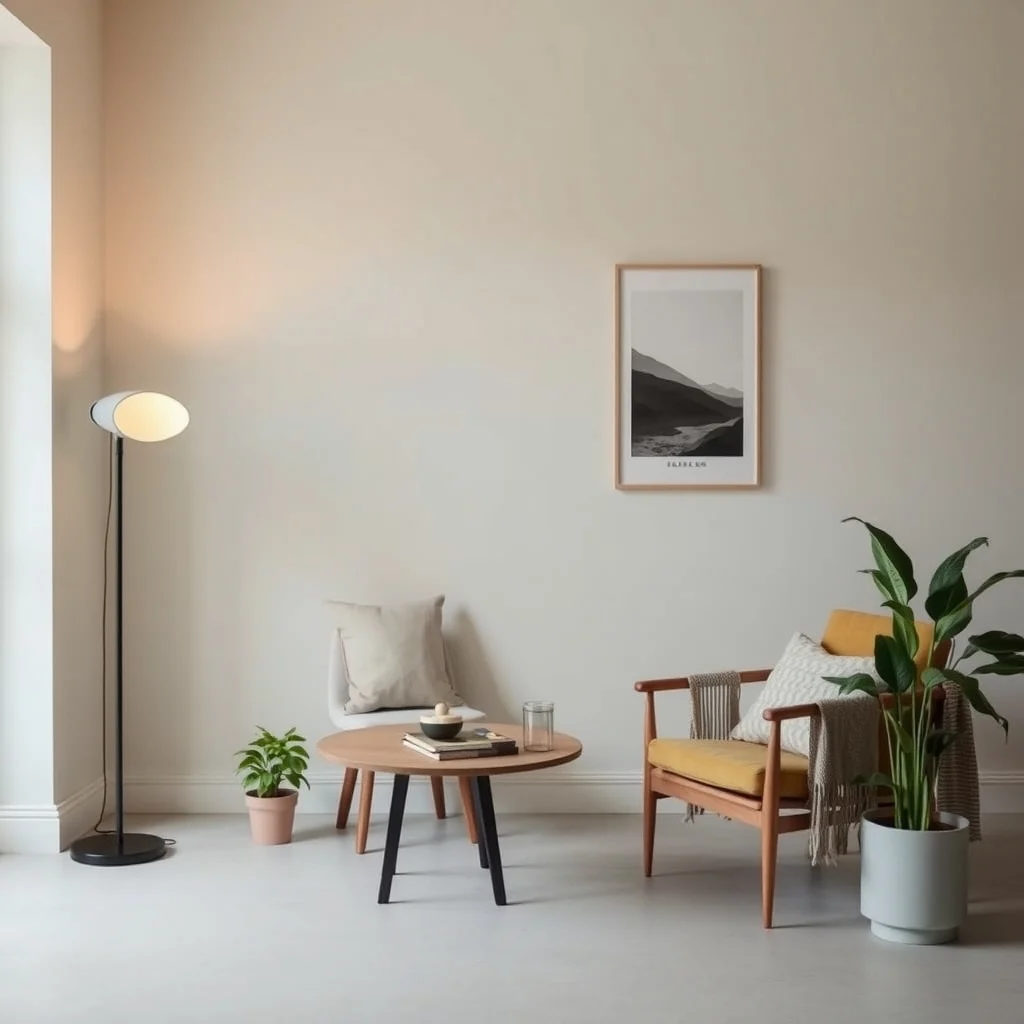
Choosing a floor lamp for an apartment with limited floor space is less about finding the flashiest design and more about balancing proportion, functionality, and style. By measuring the footprint, favoring vertical elegance, embracing adjustability, and aligning the lamp’s finish with your existing décor, you create a lighting solution that feels intentional rather than forced. Pair those choices with energy‑efficient bulbs and a stable base, and the lamp becomes a quiet workhorse that brightens your home without crowding it. With these considerations in mind, you can enjoy a well‑lit, comfortable living space that respects every square inch of your apartment.