
Living in a rental often means working within the limits set by a landlord, especially when it comes to window dressings. Standard blinds or cheap curtains can make a room feel generic, but a few thoughtful upgrades can raise the visual quality without breaking the lease. Below are seven ideas that transform ordinary window treatments into polished details, each explained with the reasoning behind it, practical steps for implementation, and a note on potential trade‑offs.
1. Choose a Fabric With Subtle Texture
© 2026 AI Illustrator — Inspiration Only
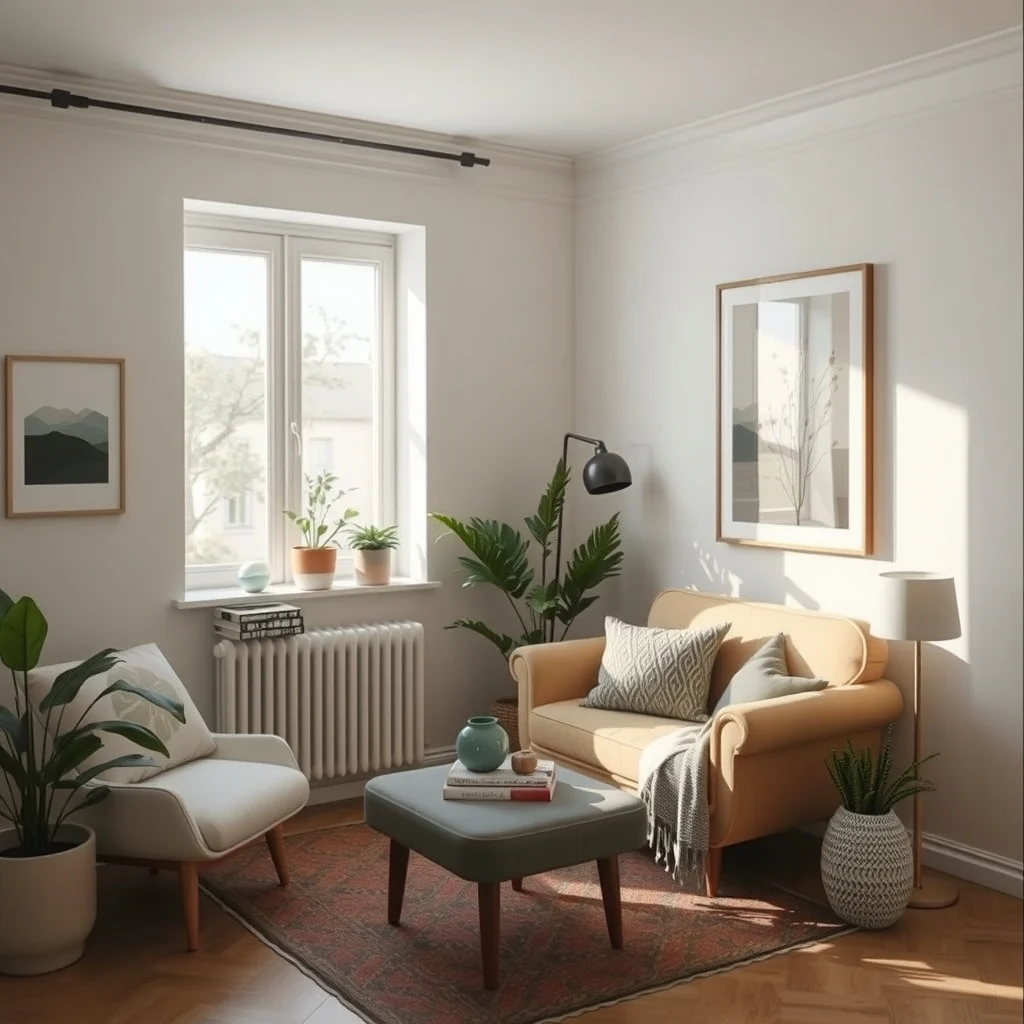
Even the simplest curtain can feel upscale when the material carries a gentle texture. Linen, brushed cotton, or a light voile adds a tactile dimension that plain polyester lacks. The texture catches light in a way that creates depth, making the fabric appear more substantial. When selecting a fabric, look for a weave that is visible up close but still soft enough to move with a breeze. Pairing a muted tone—such as soft greige or muted sage—with this texture helps the curtains blend with most wall colors while still standing out as a design element. Keep in mind that highly textured fabrics may require a bit more care; a gentle machine cycle or hand wash will preserve the surface longer.
What’s Your Apartment Decor Style?
Answer these quick questions to discover your perfect decor vibe.
2. Hang Floor‑Length Panels for a Tailored Silhouette
© 2026 AI Illustrator — Inspiration Only
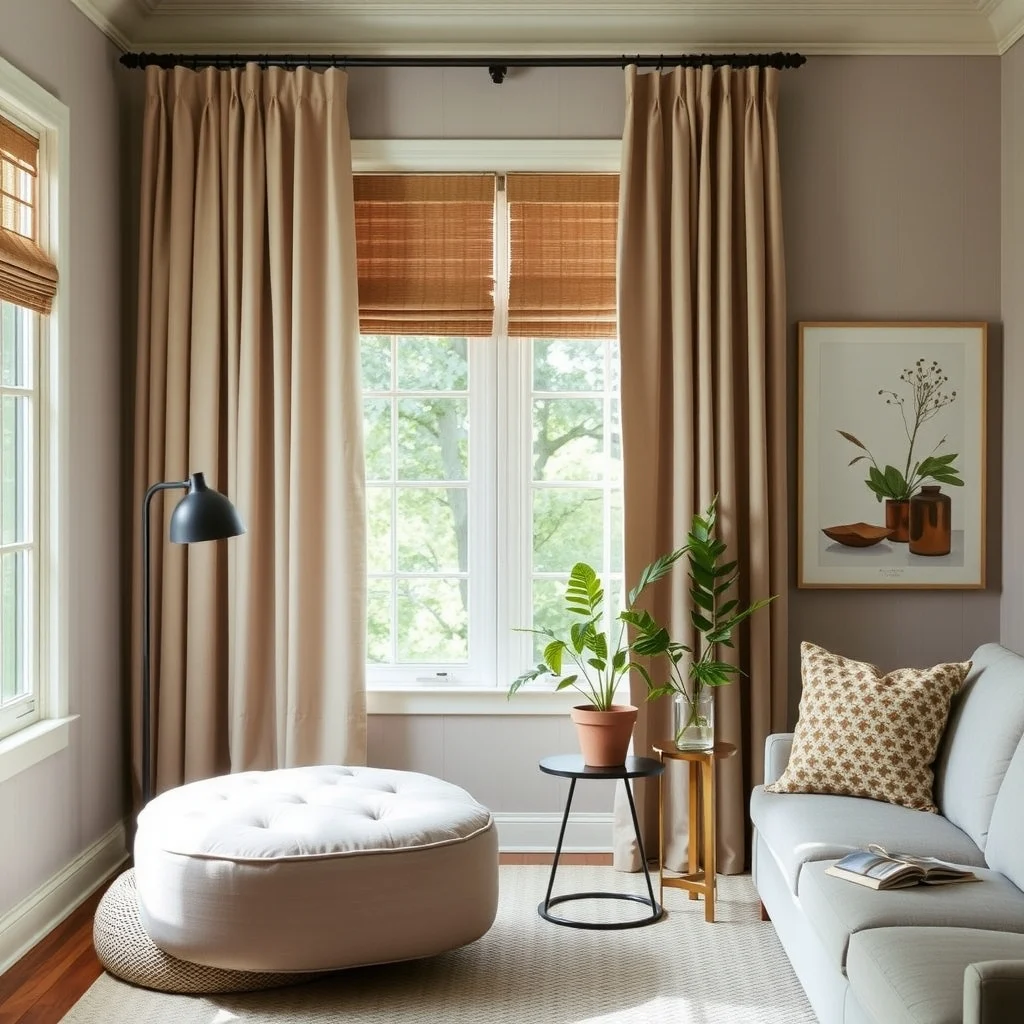
Height has a powerful effect on perception. Curtains that graze the floor elongate the window and suggest a custom‑made look. To achieve this, measure the window from the top of the frame to just a half‑inch above the floor, then add a few extra inches for a slight break that signals intentional design. Using an adjustable rod allows you to place the brackets higher on the wall, which adds a sense of grandeur without altering the window itself. Floor‑length panels also provide better coverage, reducing the visual clutter of exposed wall space. The trade‑off is that longer curtains require more fabric, which can increase cost, but the visual payoff often justifies the modest expense.
3. Add a Simple Valance or Pelmet for Structured Detail
© 2026 AI Illustrator — Inspiration Only
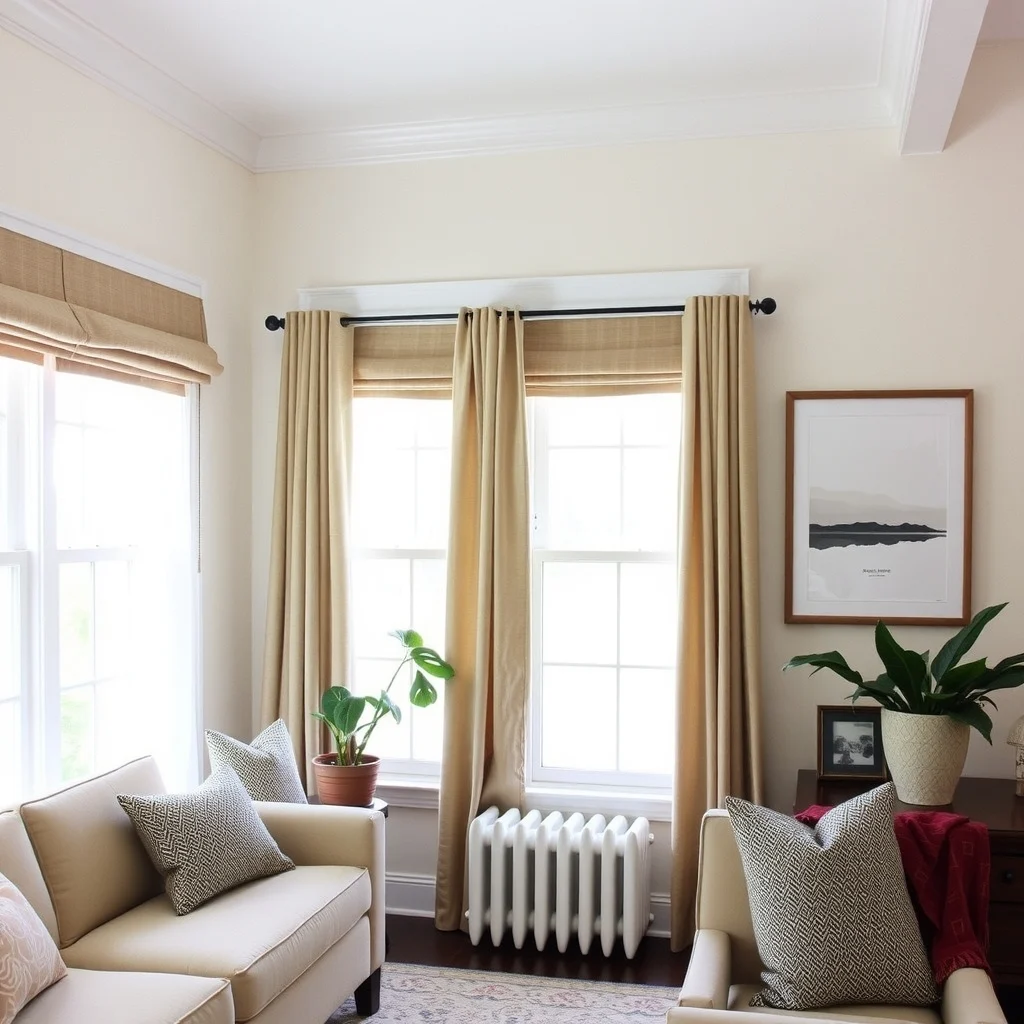
A narrow valance or a sleek pelmet can introduce a finished edge that mimics the look of custom drapery. A valance made from the same fabric as the curtains creates continuity, while a contrasting pelmet in a matte brass or painted wood finish adds a subtle architectural cue. Installing a valance is usually a matter of securing a thin rod above the window and sliding the fabric into place; a pelmet often involves attaching a lightweight frame with brackets. Both options draw the eye upward, balancing the room’s proportions. If the rental restricts permanent fixtures, a tension‑rod valance can be removed without damage, though it may not support heavier fabrics.
4. Layer Sheer and Light‑Filtering Panels for Depth
© 2026 AI Illustrator — Inspiration Only
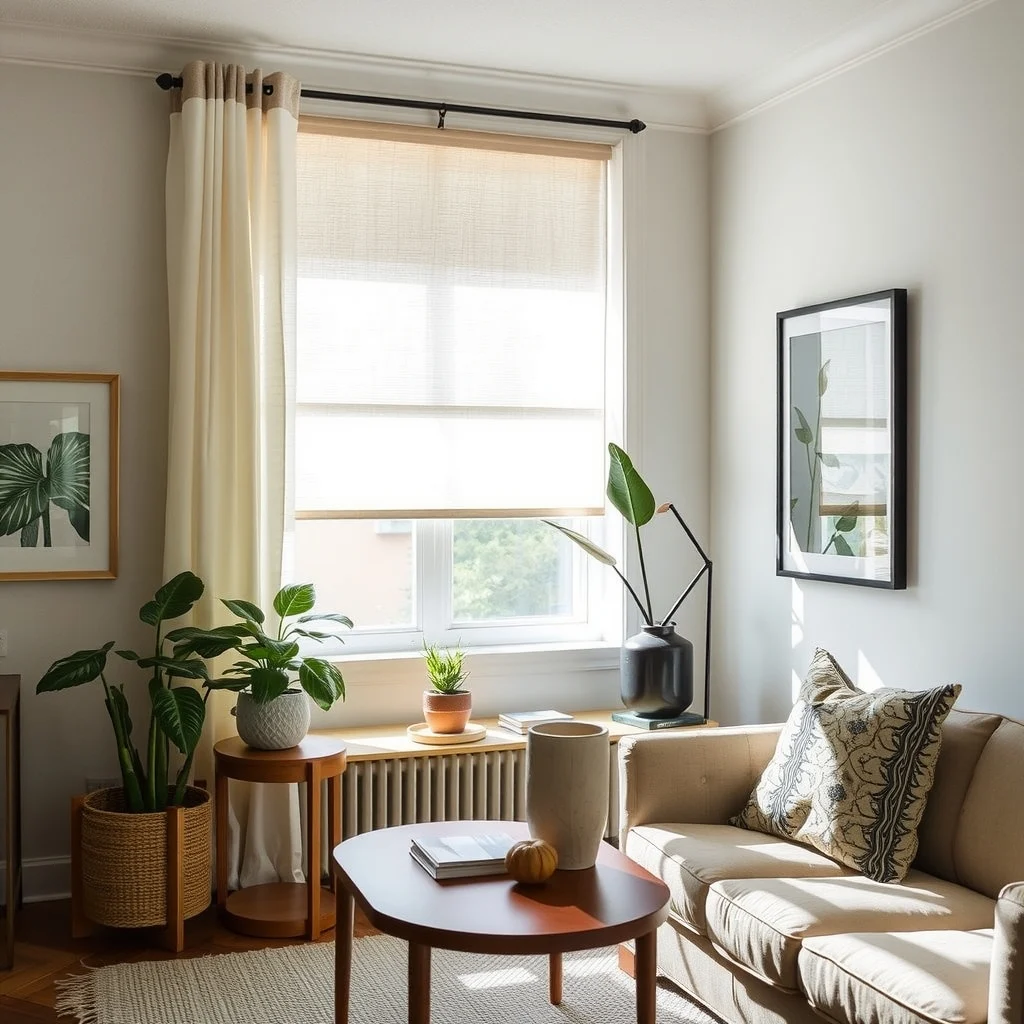
Layering a sheer panel behind a blackout or light‑filtering shade creates visual richness without additional hardware. The sheer fabric allows natural light to filter in, casting a soft glow that highlights the texture of the outer layer. When the room is bright, the sheer becomes the focal point; at night, the blackout layer offers privacy and a sleek silhouette. This approach works especially well in living rooms where daytime ambience is prized. The main consideration is ensuring the two layers are compatible in length; mismatched lengths can look sloppy. Choosing sheers in a tone that complements the primary curtain—such as a warm ivory behind a deep charcoal—maintains cohesion.
5. Upgrade the Hardware to a Refined Finish
© 2026 AI Illustrator — Inspiration Only
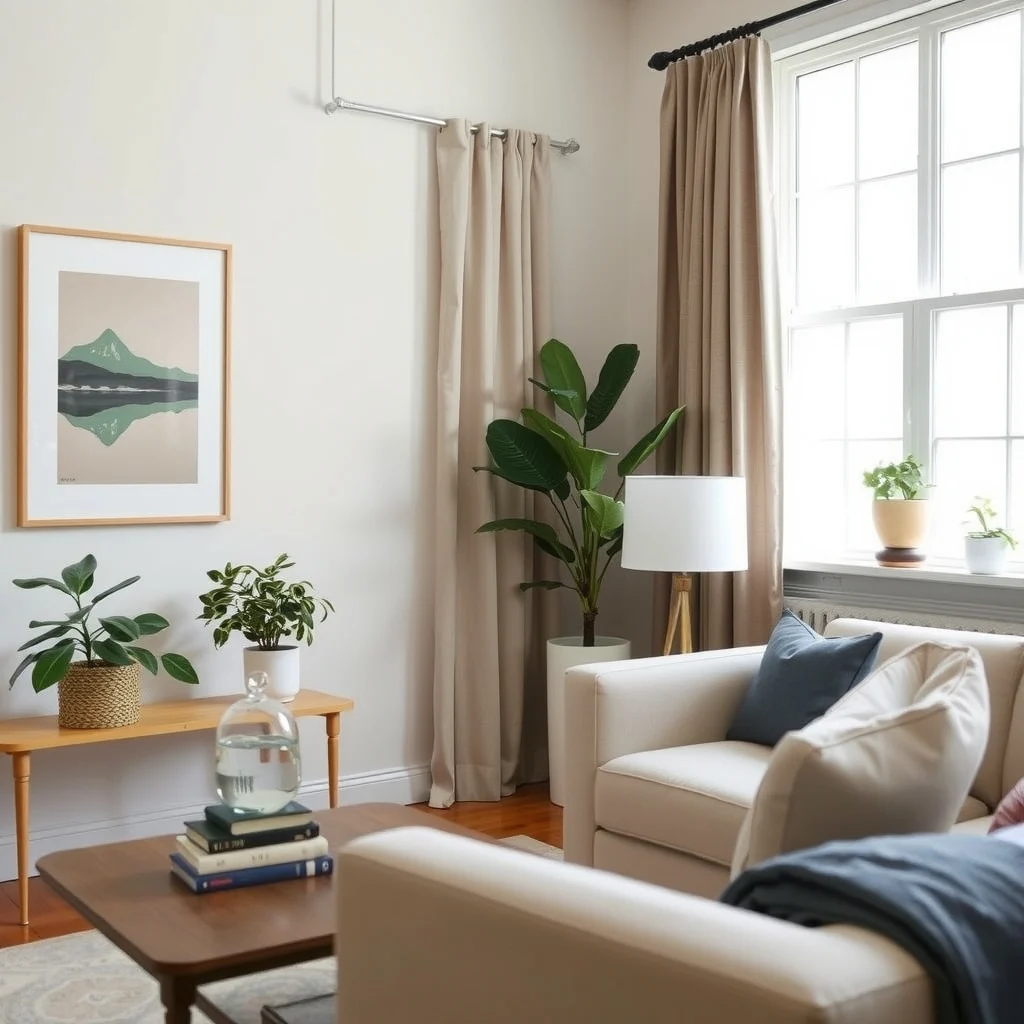
Even the most modest curtain can feel upscale with the right rod and finials. Brushed brass, oil‑rubbed bronze, or matte black hardware adds a sense of permanence that cheap plastic rods lack. The visual weight of a well‑finished rod anchors the treatment, making it appear custom‑installed. When selecting hardware, match the finish to other metal accents in the room, such as lamp bases or picture frames, to create a unified look. If drilling is prohibited, consider tension‑rod options that come in premium finishes; they provide the same aesthetic boost while remaining renter‑friendly. The downside is that premium hardware can be pricier, but the improvement in perceived quality is often noticeable.
6. Coordinate Colors With the Room’s Palette
© 2026 AI Illustrator — Inspiration Only
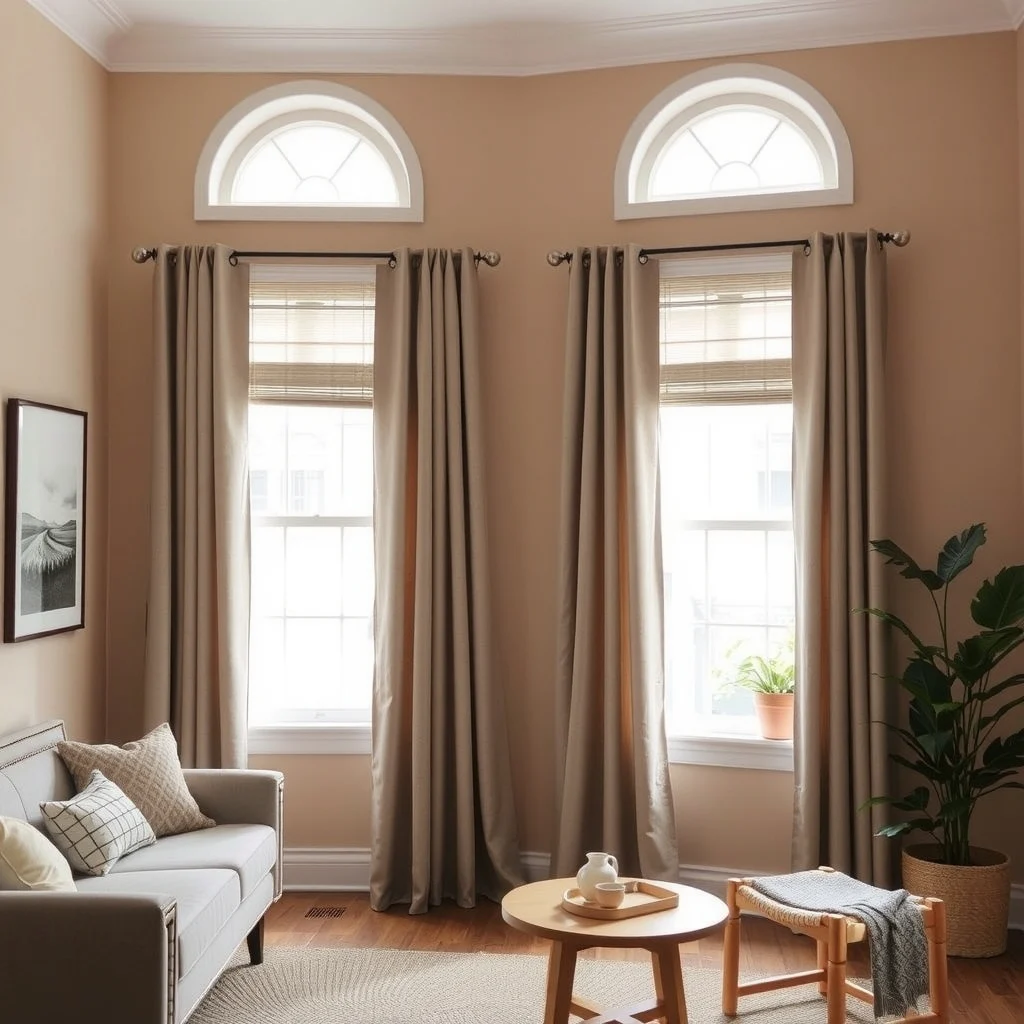
Choosing a curtain hue that either harmonizes with or deliberately contrasts the surrounding colors can elevate the entire space. A curtain in a soft dove gray against warm beige walls offers a gentle contrast that adds interest without overwhelming the room. Conversely, a deep navy paired with crisp white walls creates a striking focal point that draws attention to the window itself. When selecting a color, consider the dominant shades of furniture, flooring, and artwork; the curtain should feel like an intentional part of the scheme. Keep in mind that very bold colors can dominate a small room, so in tighter spaces a muted tone often works best.
7. Maintain a Clean, Pressed Appearance
© 2026 AI Illustrator — Inspiration Only
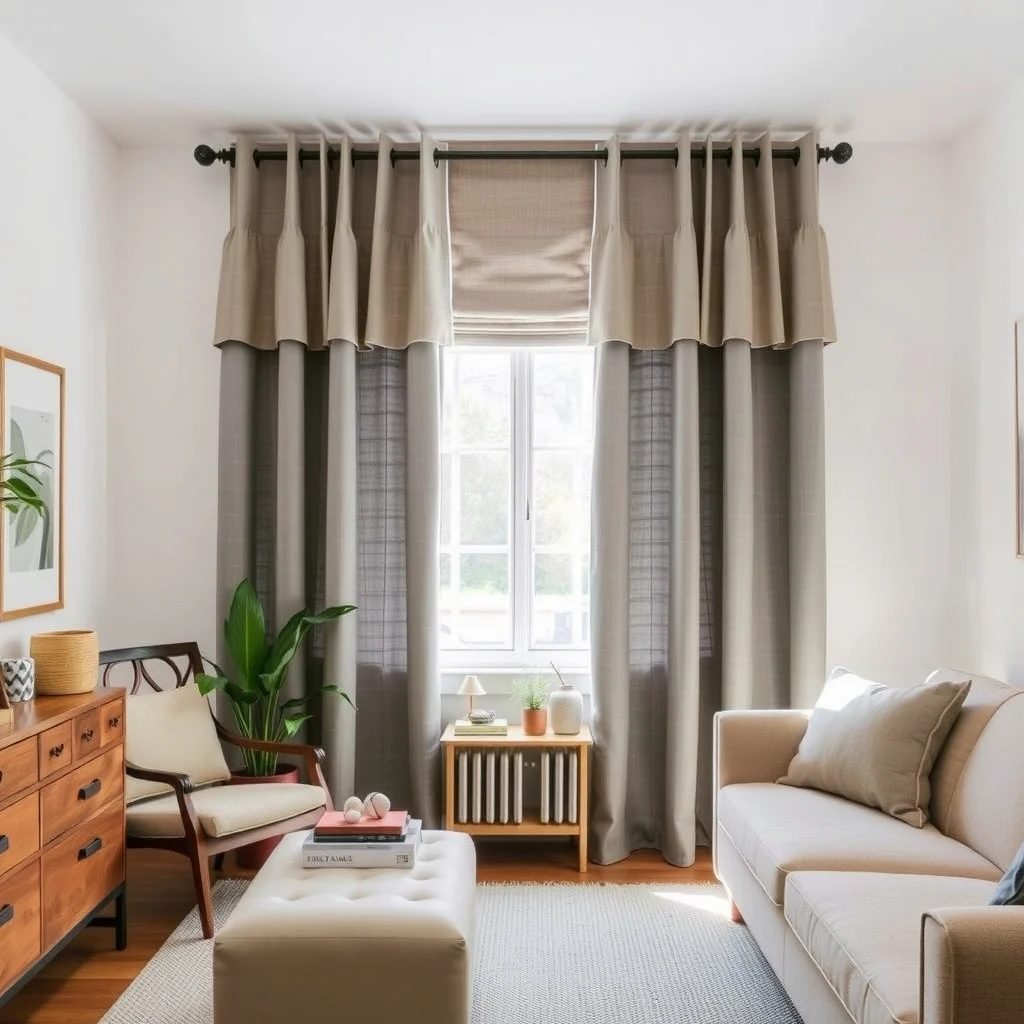
Even the most expensive‑looking treatment will lose its appeal if it appears wrinkled or dusty. Regularly vacuuming the fabric with a handheld brush attachment removes surface lint, while a quick steam or iron on a low setting smooths out creases. For fabrics that cannot be ironed, hanging the curtains for a few hours after washing allows gravity to release most folds. Consistent care not only preserves the visual quality but also extends the life of the material, which is especially valuable in a rental where you may need to return the space in good condition. The only drawback is the time commitment; setting a weekly routine ensures the effort stays manageable.
FAQ
© 2026 AI Illustrator — Inspiration Only
Can I replace rental blinds with curtains without drilling?
Yes, tension‑rod systems or adhesive brackets designed for temporary use allow you to hang curtains without making permanent holes. Choose a rod that can support the weight of your fabric, and follow the manufacturer’s instructions for safe installation.
What is the most cost‑effective way to add texture to cheap curtains?
Adding a thin, textured liner behind the existing curtain provides depth without replacing the whole panel. Look for liners made of linen‑blend or brushed cotton that can be slipped into the rod pocket.
Do blackout curtains work in rooms with limited natural light?
Blackout curtains can still be used, but pairing them with a sheer layer ensures the room receives some daylight while maintaining privacy. The sheer layer softens the darkness and keeps the space from feeling too closed in.
How do I choose a hardware finish that matches my existing décor?
Identify the metal tones already present in the room—such as lamp bases, picture frames, or kitchen fixtures—and select a rod finish that mirrors those hues. A consistent metal palette creates a cohesive look.
Is it safe to steam‑iron delicate curtain fabrics?
Steam‑ironing on a low setting is generally safe for most cotton‑based fabrics, but delicate materials like silk or sheer voile should be pressed with a cloth barrier or avoided altogether to prevent shine.
Final Thoughts
© 2026 AI Illustrator — Inspiration Only
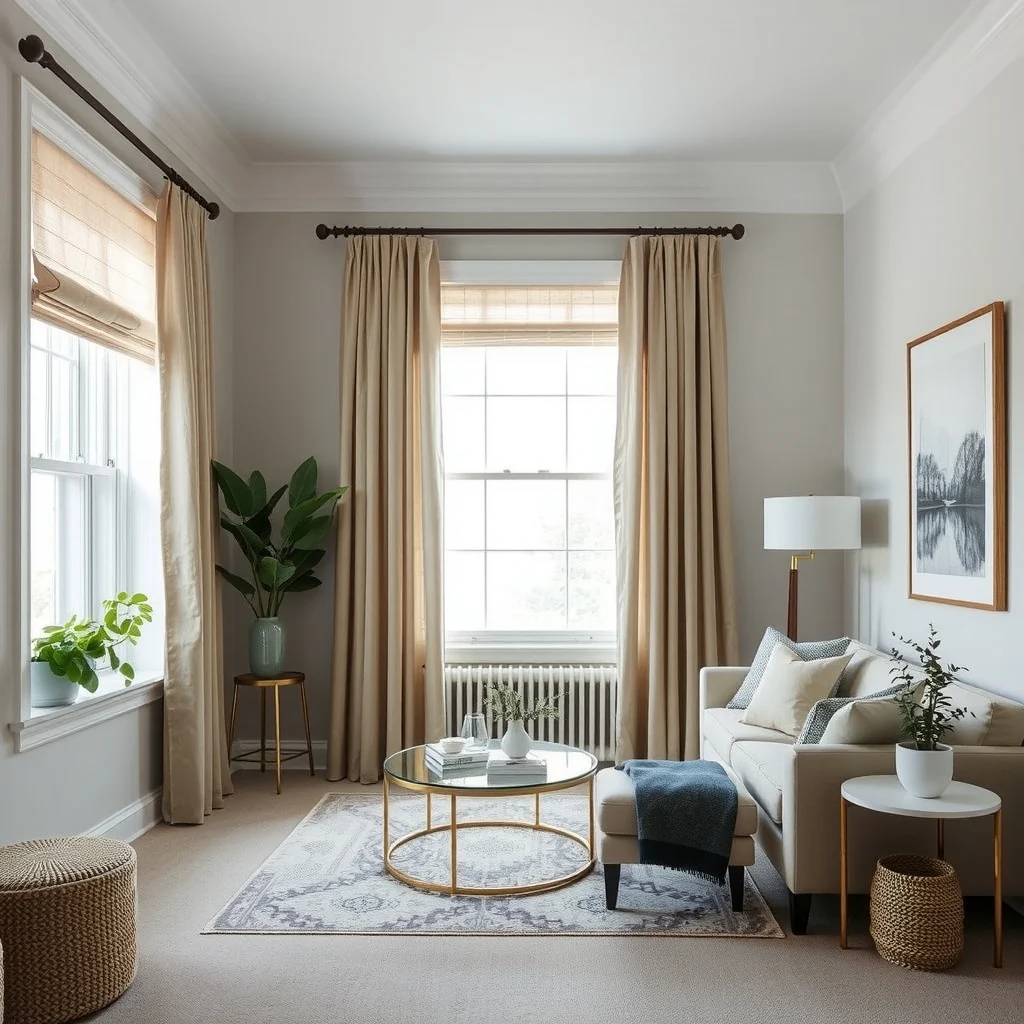
Elevating rental window treatments is less about expensive upgrades and more about thoughtful choices that add texture, proportion, and cohesion. By selecting fabrics with subtle detail, extending the length, introducing layered elements, and paying attention to hardware and maintenance, you can achieve a refined look that feels custom‑designed. Each suggestion balances visual impact with the practical constraints of renting, ensuring that style improvements are both beautiful and reversible.