
Every home accumulates a quiet collection of items that belong in plain sight but would look better tucked away: spare chargers, a roll of paper towels, a few extra mugs, or the occasional cleaning spray. When these essentials spill onto countertops or clutter a hallway, the space feels chaotic even if the items themselves are perfectly functional. The good news is that a discreet storage solution can keep daily necessities handy without sacrificing the visual calm you work so hard to achieve. Below are seven thoughtful approaches that blend seamlessly with a room’s style, respect the flow of traffic, and stay within a realistic budget.
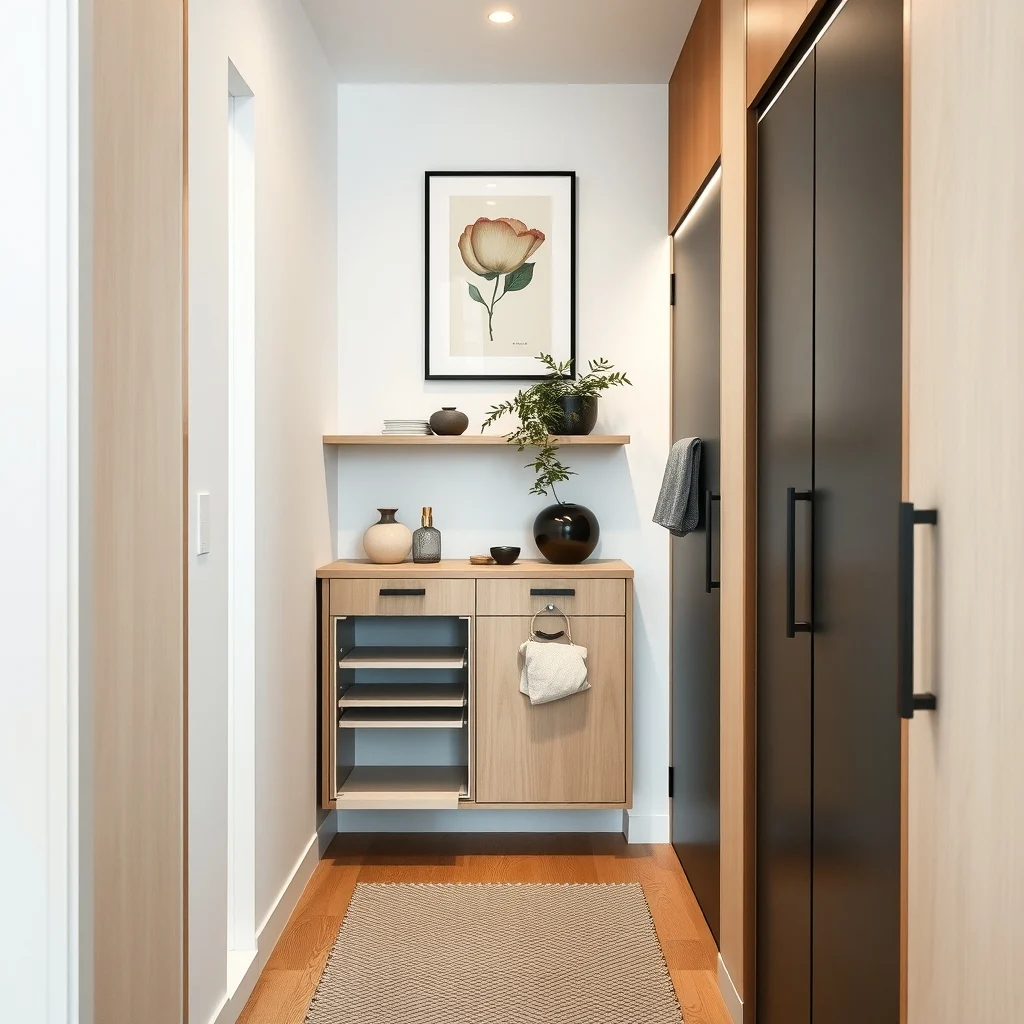
1. Transform a Narrow Hallway Closet into a Pull‑Out Pantry
© 2026 AI Illustrator — Inspiration Only
A hallway closet often goes unused because its depth is limited, yet that very constraint can become an advantage. By installing a shallow, custom‑cut plywood shelf that slides on low‑friction rollers, you create a pull‑out pantry that slides into the opening like a drawer. The shelf can be painted a soft greige that matches the hallway walls, allowing it to recede visually while still providing a solid surface for jars, cleaning supplies, and spare linens. Because the unit only extends a few inches from the wall, it does not obstruct foot traffic, and the smooth glide encourages frequent use. The trade‑off is that the depth limits the size of containers you can store, so larger items may need a different home.
What’s Your Apartment Decor Style?
Answer these quick questions to discover your perfect decor vibe.
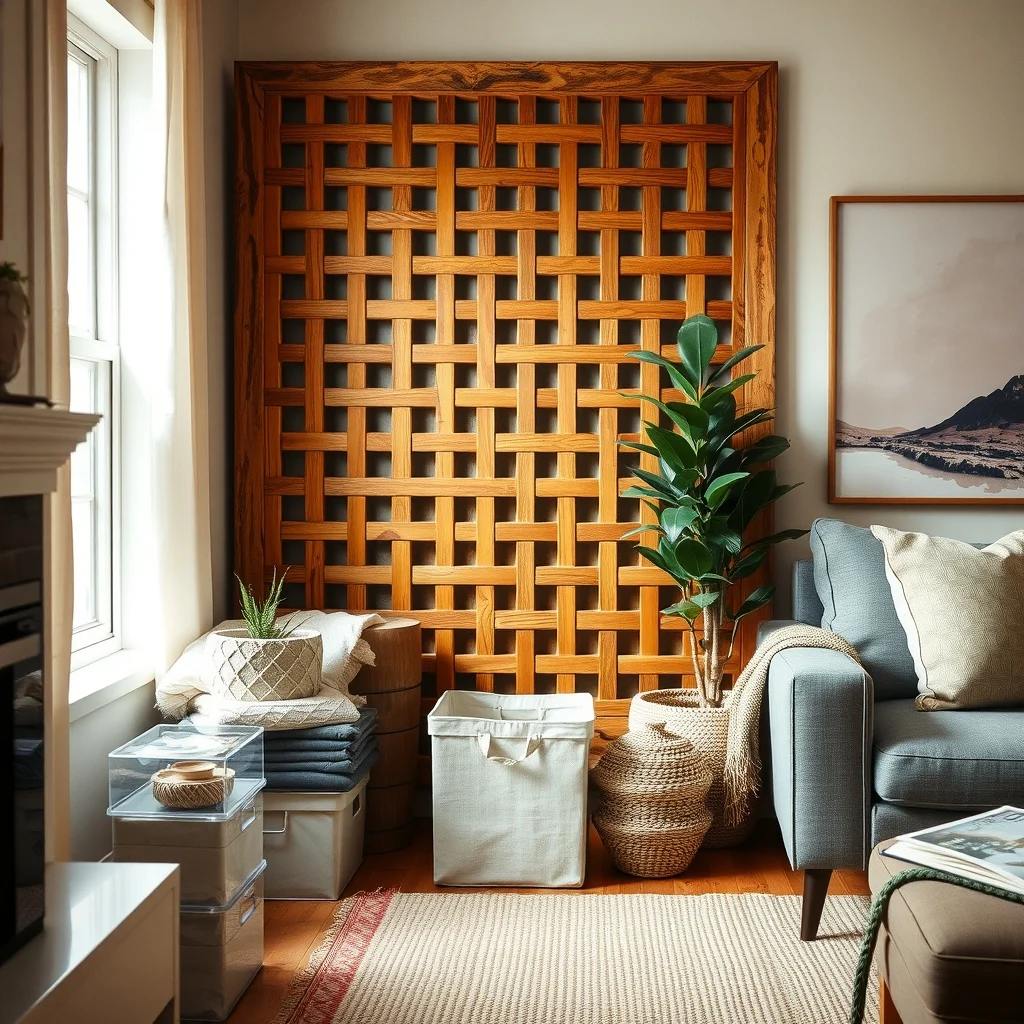
2. Hide a Stackable Bins System Behind a Decorative Screen
© 2026 AI Illustrator — Inspiration Only
A decorative screen—whether a folding shoji panel, a reclaimed wood lattice, or a tall metal grille—offers a stylish way to mask a collection of stackable bins. Choose bins made of clear acrylic or matte linen that coordinate with the room’s color palette; the screen’s open design allows a hint of the contents to be seen, satisfying the desire for quick access while keeping the bulk concealed. Position the screen near a sideboard or against a living‑room wall where the eye naturally rests. The screen can be leaned against the floor for a casual feel or anchored with brackets for stability. One limitation is that the screen must be tall enough to cover the bins fully; otherwise the visual clutter reappears.
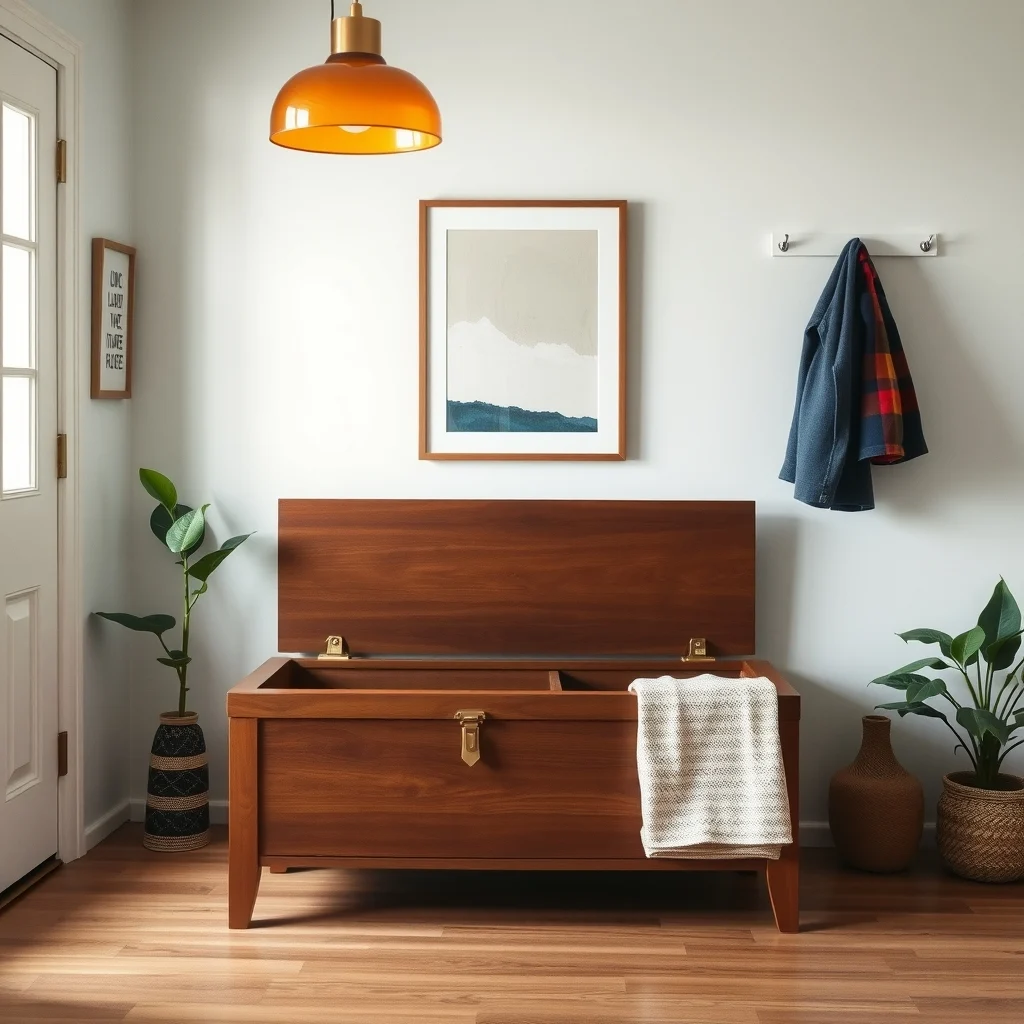
3. Incorporate a Built‑In Bench with a Lift‑Top in the Entryway
© 2026 AI Illustrator — Inspiration Only
Entryways are perfect for a bench that doubles as storage, especially when the bench features a lift‑top mechanism. A solid oak bench painted in a warm walnut tone can anchor the space, while the hinged top opens to reveal a shallow compartment for mail, spare keys, and small cleaning tools. The bench’s seat provides a place to sit while putting on shoes, and the hidden interior keeps the clutter out of sight. Adding a cushion in a muted olive fabric softens the look and invites use. The main consideration is the weight of the lift‑top hardware; a sturdy hinge system is essential to avoid sagging over time.
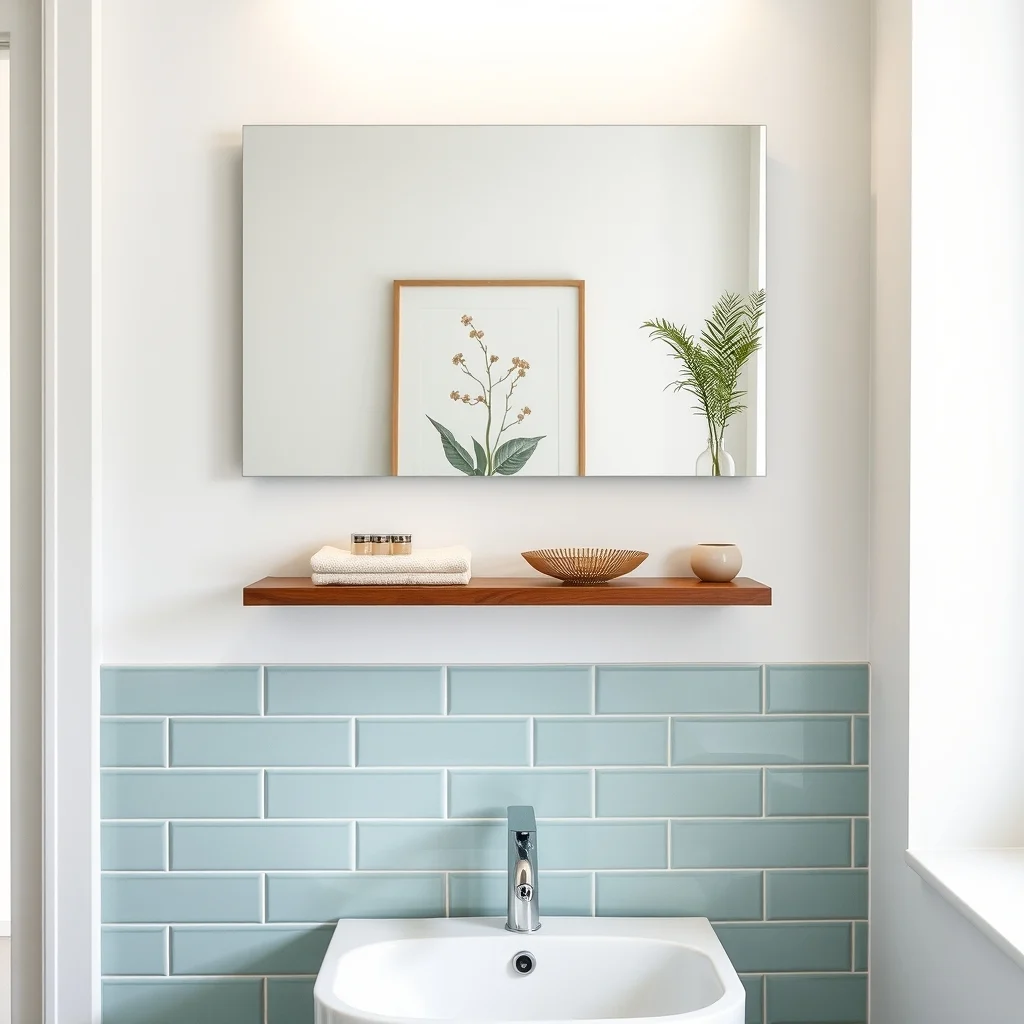
4. Use a Floating Shelf with a Concealed Box Behind a Mirror
© 2026 AI Illustrator — Inspiration Only
Bathrooms often have a wall mirror that dominates the visual field. By mounting a narrow floating shelf just below the mirror and tucking a shallow, fabric‑lined box behind it, you create a secret nook for toothpaste, spare floss, and travel‑size toiletries. The shelf can be finished in brushed brass to echo the faucet hardware, while the box’s neutral tone blends with the bathroom tiles. Because the box is hidden behind the shelf, it remains out of sight but easily reachable when you lean forward. This solution works best in bathrooms with enough wall space; cramped layouts may not accommodate the extra depth.
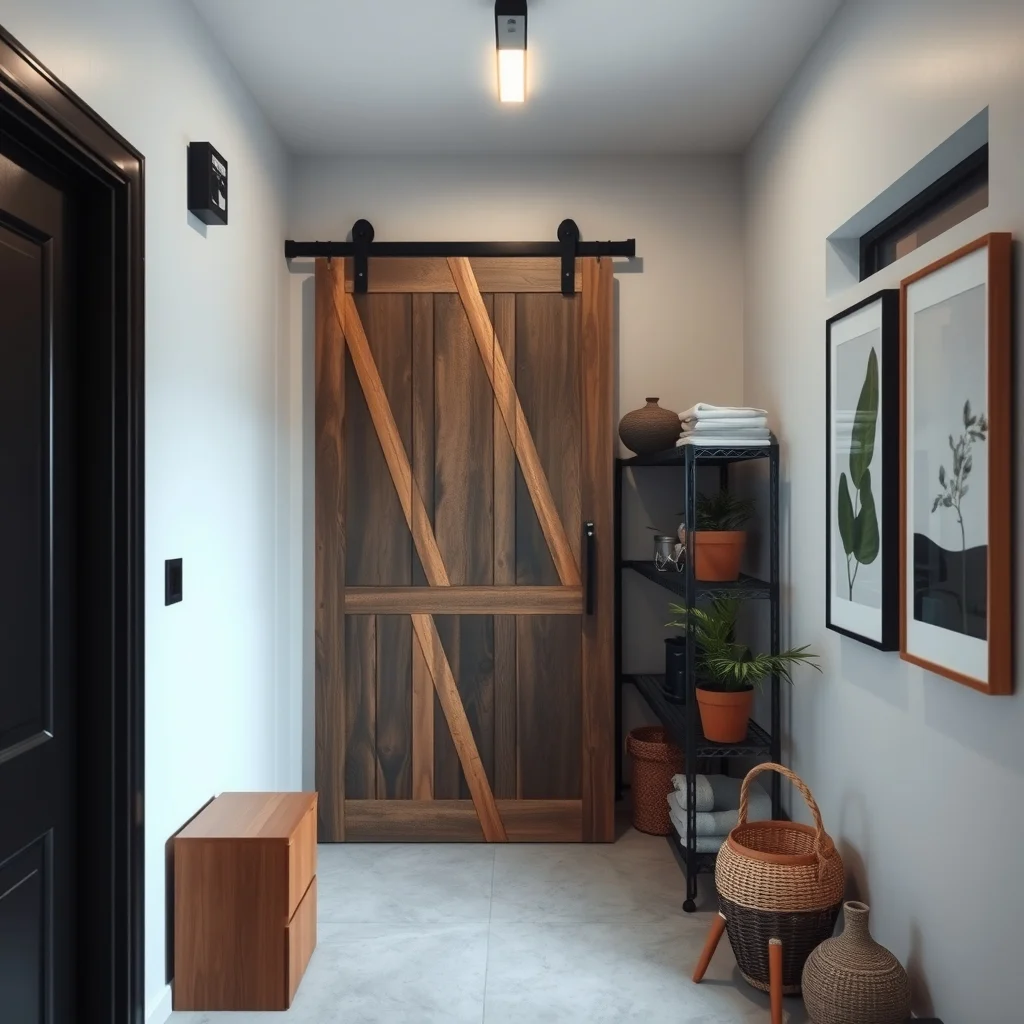
5. Repurpose an Unused Laundry Room Door as a Sliding Panel
© 2026 AI Illustrator — Inspiration Only
Many homes have a laundry room door that sees little traffic. By removing the door from its hinges and mounting it on a simple floor‑to‑ceiling track, you create a sliding panel that can conceal a narrow cabinet or set of drawers. The door’s paint—perhaps a deep charcoal that matches the kitchen cabinets—provides a cohesive look, while the hidden cabinet stores extra dish towels, pantry staples, or a small vacuum. Sliding the panel open reveals the storage without breaking the room’s visual continuity. The downside is that the track requires precise installation; a misaligned rail can cause the panel to stick.
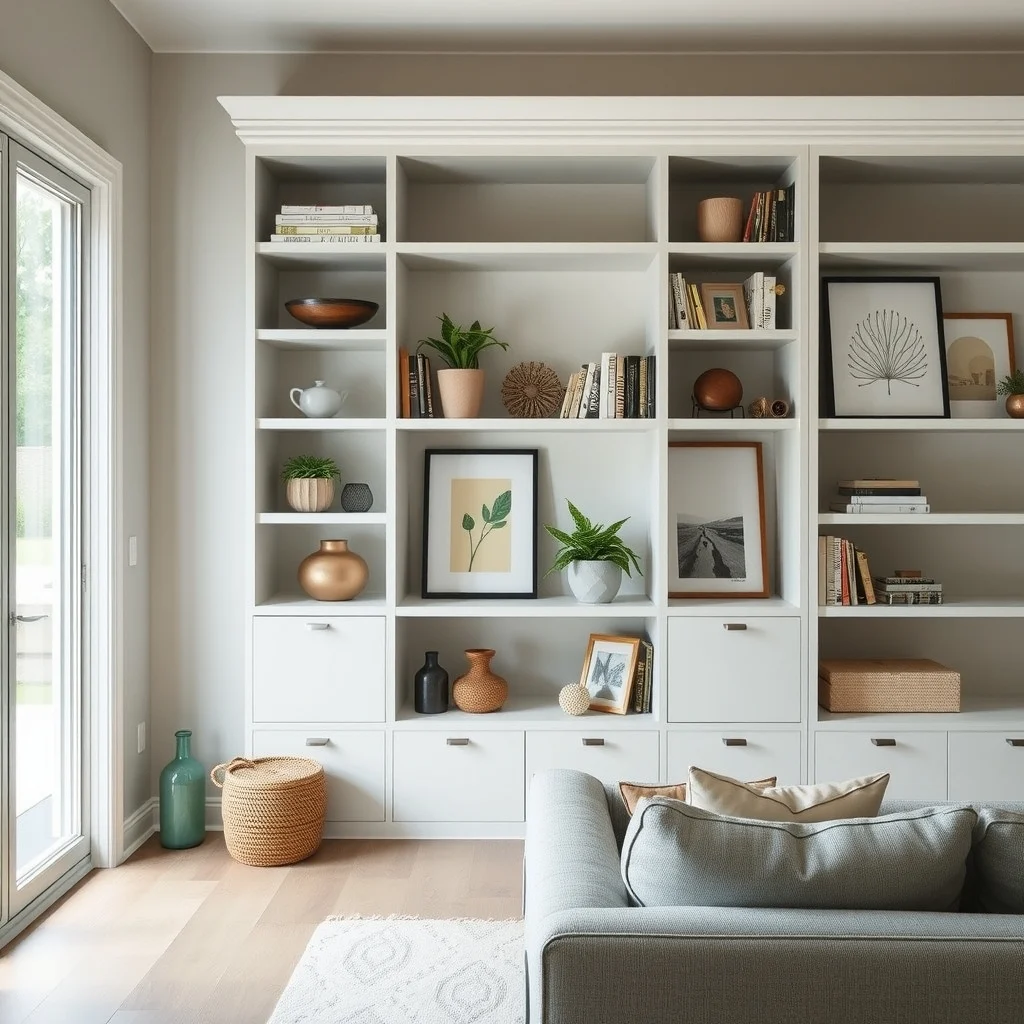
6. Install a Recessed Nook Behind a Built‑In Bookshelf
© 2026 AI Illustrator — Inspiration Only
In a living room or study, a built‑in bookshelf often occupies an entire wall. By leaving a shallow recess behind the lower row of shelves, you can fit a custom drawer unit that slides out from the wall. The drawer faces can be finished in the same wood grain as the bookshelf, creating a seamless appearance that hides everyday items like remote controls, spare batteries, and board‑game pieces. Soft LED strip lighting placed inside the recess illuminates the contents when the drawer is pulled, adding a subtle functional glow. The main limitation is the need for a wall with sufficient depth; thin walls will not allow a usable recess.
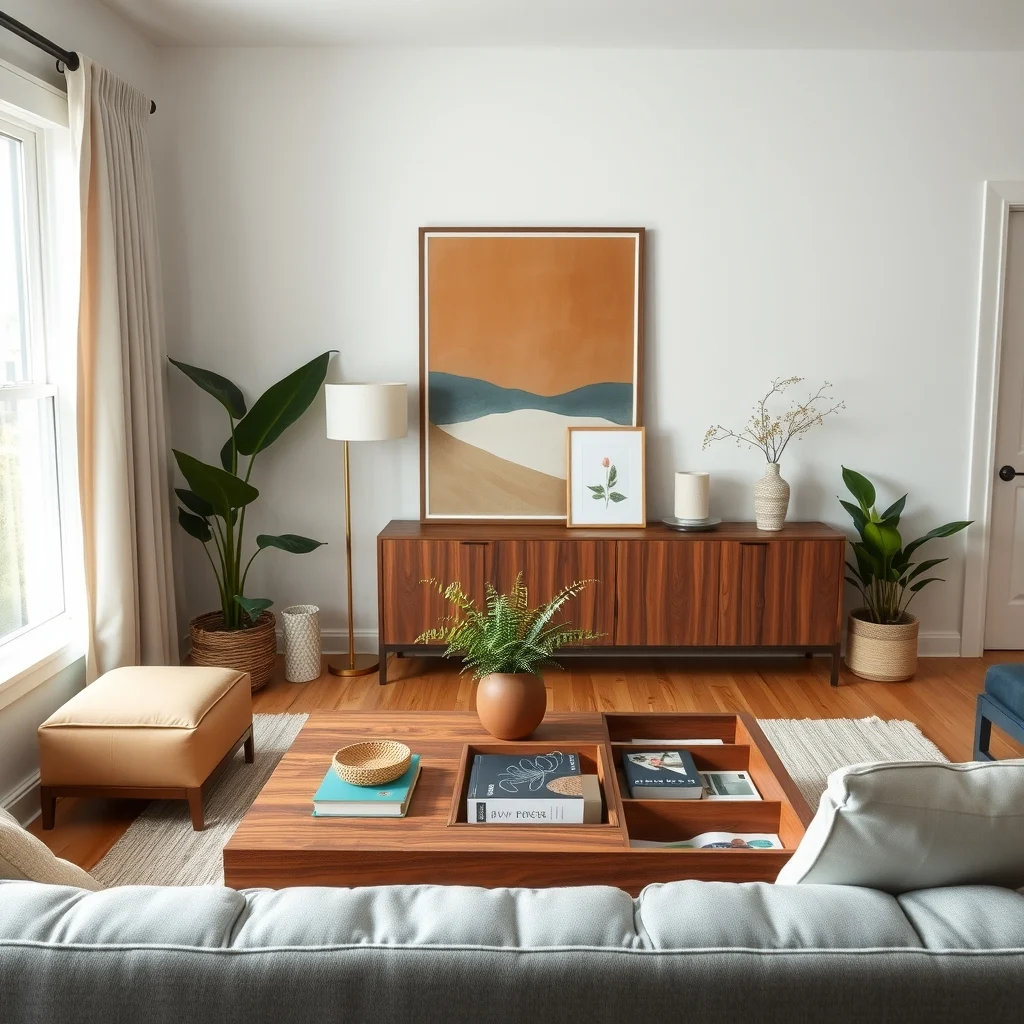
7. Choose a Multi‑Functional Coffee Table with Hidden Drawers
© 2026 AI Illustrator — Inspiration Only
A coffee table that incorporates hidden drawers offers a central gathering spot and a place to stash magazines, coasters, and a spare set of keys. Opt for a table with a solid walnut top and brass handles that echo other hardware in the room. The drawers sit flush with the surface, maintaining a clean silhouette, while the tabletop can be protected with a low‑pile rug that adds texture without overwhelming the space. Because the table sits in the middle of the room, it must be proportionate to the surrounding seating; an oversized piece can dominate the layout.
FAQ
How can I keep the storage area looking tidy without constantly reorganizing?
Use uniform containers that match the room’s color scheme; they create visual order even if the contents shift.
Is it safe to install sliding panels myself?
Simple sliding panels can be installed by a confident DIYer, but for heavy doors or complex tracks you should consult a professional to ensure proper alignment and weight support.
What type of lighting works best for hidden storage spaces?
Soft LED strips or puck lights placed inside recessed areas provide enough illumination to locate items without creating glare.
Can I use these ideas in a rental apartment?
Most approaches rely on removable hardware like tension rods, adhesive hooks, or freestanding furniture, making them renter‑friendly.
How do I choose the right size for a concealed bin system?
Measure the available floor or wall space first, then select bins that fit comfortably within those dimensions, leaving a few centimeters for airflow.
Final Thoughts
© 2026 AI Illustrator — Inspiration Only
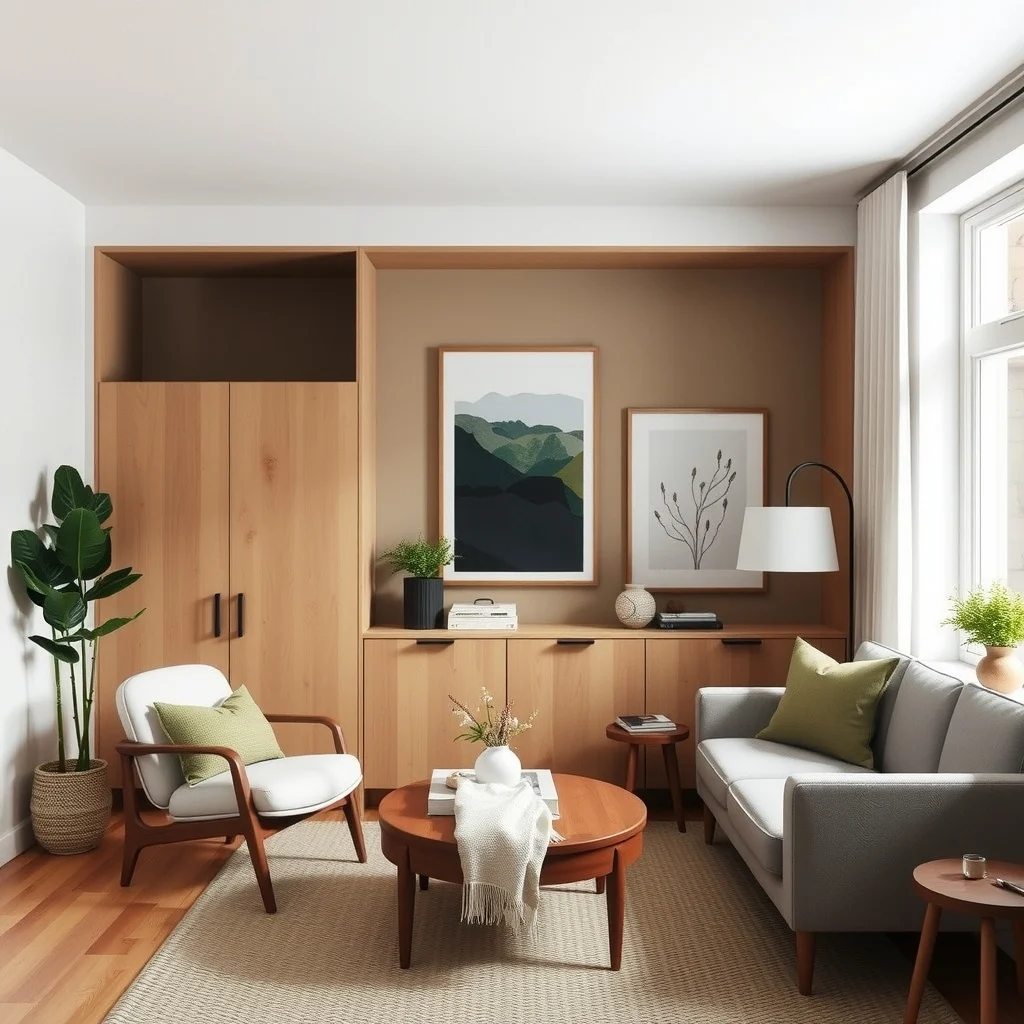
Discreet storage is less about hiding things and more about integrating functionality into the aesthetic flow of a home. By selecting materials, finishes, and mechanisms that echo the surrounding décor, you create pockets of organization that feel like an intentional part of the design rather than an afterthought. Whether you opt for a pull‑out pantry, a lift‑top bench, or a sliding panel, the key is to balance accessibility with subtlety, ensuring that everyday essentials are always within reach but never dominate the visual landscape. With these seven ideas, you can enjoy a clutter‑free environment that still supports the rhythms of daily life.