
Living in a compact apartment often means saying goodbye to the luxury of a dedicated utility closet. Without that hidden nook, cleaning tools can quickly become an eyesore, spilling onto countertops or crowding a bathroom shelf. The challenge is to keep everything tidy while preserving the aesthetic flow of a small home. Below are seven approaches that blend practicality with style, allowing you to store sprays, sponges, and vacuum accessories without sacrificing design cohesion.
1. Transform a Narrow Hallway Nook into a Slim Storage Cabinet
© 2026 AI Illustrator — Inspiration Only
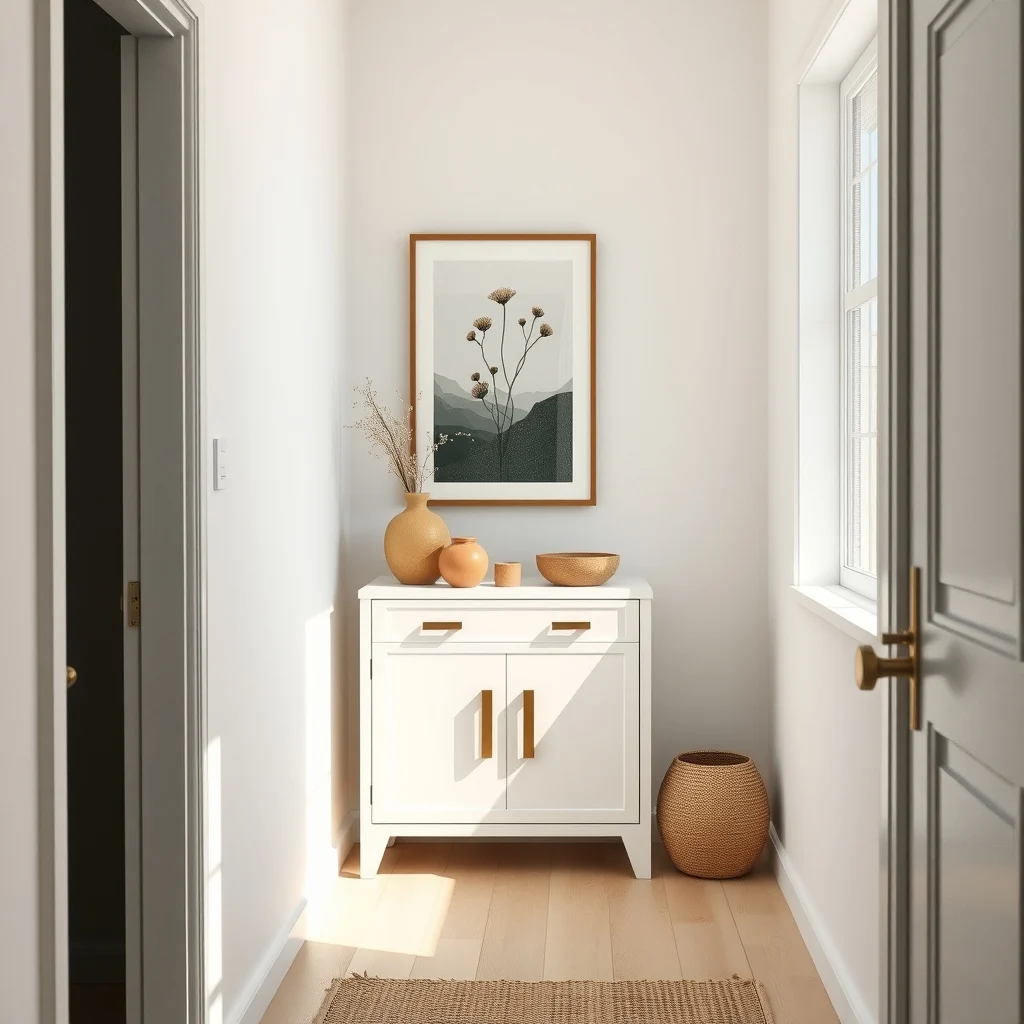
Hallways in many apartments are underused, especially the thin strip between the entry door and the living room wall. Installing a shallow cabinet that runs the length of this space creates a discreet repository for cleaning essentials. Choose a cabinet finished in a muted greige or soft dove‑gray to echo the surrounding paint, and opt for brushed metal hardware that adds a subtle industrial touch without clashing with a modern décor palette. Inside, adjustable shelves accommodate taller bottles of floor cleaner while a lower compartment can house a compact handheld vacuum. The visual benefit lies in the cabinet’s ability to blend with the hallway’s existing trim, turning what could be a cluttered corridor into a sleek line of storage. One limitation is the need to keep the cabinet doors closed; otherwise, the hallway can feel cramped, so a habit of returning items after each use is essential.
What’s Your Apartment Decor Style?
Answer these quick questions to discover your perfect decor vibe.
2. Use a Rolling Kitchen Cart for Multi‑Purpose Storage
© 2026 AI Illustrator — Inspiration Only
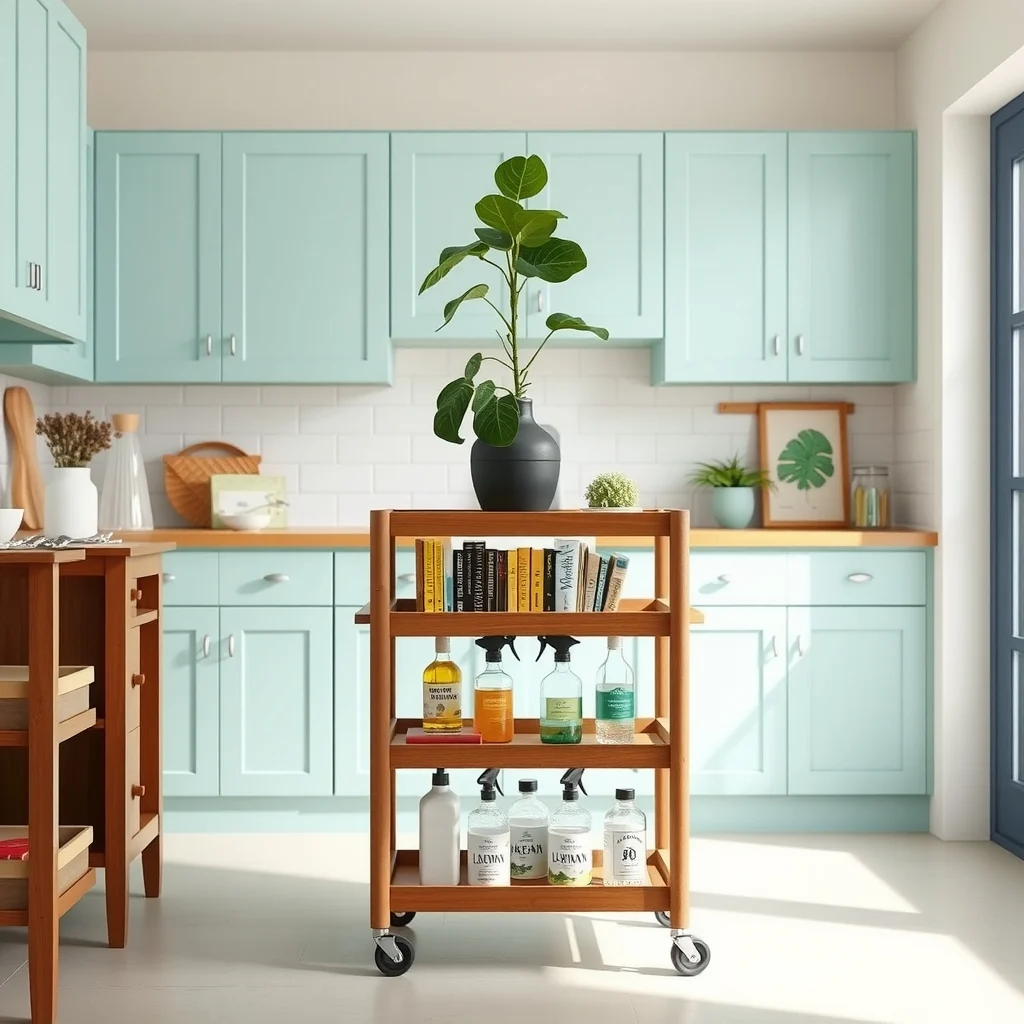
A three‑tier rolling cart placed against the kitchen wall offers mobility and versatility. When not needed for cleaning, the top tier can display a decorative plant or a stack of cookbooks, allowing the cart to serve a dual role. Select a cart with a walnut veneer top and powder‑coated black legs; the warm wood tone balances the cooler tones of stainless appliances, while the black finish hides fingerprints. Attach a small magnetic strip on the side to hold metal scrubbers or a compact bottle opener, keeping them within reach. Because the cart can be wheeled into a corner or even out onto a balcony for drying mop heads, it prevents permanent intrusion into limited floor space. The trade‑off is that the cart occupies a portion of the kitchen floor, so it works best in kitchens with at least a two‑foot clearance around the perimeter.
3. Repurpose a Vintage Suitcase as a Decorative Bunk

© 2026 AI Illustrator — Inspiration Only
Stacking a sturdy, leather‑bound suitcase on a bedroom dresser or in a living‑room nook adds a nostalgic accent while providing a hidden compartment for cleaning supplies. The suitcase’s interior can be lined with a washable canvas to protect against spills, and its zippered closure keeps bottles sealed from dust. Because the exterior often features rich brown tones, it naturally complements wood furniture and can be placed where it doubles as a side table for keys or mail. The suitcase’s limited interior volume means it’s best suited for lightweight items such as microfiber cloths, spray bottles, and a few small brushes. Heavy items like a mop bucket would overwhelm the structure, so reserve the suitcase for the everyday essentials you need to reach quickly.
4. Hang a Fabric Pocket Organizer Behind a Bathroom Door
© 2026 AI Illustrator — Inspiration Only
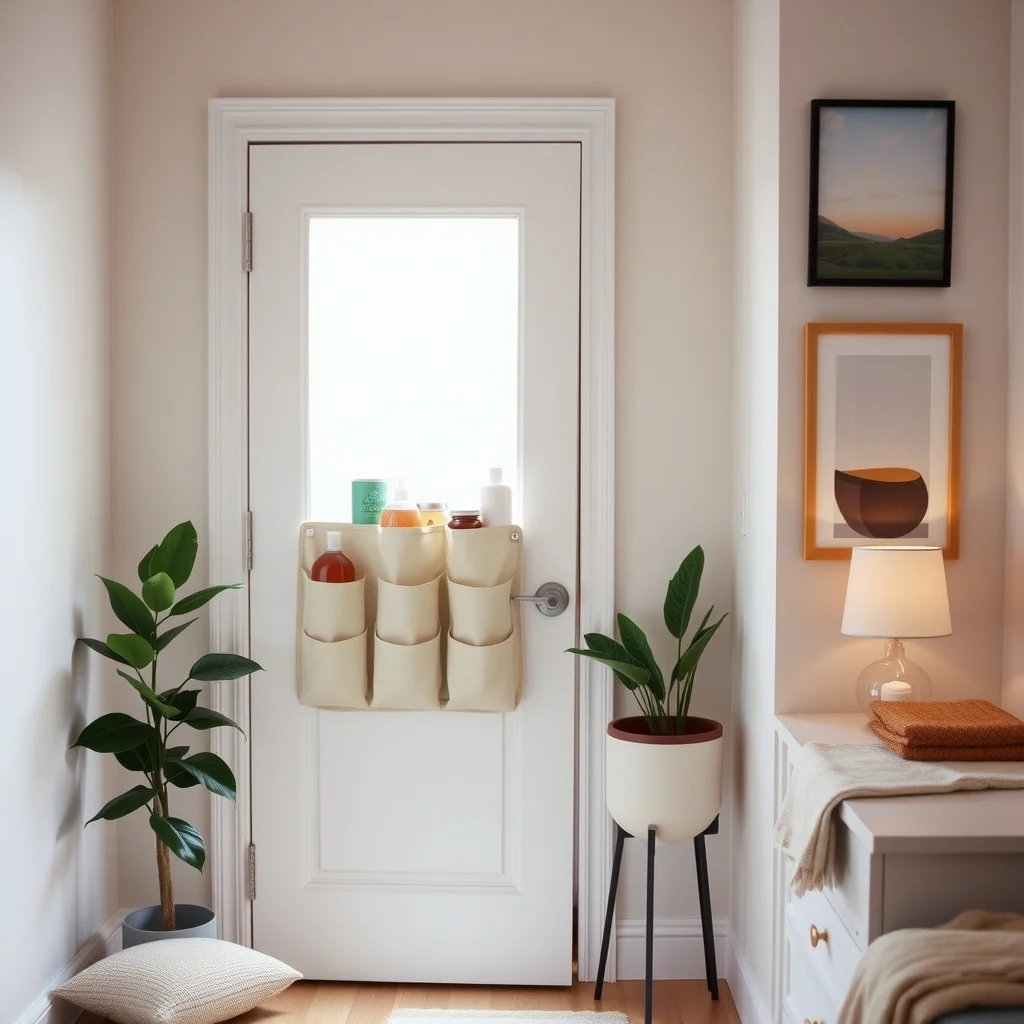
The back of a bathroom door offers a vertical plane that rarely receives attention. Mounting a fabric pocket organizer with clear acrylic windows transforms that space into a tidy gallery for cleaning tools. Choose a neutral linen fabric in a soft taupe, paired with clear pockets that allow you to see the contents at a glance. Store a bottle of glass cleaner in one pocket, a roll of paper towels in another, and a small caddy for brushes in a third. The fabric’s texture adds a gentle visual break from the glossy tiles, while the clear pockets eliminate the guesswork of rummaging for the right spray. This solution works best when the door swings inward, ensuring the organizer does not interfere with the door’s swing path. If the door opens outward, consider a slim wall‑mounted rack instead.
5. Install a Pull‑Out Shelf Inside a Closet Door
© 2026 AI Illustrator — Inspiration Only
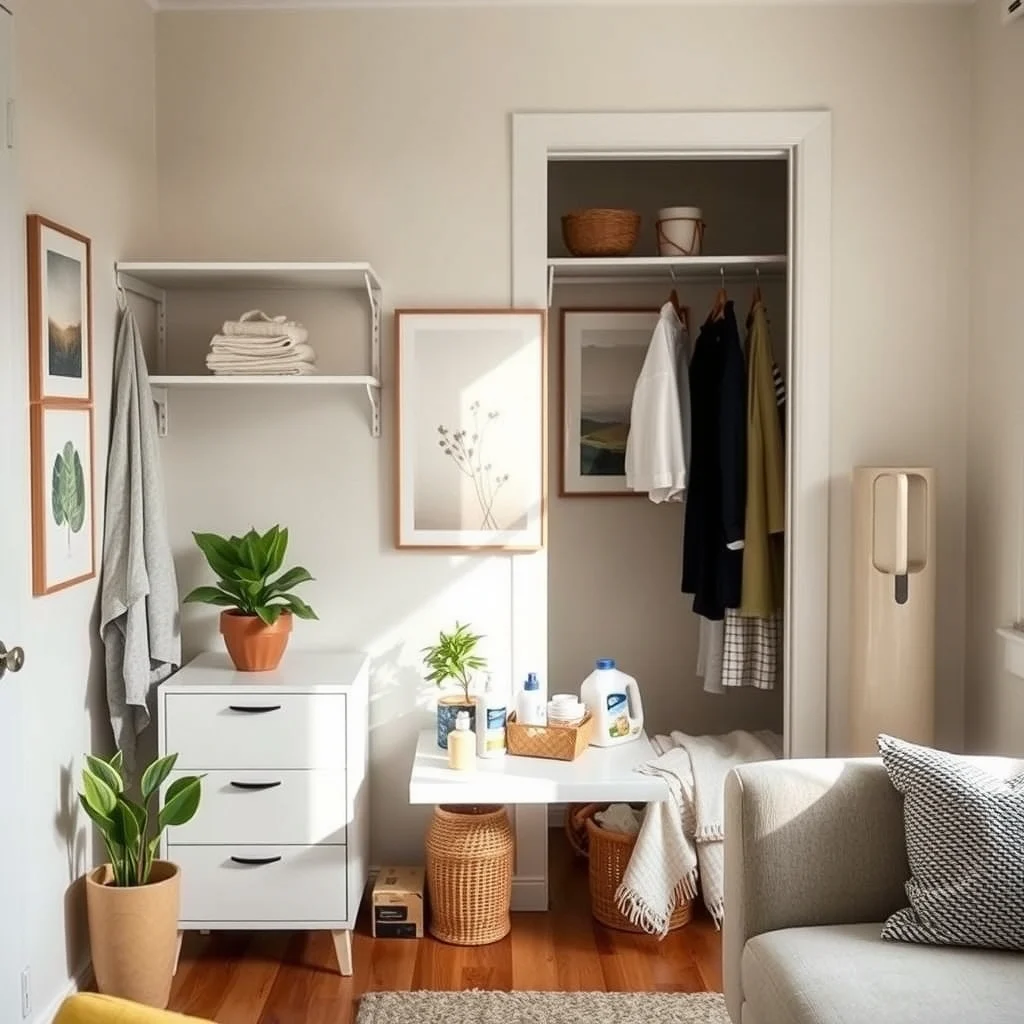
Even without a dedicated utility closet, most apartments feature at least one wardrobe. By attaching a shallow pull‑out shelf to the inside of a closet door, you create a hidden alcove for cleaning supplies that remains out of sight when the door is closed. A shelf made from laminated oak with a matte finish blends with typical closet interiors and can hold a small bucket, a bottle of all‑purpose cleaner, and a compact broom. The pull‑out mechanism allows you to access items without disturbing the clothes hanging on the opposite side. One consideration is the weight limit of the shelf; heavy containers should be stored elsewhere to avoid warping the door. This approach turns an otherwise unused surface into a functional storage layer.
6. Choose Stackable Clear Bins for Visible Organization
© 2026 AI Illustrator — Inspiration Only
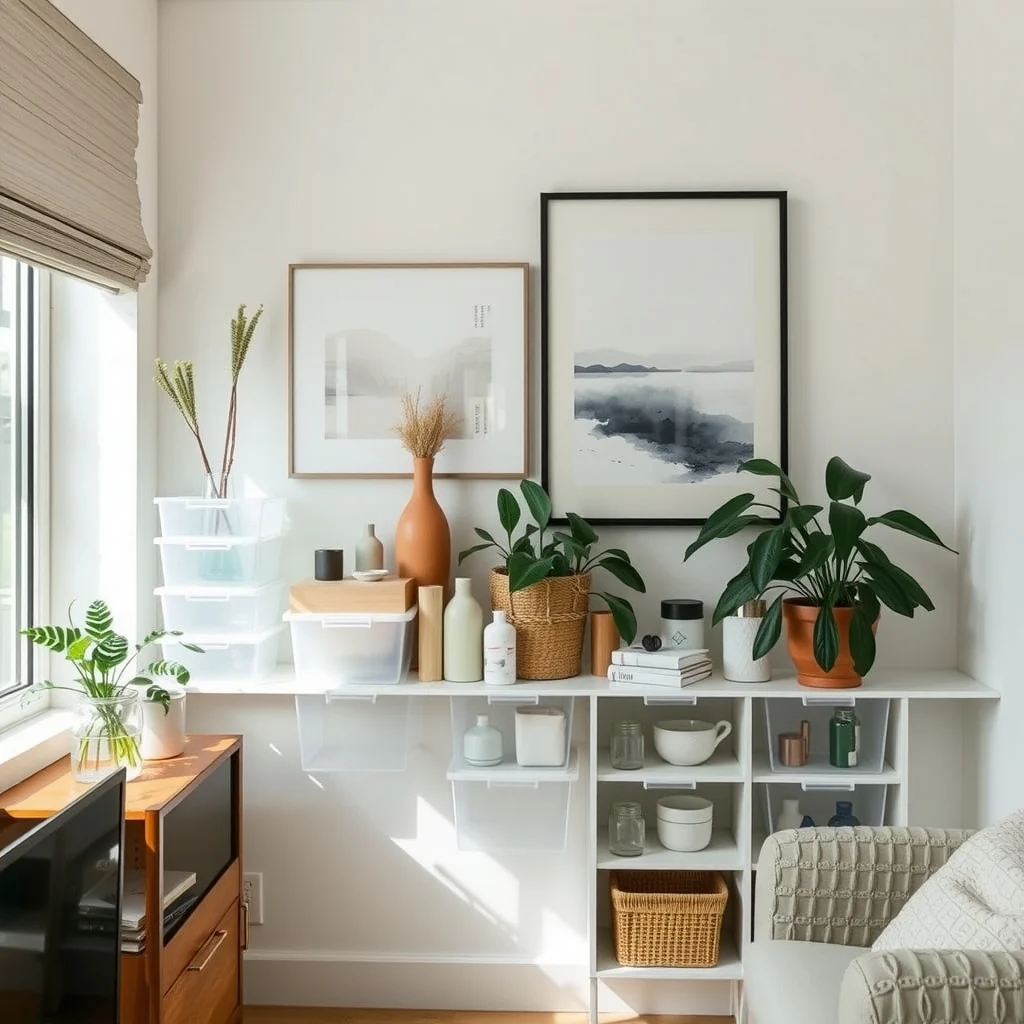
Clear, stackable plastic bins placed on a balcony railing or a low bookshelf provide a transparent solution that keeps cleaning items organized yet visible. Opt for bins with a subtle frosted finish to soften the glare of sunlight while still allowing you to locate a bottle without opening each container. Arrange the bins by category—sprays on the bottom, cloths in the middle, and smaller tools on top—so the visual hierarchy mirrors the frequency of use. The modular nature of the bins lets you add or remove layers as your inventory changes, and the lightweight material makes it easy to move the stack when you need to sweep the balcony. The downside is that plastic can clash with a predominantly natural‑material décor, so selecting bins with a matte texture helps them blend more seamlessly.
7. Create a Dedicated Shelf Above the Laundry Area
© 2026 AI Illustrator — Inspiration Only
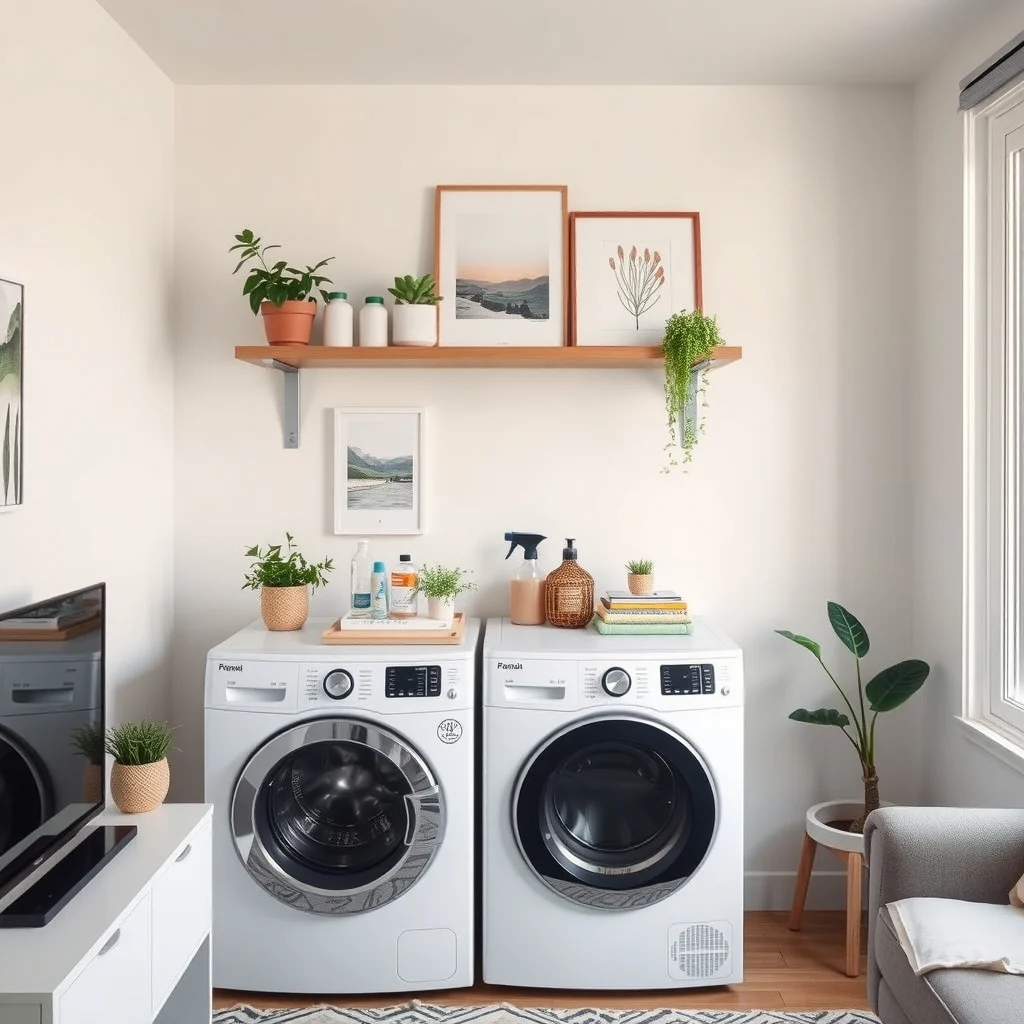
If your apartment includes a stacked washer‑dryer unit, the space above it often remains empty. Installing a narrow floating shelf in this gap gives you a permanent home for cleaning supplies that are logically connected to laundry tasks. A shelf finished in matte white or soft sage can echo the appliance’s color palette, creating a cohesive look. Use decorative jars with brushed metal lids for liquid detergents, and place a small woven basket on one end for lint rollers and dryer sheets. Because the shelf is elevated, it stays out of the way of daily foot traffic, yet remains within arm’s reach when you’re loading the machine. The primary limitation is the need for proper anchoring to the wall; ensure the shelf is securely mounted to support the weight of the containers.
FAQ
© 2026 AI Illustrator — Inspiration Only
How can I keep cleaning supplies from smelling bad in a small apartment?
Store them in airtight containers or jars with sealed lids, and place a small charcoal sachet on the shelf to absorb odors. Keeping the area well‑ventilated also helps prevent lingering scents.
Is it safe to store spray bottles near heat sources?
No, spray bottles should be kept away from direct sunlight and heating vents, as heat can increase pressure inside the bottle and cause leaks. Choose a cooler spot like a shaded cabinet or a low‑light hallway shelf.
What type of material works best for a portable cleaning cart?
A cart with a solid wood top and metal legs provides durability and a stable surface for heavier items, while the metal frame resists moisture damage. Ensure the wood is finished with a water‑resistant seal.
Can I use decorative baskets for cleaning tools without looking messy?
Yes, select baskets made from natural fibers like seagrass or woven linen, which hide smaller items while adding texture to the room. Choose a size that fits the items snugly to avoid a chaotic appearance.
How often should I declutter my cleaning supply storage?
Review your inventory every six months, discarding empty containers and consolidating duplicate products. Regular decluttering prevents buildup and keeps the storage area functional.
Final Thoughts
© 2026 AI Illustrator — Inspiration Only
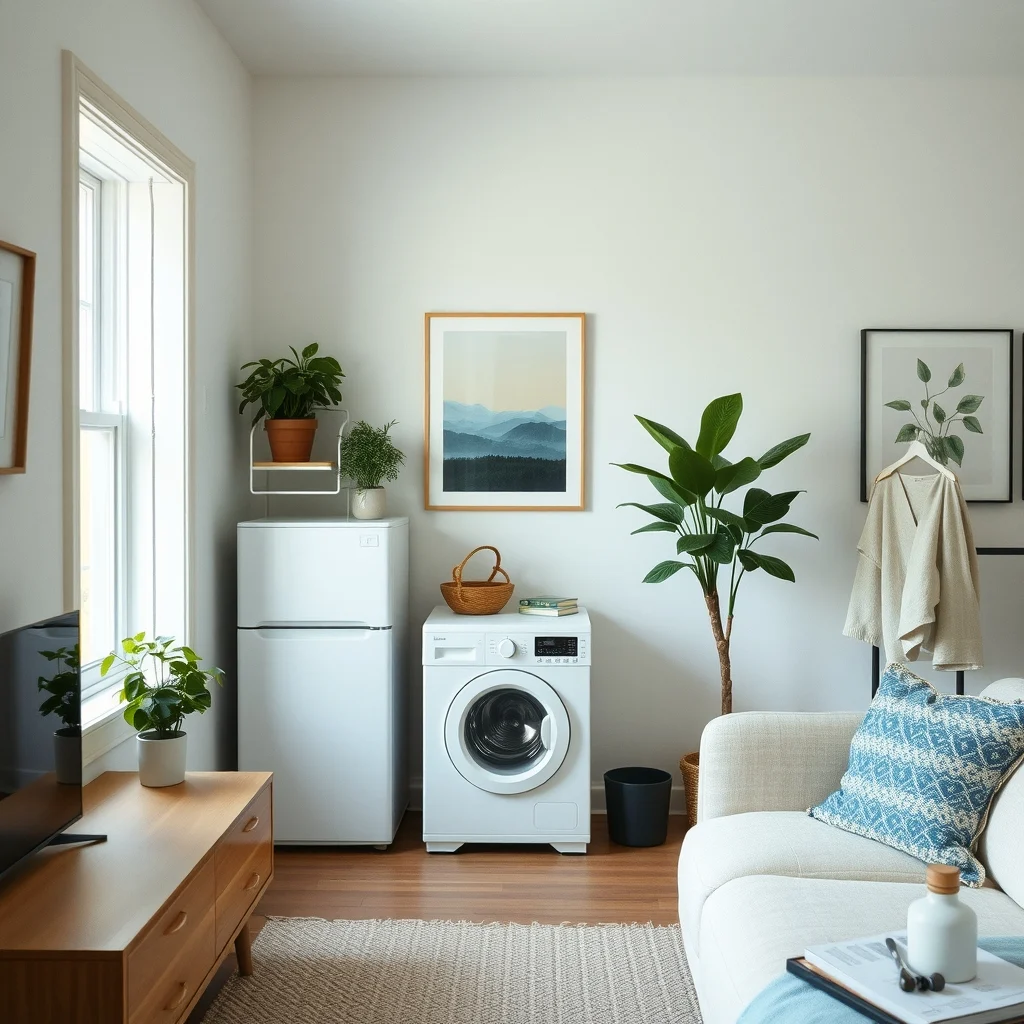
Living without a utility closet does not have to mean sacrificing order or style. By turning overlooked spaces—hallway niches, bathroom doors, and the area above appliances—into purposeful storage, you can keep cleaning supplies organized, accessible, and visually integrated with your décor. Each solution offers a balance of practicality and aesthetic appeal, allowing you to maintain a tidy home while respecting the limited square footage of apartment living. Choose the ideas that align with your layout and design preferences, and enjoy the calm that comes from a well‑organized living environment.