
When the floor of a bedroom is already covered with a rug, a dresser, or a pair of nightstands, the usual suggestion of “use the space under the bed” disappears. Yet the need for tidy, out‑of‑sight storage doesn’t vanish. In a room where every square foot is already claimed, clever solutions can appear in the walls, the ceiling, or even in plain sight without sacrificing style. Below are seven ideas that turn ordinary surfaces into discreet storage zones, each explained with the reasoning behind it, the steps to make it work, and the practical trade‑offs you might encounter.
1. Build a Slim Floating Shelf System Along the Upper Wall
© 2026 AI Illustrator — Inspiration Only
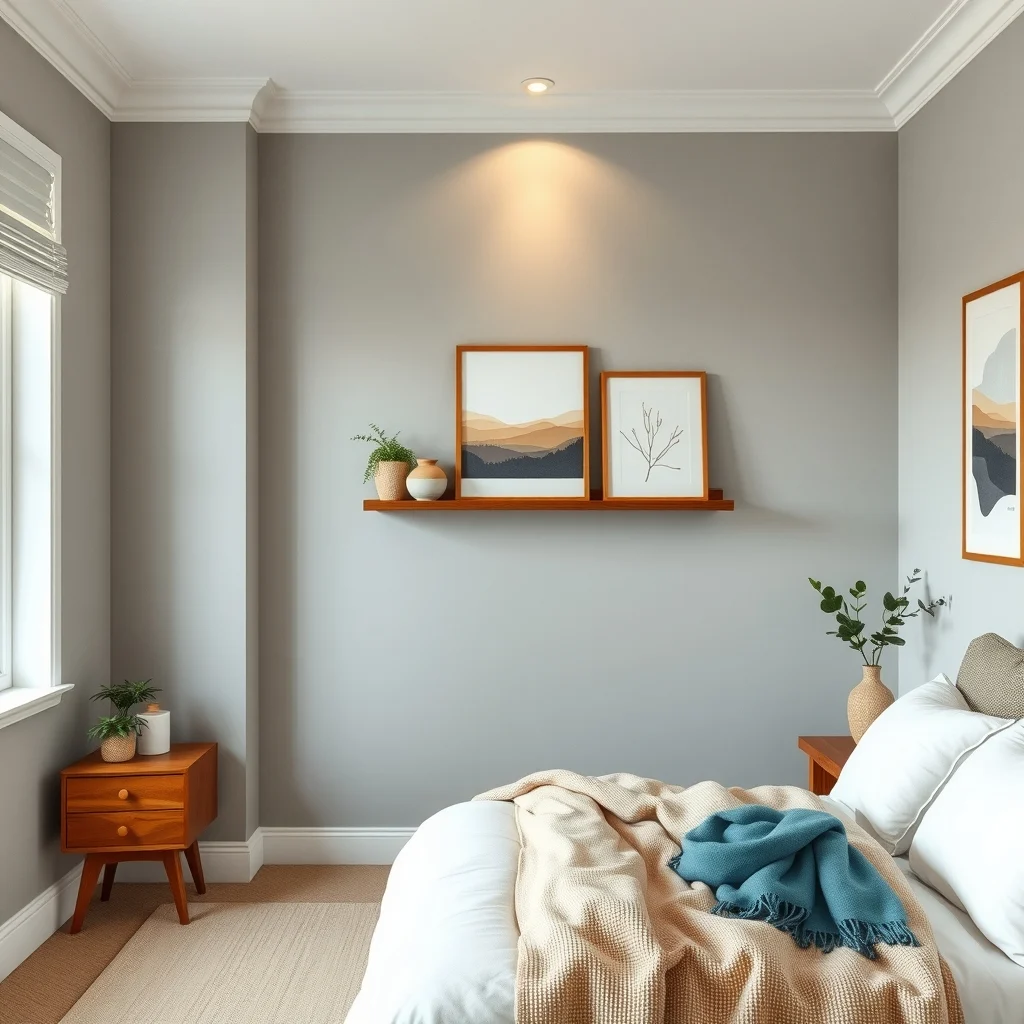
A narrow floating shelf, positioned just below the crown molding, offers a place to hide folded blankets, seasonal scarves, or a small stack of books. The shelf’s depth can be as little as three inches, keeping the visual line of the wall clean while providing a concealed nook. Choose a material that matches existing trim—painted pine, brushed walnut, or a matte white finish—to blend seamlessly with the room’s palette. Installing the brackets at a height that keeps the top of the shelf out of eye level prevents the area from feeling crowded. Because the shelf is high, it discourages clutter from gathering on it; instead, it serves as a purposeful hideaway for items you need occasionally. The main limitation is the need for sturdy wall anchors, especially in drywall; a stud finder and appropriate hardware are essential for safety.
What’s Your Apartment Decor Style?
Answer these quick questions to discover your perfect decor vibe.
2. Install a Pull‑Out Closet Organizer Between Existing Wardrobe Doors
© 2026 AI Illustrator — Inspiration Only
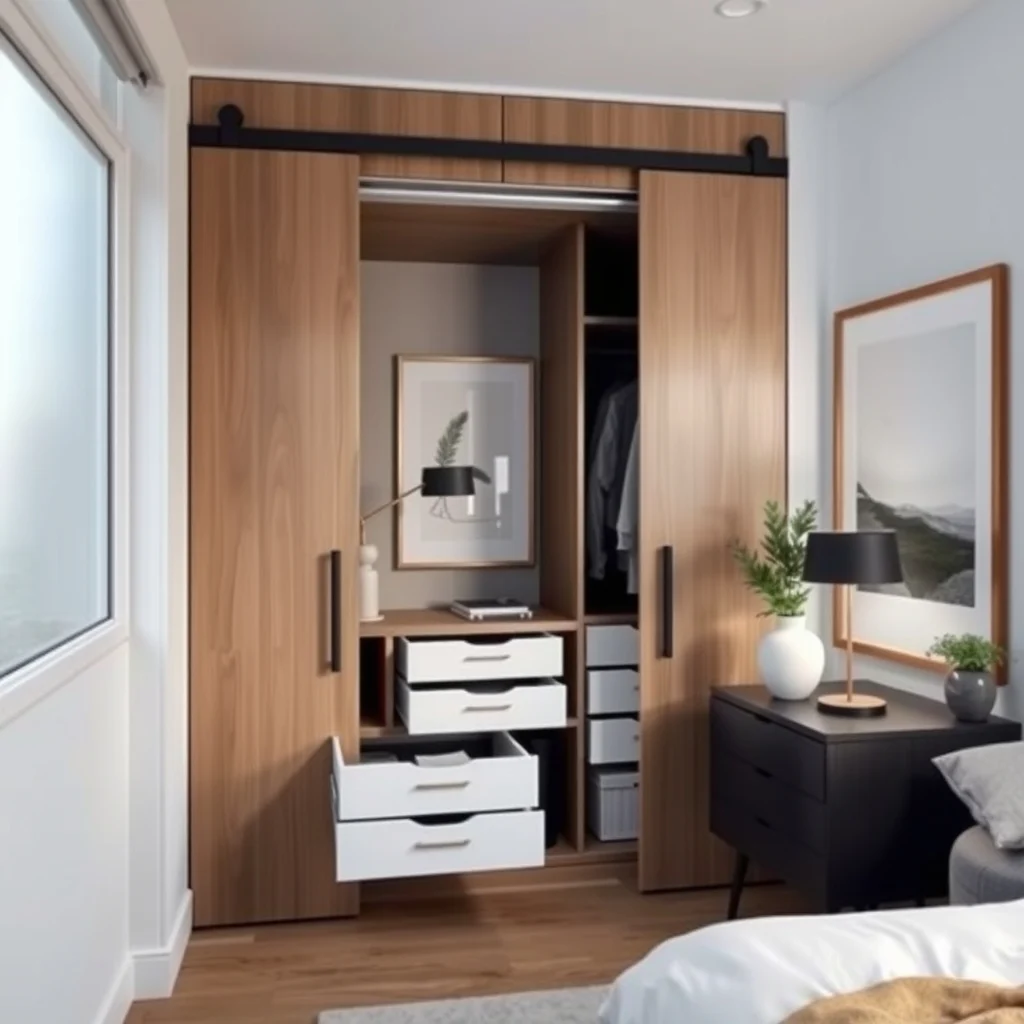
If a built‑in wardrobe occupies one wall, the gap between its sliding or hinged doors often goes unused. A custom pull‑out organizer—think a narrow set of drawers or cubbies on a rail system—can slide out from behind the doors, turning that dead space into a mini‑closet. The organizer can be finished in the same veneer as the wardrobe, making it virtually invisible when closed. Inside, you might place folded sweaters, jewelry boxes, or a stack of shoes on a slatted shelf that encourages airflow. The advantage of this idea is that it adds storage without expanding the room’s footprint. However, the mechanism requires careful measurement; a misfit could jam the doors or reduce the wardrobe’s swing clearance. If you’re not comfortable with the hardware, a carpenter can fabricate a ready‑to‑install kit.
Why this works
By using the interior surface of a door, you keep the storage hidden from the room’s primary sightlines. The pull‑out action also makes access easy, so you’re less likely to let items pile up elsewhere.
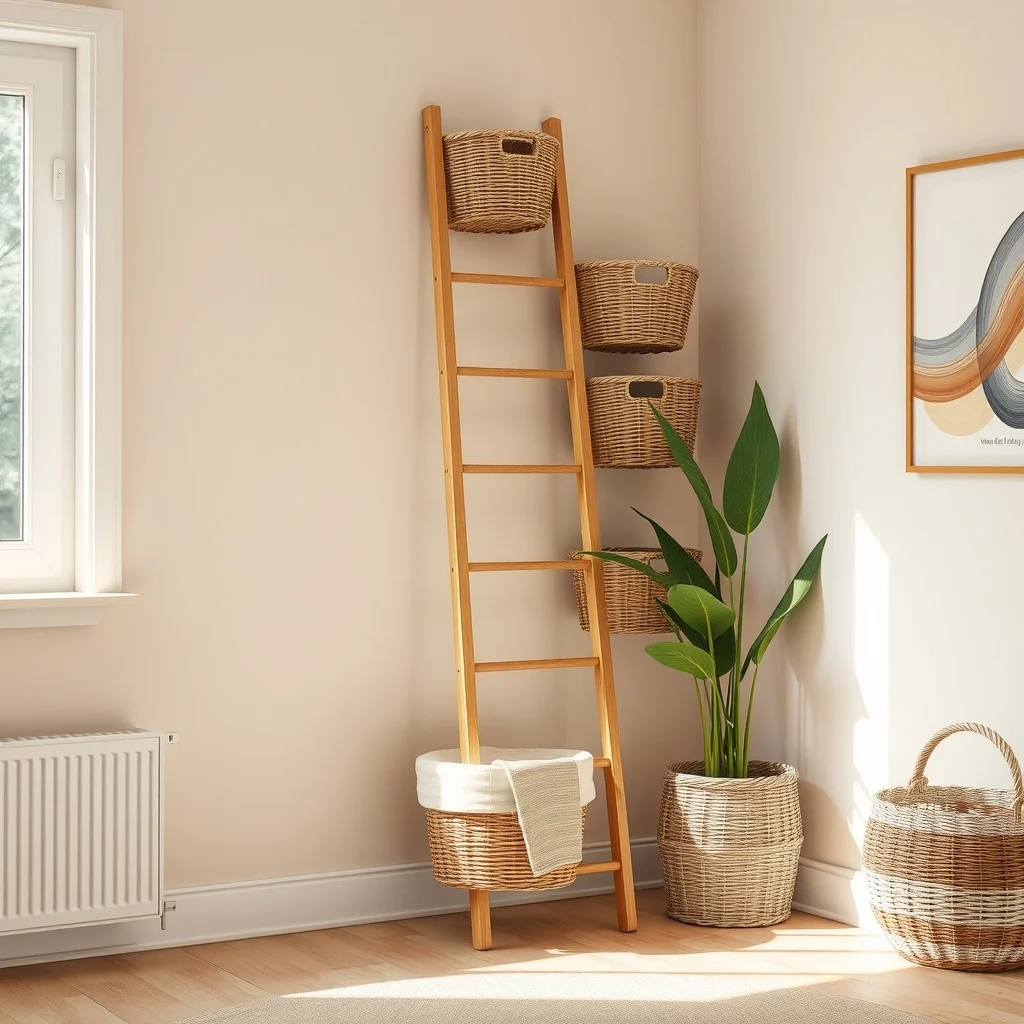
3. Hang a Decorative Ladder with Built‑In Baskets
© 2026 AI Illustrator — Inspiration Only
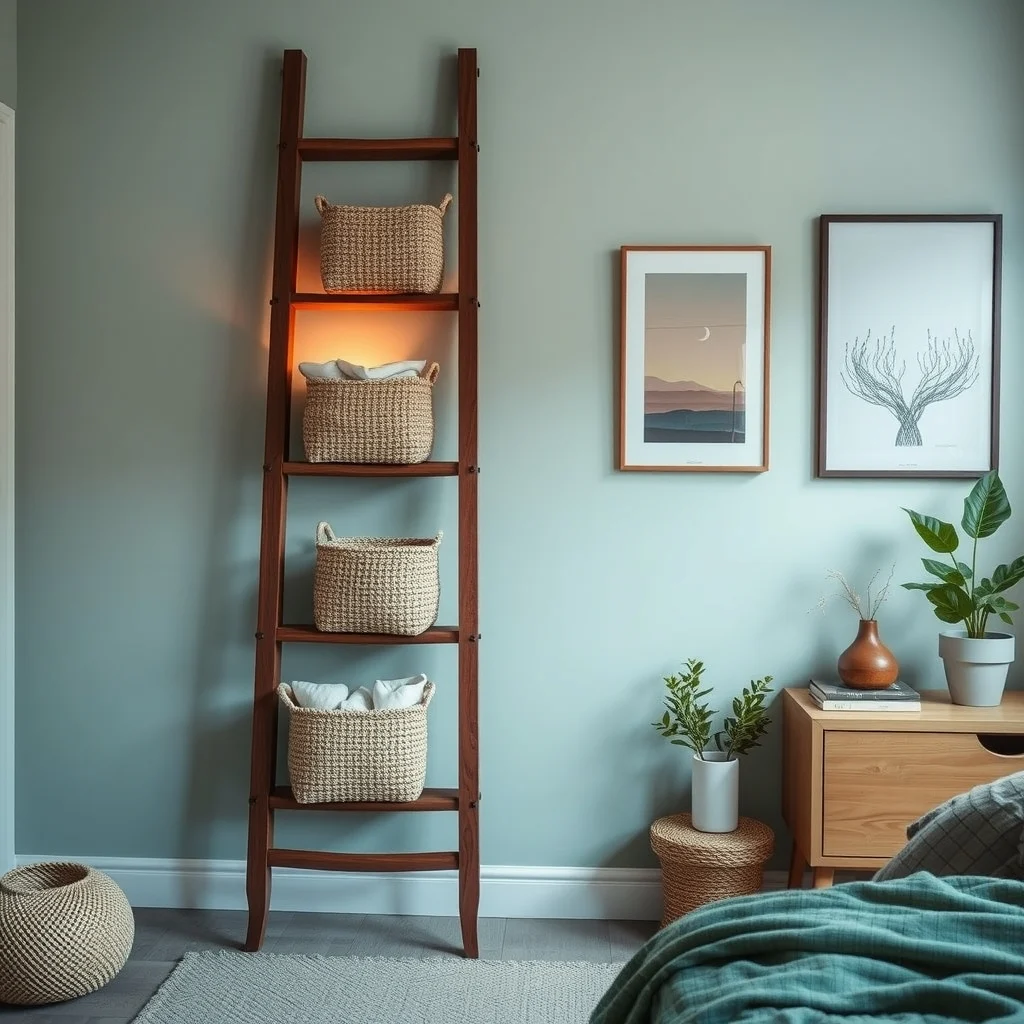
A lean‑to ladder made from reclaimed oak or painted metal can double as a stylish display and a storage solution. When you attach woven baskets or fabric bins to each rung, the ladder becomes a vertical pantry for items such as extra pillowcases, rolled blankets, or even a small collection of magazines. The ladder’s silhouette adds a rustic or industrial accent, depending on the finish, while the baskets keep everything out of reach of dust. Because the ladder leans against a wall rather than being freestanding, it occupies minimal floor space. The trade‑off is that the ladder must be positioned where it doesn’t block a doorway or impede traffic flow; a corner near a window often works best. Regularly checking the stability of the ladder’s footings ensures safety, especially if you store heavier items.
4. Use a Ceiling‑Mounted Pull‑Down Closet Rod
© 2026 AI Illustrator — Inspiration Only
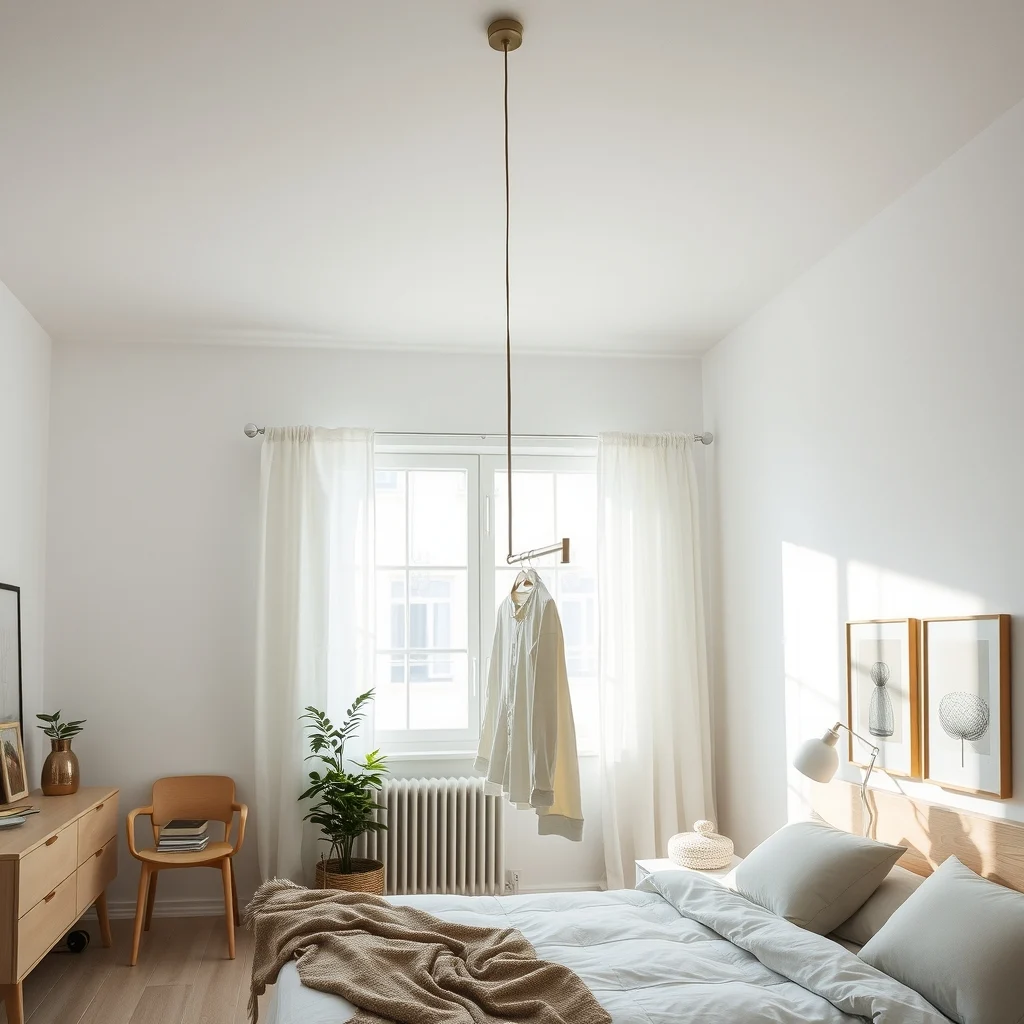
For rooms with high ceilings, a ceiling‑mounted rod that can be lowered with a simple cord offers an unexpected storage layer. When raised, the rod stays out of sight; when you need extra hanging space, you pull it down to a comfortable height. This solution is ideal for hanging dresses, long coats, or a row of scarves that would otherwise drape over furniture. The rod can be painted to match the ceiling or left in a brushed steel finish for a subtle industrial touch. Installing the rod requires locating joists and using sturdy brackets, so a drill and level are necessary tools. The main limitation is the need for sufficient ceiling height; in rooms with low ceilings, the rod may interfere with lighting fixtures or make the space feel cramped.
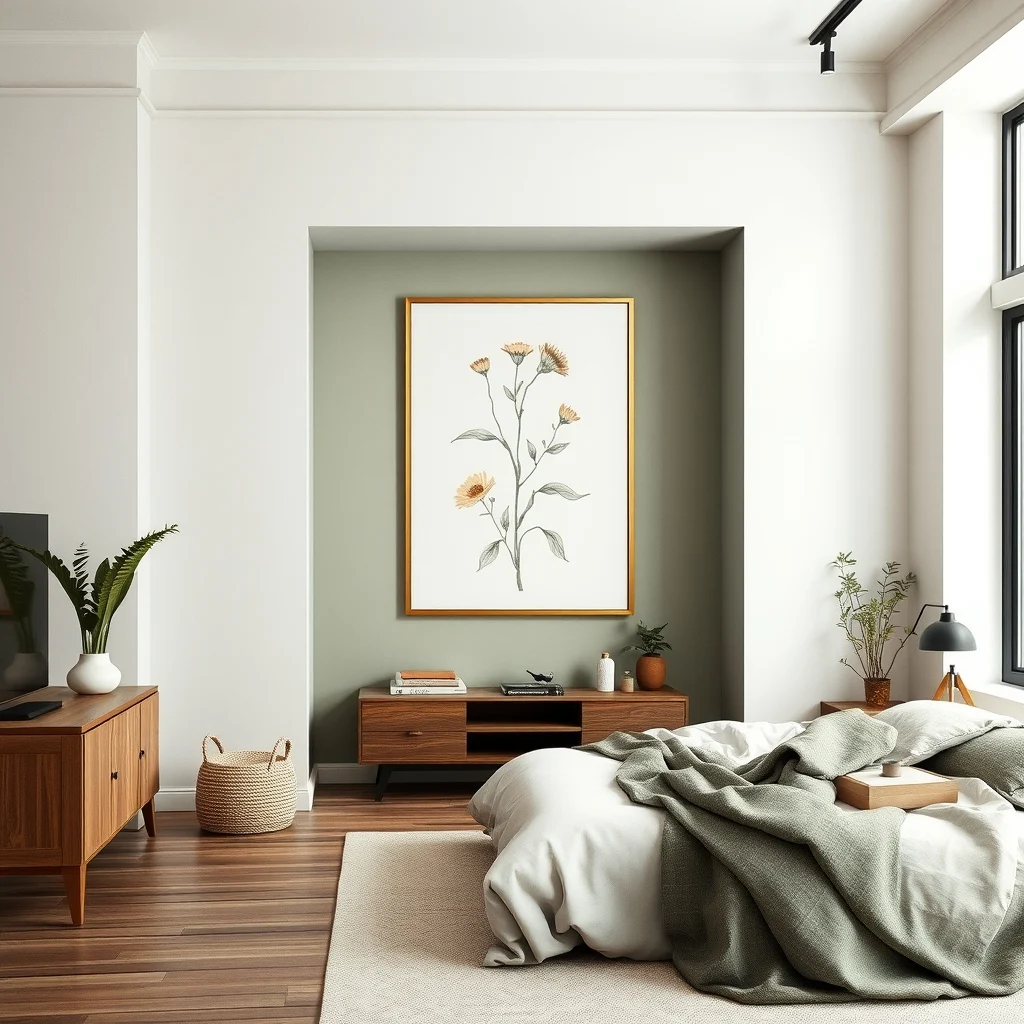
5. Create a Hidden Nook Behind a Large Artwork
© 2026 AI Illustrator — Inspiration Only
A sizable framed painting or canvas can serve as a hinged door to a shallow alcove. By mounting the artwork on a pivot hinge, you can open it to reveal a pocket that is only a few inches deep—perfect for storing flat items like linens, extra sheets, or seasonal decor. The frame’s color and style should echo other elements in the room, allowing the “door” to blend naturally with the wall. Adding a soft-close hinge prevents the piece from slamming, preserving both the artwork and the stored items. This idea works best when the wall behind the artwork is otherwise empty, avoiding visual clutter. The downside is that the hidden space is limited in depth, so it’s unsuitable for bulkier objects.
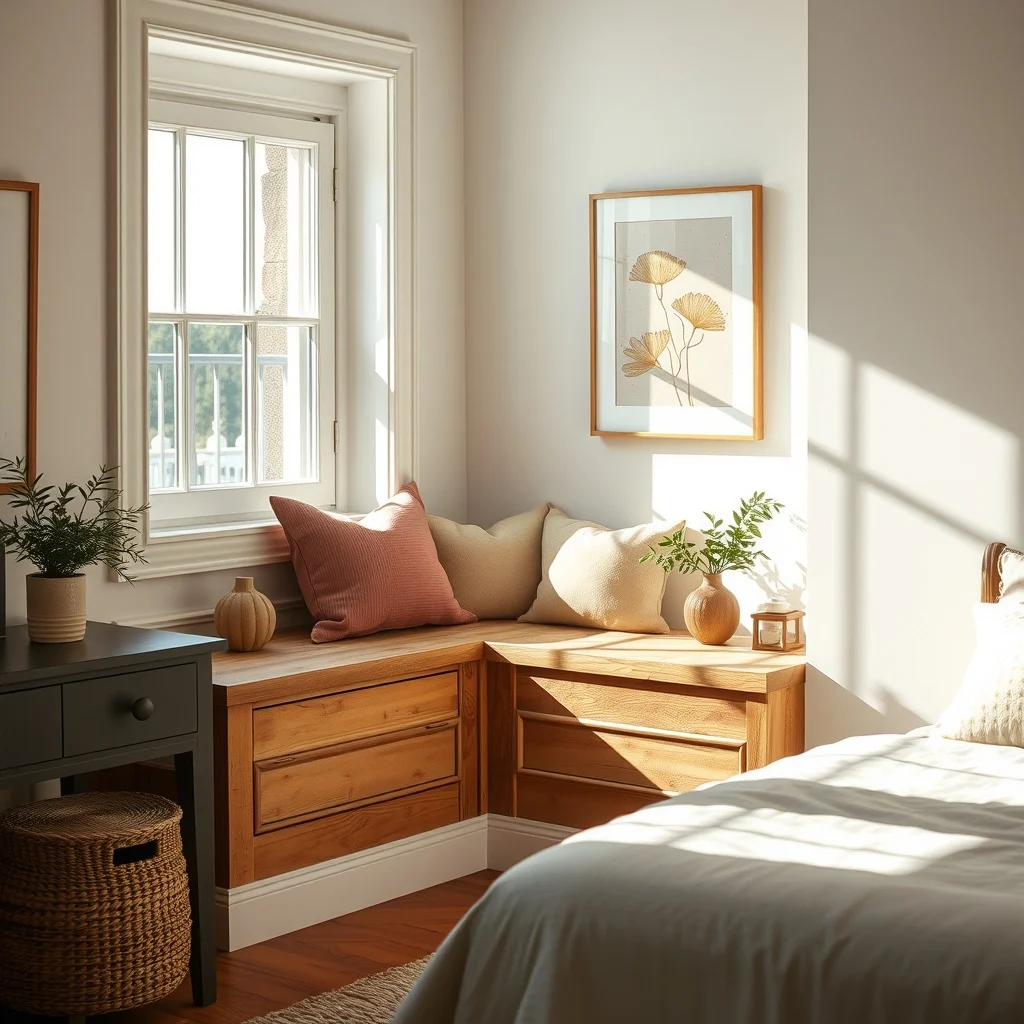
6. Incorporate a Built‑In Window Seat with Storage Lift
© 2026 AI Illustrator — Inspiration Only
If the bedroom includes a window that isn’t already occupied by a sill, consider constructing a low, cushioned window seat that lifts like a hatch. The seat’s cushion rests on a platform that can be raised to reveal a compartment beneath, where you can stash blankets, a small suitcase, or a stack of journals. Upholstering the seat in a fabric that matches your bedding—perhaps a soft dove‑gray linen—creates a cohesive look, while the lift mechanism can be a simple gas spring for smooth operation. Natural light streams over the seat, making it a pleasant reading nook that doubles as hidden storage. The primary consideration is ensuring the window’s opening mechanism remains accessible; the seat should not obstruct the crank or latch. Additionally, the lift adds a modest cost compared with a static bench, but the dual function often justifies the expense.
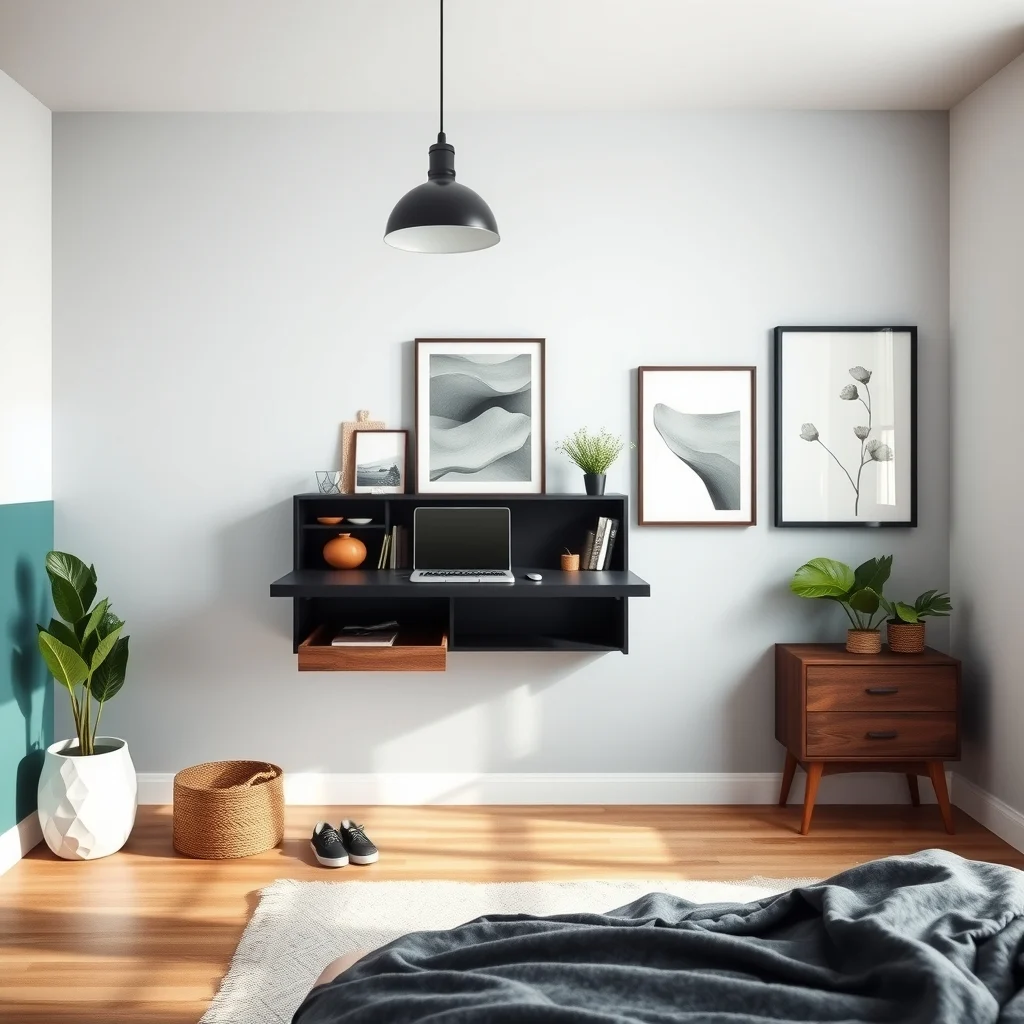
7. Add a Wall‑Mounted Folding Desk with Integrated Drawers
© 2026 AI Illustrator — Inspiration Only
A wall‑mounted desk that folds up when not in use can house a set of shallow drawers within its frame. When the desk is lowered, the drawers become accessible for pens, notebooks, or tech accessories; when folded, the entire unit disappears, leaving only a sleek panel that can serve as a decorative backdrop. Choose a finish that mirrors other wood tones in the room—such as a warm oak or a cool ash—to maintain visual harmony. The desk’s compact footprint means it can be placed opposite a nightstand, creating a balanced layout without crowding the floor. The main compromise is that the desk’s surface is limited in size, so it works best for light tasks like journaling or laptop use rather than heavy work. Proper anchoring to studs is essential to support both the desk and the drawer weight.
FAQ
© 2026 AI Illustrator — Inspiration Only
How can I hide storage without drilling into walls?
You can use freestanding furniture that incorporates hidden compartments, such as a decorative ladder with baskets or a portable storage ottoman. These pieces provide concealment without permanent modifications, making them ideal for renters.
What is the best material for floating shelves that need to hold weight?
Solid wood or engineered wood with a sturdy backing offers the most reliable support. If you prefer metal, choose a brushed steel shelf with reinforced brackets, but ensure the brackets are anchored to studs for safety.
Can I use a pull‑out organizer in a closet that has sliding doors?
Yes, a pull‑out organizer can be installed on the interior side of sliding doors, provided the tracks remain clear. Opt for a low‑profile unit that slides smoothly without catching on the door’s mechanism.
Is a ceiling‑mounted rod safe for heavy coats?
When properly installed into ceiling joists with heavy‑duty brackets, a ceiling‑mounted rod can support the weight of coats and dresses. Regularly inspect the hardware for any signs of wear, especially if you frequently lower and raise the rod.
How do I maintain a hidden storage nook behind artwork?
Keep the artwork’s hinge clean and lubricated with a small amount of silicone spray to ensure smooth opening. Store only flat, lightweight items to avoid putting pressure on the frame, which could cause warping over time.
Final Thoughts
© 2026 AI Illustrator — Inspiration Only
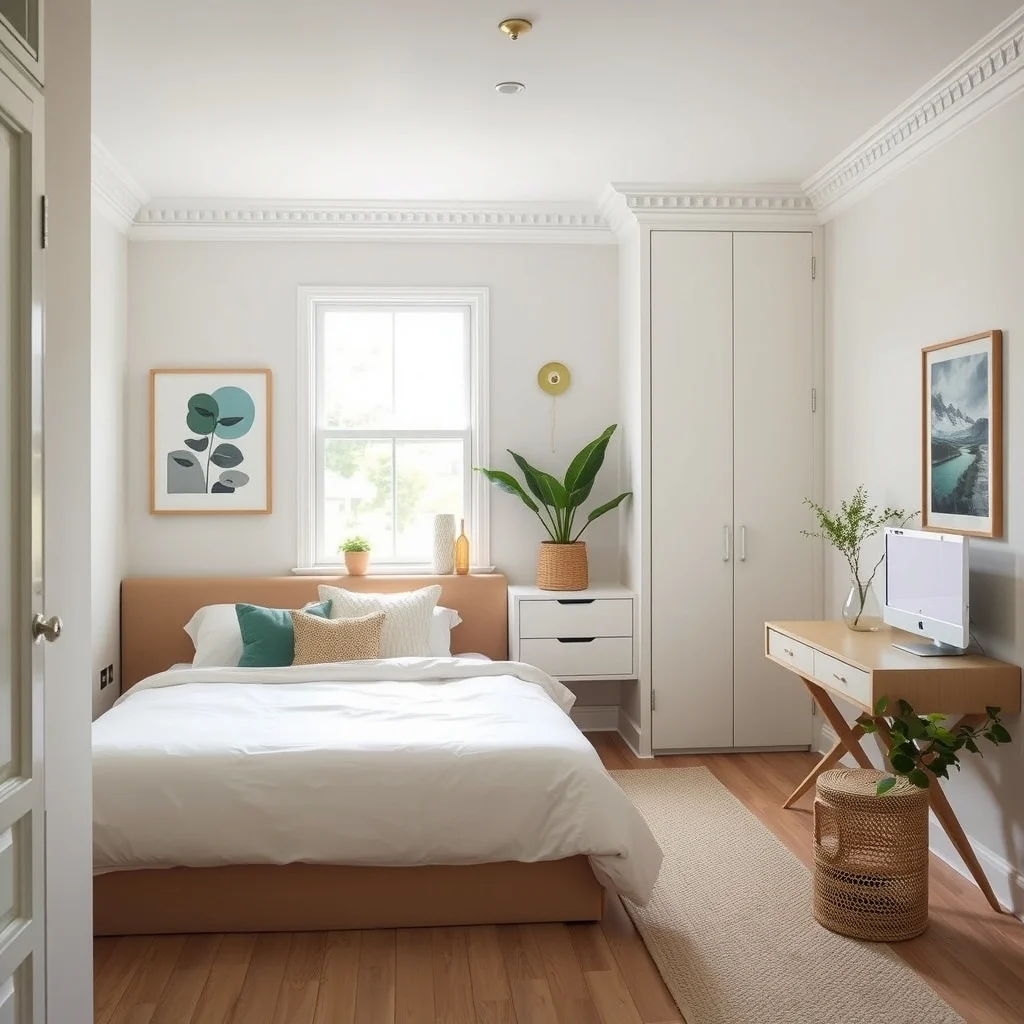
When a bedroom lacks the conventional under‑bed space, the walls, ceiling, and even decorative objects become the next frontier for hidden storage. By thinking vertically, using the interior surfaces of doors, and integrating storage into furniture that already belongs in the room, you can keep clutter out of sight while preserving a calm, organized aesthetic. Each of the seven ideas presented here balances practicality with style, and each comes with its own set of considerations. Choose the solutions that align with your room’s dimensions, your daily habits, and your design preferences, and you’ll discover that even the smallest bedroom can feel spacious and serene without sacrificing the storage you need.