
Living in a studio often feels like balancing a small stage where every prop competes for attention. The desire for comfort can quickly turn into a room packed with furniture, décor, and storage that leaves little breathing space. This guide walks you through seven ideas that let you nurture a warm atmosphere while keeping the floor clear enough for daily life. By focusing on layout, light, texture, and thoughtful storage, you’ll discover how a studio can feel both inviting and uncluttered.
1. Define Zones with Rugs and Furniture Placement
© 2026 AI Illustrator — Inspiration Only
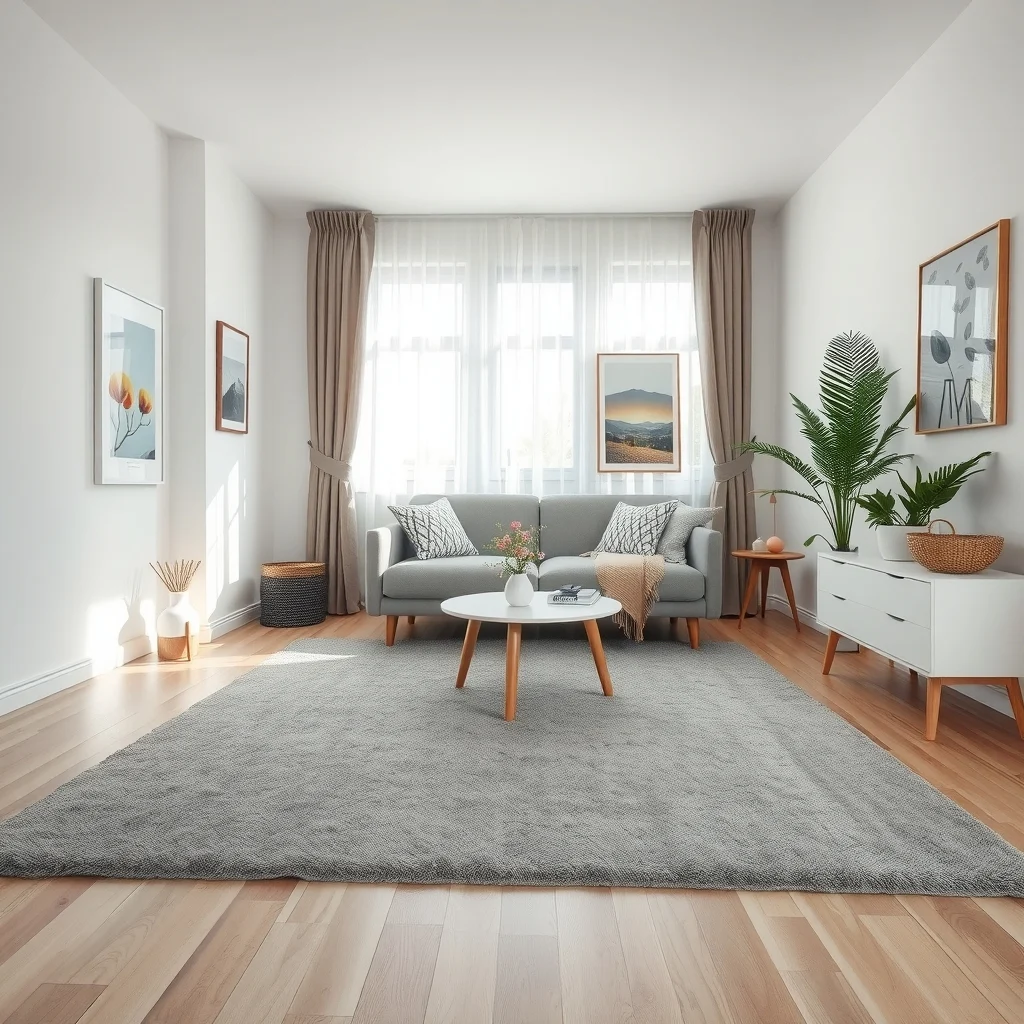
Even a single‑room layout benefits from visual separation, and a well‑chosen rug is the simplest tool for that purpose. Lay a medium‑sized, low‑pile rug under the seating area to signal a living zone, then place a narrower runner beside the bed to hint at a sleeping nook. The contrast in rug placement creates a mental map without erecting walls.
What’s Your Apartment Decor Style?
Answer these quick questions to discover your perfect decor vibe.
Furniture arrangement follows the same principle. Position a compact sofa or daybed so its back faces the entryway; this orientation opens the entry while still giving the seating area a defined edge. A small side table placed at the sofa’s arm provides a surface for a lamp and a cup of tea, reinforcing the zone’s purpose. When you need to reconfigure for a dinner party, the pieces can be shifted without disrupting the overall flow, preserving that sense of spaciousness.
2. Choose a Restrained Color Palette
© 2026 AI Illustrator — Inspiration Only
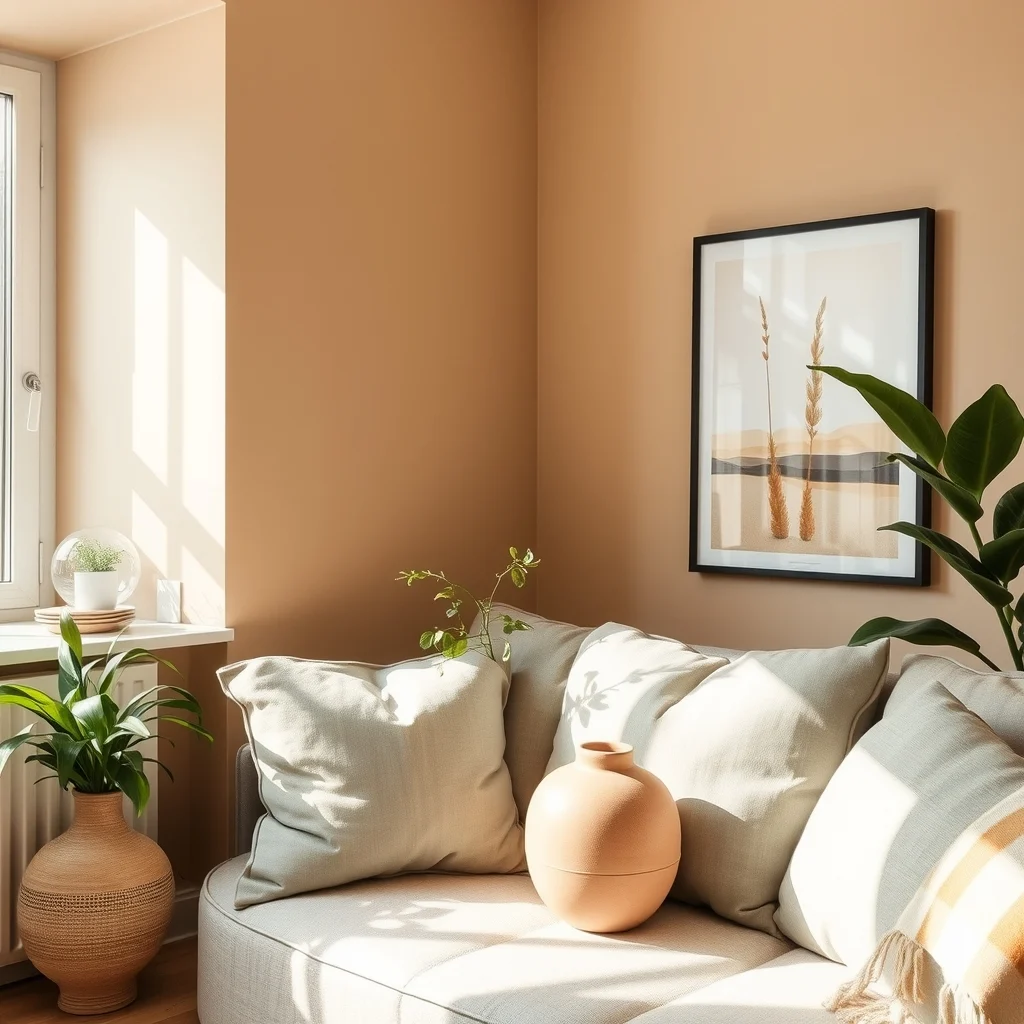
Color can either expand a room or make it feel cramped, depending on how it’s used. A palette that leans toward soft neutrals—think warm greige, muted sage, or pale terracotta—reflects natural light and lets the eye travel farther across the walls. Adding a single accent hue, such as a deep navy pillow or a brushed copper lamp, provides interest without overwhelming the space.
Applying the palette consistently across larger surfaces, like walls and the sofa, creates a cohesive backdrop. Smaller items—throw blankets, artwork, or kitchen accessories—carry the accent color, offering visual pops that feel intentional. If you love brighter shades, limit them to accessories that can be swapped out, ensuring the room retains its calm foundation.
3. Layer Lighting for an Intimate Atmosphere
© 2026 AI Illustrator — Inspiration Only
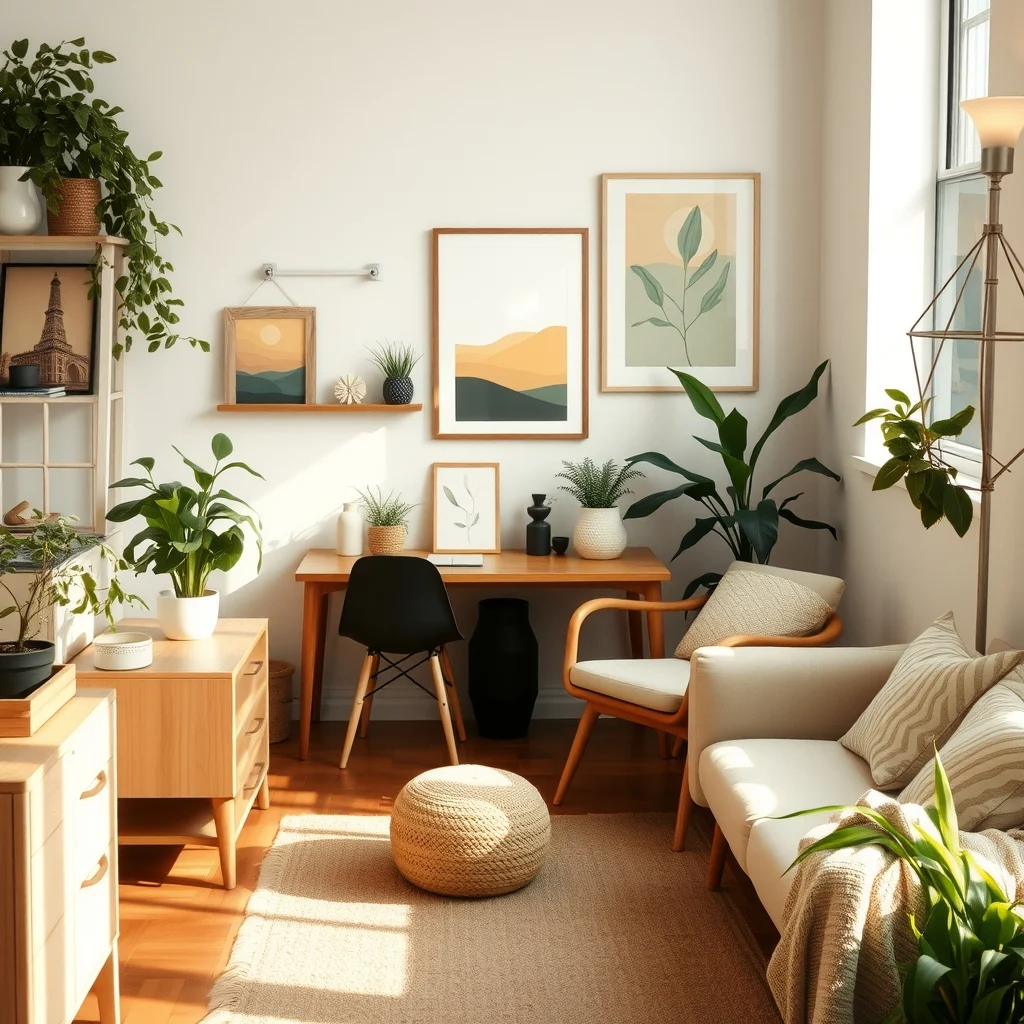
Studio lighting works best when it moves from general illumination to focused accents. Start with a modest ceiling fixture that spreads even light across the room, then add a floor lamp beside the seating area for a softer glow during evenings. A table lamp on the sideboard or a wall sconce above the bed supplies task lighting for reading or working without flooding the whole space.
These layers allow you to dim or switch off the overhead light while keeping a warm pocket of illumination where you need it. The result is a room that feels inviting after dark, yet still functional for cooking or studying. Choose bulbs with a warm color temperature—around 2700 K—to reinforce the cozy mood.
4. Invest in Multipurpose Furniture
© 2026 AI Illustrator — Inspiration Only
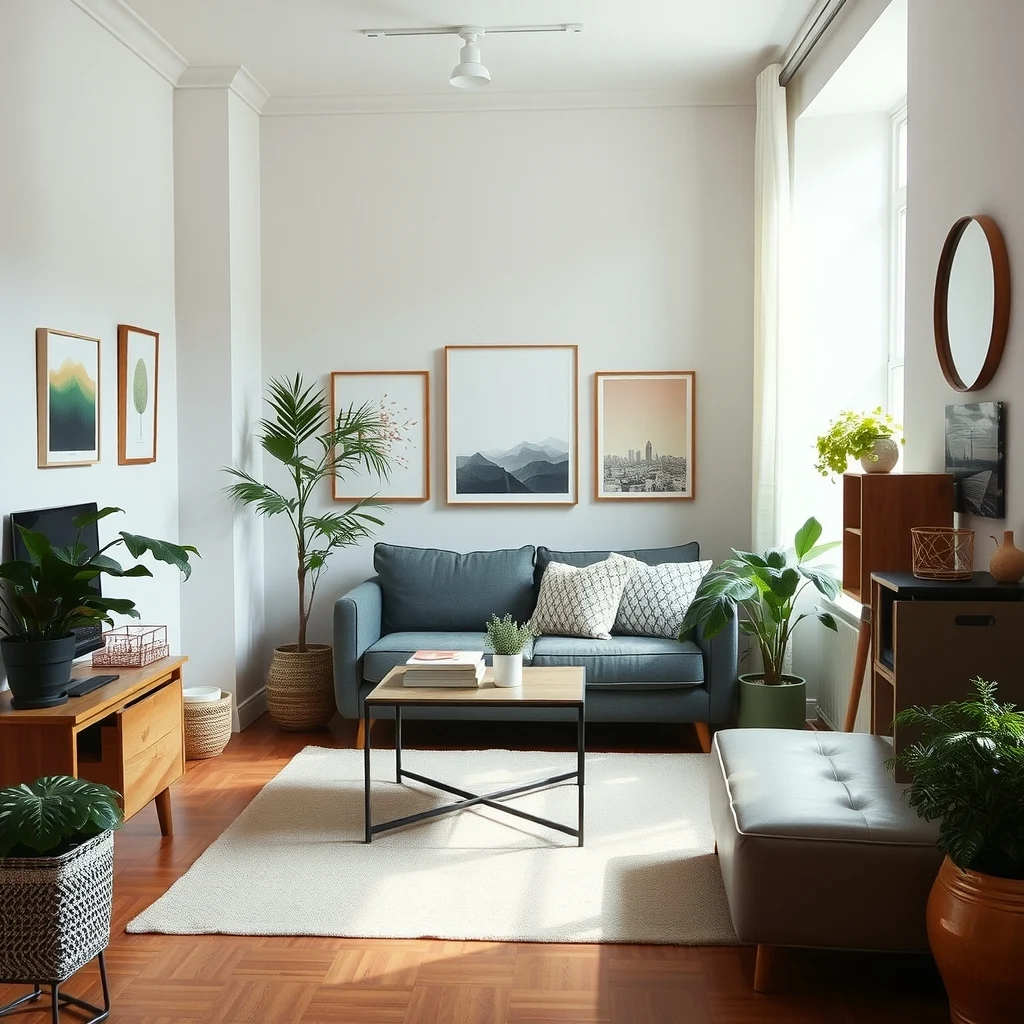
Every piece in a studio should earn multiple points of utility. A sofa that folds into a bed eliminates the need for a separate mattress, while a storage ottoman offers seating, a place to rest your feet, and hidden space for blankets. A wall‑mounted desk can be folded up when not in use, preserving floor area for other activities.
The trade‑off is that each item may not excel at a single function as a dedicated piece would. For example, a sofa bed might be less supportive than a traditional sofa, and a fold‑down desk could feel less sturdy than a free‑standing one. Weigh these compromises against the benefit of freeing up valuable square footage, and choose pieces whose secondary functions align with your daily routines.
5. Use Vertical Space for Storage and Display
© 2026 AI Illustrator — Inspiration Only
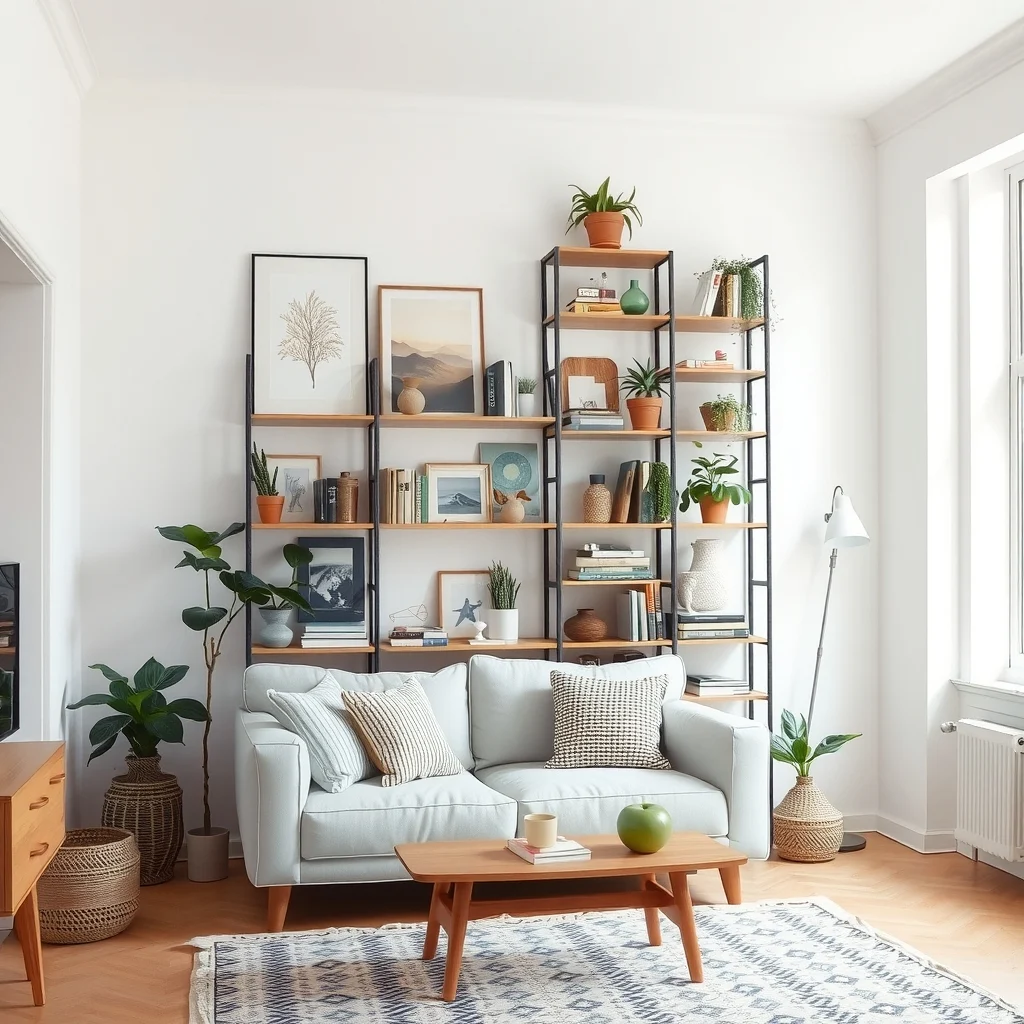
When floor space is at a premium, the walls become the next frontier. Tall, open shelving units draw the eye upward, creating an illusion of height while providing shelves for books, plants, and decorative objects. Hanging a series of narrow floating shelves above the kitchen area keeps spices and mugs within reach without crowding countertops.
Vertical storage also allows you to showcase art or photographs at eye level, turning blank walls into personal galleries. Be mindful of weight limits; heavier items belong on lower shelves, while lighter décor can perch higher. By distributing items vertically, you maintain clear floor space and add layers of visual interest.
6. Introduce Texture Through Textiles and Natural Materials
© 2026 AI Illustrator — Inspiration Only
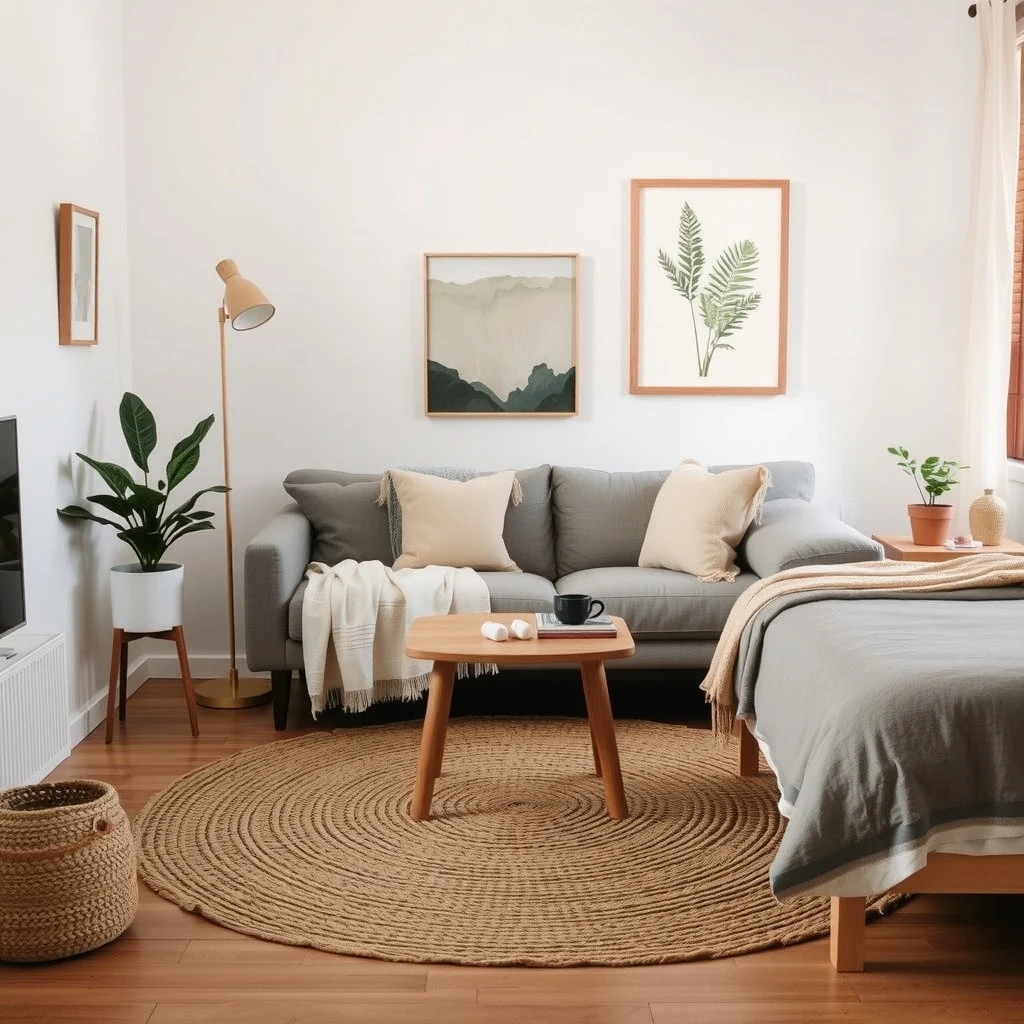
Texture adds depth without requiring additional objects. A linen throw draped over the sofa invites touch, while a woven jute rug under the bed supplies a tactile contrast to smoother surfaces. Incorporating natural wood—perhaps a reclaimed pine side table—or a brushed brass lamp base brings warmth that paint alone cannot achieve.
Mixing textures also helps balance a limited color scheme. The roughness of a chunky knit pillow against a sleek metal frame creates a subtle dialogue that feels curated rather than cluttered. Choose fabrics that are easy to clean, such as cotton blends, to keep maintenance manageable in a high‑traffic studio.
7. Keep Surfaces Clear with Strategic Storage Solutions
© 2026 AI Illustrator — Inspiration Only
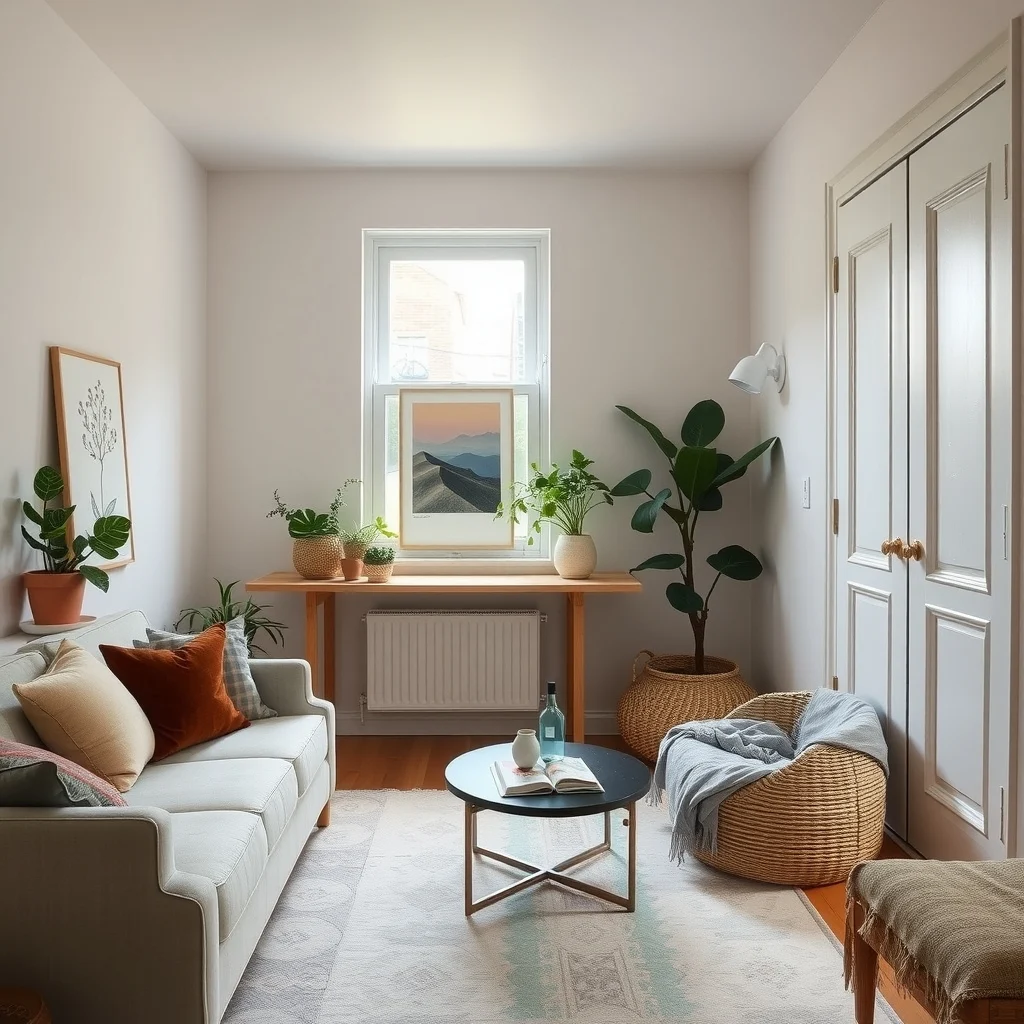
Clutter tends to accumulate on countertops, nightstands, and the back of doors. Installing a slim console beneath a window provides a dedicated spot for mail, keys, and daily essentials, keeping the floor free. Baskets woven from seagrass or canvas can slide under the bed, housing shoes or seasonal clothing without disrupting the visual line.
Built‑in closets or wardrobe units with sliding doors reduce the need for freestanding wardrobes that consume floor area. When you store items out of sight, the room feels calmer and more inviting. Remember to regularly assess what truly belongs in the studio; a habit of rotating seasonal décor helps maintain the uncluttered feel you’re aiming for.
FAQ
© 2026 AI Illustrator — Inspiration Only
How can I make a studio feel larger without adding more furniture?
Use light‑reflecting colors on walls and choose low‑profile furniture that sits close to the floor. Mirrors placed opposite windows bounce natural light, and keeping the floor mostly clear enhances the perception of space.
What lighting style creates a cozy vibe in a small room?
Layered lighting works best: combine a soft overhead fixture with a floor lamp and a table or wall lamp for task illumination. Warm‑toned bulbs keep the atmosphere inviting after sunset.
Can I incorporate bold colors without overwhelming a studio?
Yes, by limiting bold hues to accessories like cushions, artwork, or a single piece of furniture. The surrounding neutral base lets the bright element stand out without dominating the room.
What are good space‑saving furniture options for a studio?
Look for pieces that fold, stack, or double as storage—sofa beds, wall‑mounted desks, and ottomans with hidden compartments. These items provide function while keeping the floor clear.
How do I keep my studio organized when I have limited storage?
Prioritize vertical storage, use under‑bed containers, and choose furniture with built‑in drawers. Regularly declutter by removing items you no longer need, and store seasonal items out of sight.
Final Thoughts
© 2026 AI Illustrator — Inspiration Only
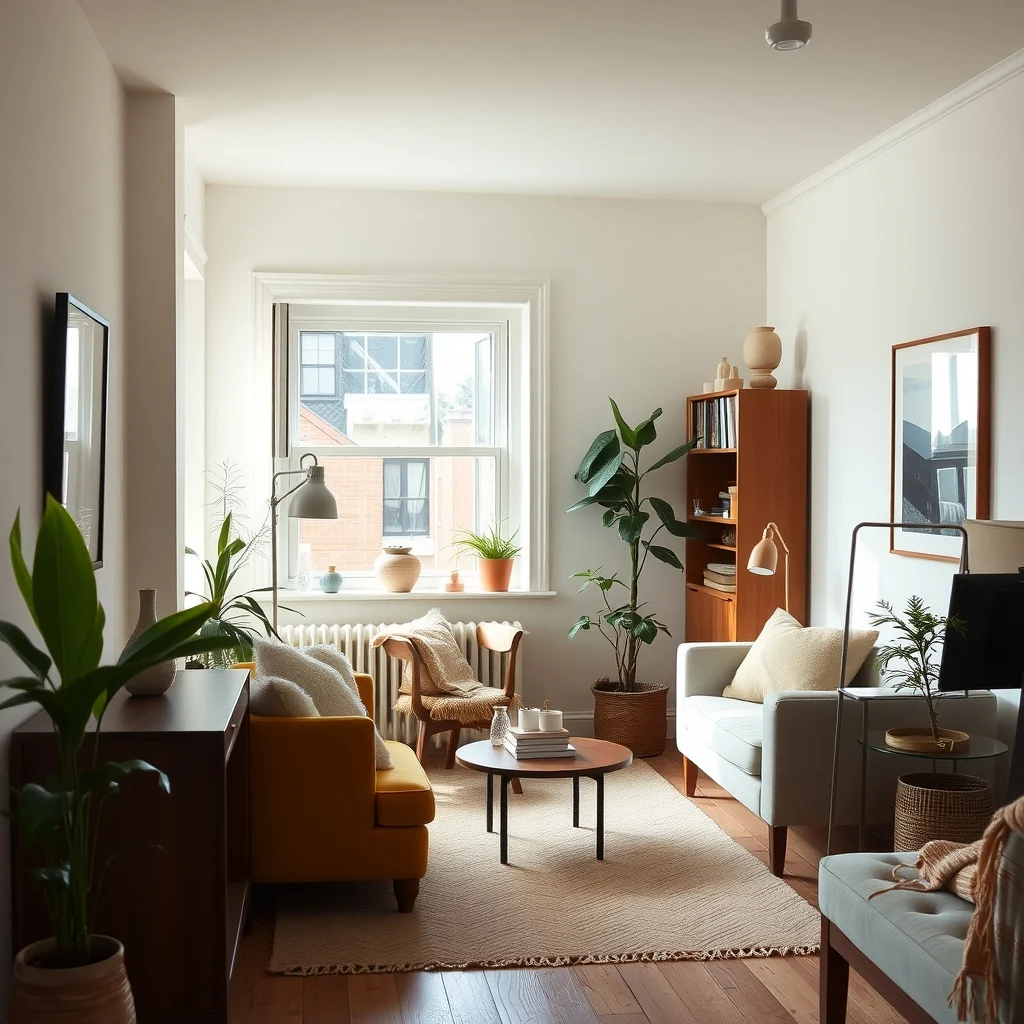
Creating a cozy studio is less about filling every inch and more about curating a few thoughtful elements that work together. By defining zones, controlling color, layering light, choosing versatile furniture, and embracing vertical storage, you can achieve a warm, welcoming space that feels larger than its square footage suggests. The key is to let each piece earn its place, keep surfaces clear, and let texture and light do the heavy lifting. With these strategies, your studio will become a comfortable retreat rather than a cramped box.