
Living in a compact apartment often feels like a puzzle, especially when a beloved sofa or a grand dining table doesn’t quite fit the floor plan. The challenge isn’t just about squeezing pieces into tight corners; it’s about preserving comfort, style, and a sense of openness while honoring the character of larger items. In this article you’ll discover seven design approaches that let oversized furniture coexist with limited square footage without overwhelming the space. Each solution blends practical layout tricks, material choices, and lighting ideas so you can keep the pieces you love and still enjoy a room that breathes.
1. Anchor the Piece with a Defined Zone
© 2026 AI Illustrator — Inspiration Only
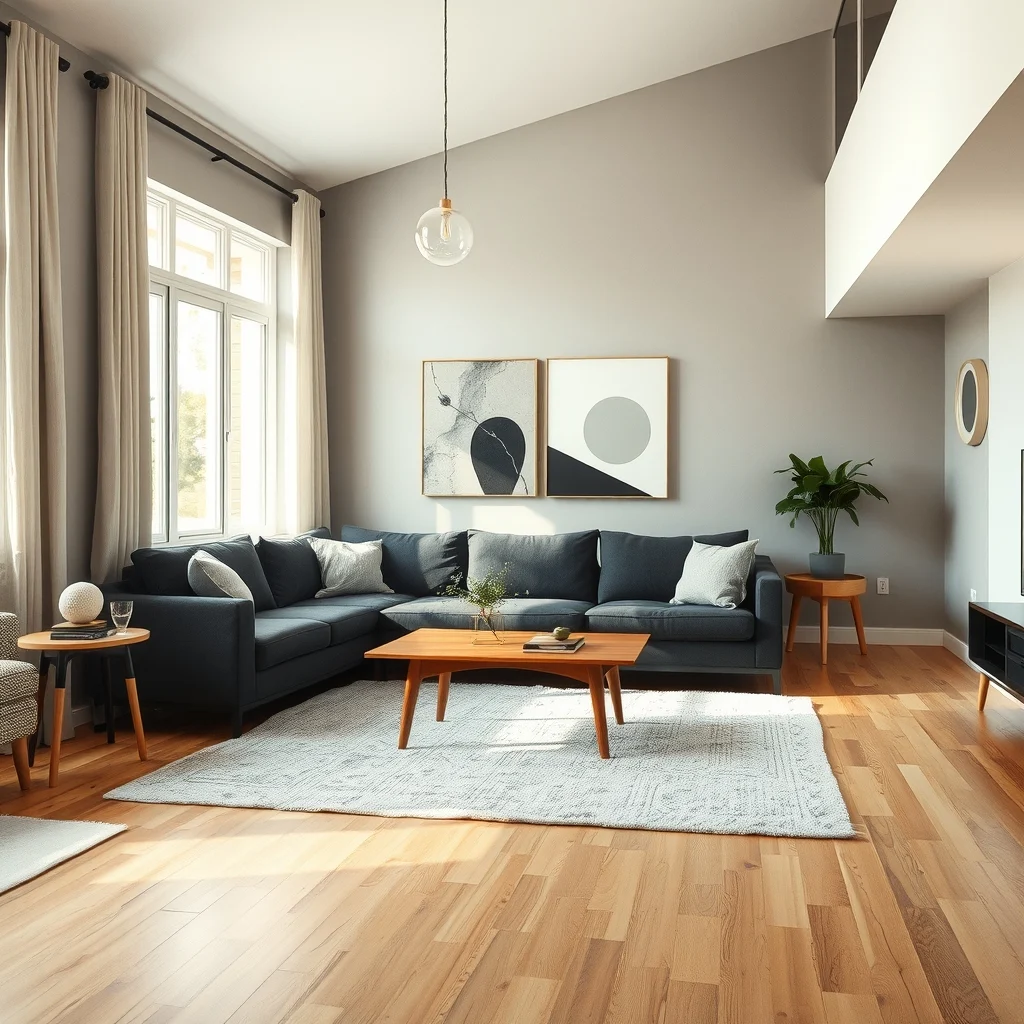
When a couch stretches across most of a living‑room wall, treating it as the room’s anchor can prevent it from feeling chaotic. Start by establishing a clear visual boundary—use a rug that extends a foot beyond the furniture’s edges, or paint a subtle accent wall behind it. This deliberate framing tells the eye where the seating area begins and ends, reducing the perception that the sofa dominates the entire floor. Pair the rug with a low console or a narrow side table that aligns with the couch’s height; the added surface creates a horizontal line that balances the mass. The result is a cohesive zone that feels intentional rather than cramped.
What’s Your Apartment Decor Style?
Answer these quick questions to discover your perfect decor vibe.
2. Create Negative Space with Wall‑Mounted Options
© 2026 AI Illustrator — Inspiration Only
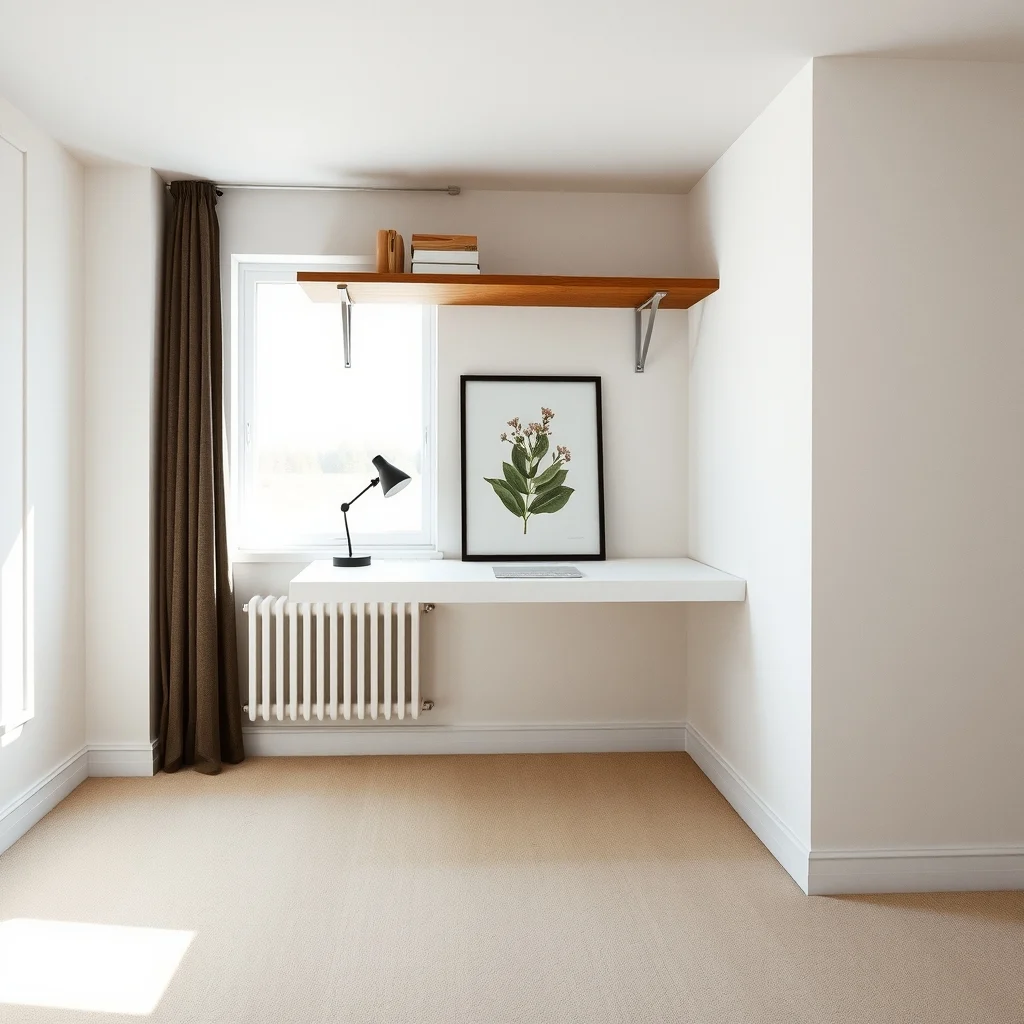
Floating a large piece off the floor can dramatically open up a room. Wall‑mounted desks, fold‑down dining tables, or a suspended shelving unit lift the visual weight upward, freeing the ground for movement. Choose a sturdy bracket system that supports the item’s weight while keeping the mounting hardware discreet. When the piece is positioned near a window, natural light will filter beneath it, emphasizing the airy gap below. This strategy works best when the wall has enough structural capacity and the ceiling height is generous enough to maintain comfortable headroom.
3. Soften Mass with Transparent or Reflective Materials
© 2026 AI Illustrator — Inspiration Only
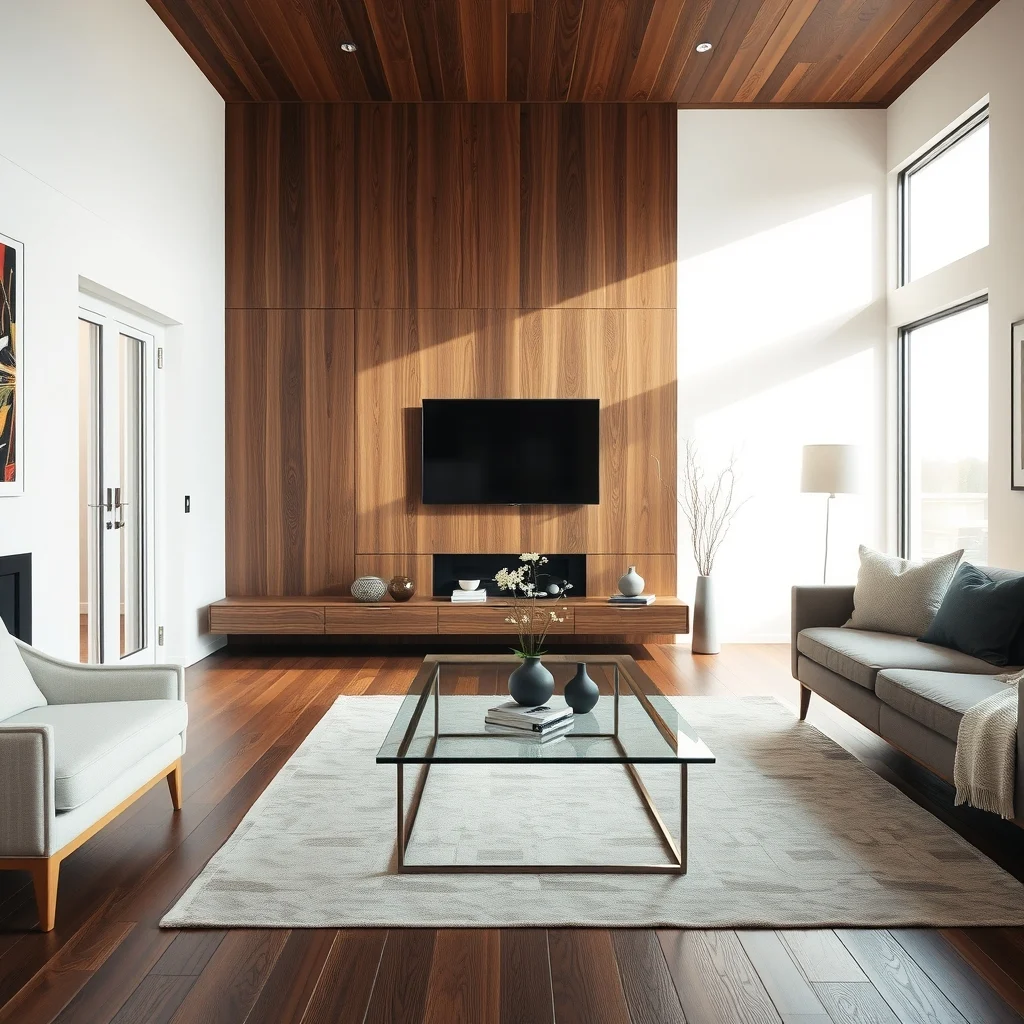
Materials that let light pass or reflect it can make a bulky item feel lighter. A glass coffee table placed in front of a solid wood entertainment center, for example, breaks up the visual block without adding visual clutter. Similarly, acrylic side chairs or a clear acrylic console allow the surrounding décor to remain visible, preserving sightlines across the room. The key is to balance transparency with durability; tempered glass or high‑grade acrylic resists scratches and can handle everyday use while still providing the airy effect you need.
4. Choose Multi‑Functional Furniture to Reduce Footprint
© 2026 AI Illustrator — Inspiration Only
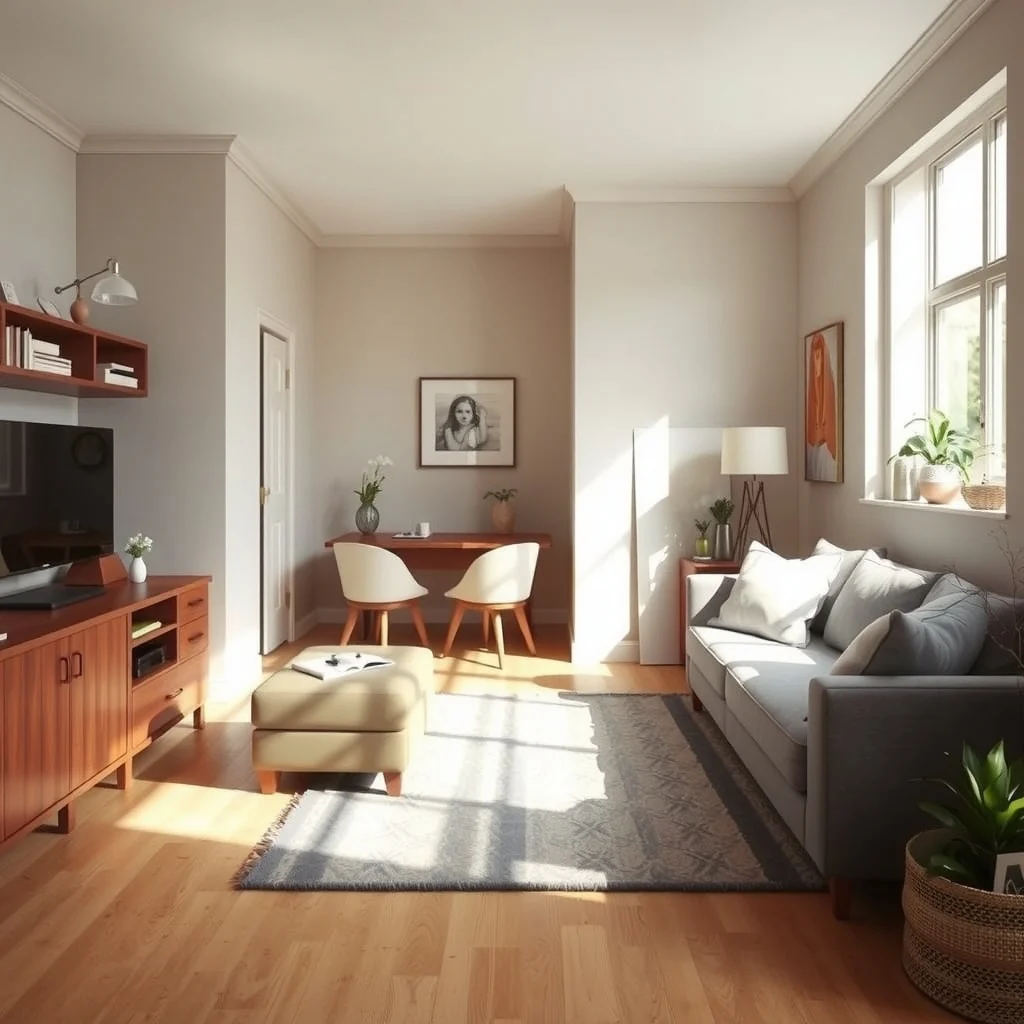
When space is at a premium, each piece should earn more than one role. A deep sofa with a pull‑out bed, a dining table that doubles as a work desk, or an ottoman that offers hidden storage all serve dual purposes. Look for designs that incorporate clean lines and sturdy hardware so the transformation feels seamless. By consolidating functions, you free up floor area for circulation and can often place the oversized item in a more advantageous spot without sacrificing its primary use.
5. Position Near Architectural Features for Visual Balance
© 2026 AI Illustrator — Inspiration Only
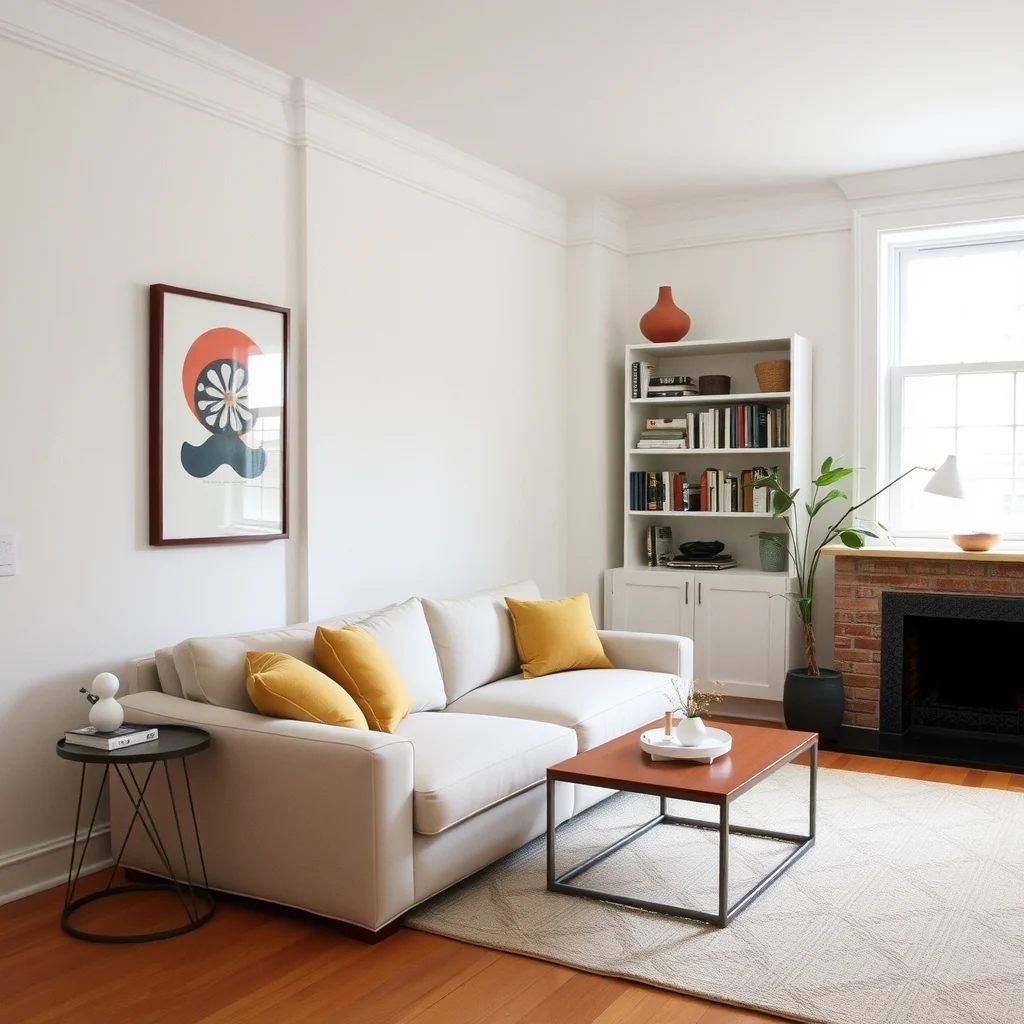
Placing a large furniture item next to a built‑in element—such as a bookshelf, a window frame, or a fireplace—creates a natural counterbalance. The vertical lines of a bookshelf, for instance, draw the eye upward, offsetting the horizontal spread of a wide sofa. Align the back of the oversized piece with the edge of the architectural feature to create a clean, anchored look. This alignment not only grounds the furniture but also integrates it into the room’s existing structure, making the space feel more intentional.
6. Layer Lighting to Diminish Visual Weight
© 2026 AI Illustrator — Inspiration Only
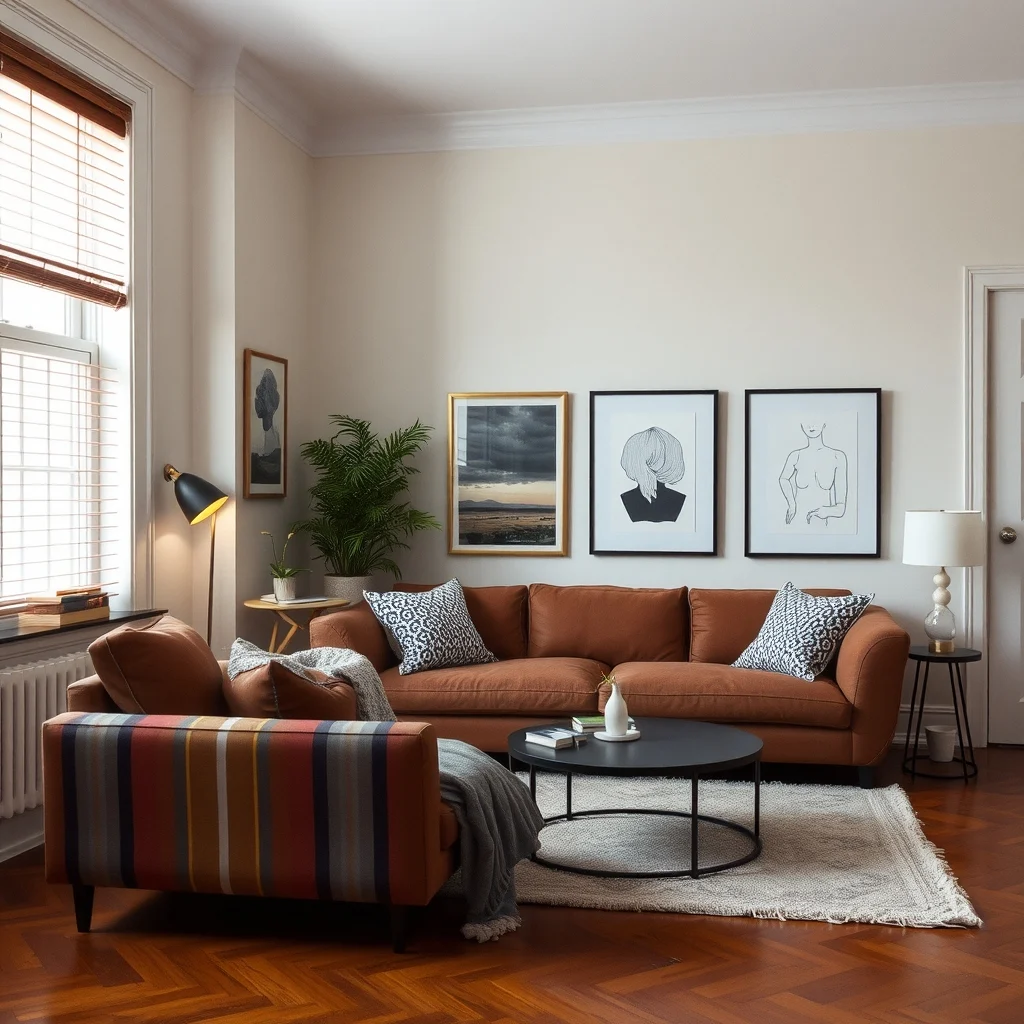
Strategic lighting can soften the presence of a massive item and prevent it from feeling oppressive. Combine ambient overhead lighting with a floor lamp placed near the furniture’s corner, and add a table lamp on a side table for a warm, localized glow. The layered effect creates depth, allowing the eye to move through different light zones rather than focusing solely on the bulk of the piece. Choose fixtures with matte finishes or soft fabrics to avoid harsh reflections that could accentuate the size.
7. Balance Proportions with Complementary Accessories
© 2026 AI Illustrator — Inspiration Only
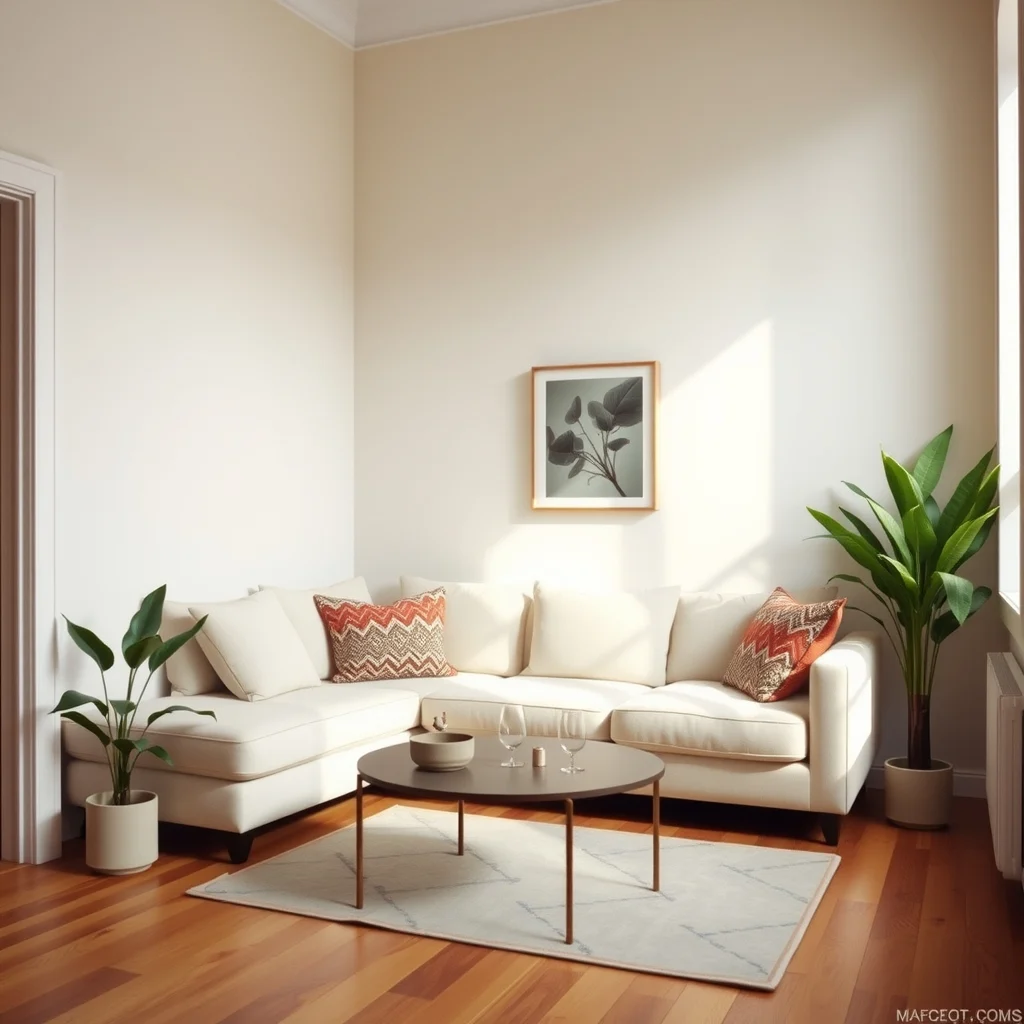
Accessories that echo the scale of the oversized furniture can bring harmony to the room. A set of tall, slender floor plants placed on either side of a large sofa introduces vertical lines that counterbalance its width. Similarly, a series of narrow wall art pieces arranged in a grid can break up a broad wall behind a big dining table, preventing a monolithic feel. The goal is to introduce elements that neither compete with nor overwhelm the main piece, but rather create a dialogue of proportion throughout the space.
FAQ
© 2026 AI Illustrator — Inspiration Only
How can I make a big couch feel less cramped in a studio?
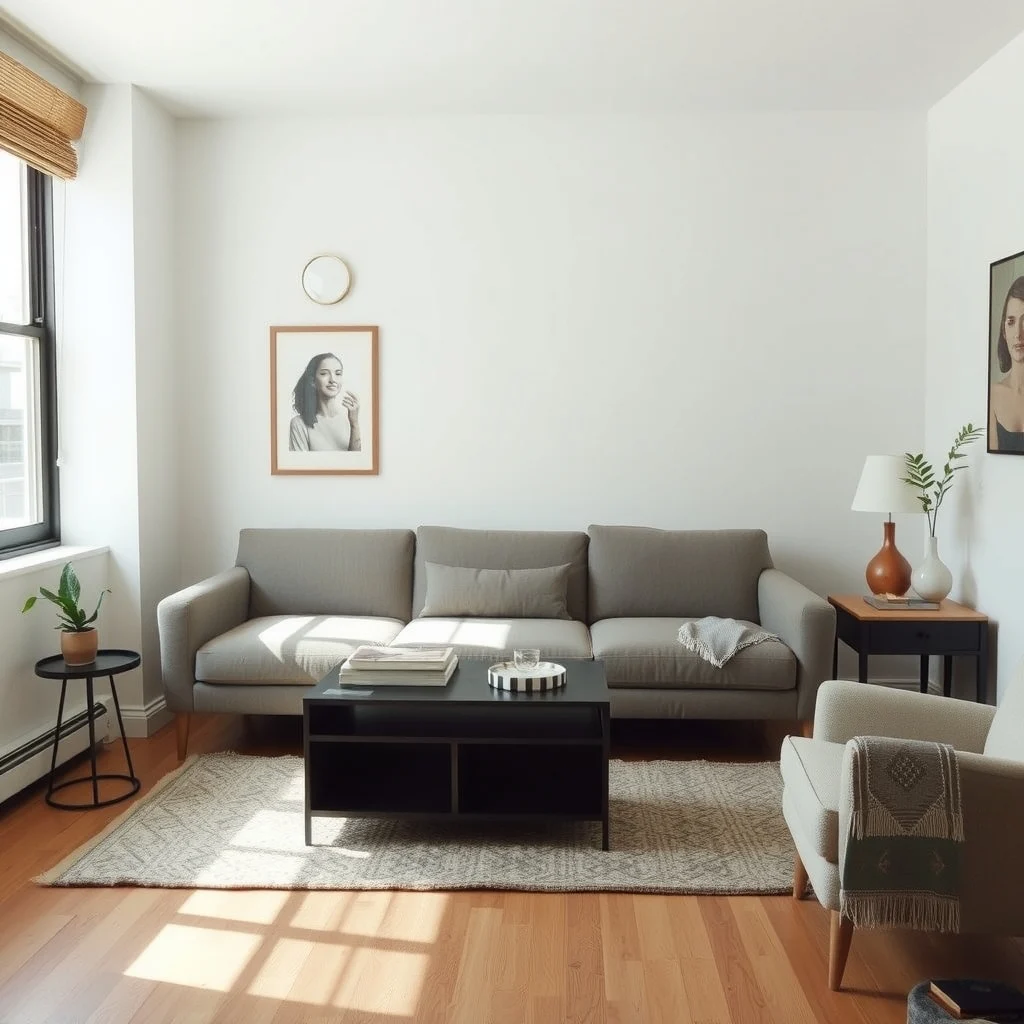
Place a rug that extends beyond the couch’s footprint and add a low console or side table to define a seating zone. This framing creates a visual boundary that separates the couch from the rest of the studio, making the area feel more organized.
Is it safe to wall‑mount a dining table in a small apartment?
Yes, as long as the wall can support the load and you use proper brackets designed for the table’s weight. Consult a professional if you’re unsure about the wall’s structural capacity.
What type of lighting works best with oversized furniture?
Layered lighting—combining ceiling fixtures, floor lamps, and table lamps—softens the visual weight of large pieces. Warm, diffused light from matte‑finished fixtures prevents harsh reflections that could emphasize size.
Can transparent furniture really make a room feel bigger?
Transparent pieces, such as glass tables or acrylic chairs, let sightlines remain uninterrupted, which creates an impression of openness. They work best when paired with sturdy, easy‑to‑clean materials that can handle daily use.
Should I avoid bold colors on large furniture in a tiny space?
Bold colors are not off‑limits, but they should be balanced with neutral walls and lighter accessories. A deep hue on a large sofa can anchor a room, while surrounding elements in softer tones prevent the space from feeling heavy.
Final Thoughts
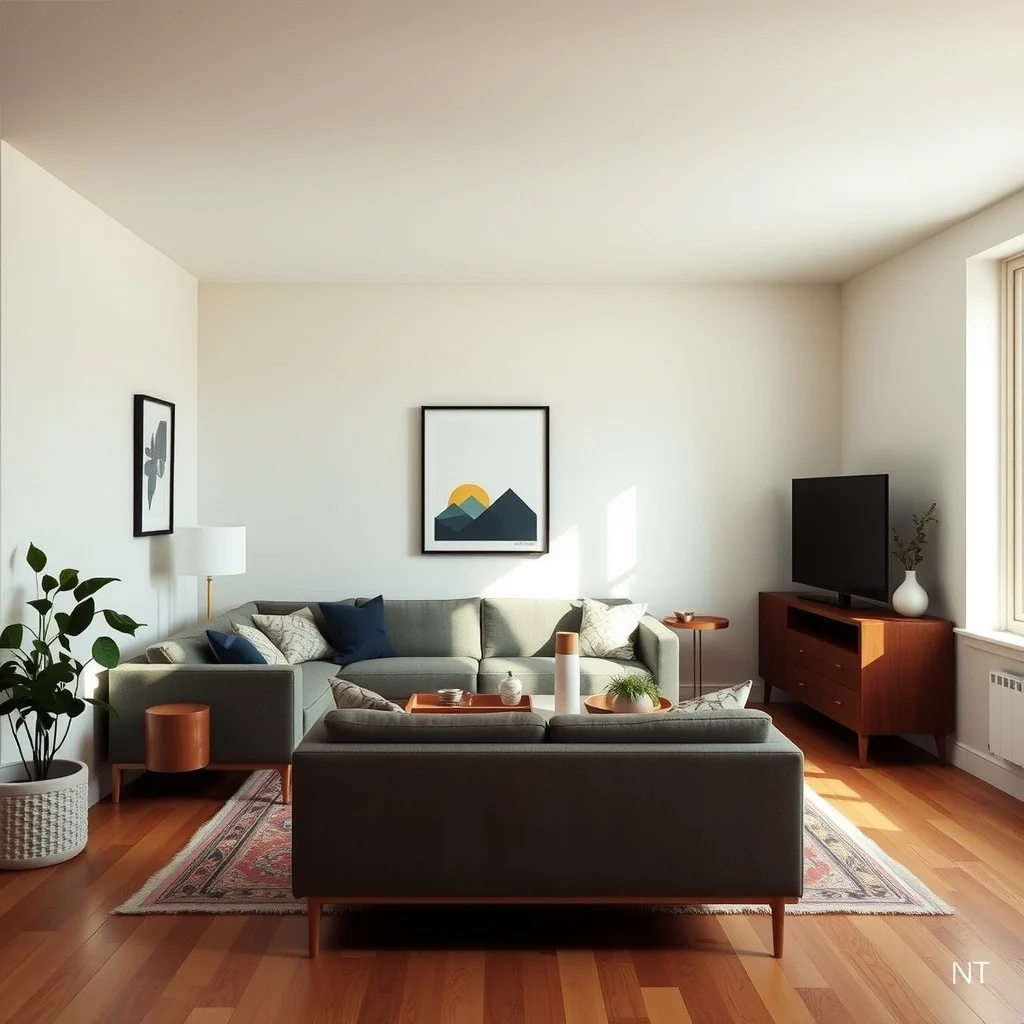
© 2026 AI Illustrator — Inspiration Only
Living with oversized furniture in a small apartment is less about sacrificing pieces and more about rethinking how they interact with the surrounding environment. By defining zones, leveraging wall space, choosing transparent materials, and integrating multi‑functional designs, you can keep the items you love without compromising on comfort or style. Thoughtful lighting and well‑placed accessories further soften the visual impact, turning a potential drawback into an opportunity for creative expression. With these strategies, your apartment can feel both spacious and personally curated, no matter how generous your furniture choices may be.