
Advertisement
Let’s talk numbers—and style. If you’ve got a small apartment and a big Pinterest board, you’re probably wondering what it’ll actually cost to make it look like the mood board in your head. Good news: with smart choices (and a little patience), you can get a chic, comfy setup without draining your life savings.
Advertisement
Below is your friendly, no-fluff guide with real ranges, sneaky savings tips, and where to splurge vs. save. Ready? Let’s furnish this thing.
What’s Your Apartment Decor Style?
Answer these quick questions to discover your perfect decor vibe.
1. Start With The Core: The “Liveable In A Weekend” Bundle
© 2025 AI Illustrator — Inspiration Only
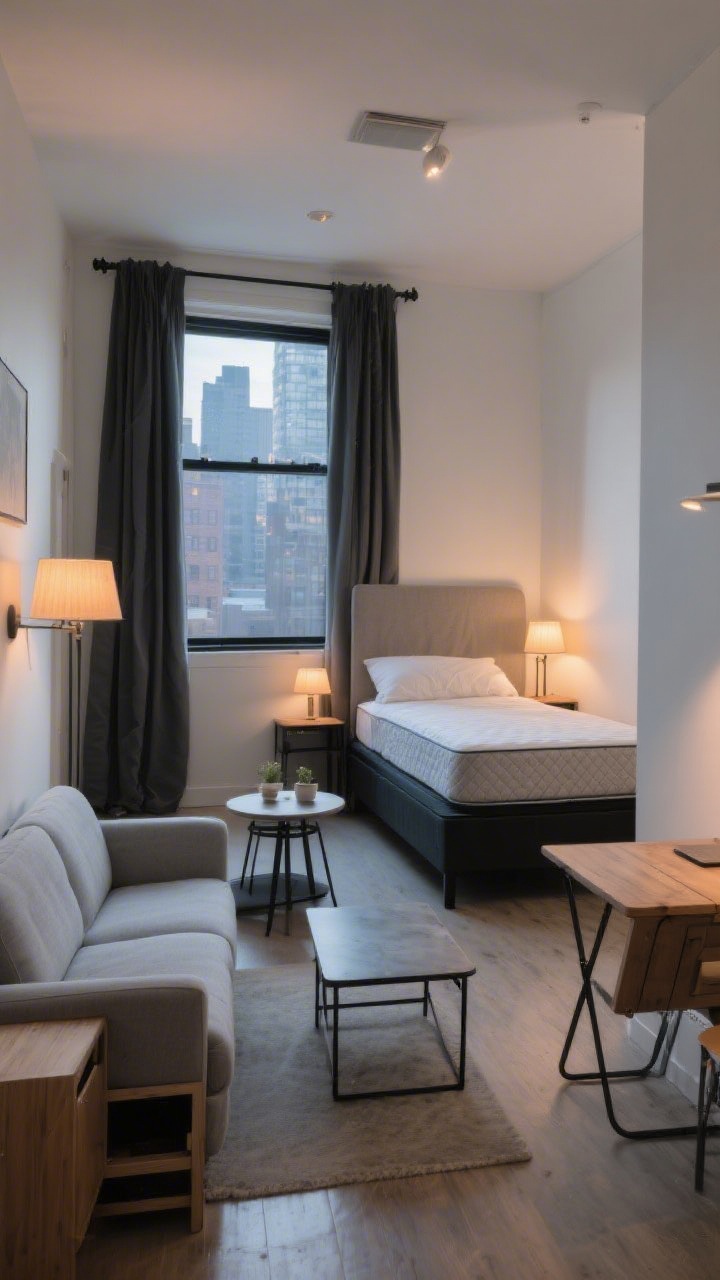
Before you obsess over candle holders, nail the basics that make the place livable—sleep, sit, store, snack. Think of this as your Day-One survival kit that still looks good in photos.
What You Need Right Away
- Bed frame + mattress: $500–$1,200 (platform bed, mid-tier hybrid mattress). Pro tip: a simple metal platform + headboard slipcover can look custom for less.
- Sofa or loveseat: $350–$1,000. Small space? A 60–72″ loveseat or a modular two-seater with storage wins.
- Dining setup: $150–$450 (bistro table + 2 chairs) or $120–$300 (drop-leaf table, counter stools if you’ve got a peninsula).
- Lighting: $60–$200 (2 lamps). Big glow, small price. Skip harsh overheads.
- Window coverings: $80–$250 (blackout curtains + rods or quality blinds). Instant upgrade.
Estimated “liveable bundle” total: $1,140–$3,100.
- Save: Buy mattresses online during holiday sales; check FB Marketplace for gently used bed frames.
- Splurge: A supportive mattress. Your back will write you thank-you notes.
2. The Style Layer: Rugs, Textiles, And Color That Pull It Together
© 2025 AI Illustrator — Inspiration Only
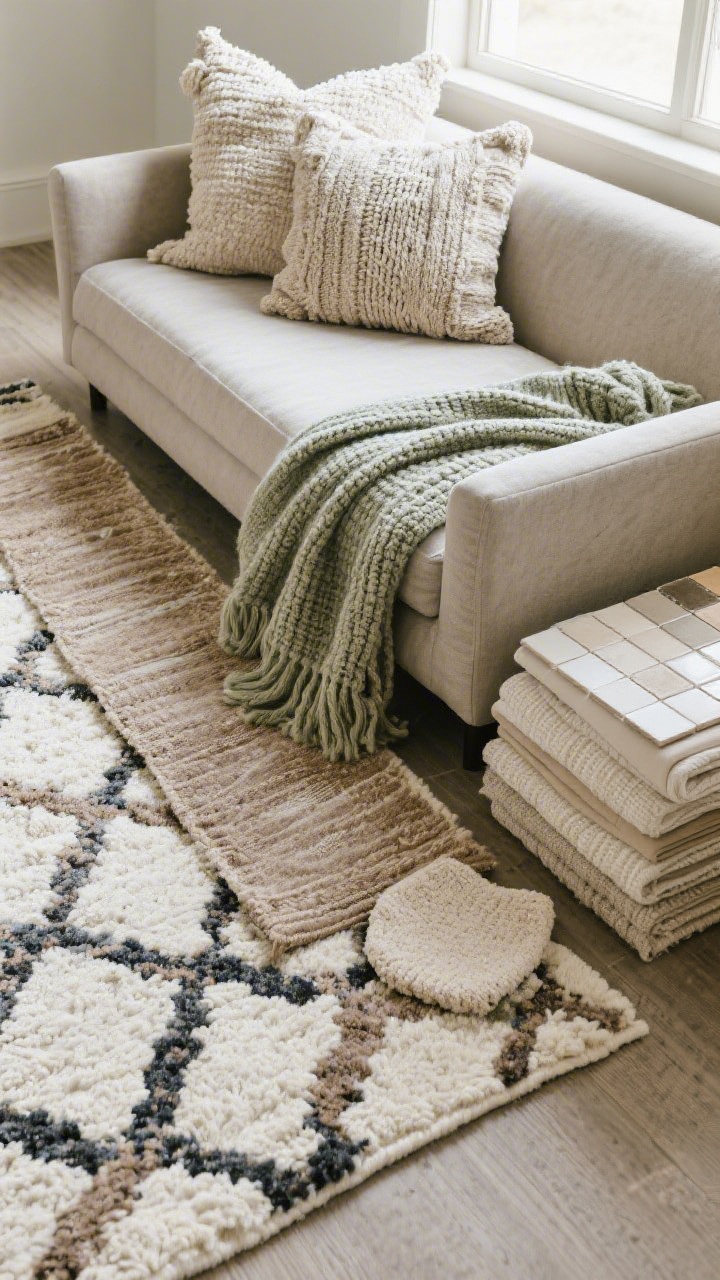
Once the bones are in, add the soft stuff that makes it feel intentional. This is where small apartments go from “rented” to “cute.” Warning: it’s addictive.
The Soft Goods Checklist
- Area rug (5×8 or 6×9): $120–$350. Choose low-pile, patterned options to hide city dust and snack incidents.
- Throw pillows + blankets: $40–$150. Mix textures: linen, bouclé, knit. Instant coziness.
- Bedding (duvet, inserts, sheets): $120–$300. Neutral base, accent with throws and shams.
- Bath linens + mat: $40–$120. Don’t sleep on a plush bath mat—tiny luxury, big joy.
Estimated style layer total: $320–$920.
- Save: Layer a budget rug under a vintage runner. Also: IKEA duvet inserts are shockingly solid, FYI.
- Splurge: One statement rug or premium linen sheets. You see and feel them daily.
3. Storage That Doesn’t Scream Storage
© 2025 AI Illustrator — Inspiration Only
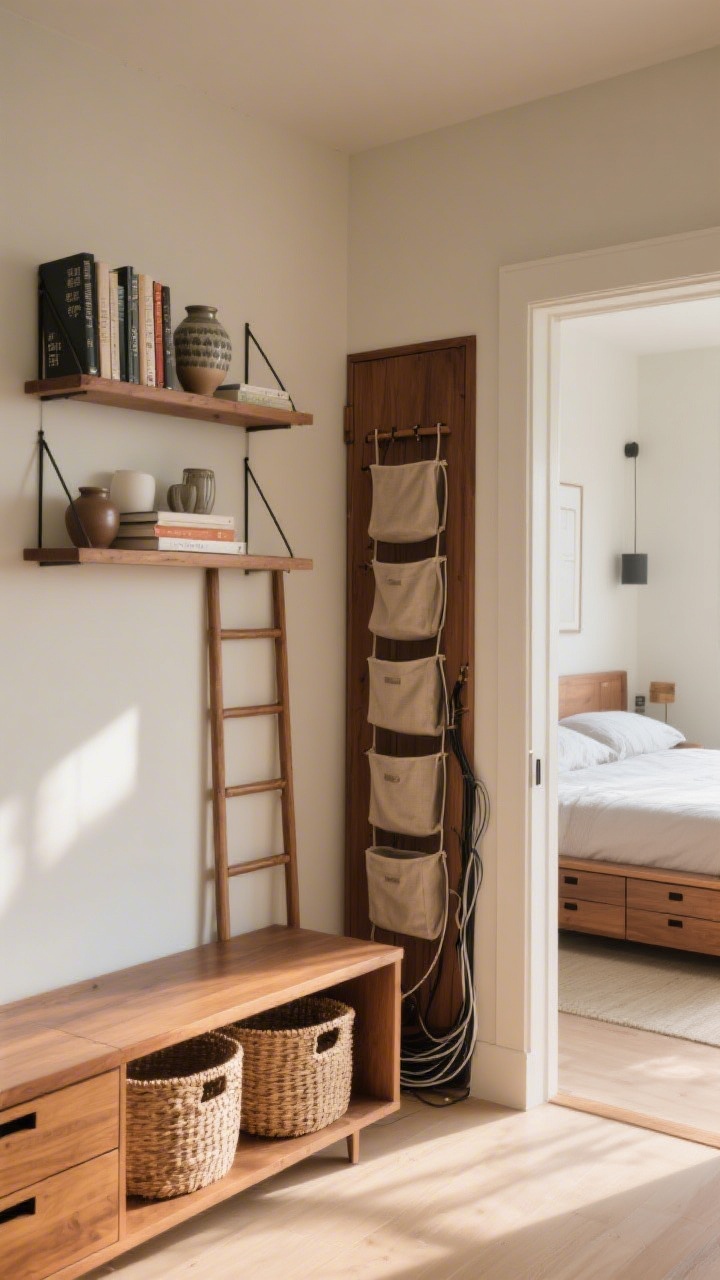
Small apartments demand sneaky storage. The trick is using vertical space and multi-use pieces so your place stays tidy—and looks designer-level organized.
Smart Storage MVPs
- Entry bench with cubbies or drawers: $120–$300.
- Media console with doors: $150–$450 (hides wires and random chargers—bless).
- Bookshelves or ladder shelves: $70–$250 each. Style the top, stash the bottom with baskets.
- Under-bed drawers or lift-top bed: $60–$300 add-on, $600–$900 for lift-top frame.
- Closet organizers: $80–$250 (shelves, hanging systems, fabric bins).
Estimated storage total: $300–$1,200 (depends how much you hoard—no judgment).
- Save: Cube organizers + doors = instant credenza dupe.
- Splurge: A real wood media console if it’s the room’s anchor. It’ll move with you.
4. Kitchen And Dining: Cute, Compact, And Actually Functional
© 2025 AI Illustrator — Inspiration Only
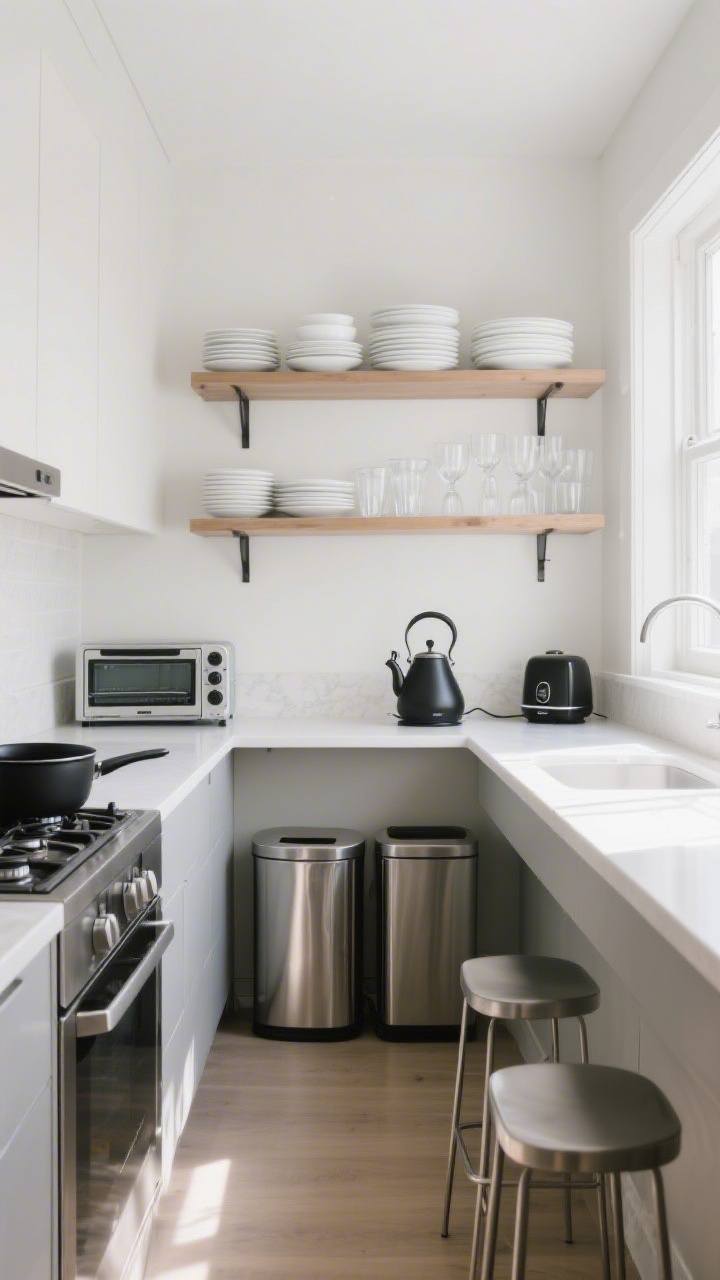
Small kitchens need gear that stacks, tucks, or multitasks. You want pieces that look good on open shelves and don’t require a forklift to move.
Essentials You’ll Actually Use
- Cookware set (nonstick or stainless): $120–$300.
- Knives + cutting boards: $40–$150.
- Dishware + glassware (service for 4): $60–$180.
- Counter stools (if needed): $100–$260 for two.
- Small appliances: $100–$350 (kettle, toaster oven/air fryer, blender—choose 2).
- Trash/recycling bins: $40–$120. Sleek matters when it’s visible.
Estimated kitchen + dining total: $460–$1,360.
- Save: Buy open-stock plates and glasses—replaceable and cheap.
- Splurge: A compact, reliable toaster oven or air fryer if you actually cook. It’ll replace half your gadgets.
5. Work-From-Home Nook Without The Eyesore
© 2025 AI Illustrator — Inspiration Only
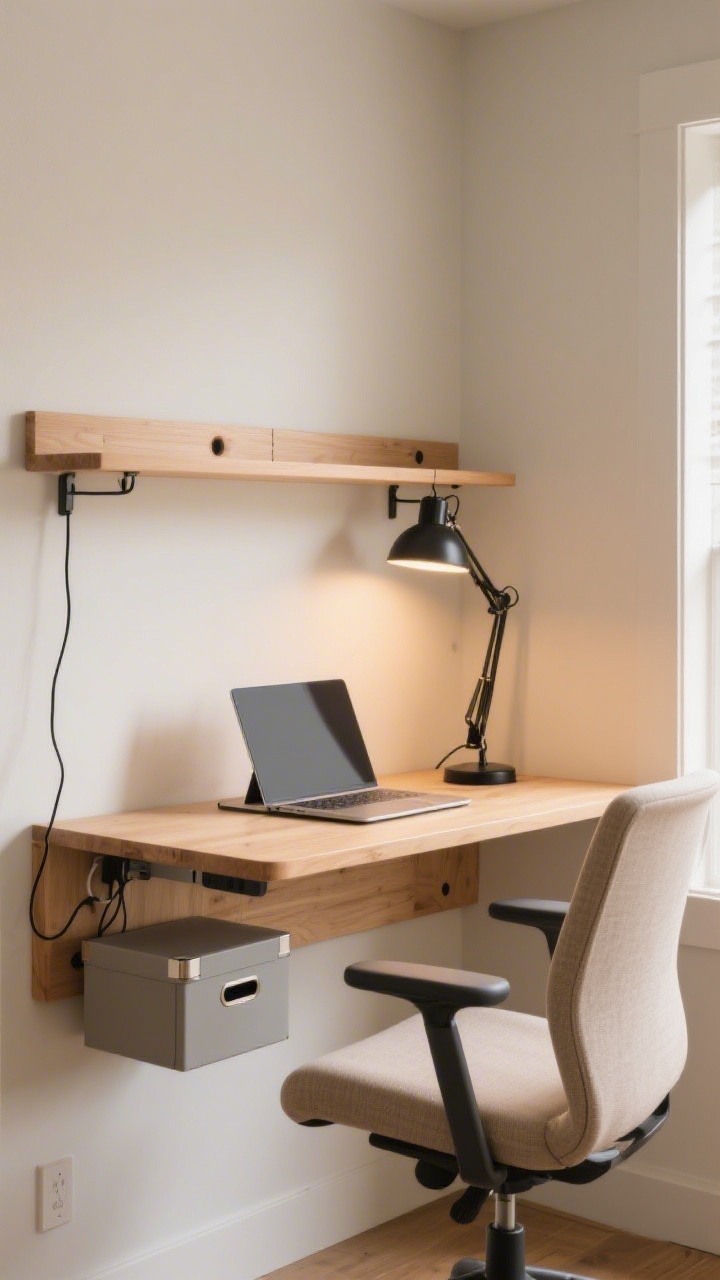
Even if you’re hybrid, you need a spot that keeps your neck happy and your Zoom background not embarrassing. No clunky corporate vibes, please.
WFH Nook Formula
- Compact desk (30″–40″) or wall-mounted drop desk: $90–$280.
- Ergonomic-ish chair: $120–$350. Style + lumbar support = you’ll actually sit there.
- Task lamp: $30–$80.
- Cord management + laptop stand: $30–$70.
Estimated WFH total: $270–$780.
- Save: Use a console table as a desk; stash a slim file box under it.
- Splurge: The chair. Your spine is not a DIY project, IMO.
6. Art, Lighting, And Decor: The “It Looks Finished” Factor
© 2025 AI Illustrator — Inspiration Only
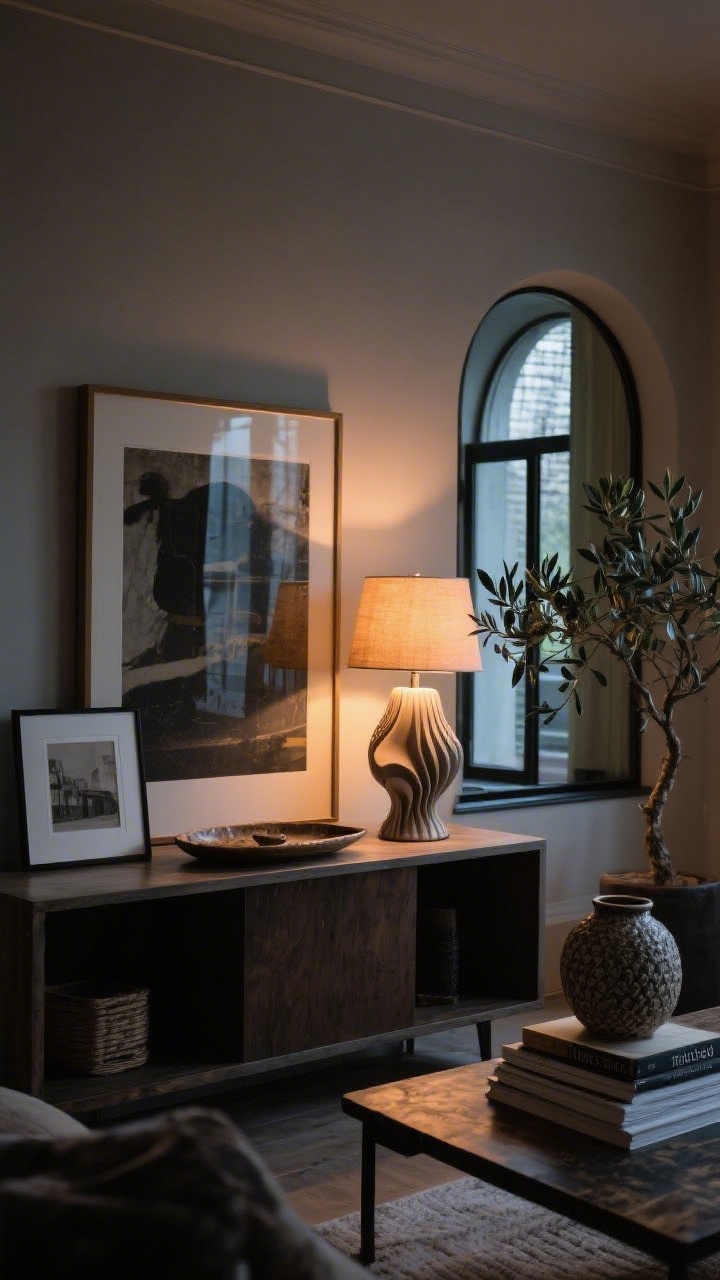
This is where personality happens. You don’t need a gallery wall on day one, but a couple of bold moves will make everything look intentional.
High-Impact Finishes
- Wall art or framed prints: $80–$300 (mix one large focal piece with 1–2 smaller prints).
- Mirrors: $60–$200 (a tall mirror doubles light and makes rooms look bigger—magic).
- Accent lighting: $80–$220 (floor lamp or plug-in sconces).
- Greenery (real or faux): $30–$120. Olive tree dupe? Yes. Watering schedule? Optional.
- Decor accents: $60–$150 (trays, vases, coffee table books).
Estimated decor total: $310–$990.
- Save: Print digital art, use thrifted frames, add oversized mats for a custom look.
- Splurge: One sculptural lamp or artisan piece you love. Instant “adult apartment” energy.
7. The Real-World Totals (And How To Hack The Budget)
© 2025 AI Illustrator — Inspiration Only
Okay, receipts time. Here’s what a realistic 2026 furnishing budget looks like for a small apartment if you’re starting from scratch. Your taste, city, and sale luck will nudge you up or down—but these ranges are solid.
All-In Estimated Totals
- Minimalist Starter (prioritize essentials, mix secondhand): $2,600–$4,200
- Balanced Comfort (new + a few splurges): $4,500–$6,800
- Design-Forward (quality anchors, artisan touches): $7,000–$10,500
Where To Splurge vs. Save
- Splurge: Mattress, sofa frame/cushions, desk chair, one statement light or rug.
- Save: Side tables, shelving, curtains (hem them), art frames, dupe decor, kitchen textiles.
Money-Saving Playbook
- Time your buys: Presidents’ Day, Memorial Day, July 4th, Labor Day, Black Friday/Cyber Monday. Big furniture drops 15–35%.
- Use stackable deals: Email sign-ups, card offers, cash-back extensions. It adds up fast.
- Marketplace + thrift: Search by brand names, set alerts, and check weekdays at lunchtime. Bring measurements.
- Flat-pack hacks: Swap knobs, add furniture legs, apply peel-and-stick wood grain for a custom vibe.
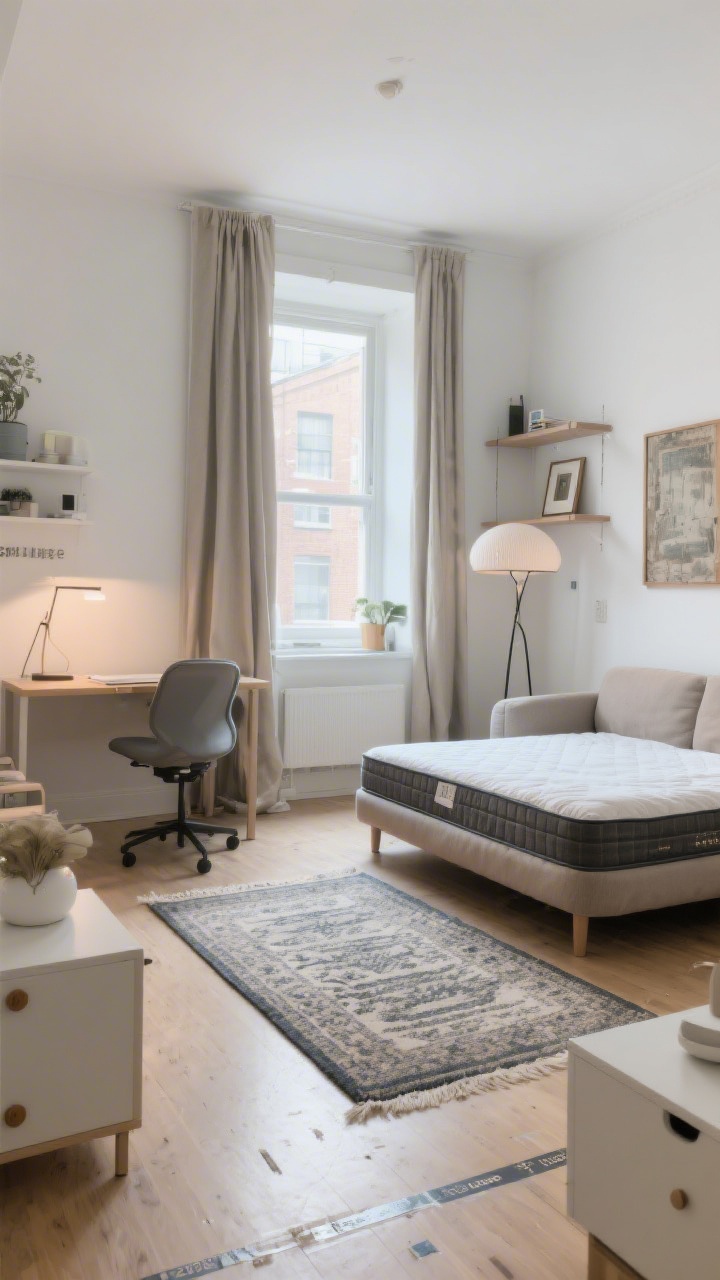
- Measure twice, assemble once: Tape floor outlines before buying. Returns = budget kryptonite.
- Upgrade slowly: Start with the “liveable bundle,” then layer style, then art. Your space will evolve—and that’s half the fun, FYI.
Bottom line: You can make a small apartment look polished for around $4–7k in 2026 without cutting corners on comfort. Go slower, shop smarter, and let your big-ticket pieces do the heavy lifting while the accents bring the personality.
You’ve got this. Light the good candle and enjoy your tiny kingdom—it’s about to look amazing.