
Living in a compact space often feels like a puzzle where every square foot matters. One effective way to give a modest apartment personality without overcrowding it is to let a single statement piece—whether a bold sofa, an oversized artwork, or a striking bookshelf—anchor the design. The following guide walks you through seven ways to build a cohesive, functional home around that focal point, offering practical choices for layout, lighting, texture, and storage that keep the room feeling open yet purposeful.
1. Choose a Piece That Reflects Your Lifestyle
© 2026 AI Illustrator — Inspiration Only
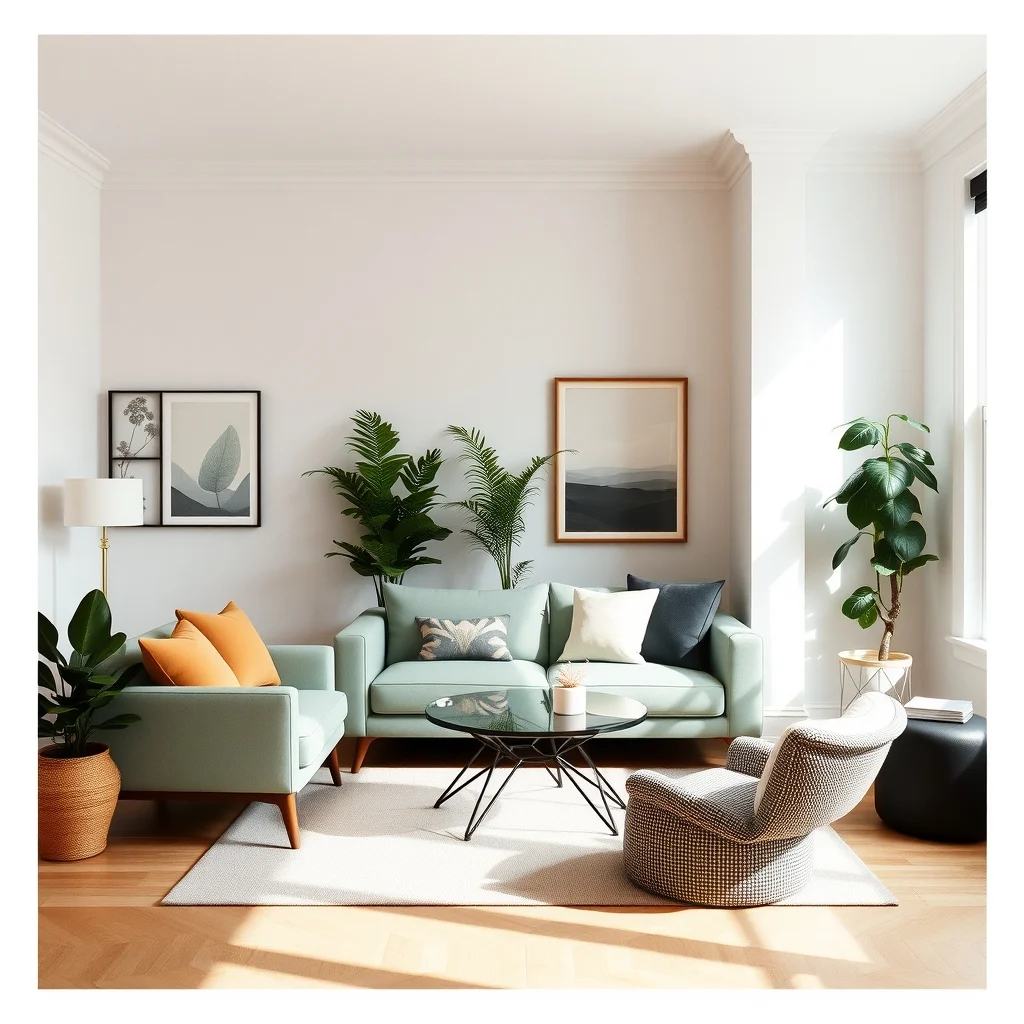
The first step is to select an item that resonates with how you live day to day. A sleek, low‑profile sectional in a muted teal works well if you spend evenings streaming movies and need ample seating. Conversely, a handcrafted wooden console with deep drawers might suit a home office that doubles as a dining area. By matching the piece to your routine, you create a natural flow; the furniture becomes more than a decorative object—it supports the activities you cherish. Keep in mind that a larger item can dominate a room, so balance its size with the overall square footage. If the statement piece feels too massive, consider a version in a lighter finish or with exposed legs to preserve visual breathing room.
What’s Your Apartment Decor Style?
Answer these quick questions to discover your perfect decor vibe.
2. Position the Focal Item to Anchor the Space
© 2026 AI Illustrator — Inspiration Only
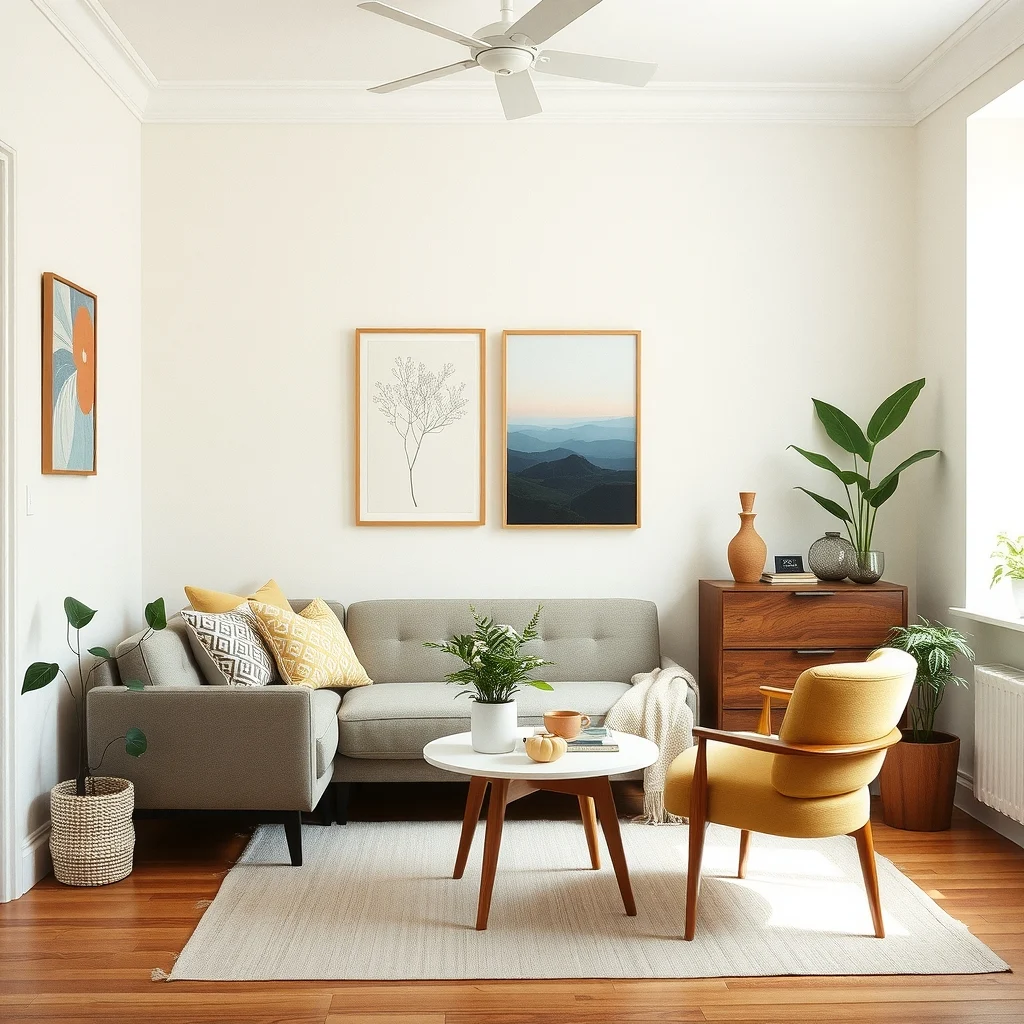
Where you place the statement piece determines the room’s visual hierarchy. In a studio, setting a vibrant armchair against the longest wall draws the eye and defines a seating zone without erecting physical barriers. If the piece is an eye‑catching rug, lay it so that the front legs of a sofa sit on its edge, creating a subtle transition between living and work areas. This method lets the focal point act as a natural divider while maintaining an open feel. Be aware that positioning a large object directly in front of a window can block natural light; instead, angle it slightly to allow daylight to glide across the surface, preserving both brightness and interest.
We're Now Open!
Thoughtful digital guides and planners to help you decorate, organize, and create a home you love.
Use code: WELCOME15
EXPLORE LIVANA STUDIO →Beautiful spaces. Smarter living.
3. Use Complementary Color Hues to Enhance the Statement
© 2026 AI Illustrator — Inspiration Only
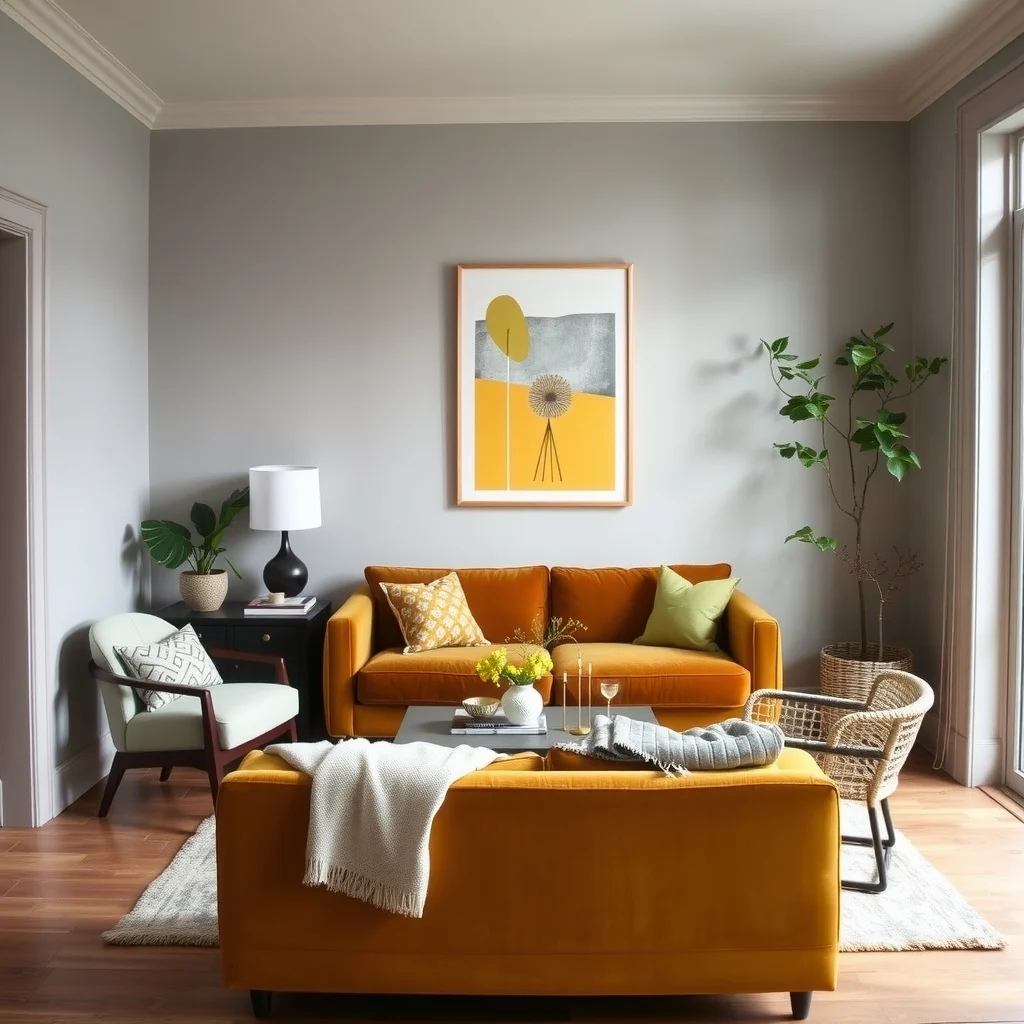
Once the piece is in place, choose surrounding colors that amplify rather than compete with it. If the focal item is a mustard‑yellow velvet sofa, walls painted in a soft dove gray provide a calm backdrop that lets the sofa shine. Accents such as cushions, throws, or a modest side table in muted olive or warm terracotta can echo the primary hue without overwhelming the palette. This layered approach adds depth, and the restrained use of color prevents the room from feeling chaotic. Remember that too many saturated tones can make a small space feel cramped; limit bold shades to the statement piece and keep the rest of the décor in neutral or pastel tones.
4. Layer Lighting to Highlight the Feature
© 2026 AI Illustrator — Inspiration Only
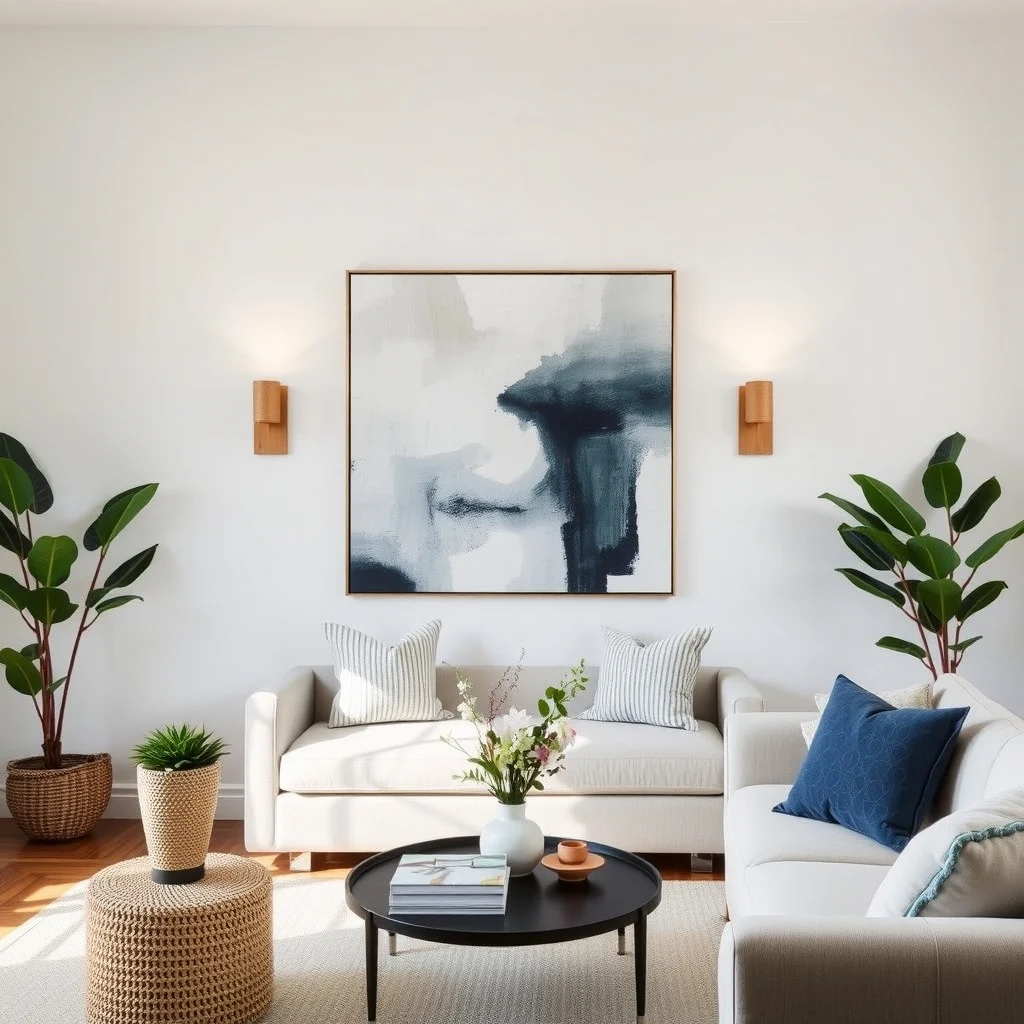
Lighting plays a pivotal role in showcasing a centerpiece. A pair of adjustable wall sconces flanking a large abstract painting can draw attention while providing ambient illumination for evening reading. If the statement is a freestanding bookshelf, a floor lamp positioned at a 45‑degree angle casts soft shadows that reveal the texture of the wood and the colors of displayed objects. Layering a dimmable overhead fixture with task lighting ensures the room remains functional without glare. However, avoid placing bright spotlights directly on reflective surfaces, as they can cause glare and diminish the piece’s subtle details.
5. Incorporate Flexible Storage Around the Piece
© 2026 AI Illustrator — Inspiration Only
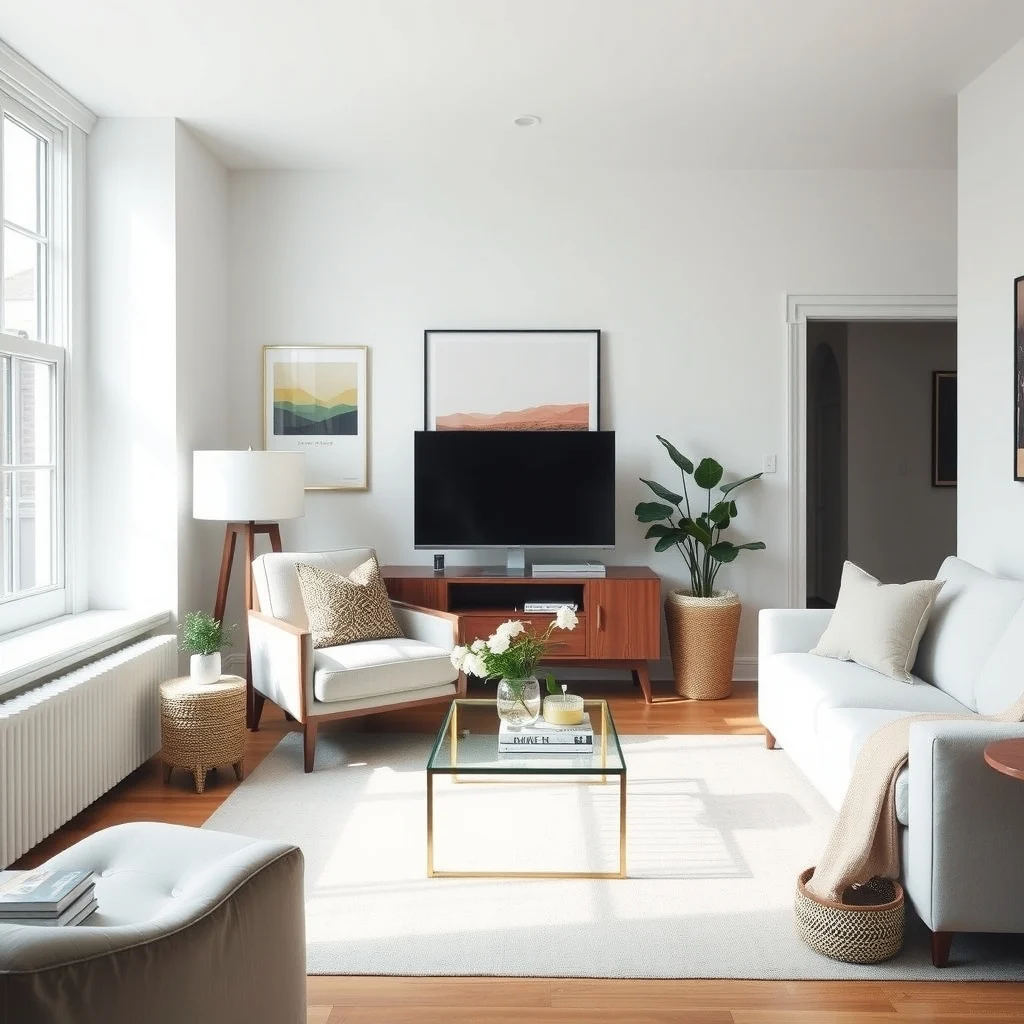
Small apartments thrive on smart storage solutions that hide clutter without detracting from the focal item. When the statement is a low, wide coffee table, choose one with hidden drawers to tuck magazines, remote controls, or board games out of sight. If you’ve selected a bold wall‑mounted art piece, install a narrow floating shelf below it to hold decorative bowls or small plants, turning otherwise unused wall space into functional storage. The key is to keep storage pieces streamlined and in harmony with the statement’s material—brushed brass handles pair nicely with a modern metal sculpture, while woven baskets complement a natural‑fiber rug. Overloading the area with bulky cabinets can quickly erode the sense of spaciousness.
6. Balance Texture to Add Depth Without Bulk
© 2026 AI Illustrator — Inspiration Only
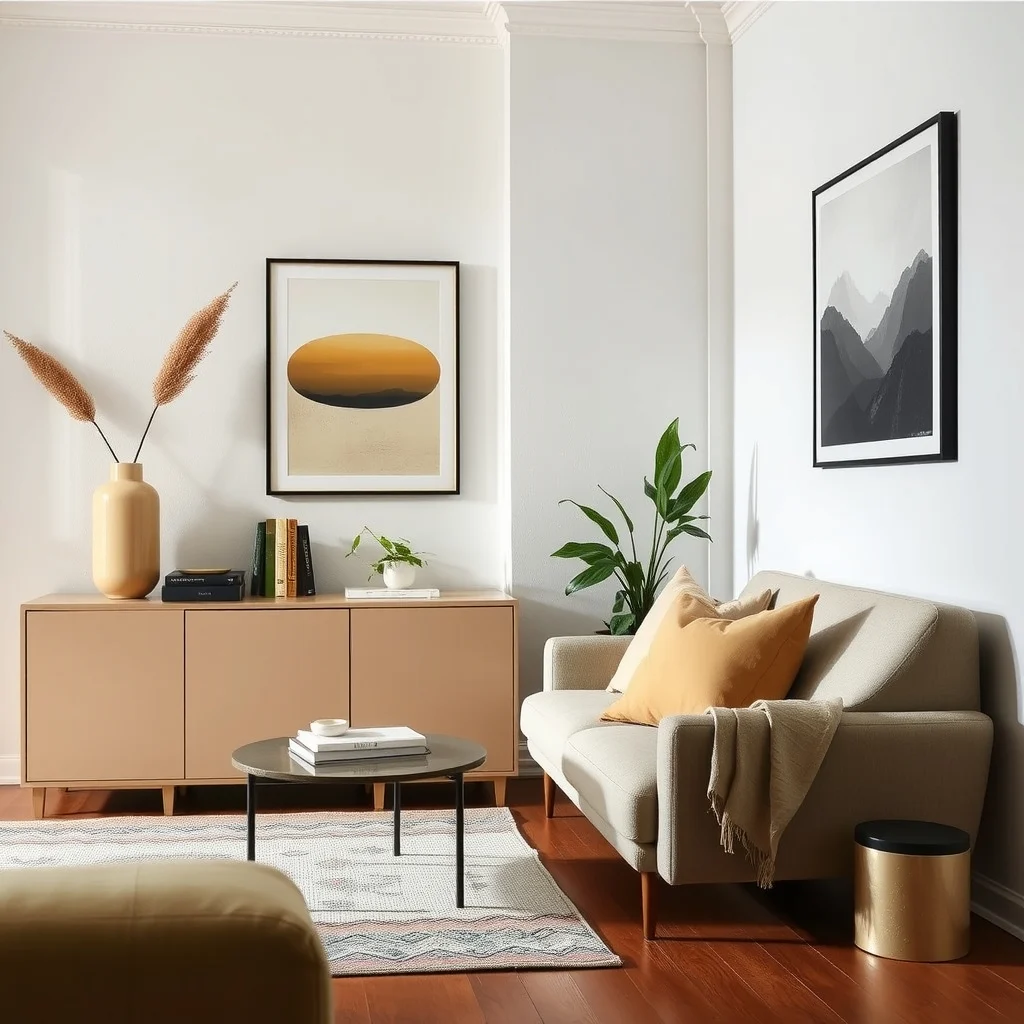
Texture offers visual interest that can make a small room feel richer. Pair a smooth, lacquered sideboard with a plush, linen sofa cushion to create contrast that invites touch. If the statement piece is a chunky, woven wall hanging, keep surrounding fabrics light and airy—think cotton drapes or a sheer curtain that lets daylight filter through. This juxtaposition prevents the space from feeling heavy while still delivering a tactile experience. Be cautious with overly rough textures in high‑traffic zones, as they may attract dust and require frequent cleaning, which can be inconvenient in a compact living area.
7. Keep Pathways Clear to Preserve Flow
© 2026 AI Illustrator — Inspiration Only
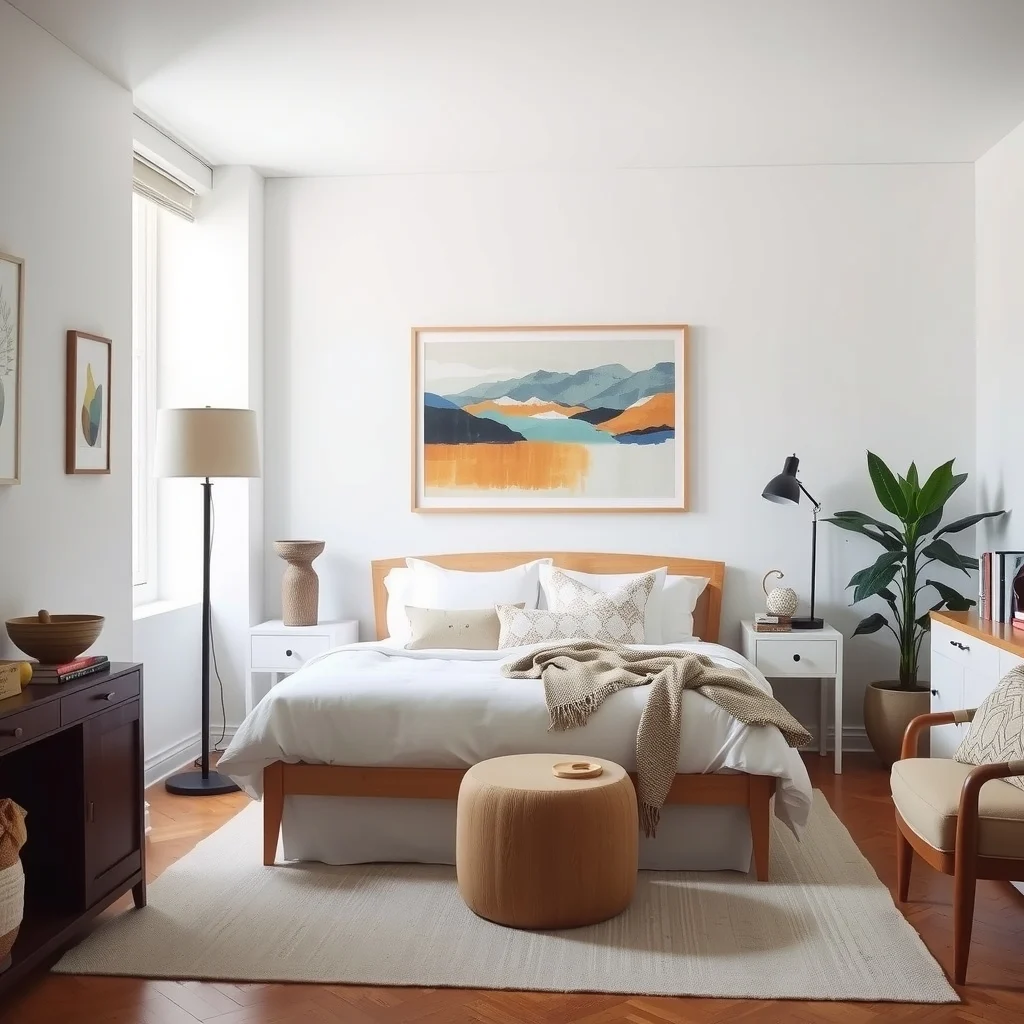
Even the most striking focal point can hinder a small apartment if it disrupts movement. Ensure there is at least a two‑foot clearance around the piece so you can navigate comfortably between the kitchen, bedroom, and living zone. When the statement is a tall bookshelf, consider placing it against a wall that does not block the natural traffic line from the entrance to the bathroom. If space allows, use a low, rolling cart as a temporary side table; it can be nudged aside when you need to open a door or move furniture. Maintaining clear pathways not only improves functionality but also reinforces the feeling that the apartment is larger than its dimensions suggest.
Frequently Asked Questions
© 2026 AI Illustrator — Inspiration Only
How do I pick the right size statement piece for a studio?
Select a piece that occupies no more than one‑third of the floor area to avoid overwhelming the space. Measure the room first, then visualize the item with painter’s tape before buying.
Can a statement piece work in a room with limited natural light?
Yes, choose items with reflective surfaces or lighter finishes that bounce the available light. Supplement with warm‑toned lamps to create a balanced glow without relying solely on daylight.
Is it okay to mix modern and vintage styles around the focal point?
Mixing styles can add character as long as the color scheme remains cohesive. Pair a mid‑century modern chair with a vintage rug that shares a common hue to bridge the eras.
What are some budget‑friendly options for a statement piece?
Consider a large indoor plant in a decorative pot, a reclaimed wood console, or an oversized framed print from a local artist. These choices provide impact without a high price tag.
How often should I rearrange the statement piece?
Repositioning once a year can refresh the room’s energy and help you assess whether the layout still meets your needs. Avoid frequent moves, as they can cause wear on flooring and walls.
Final Thoughts
© 2026 AI Illustrator — Inspiration Only
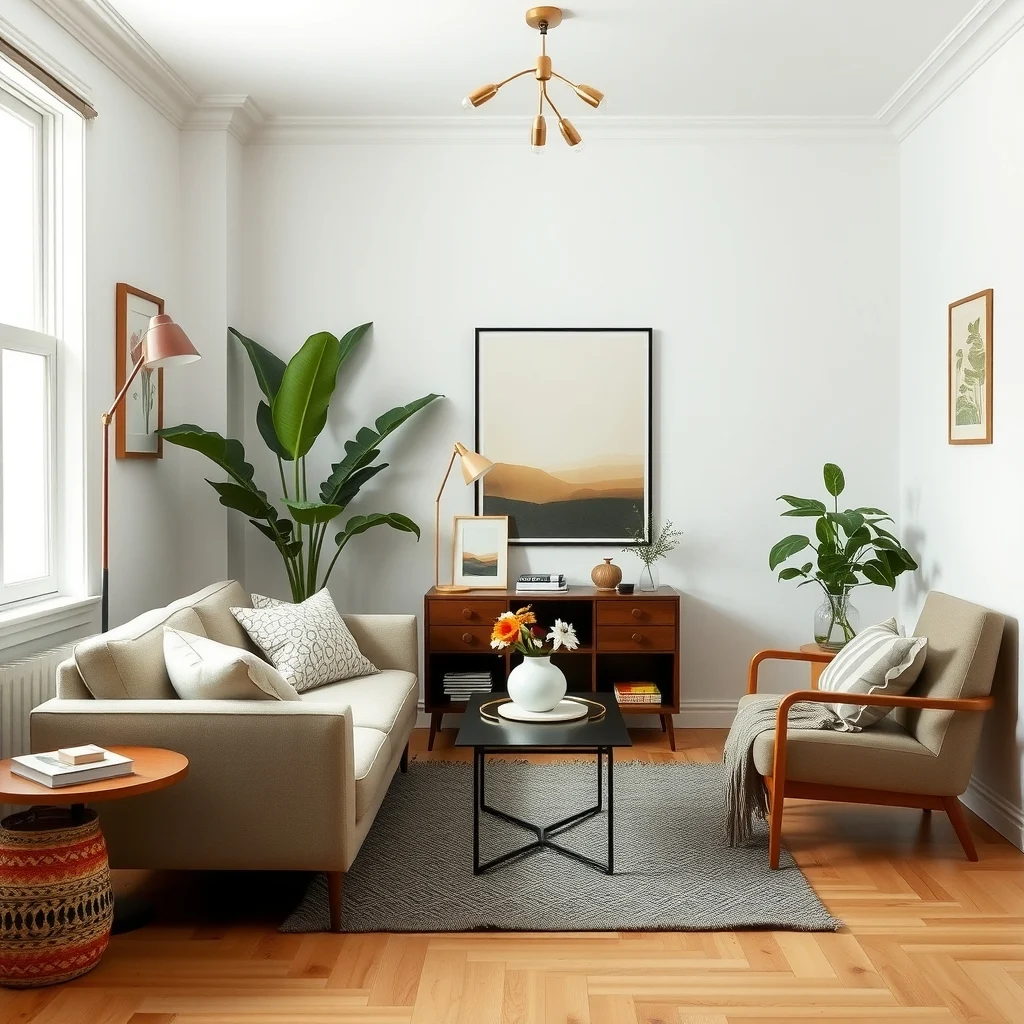
Designing a small apartment around a single statement piece is less about filling a void and more about creating a purposeful anchor that guides the rest of the décor. By selecting an item that matches your lifestyle, positioning it thoughtfully, and weaving in complementary colors, lighting, storage, texture, and clear pathways, you can transform a modest floor plan into a space that feels curated and comfortable. Remember that the goal is balance—let the focal piece shine while the surrounding elements support it quietly. With these strategies, your apartment will not only look larger but also reflect the personality you want to live with every day.