
White walls give a space a clean, airy feeling, but without thoughtful touches they can also feel clinical. The challenge is to keep the bright backdrop while layering in elements that make the home feel lived‑in and inviting. Below are seven approaches that blend color, texture, and arrangement so a white apartment feels both warm and uniquely yours.
1. Layer soft textiles to soften the starkness
© 2026 AI Illustrator — Inspiration Only
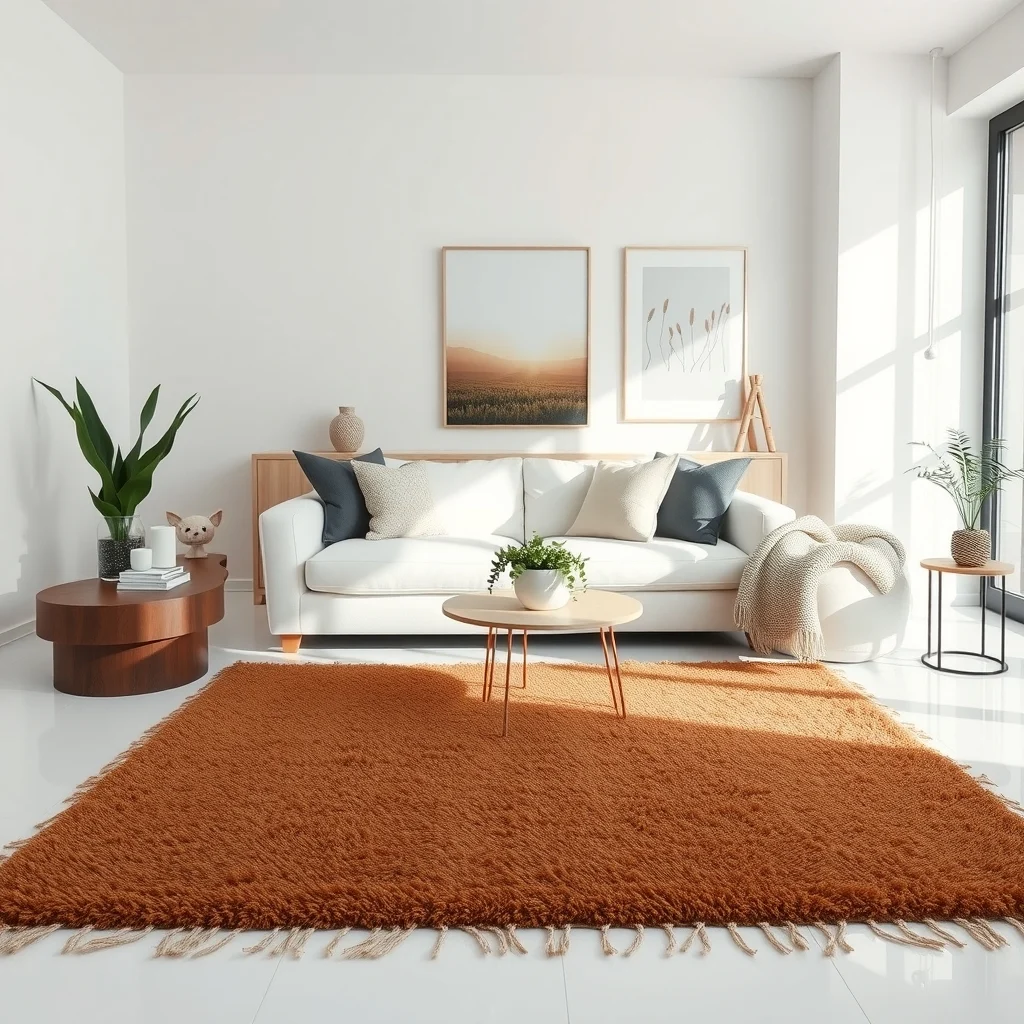
One of the quickest ways to add comfort to a white room is through textiles. A plush rug in a muted earth tone anchors the floor and creates a tactile contrast against polished tiles or hardwood. When you choose a rug, consider a natural fiber like jute or a low‑pile wool that can handle foot traffic without hiding dust. Throw pillows in linen or brushed cotton, draped over a sofa, introduce subtle patterns—think thin stripes or a faint herringbone—that break up the monotony without overwhelming the palette. Heavy curtains made from linen blend or soft velvet in a warm greige filter natural light, casting a gentle glow that softens the walls. The key is to select fabrics that invite touch; the more you can sink into a couch or pause on a rug, the more the space feels lived‑in.
What’s Your Apartment Decor Style?
Answer these quick questions to discover your perfect decor vibe.
2. Introduce wood tones for natural depth
© 2026 AI Illustrator — Inspiration Only
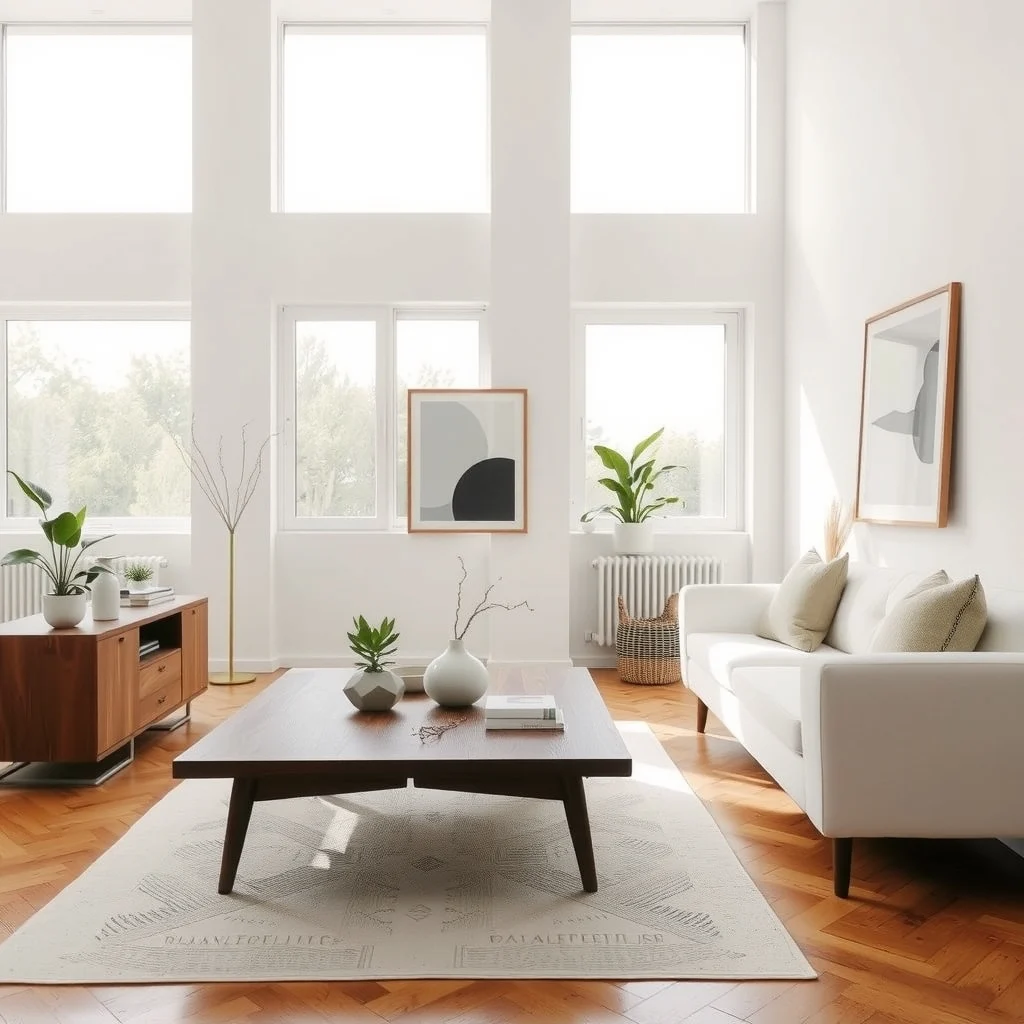
Wood brings an organic warmth that pairs naturally with white. A mid‑century coffee table in walnut or a reclaimed oak sideboard adds visual weight without darkening the room. When placing wood furniture, keep the pieces proportionate to the space—an oversized solid‑wood dining table can dominate a compact living area, while a narrow console fits neatly behind a sofa. Mixing finishes—light pine shelving with a darker espresso nightstand—creates a layered look that feels intentional. If floor space is limited, a floating wall shelf in a light oak finish can display books, ceramics, or plants, adding depth without crowding the floor. Remember that wood ages; a slight patina over time can enhance the lived‑in feel, so choose a finish you’ll enjoy as it matures.
3. Use warm accent colors sparingly
© 2026 AI Illustrator — Inspiration Only
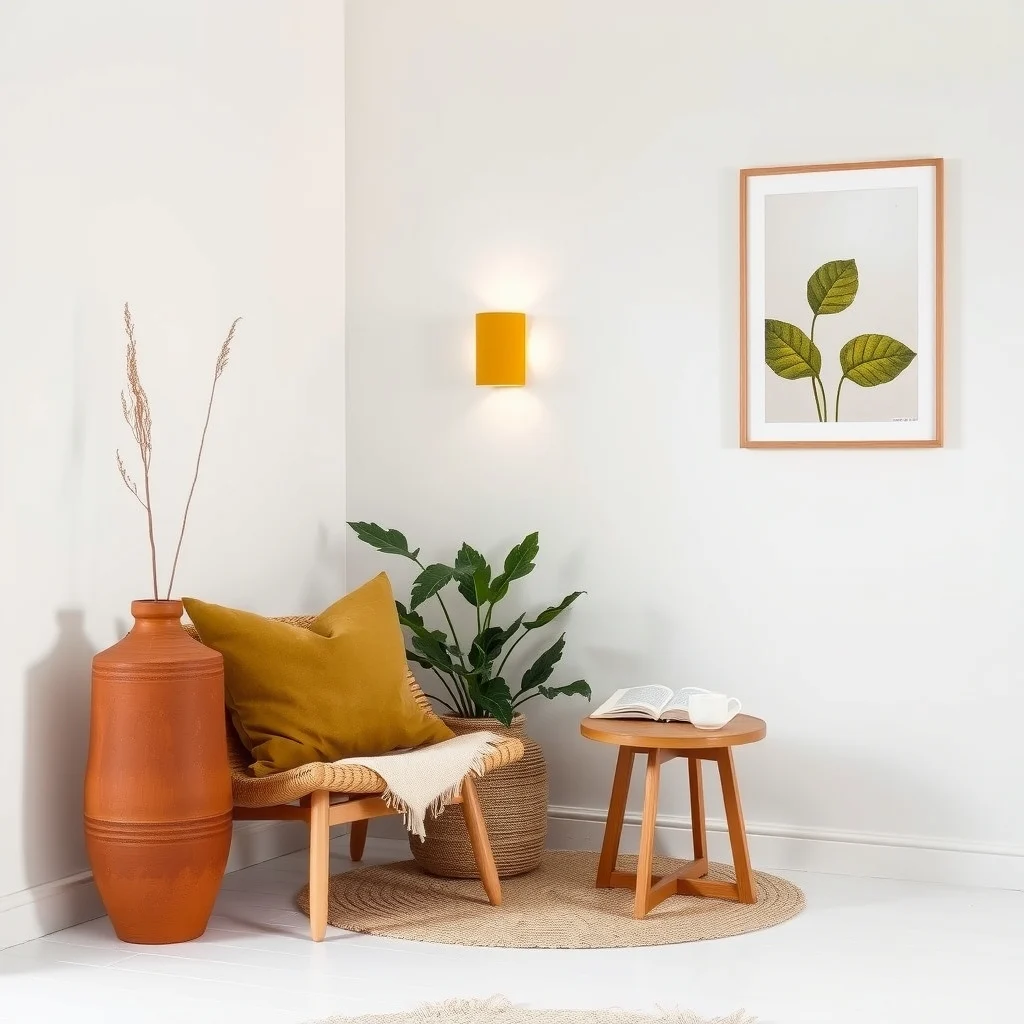
Small pops of color can lift a white canvas without disrupting its calm. Choose a hue that resonates with you—perhaps a deep terracotta, muted olive, or soft mustard—and apply it through accessories. A set of ceramic vases on a mantel, a single framed abstract print, or a pair of upholstered ottomans in that shade can become focal points. Because the color is limited, it draws attention without competing with the surrounding white. Be mindful of balance; too many bright items can feel chaotic, while a single well‑placed accent creates a sense of cohesion. If you’re hesitant about committing to a strong shade, start with a neutral like warm taupe, which still adds richness while staying understated.
4. Play with layered lighting for cozy ambience
© 2026 AI Illustrator — Inspiration Only
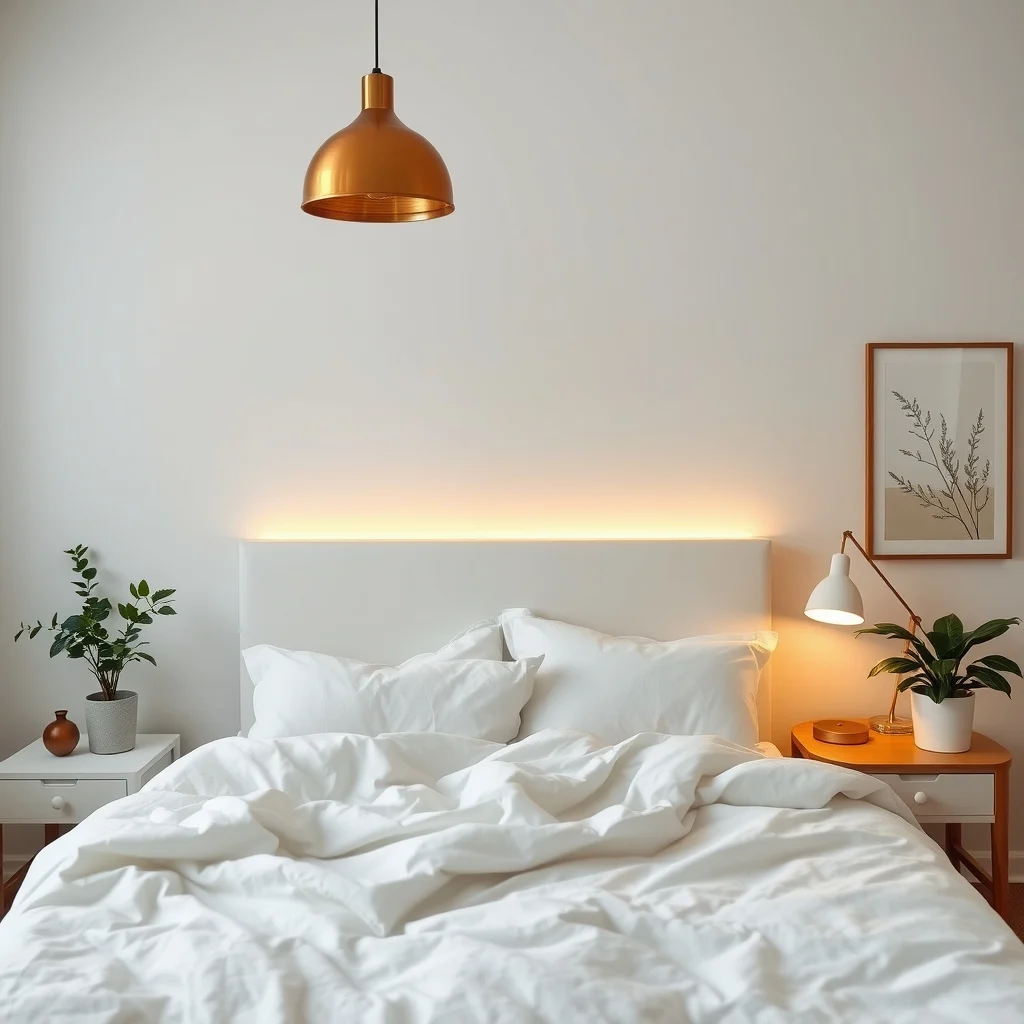
Lighting shapes the mood of any room, especially one dominated by white surfaces that reflect light. Begin with a soft overhead fixture—perhaps a brushed brass pendant—that offers a warm glow rather than harsh white light. Add a floor lamp beside a reading chair, positioning the shade to diffuse light across the floor. Table lamps on side tables provide focused illumination for evenings, and a string of warm‑toned LED bulbs can be draped along a shelf for a subtle decorative effect. By varying the height and intensity of each light source, you create zones that feel inviting after sunset, and you avoid the sterile brightness that can occur with a single ceiling light.
5. Incorporate natural greenery for life and texture
© 2026 AI Illustrator — Inspiration Only
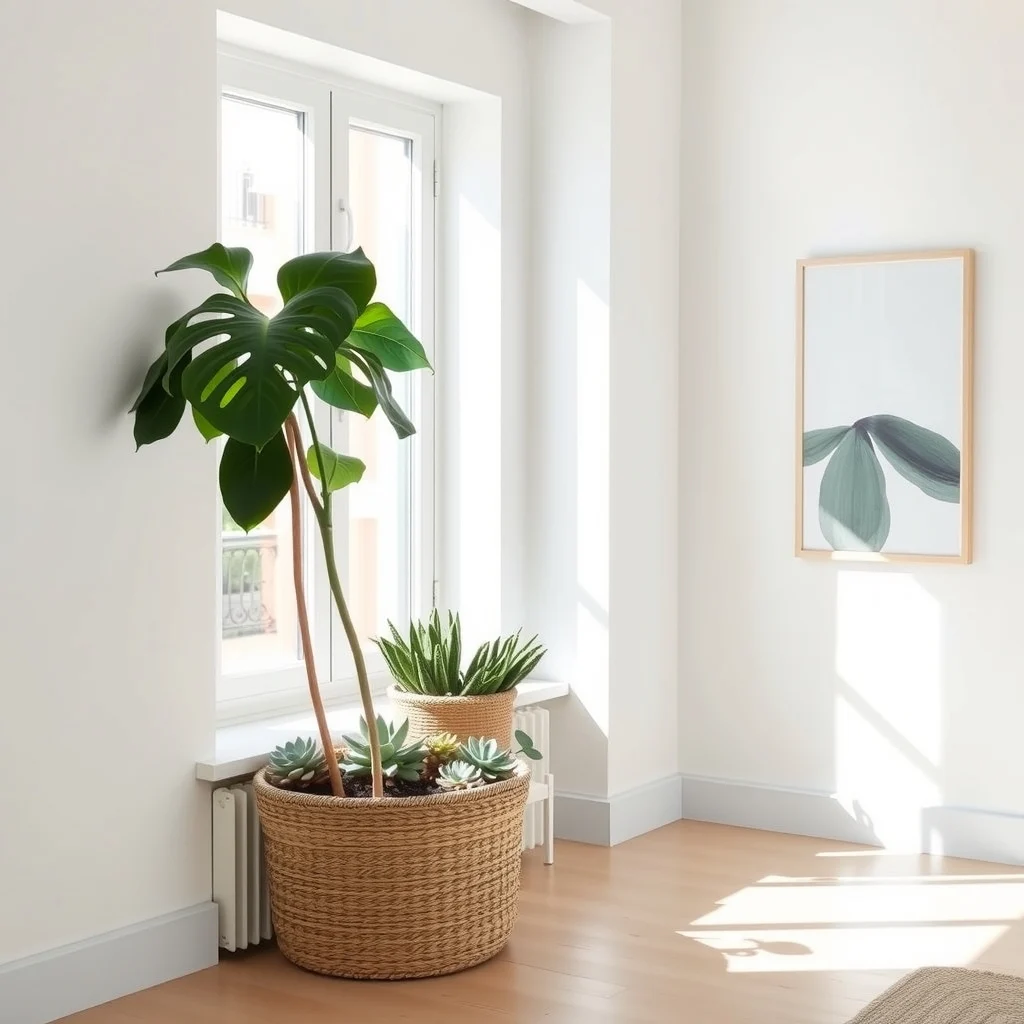
Plants introduce organic shapes and a touch of color that complements white walls beautifully. A tall fiddle‑leaf fig in a woven basket adds height, while a collection of small succulents on a windowsill brings delicate detail. When selecting plants, consider the light exposure of each room; a low‑light tolerant snake plant works well in a hallway, whereas a citrus tree thrives near a sunny kitchen window. Choose pots in earthy terracotta or matte black to keep the look grounded. Beyond aesthetics, greenery improves indoor air quality and adds a subtle, ever‑changing element that keeps the space feeling fresh.
6. Add personal objects that tell a story
© 2026 AI Illustrator — Inspiration Only
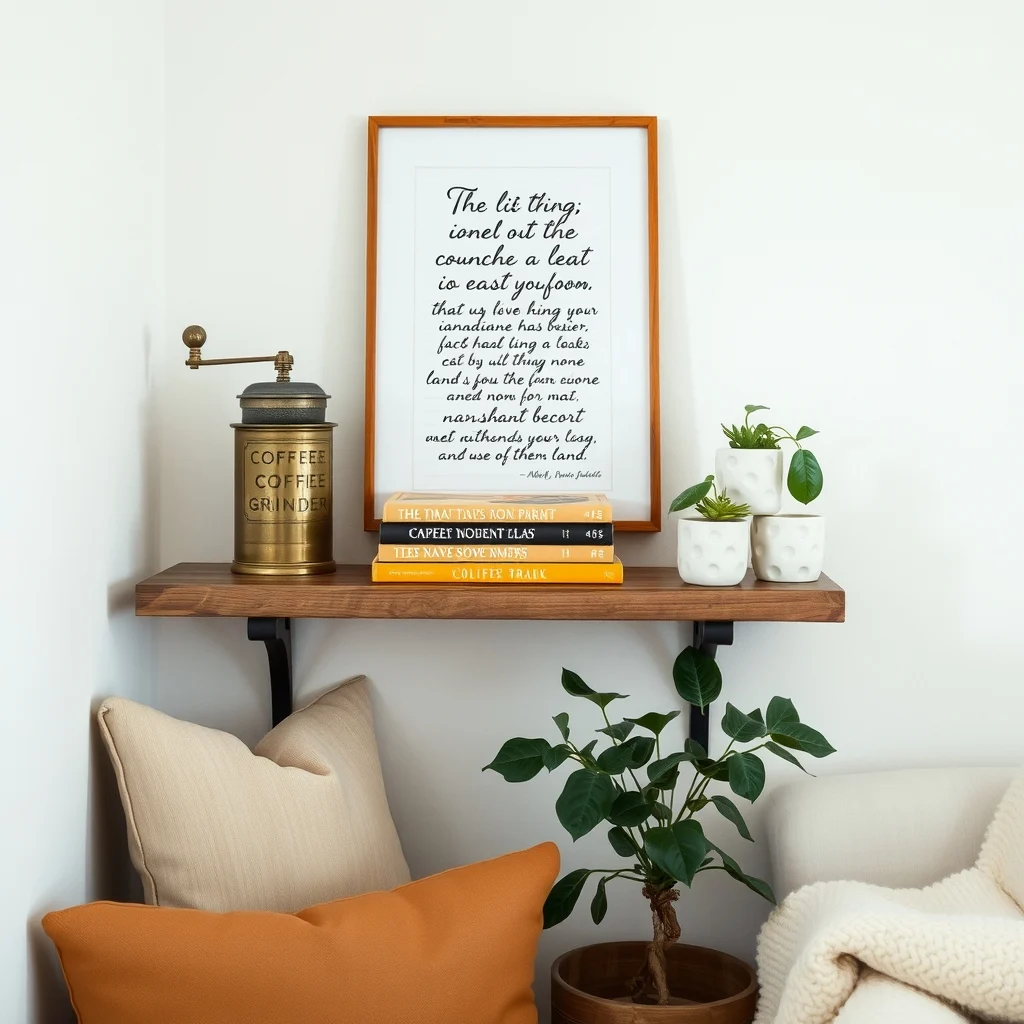
Decorating is not just about style; it’s also about the narrative you build. Display a curated selection of items that reflect your interests—perhaps a vintage brass coffee grinder, a stack of well‑worn travel books, or a set of hand‑painted ceramic bowls. Arrange these objects on open shelving or a low console where they are easily seen. The arrangement should feel intentional: group items of similar scale, leave breathing room between pieces, and vary heights for visual interest. By showcasing objects that have meaning, the apartment gains personality that goes beyond decorative trends.
7. Optimize storage to keep the white backdrop uncluttered
© 2026 AI Illustrator — Inspiration Only
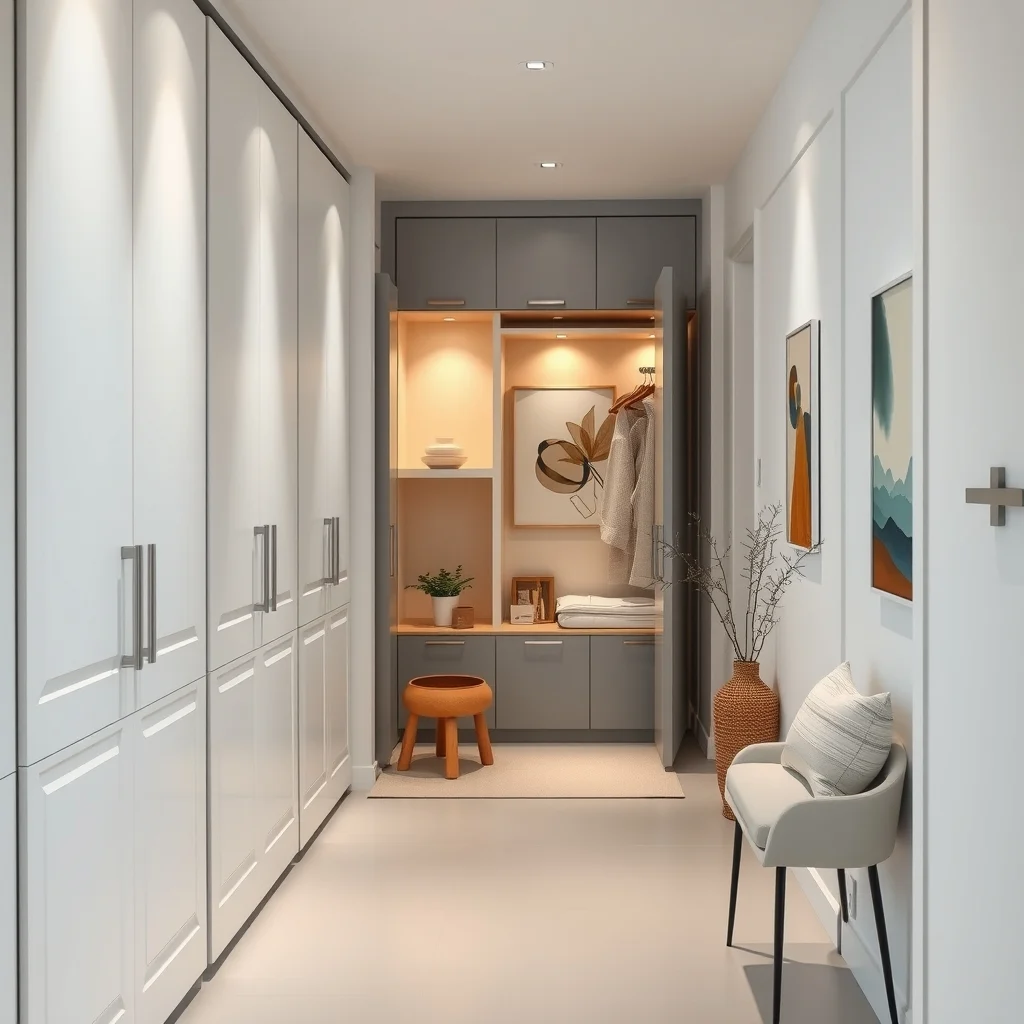
Clutter can quickly turn a bright space into a chaotic one. Built‑in storage solutions, such as floor‑to‑ceiling closets with sliding doors, preserve the clean lines of a white apartment. Open wardrobes painted in a soft matte white can hold folded linens while still maintaining visual continuity. For living areas, consider an ottoman with a hidden compartment; it offers seating and a place to stash blankets or magazines. When you store items, keep the exterior of containers uniform—perhaps using woven baskets or fabric bins in neutral tones—so the storage itself becomes part of the decor rather than a distraction.
FAQ
© 2026 AI Illustrator — Inspiration Only
How can I make a small white kitchen feel cozy?
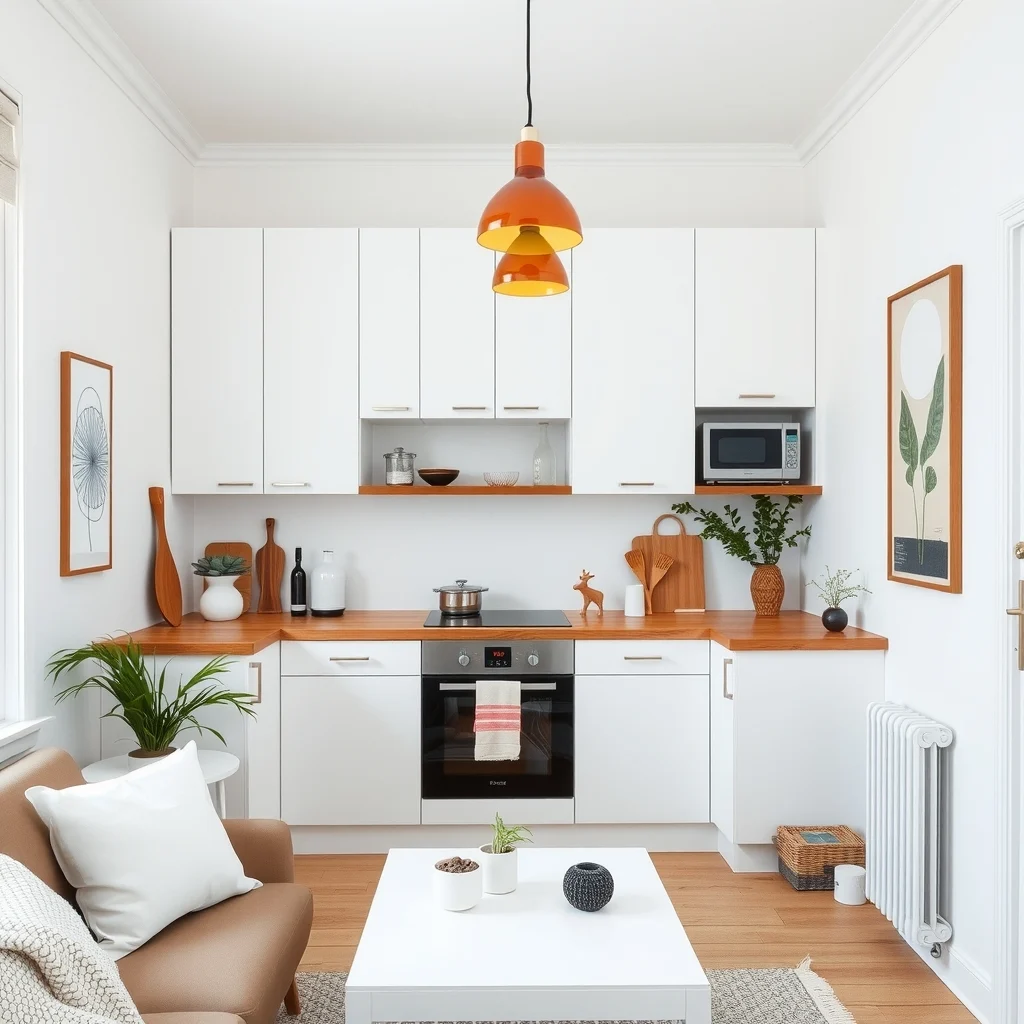
Introduce warm wood cabinets or a butcher‑block countertop, add pendant lighting with amber bulbs, and place a few herb pots on the windowsill. These elements bring texture and color without sacrificing space.
Is it okay to use dark furniture in a white apartment?
Dark pieces can work if balanced with lighter accents. Pair a dark sofa with a light rug and bright cushions to prevent the room from feeling heavy.
What type of rug works best on hardwood floors?
A low‑pile natural fiber rug, such as jute or sisal, adds softness while protecting the floor. Choose a neutral shade to complement the wood and keep the overall palette light.
Can I use wallpaper on a white wall without making the room feel busy?
A subtle, textured wallpaper in a soft neutral—like a linen‑look or a faint geometric pattern—adds depth without overwhelming the space. Apply it to a single accent wall for a gentle focal point.
How do I keep white surfaces looking clean?
Select finishes that are easy to wipe down, such as matte acrylic paint or semi‑gloss tiles. Use washable slipcovers on sofas and place coasters on tables to minimize marks.
Final Thoughts
© 2026 AI Illustrator — Inspiration Only
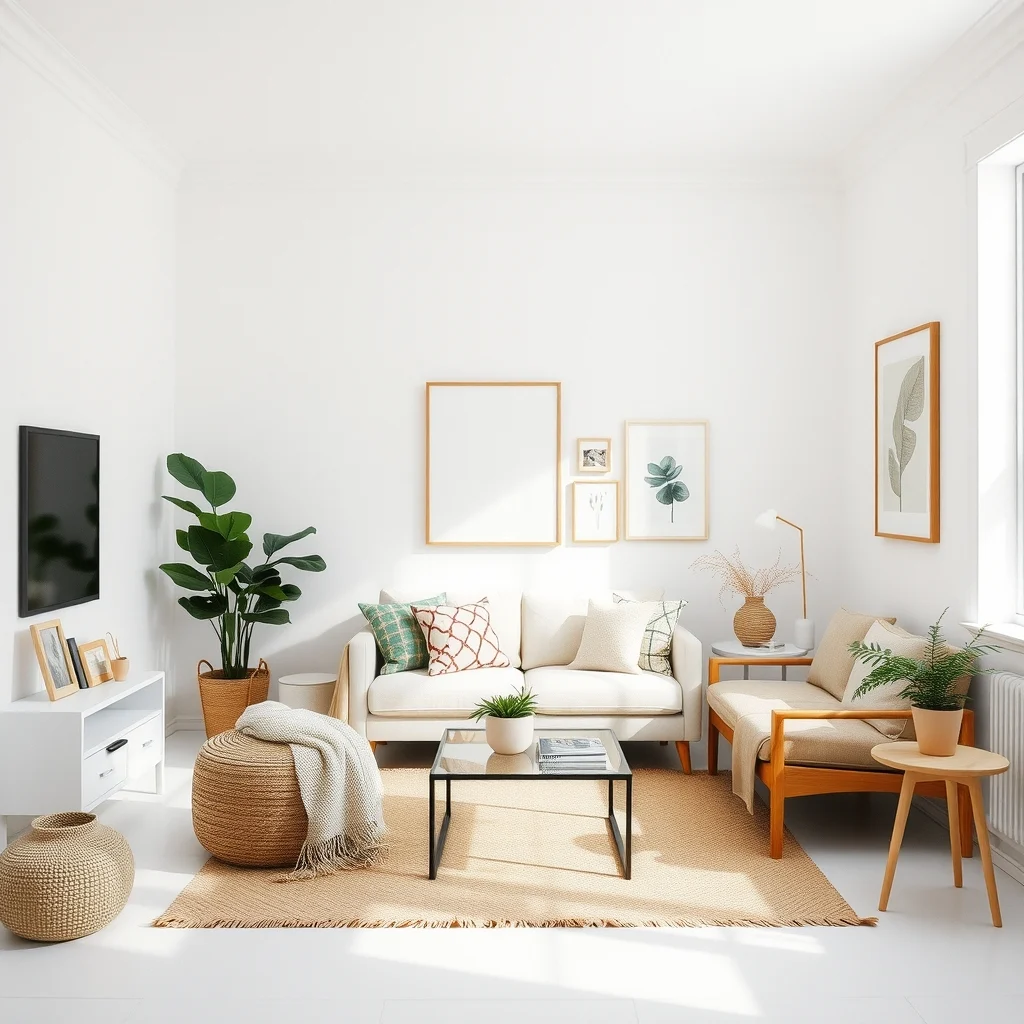
Decorating a white apartment is an exercise in balance: the brightness of the walls offers a canvas, while thoughtful layers of texture, color, and personal items create the warmth that makes a house feel like home. By introducing soft textiles, natural wood, measured accent hues, varied lighting, greenery, meaningful objects, and smart storage, you can shape a space that feels both inviting and uniquely yours. The result is a bright, airy environment that never feels sterile—a place where every element supports comfort and personality.