
North‑facing windows often bring a soft, cool light that can feel a bit flat, especially in smaller apartments where every square foot matters. The challenge is not just to add brightness, but to create a sense of warmth and depth without overwhelming the space. Below are seven ideas that blend natural light with purposeful fixtures, textures, and layout choices. Each approach works on its own, and together they give you a toolkit for turning a dim corner into a welcoming room.
1. Soften the Incoming Light with Sheer Window Treatments and Reflective Surfaces
© 2026 AI Illustrator — Inspiration Only
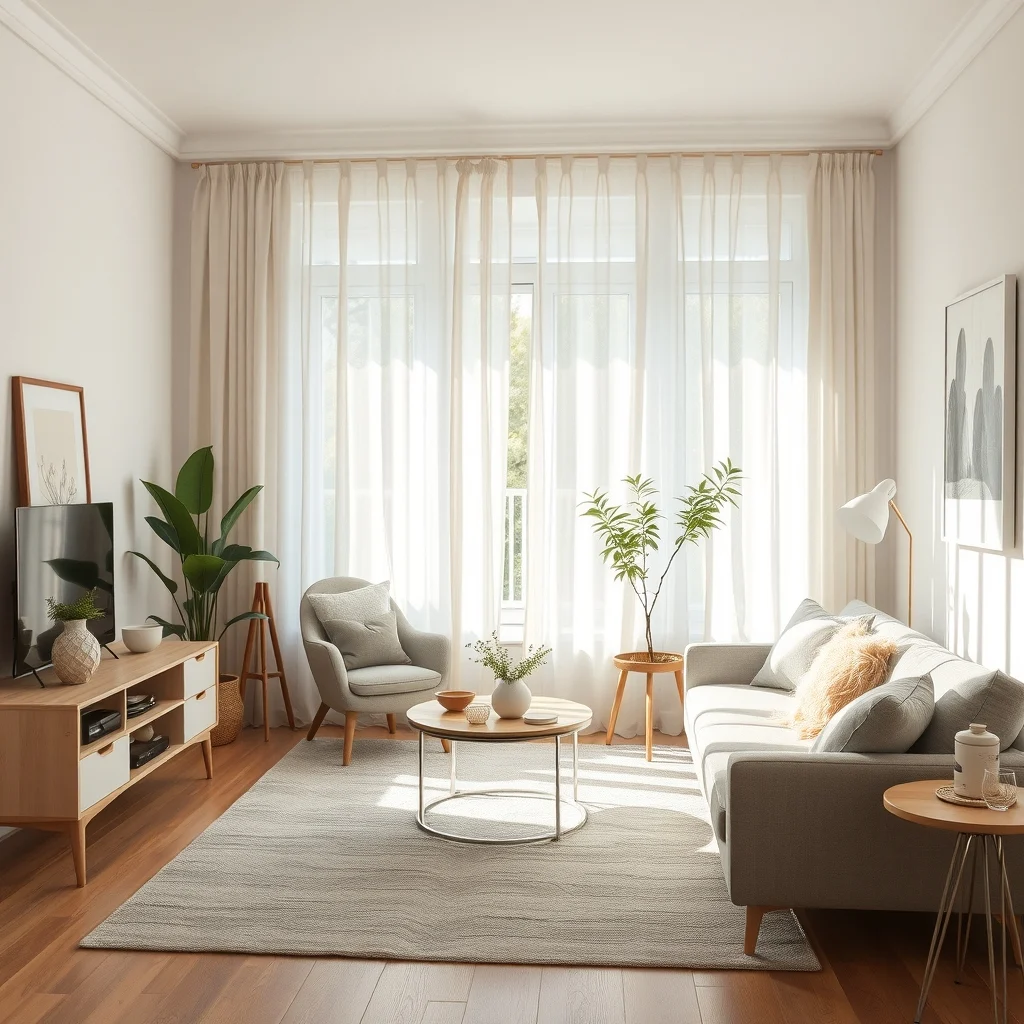
Sheer curtains made from linen or light cotton let the filtered north light diffuse across the room while still offering privacy. The translucency adds a gentle glow that feels more natural than a heavy blackout drape. Pair the curtains with a light‑colored rug or a glossy sideboard positioned near the window; the reflective surface catches the daylight and bounces it back into the space. This subtle amplification avoids glare and keeps the room feeling airy. If you have limited wall space, a mirrored wall panel placed opposite the window can achieve a similar effect without the need for a full‑length mirror. The trade‑off is that very light fabrics may require more frequent cleaning, especially in dust‑prone apartments.
What’s Your Apartment Decor Style?
Answer these quick questions to discover your perfect decor vibe.
2. Layer Artificial Light to Complement the Soft Daylight
© 2026 AI Illustrator — Inspiration Only
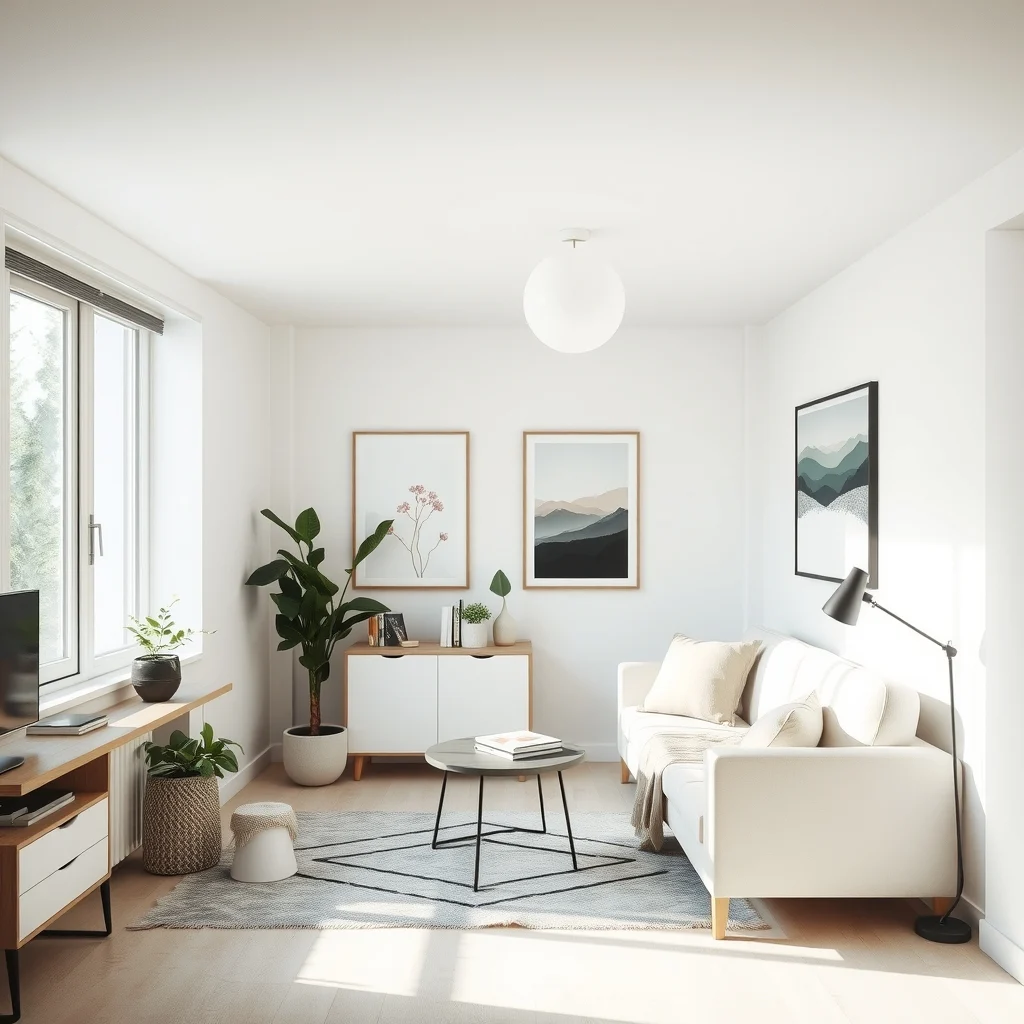
Relying on a single overhead fixture often leaves north‑lit rooms looking flat after sunset. Instead, think in layers: an ambient source such as a recessed LED, a task light like a sleek desk lamp, and an accent piece such as a wall‑mounted sconce. The ambient light provides overall illumination, while the task lamp focuses brightness where you need it—over a reading chair or kitchen island. Accent lighting adds visual interest, highlighting artwork or a bookshelf. By selecting bulbs with a warm color temperature (around 2700‑3000 K), you introduce a gentle contrast to the cool daylight, creating a balanced atmosphere. The downside is the need to manage multiple switches or a dimmer system, but the added flexibility usually outweighs the extra wiring.
3. Install Warm‑Toned LED Strips Behind Cabinets or Shelving
© 2026 AI Illustrator — Inspiration Only
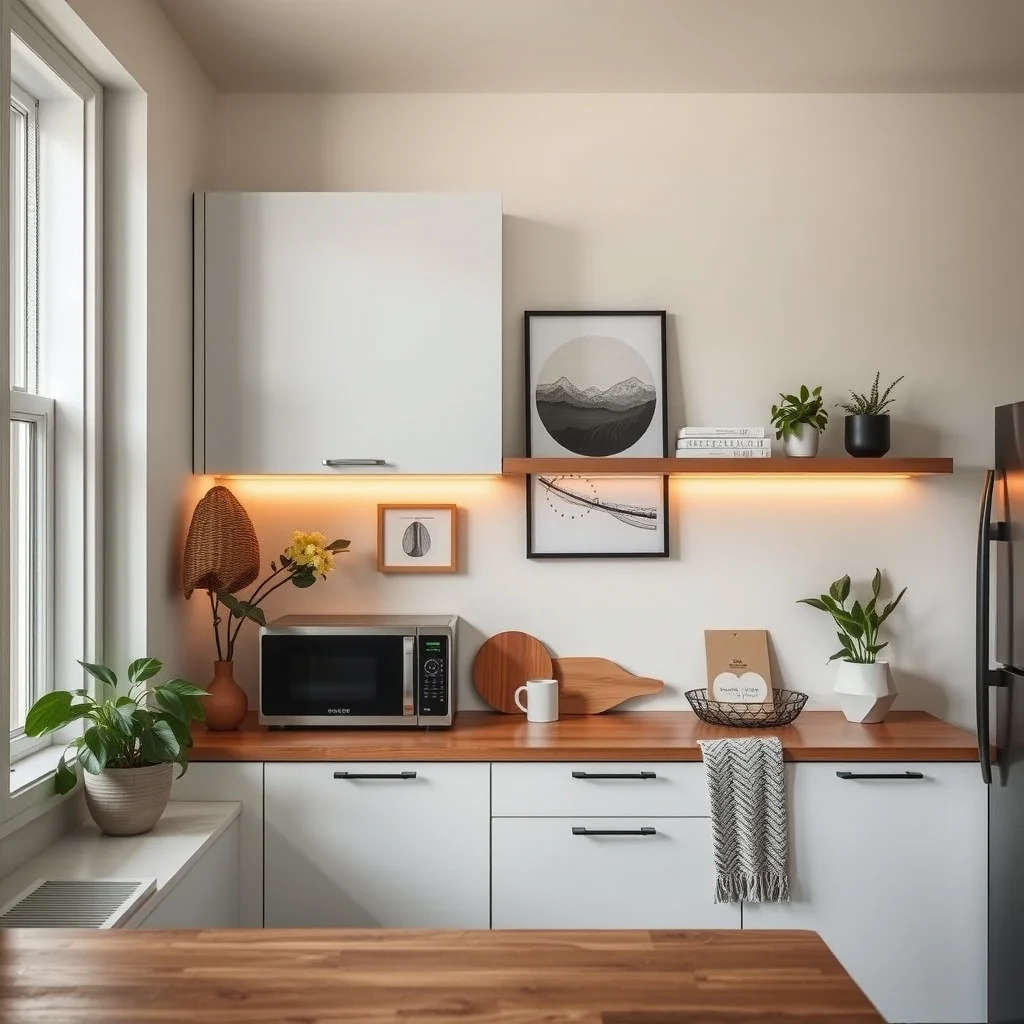
LED strips that emit a soft amber hue work well behind floating cabinets, open shelving, or even under a kitchen countertop. When the north light wanes, the hidden glow adds depth without dominating the room’s visual field. Because the light originates from the edge of a surface, it creates a subtle halo that makes the surrounding area feel more intimate. Choosing a low‑profile, dimmable strip lets you adjust the intensity for different times of day. One consideration is that installing strips may require a small amount of carpentry or the assistance of an electrician, especially if you want the wiring concealed.
4. Arrange Furniture to Capture and Redirect Light
© 2026 AI Illustrator — Inspiration Only
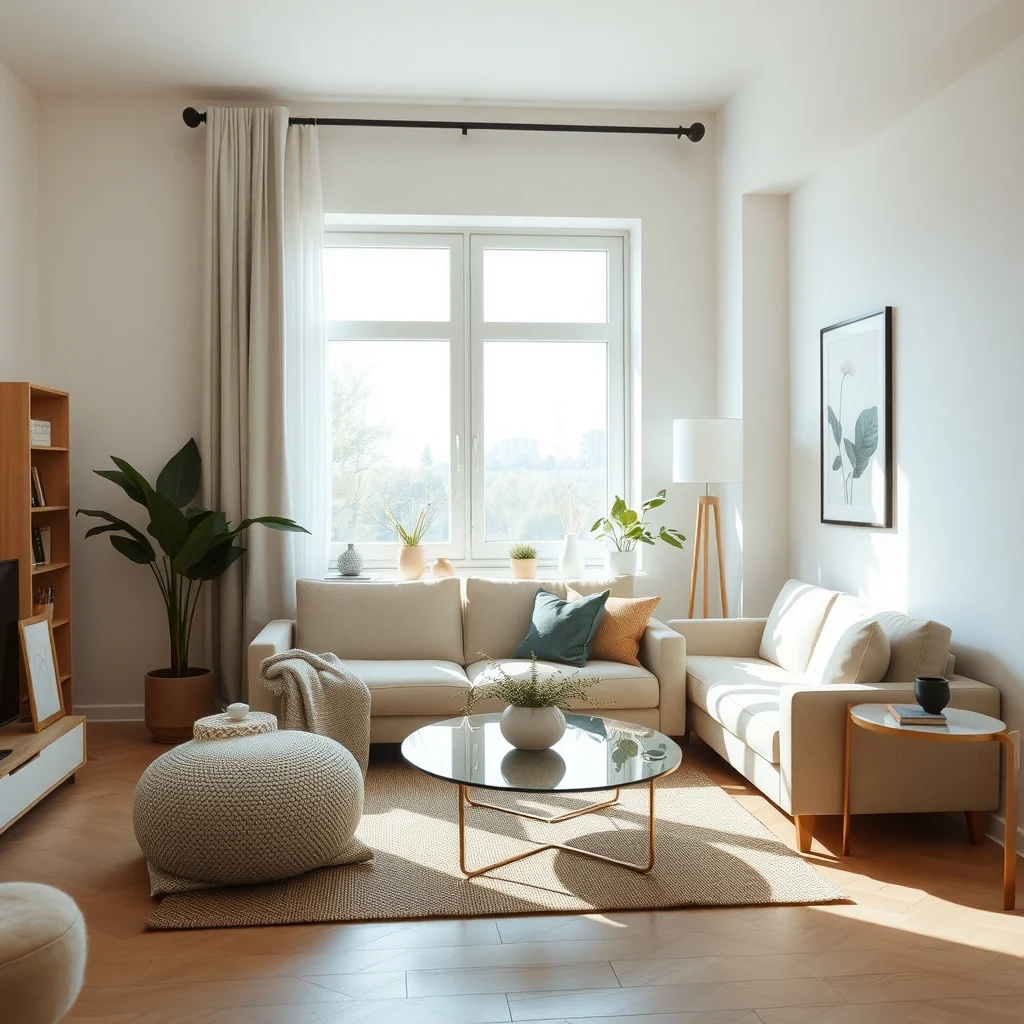
Placing a low, light‑colored sofa or a sleek glass coffee table close to the window encourages the incoming light to travel across the seating area. A reflective coffee table not only serves its functional purpose but also sends light toward the back of the room, reducing shadows. When space permits, angle a bookshelf or a console so its back panel faces the window; a lightly lacquered wood surface will reflect the daylight deeper into the room. This arrangement can make the space feel larger, but be mindful of traffic flow—avoid blocking pathways with bulky pieces, which can create a cramped feeling.
5. Use Mirrors Strategically to Multiply Natural Light
© 2026 AI Illustrator — Inspiration Only
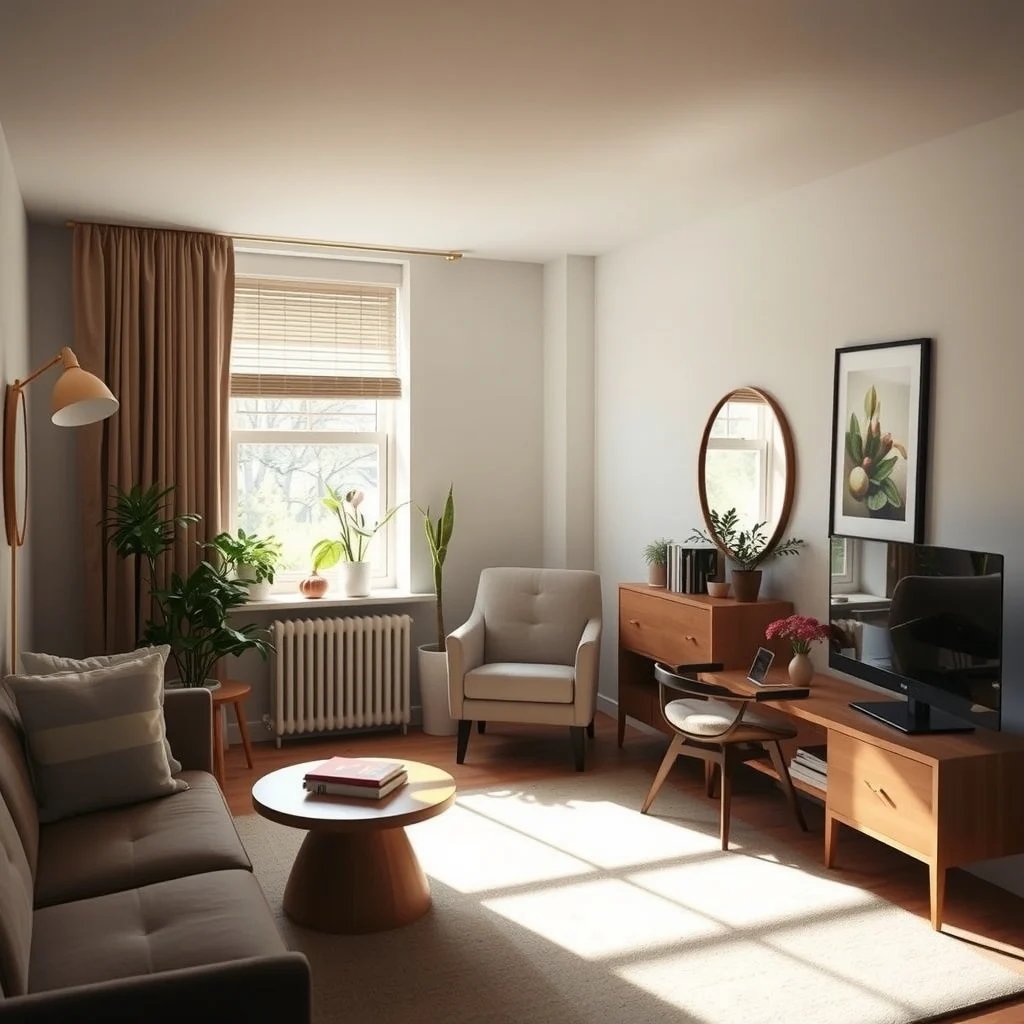
A well‑placed mirror can turn a modest north‑lit room into a bright, open area. Position a medium‑sized mirror on a wall perpendicular to the window so that it reflects the incoming light across the room rather than sending it back out the same way. A decorative frame adds personality without detracting from the mirror’s function. If wall space is limited, consider a leaning mirror on a console table; the tilt allows you to adjust the angle of reflection as the sun moves. Mirrors do amplify light, but they can also highlight clutter, so keep the reflected area tidy.
6. Choose Color Palettes and Textures That Enhance Cool Daylight
© 2026 AI Illustrator — Inspiration Only
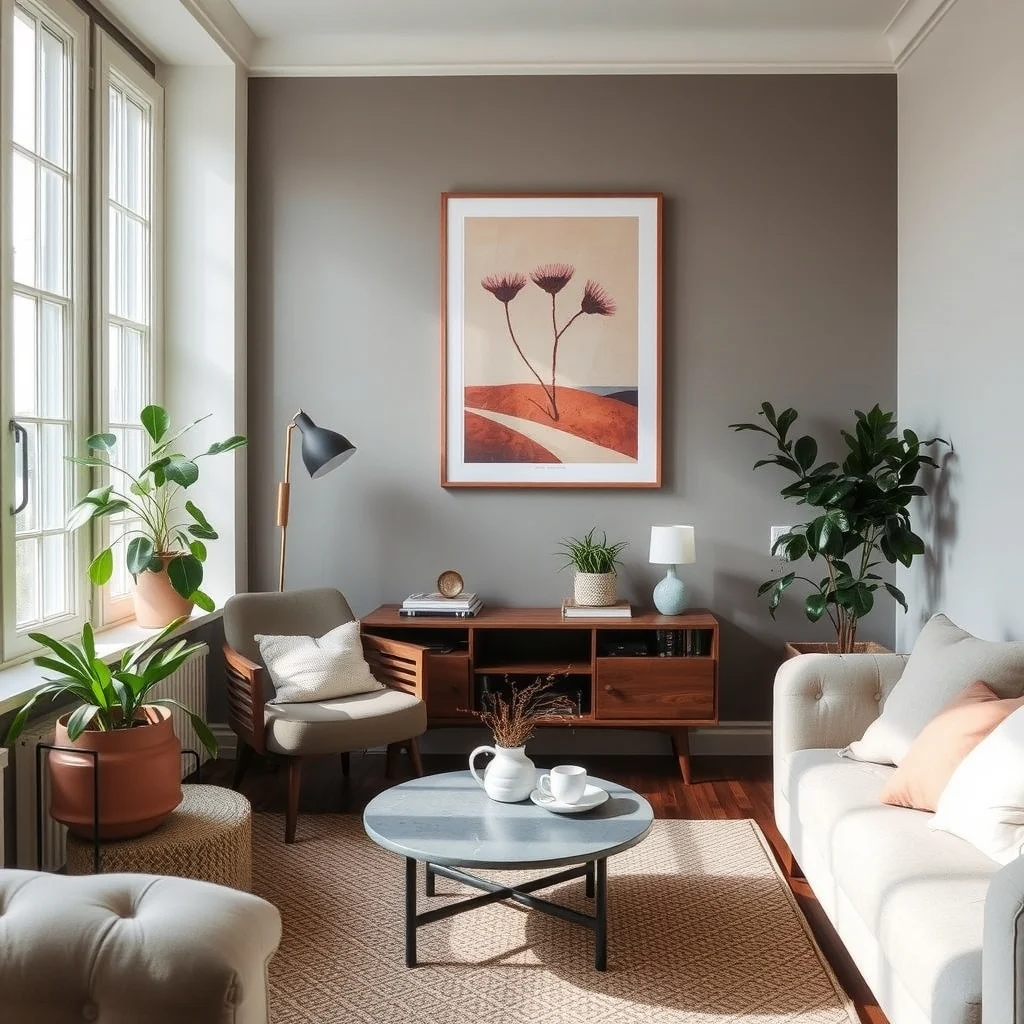
Cool daylight pairs nicely with warm neutrals such as soft greige, muted terracotta, or a gentle olive. These hues absorb just enough light to prevent the room from feeling washed out, while still maintaining a welcoming vibe. Incorporate texture through a chunky knit throw, a woven jute rug, or a brushed‑brass lamp base; tactile elements add visual interest that compensates for the lack of strong shadows. However, very dark colors can make the space feel confined when the natural light is at its weakest, so reserve deeper tones for accent pieces rather than large walls.
7. Make a Statement with a Focal Lighting Fixture
© 2026 AI Illustrator — Inspiration Only
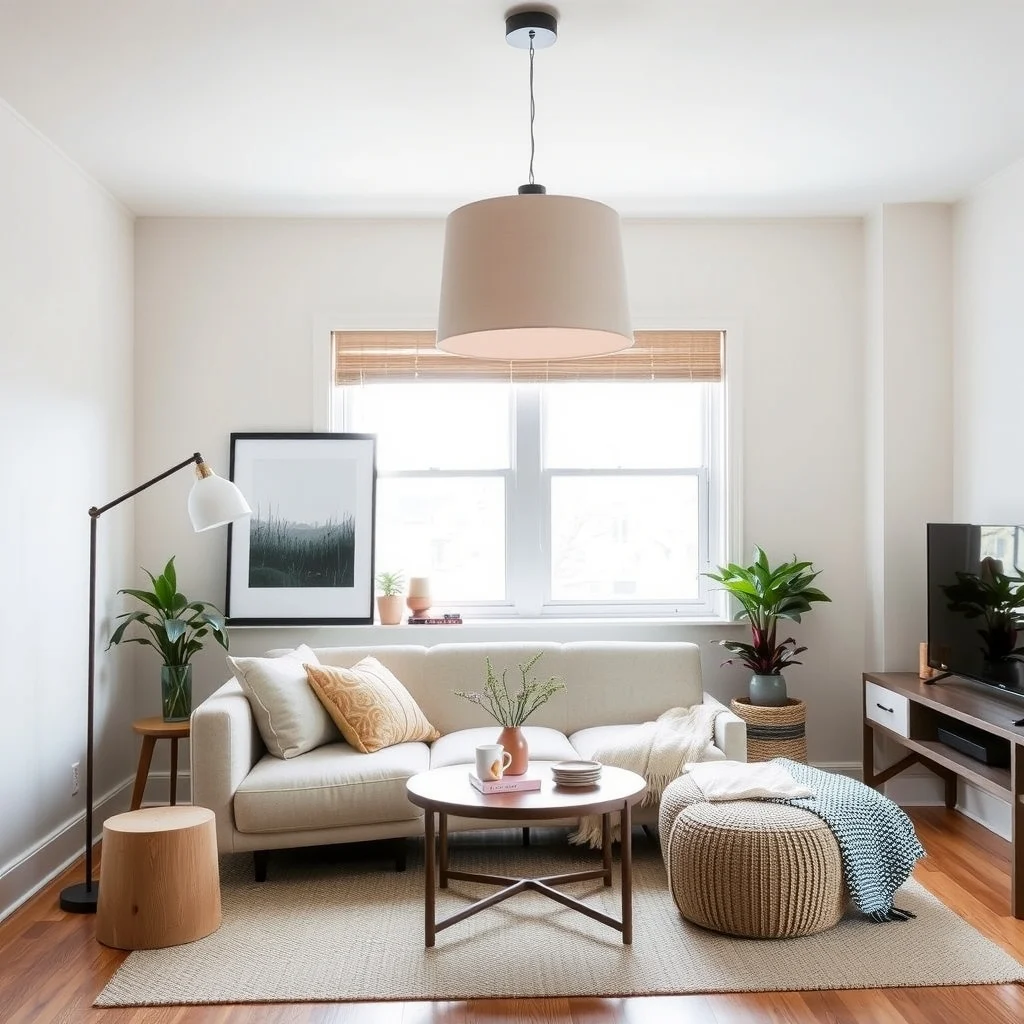
A sculptural floor lamp or an oversized pendant can become the centerpiece of a north‑lit room, drawing the eye upward and providing a source of light that feels intentional. Choose a fixture with an adjustable head or dimming capability so you can tailor the illumination to different activities—from a bright reading session to a relaxed evening ambience. Materials like brushed nickel or matte black add a contemporary touch without competing with other decor elements. The main compromise is that a larger fixture may dominate a small room, so scale the piece to the floor area and keep surrounding furniture streamlined.
FAQ
© 2026 AI Illustrator — Inspiration Only
How can I brighten a north‑facing bedroom without making it feel harsh?
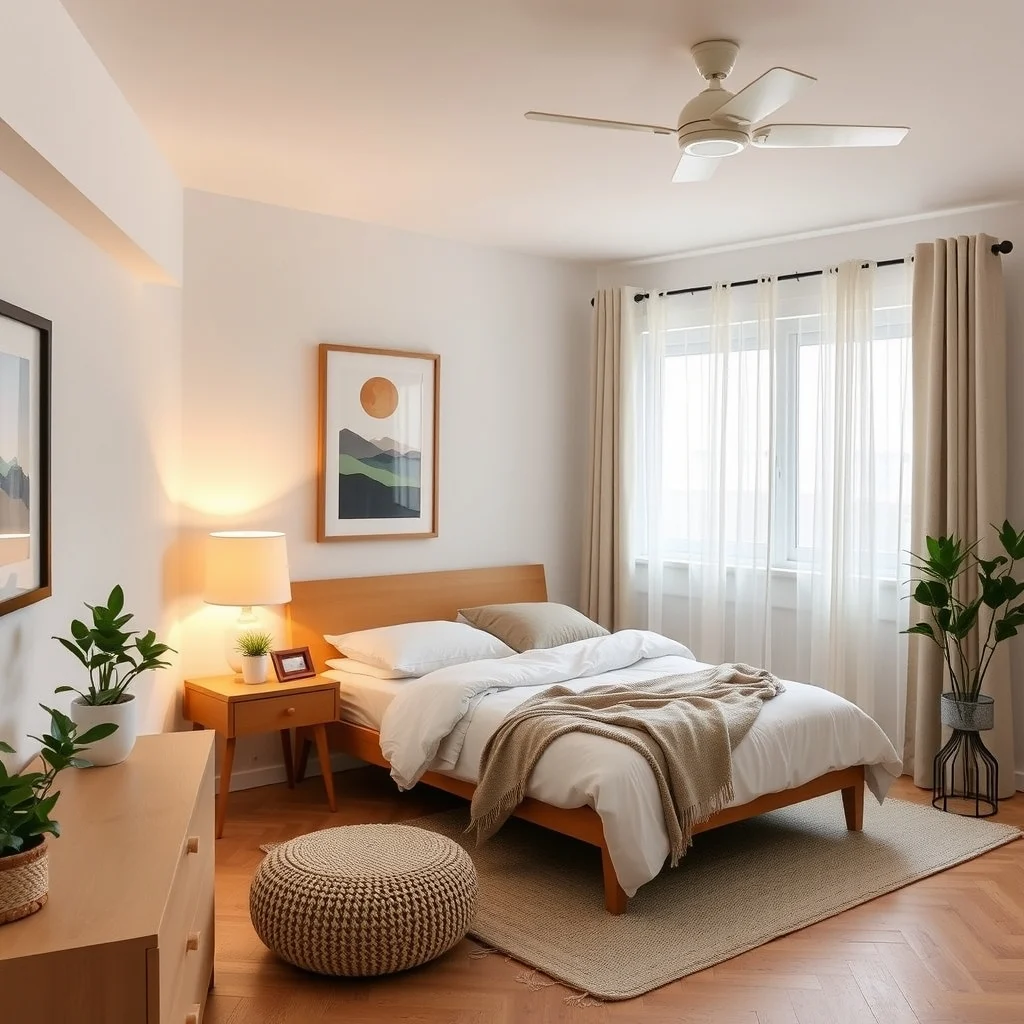
Use layered lighting with a warm bedside lamp and a soft overhead fixture, and add sheer curtains to diffuse the natural light.
Are LED strip lights safe for DIY installation in an apartment?
Yes, most LED strips are low‑voltage and can be installed with adhesive backing, but you should follow the manufacturer’s instructions and avoid exposing connections to moisture.
What mirror size works best for a small living room with north‑facing windows?
A mirror that is roughly two‑thirds the width of the wall opposite the window provides enough reflection without overwhelming the space.
Can I use dark paint in a room that receives limited natural light?
Dark paint can be used, but it’s best applied to accent walls or trim rather than covering all four walls, which could make the room feel enclosed.
Do floor lamps need to be placed near a power outlet?
Floor lamps typically require a nearby outlet, so plan the lamp’s location around existing wiring or use an extension cord that complies with safety codes.
Final Thoughts
© 2026 AI Illustrator — Inspiration Only
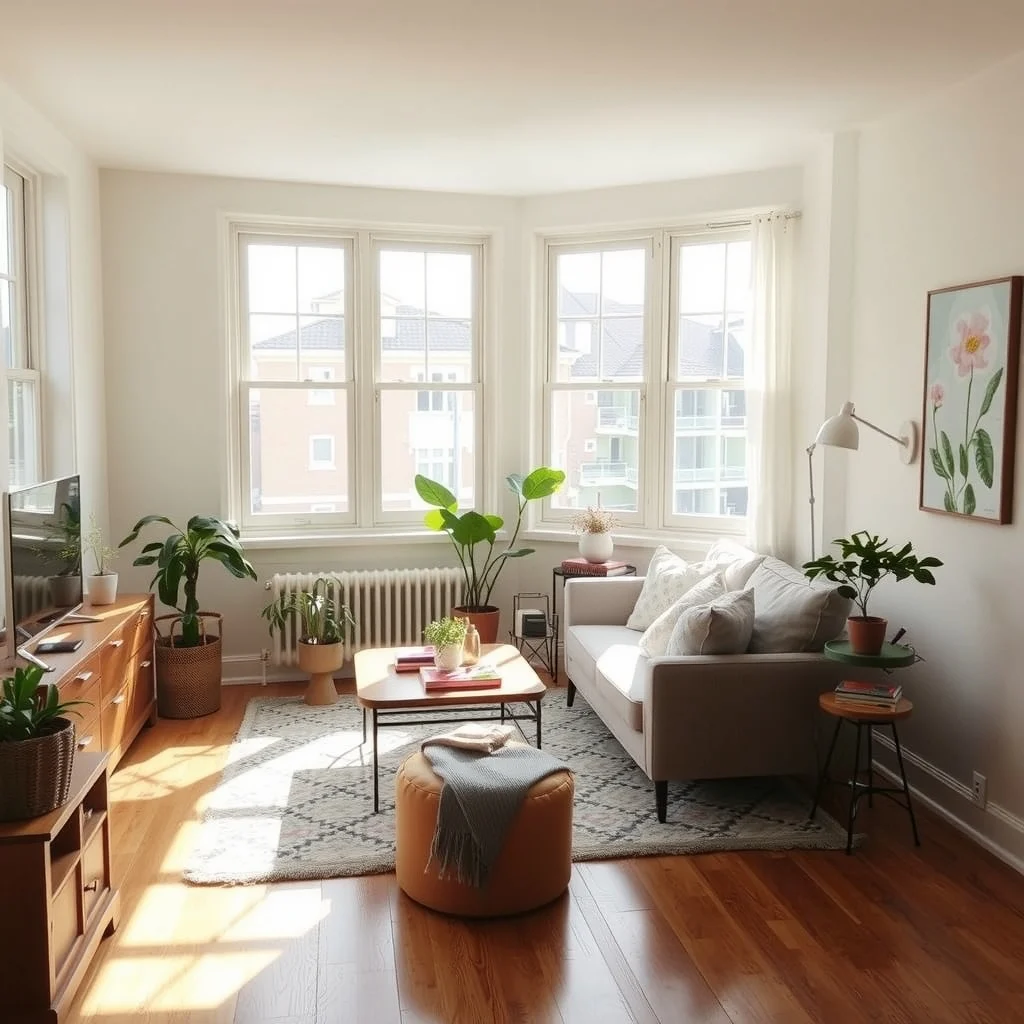
North‑facing windows present a unique lighting challenge, but with thoughtful layering, reflective strategies, and purposeful color choices, you can transform a dim corner into a comfortable, well‑lit haven. Consider the flow of light throughout the day, balance artificial sources with natural softness, and choose pieces that serve both function and style. By applying these ideas, your apartment will feel brighter, more inviting, and perfectly suited to the subtle light that a north orientation provides.