
Living in a rental often means working within the constraints of a landlord’s existing wiring, but that doesn’t have to leave your space stuck in dimness. A thoughtful approach to lighting can change the mood of a studio, make a cramped bedroom feel larger, or add a touch of personality to an otherwise generic kitchen. The good news is that most upgrades rely on fixtures, accessories, and smart placement rather than opening walls or pulling new circuits. In the sections that follow, you’ll discover seven ways to brighten, soften, or dramatize your rooms using only tools you can take with you when the lease ends. Each idea is explained with the look it creates, why it works, and practical steps to bring it to life.
1. Swap Out Existing Bulbs for Warm‑White LEDs
© 2026 AI Illustrator — Inspiration Only
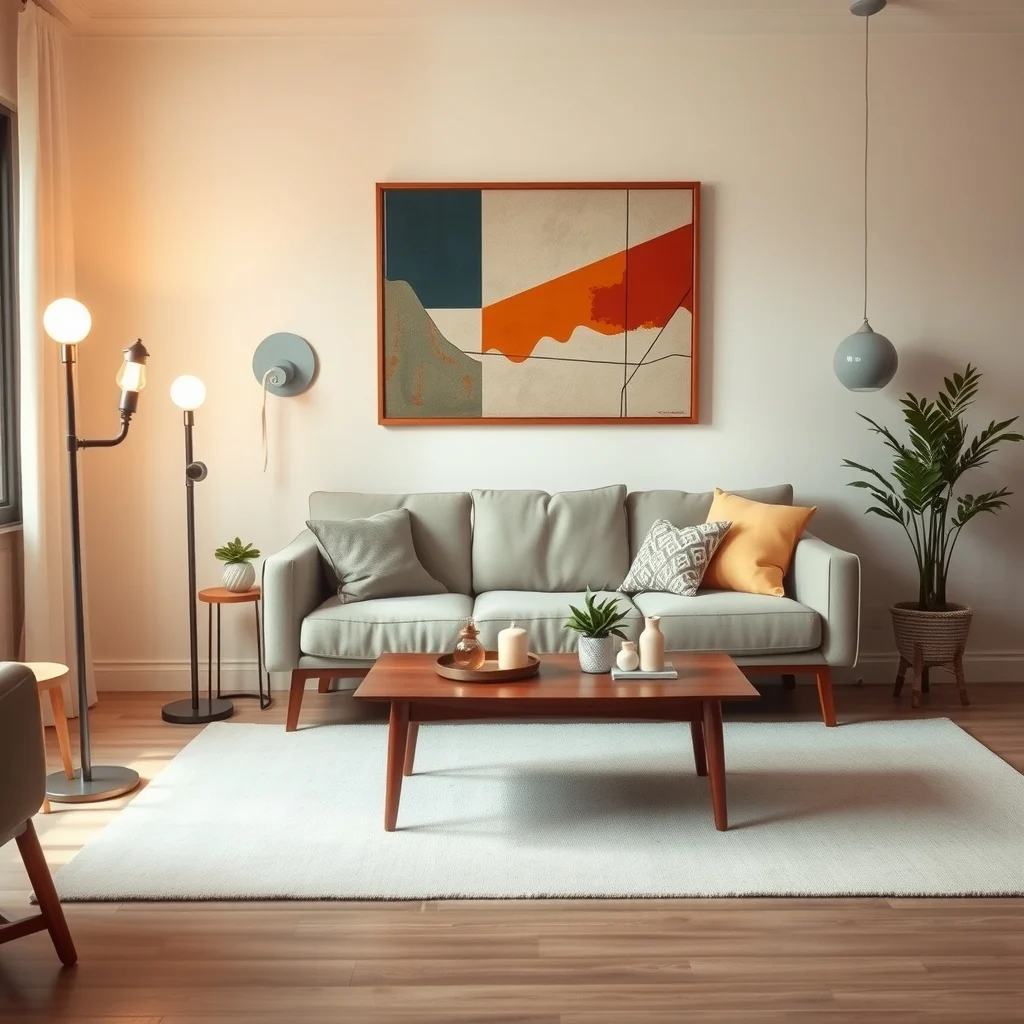
The first, and often most noticeable, change comes from the type of bulb you choose. Traditional incandescent bulbs emit a warm, amber glow that can feel cozy, but they also produce a lot of heat and consume more energy. Replacing them with warm‑white LED bulbs (around 2700‑3000 K) gives a similar softness while delivering a steadier, cleaner light. Because LEDs fit into the same sockets, the swap is instant and reversible, making it perfect for renters. When you select a bulb with a high CRI (color rendering index), fabrics, wood tones, and artwork appear more true‑to‑life, which is especially helpful in rooms with neutral walls where color can otherwise feel flat. The main trade‑off is the initial cost; quality LEDs are pricier than cheap whites, but they last years longer and keep electricity bills modest. Once installed, you’ll notice the room feels brighter without the harsh glare of cool‑white fluorescents.
What’s Your Apartment Decor Style?
Answer these quick questions to discover your perfect decor vibe.
2. Add Plug‑In Track Lighting for Flexible Overhead Glow
© 2026 AI Illustrator — Inspiration Only
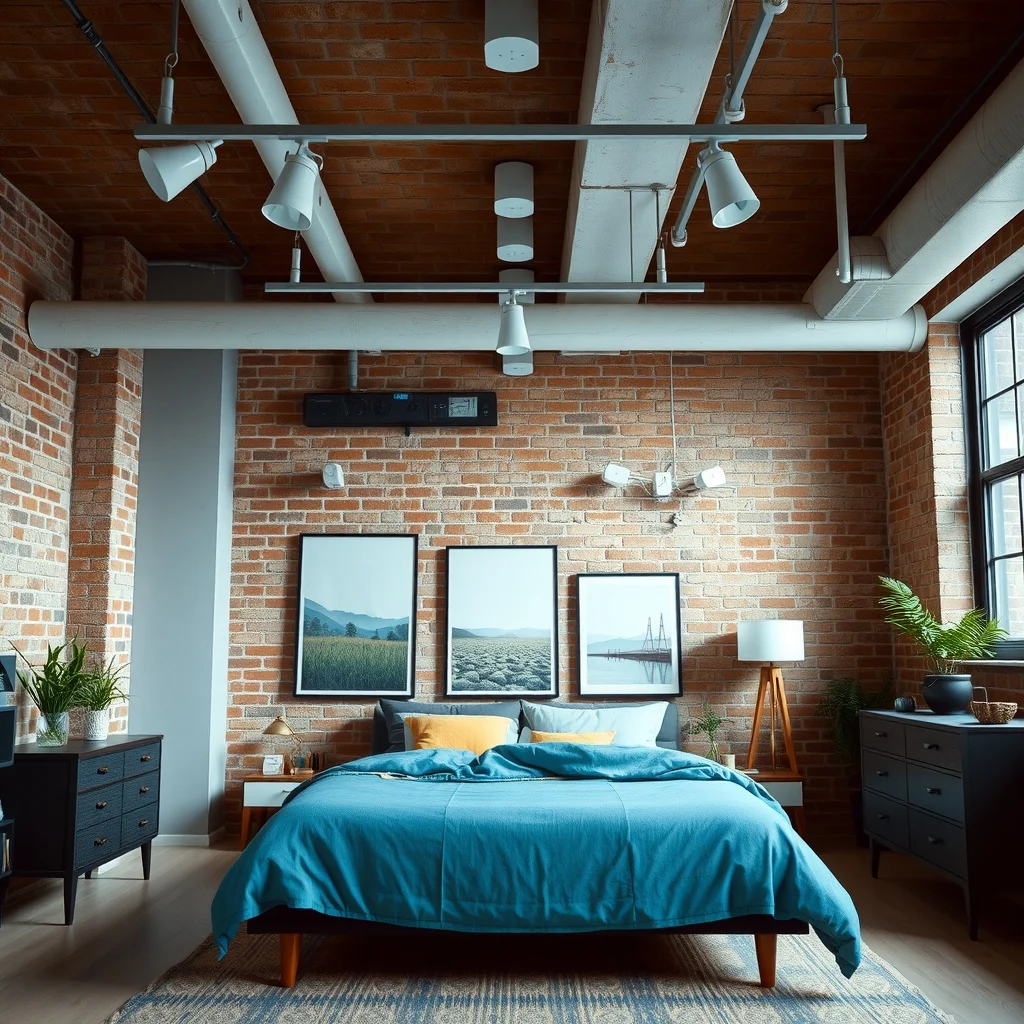
Track lighting is a versatile solution that hangs from the ceiling without any permanent wiring. A plug‑in track system includes a slim metal rail, a power cord, and adjustable heads that can be angled toward a reading nook, a dining table, or a piece of art. Because the track is secured with a few screws into the ceiling joist and the cord simply plugs into an existing outlet, removal is straightforward. The ability to move the heads lets you experiment with layers of light—bright direct illumination for work tasks and softer accent light for evenings. When paired with warm‑white LEDs, the track creates a cohesive look that feels intentional rather than temporary. One limitation is that the track’s length is fixed, so it works best in rooms where the ceiling height allows the fixture to sit just below the light source without crowding the space.
3. Embrace Floor Lamps with Adjustable Arms
© 2026 AI Illustrator — Inspiration Only
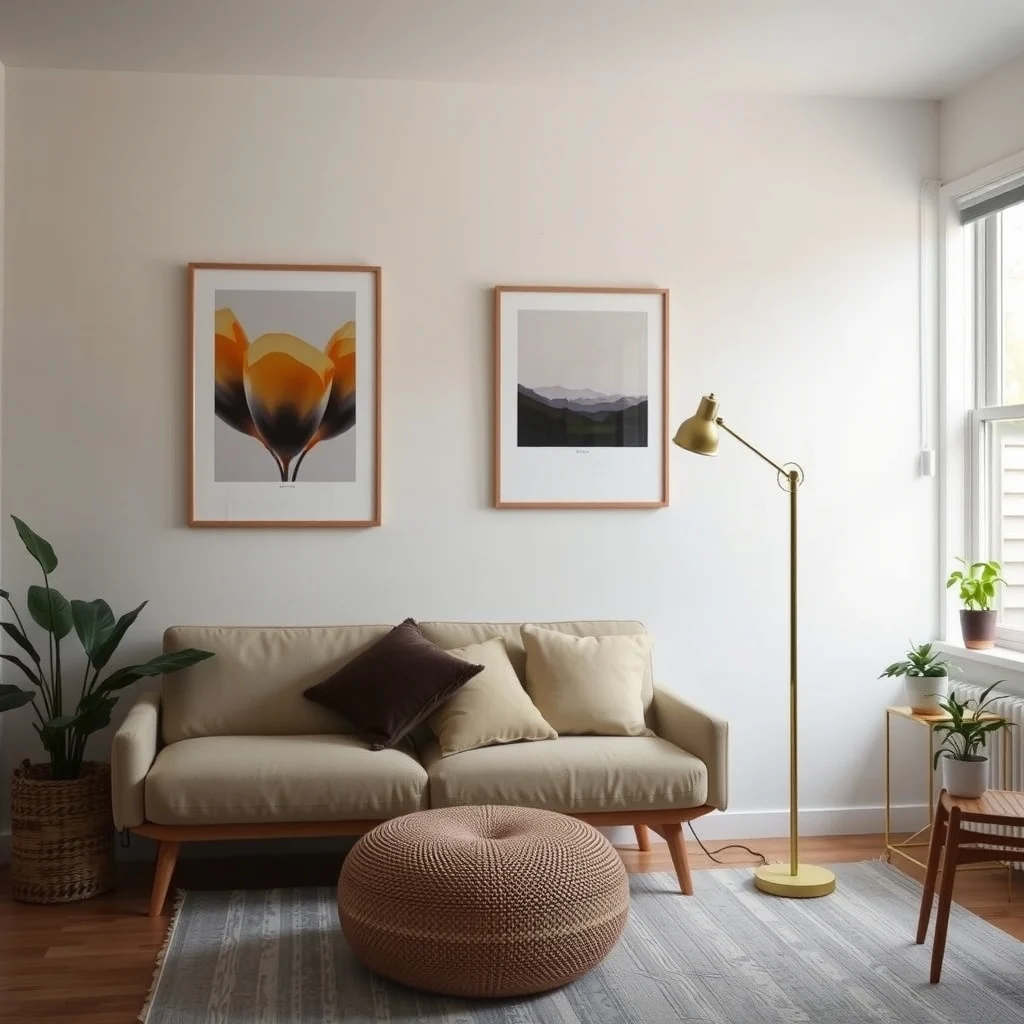
Floor lamps have the advantage of standing independently, which means you can relocate them whenever a new layout calls for it. An adjustable‑arm model, especially one with a dimmable LED bulb, offers both task lighting and ambient glow. Position the lamp beside a sofa to cast a gentle wash over a coffee table, or pull it into a corner to brighten a dark hallway. Materials such as brushed brass or matte black finish can either complement a modern industrial aesthetic or add a subtle contrast to softer décor. The height of the lamp should be roughly eye level when seated, allowing the light to reach the reading position without causing glare. The main consideration is floor space; a bulky base can dominate a small room, so choose a slender profile if you need to keep the footprint light.
4. Install Battery‑Operated Under‑Cabinet Strips in the Kitchen
© 2026 AI Illustrator — Inspiration Only
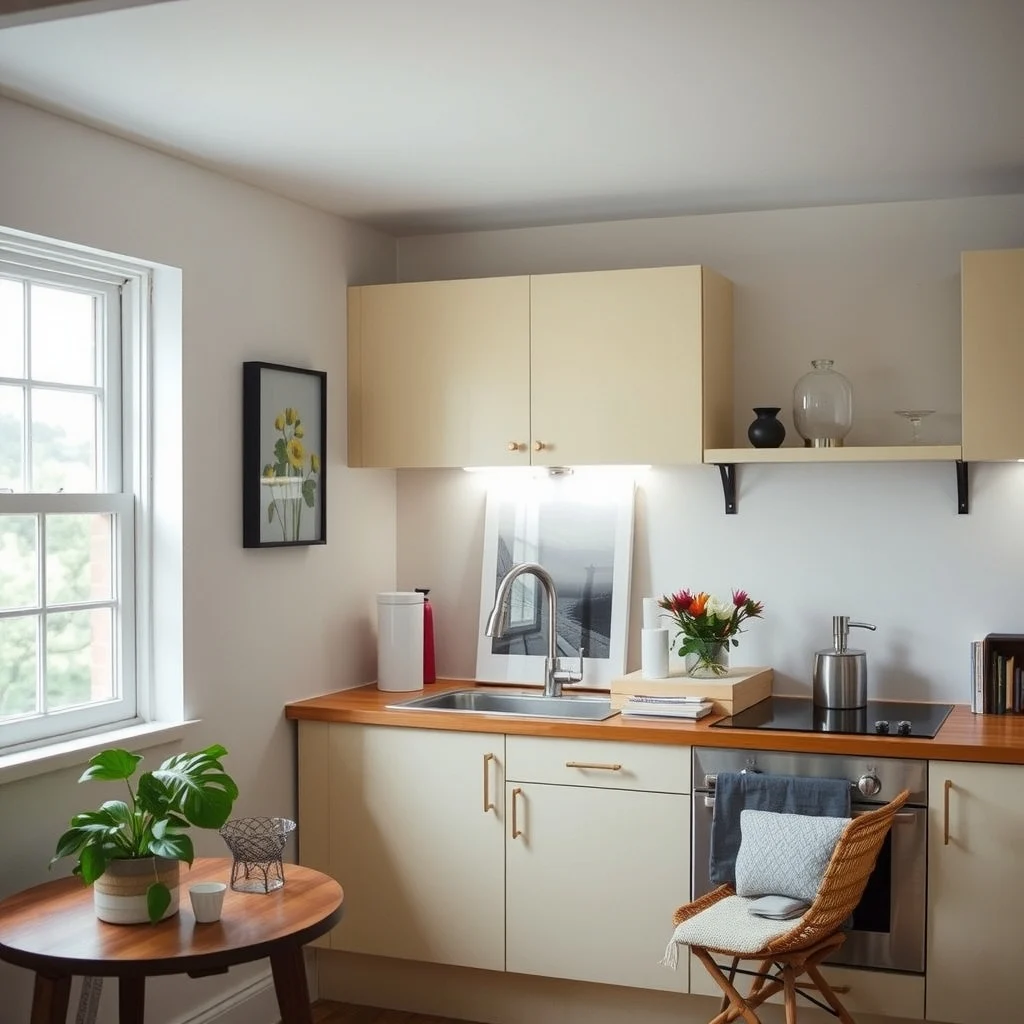
Even without wiring, you can add a layer of illumination to kitchen work surfaces by using battery‑powered LED strips that cling to the underside of cabinets. These thin ribbons emit a soft, even glow that eliminates shadows on countertops, making food prep safer and more pleasant. Because the strips are adhesive, they stay in place without drilling, and when the batteries run low you simply replace them—no tools required. Choose a color temperature that matches the rest of your lighting; a warm tone blends with pendant lights, while a cooler hue can highlight the natural colors of fresh produce. The downside is the limited runtime of the batteries, which means you’ll need to keep spares handy. Still, the visual impact is immediate, and the strips can be removed without leaving residue, preserving the rental’s original condition.
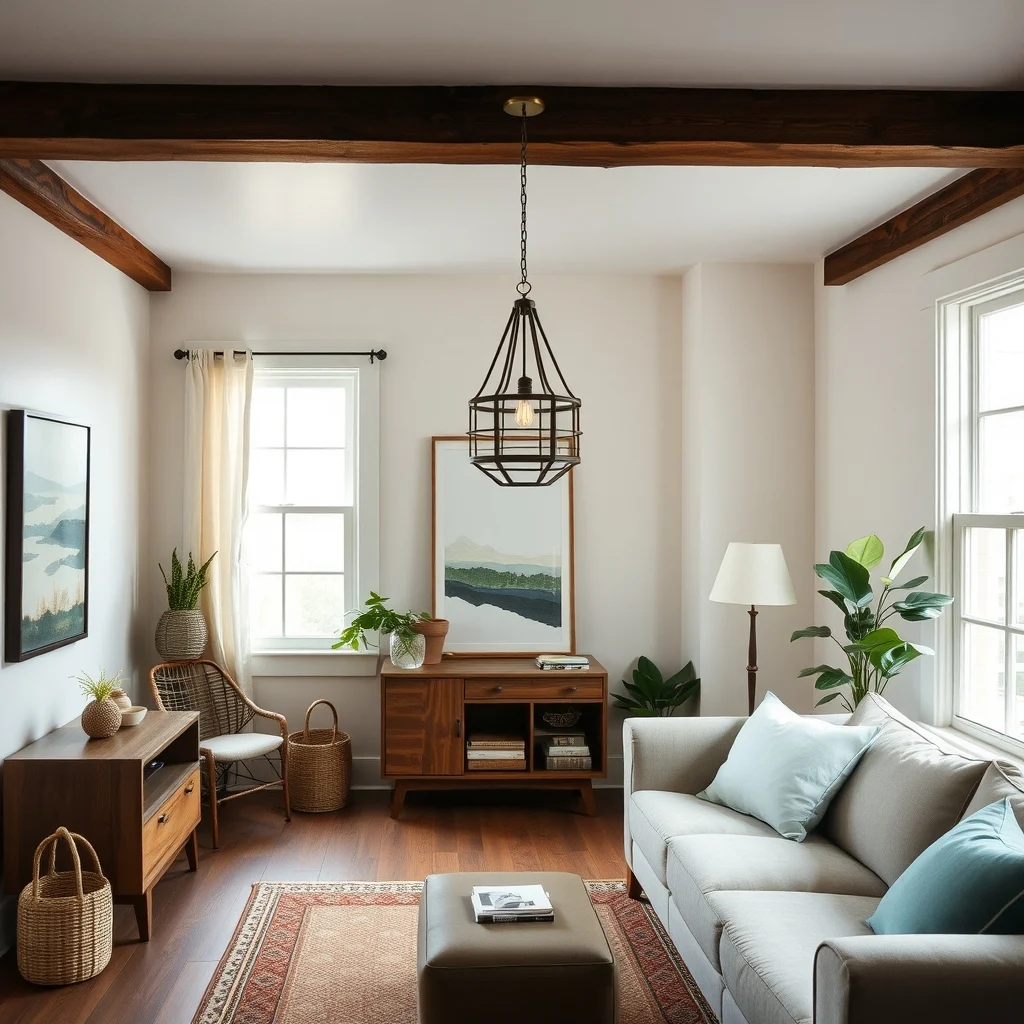
5. Hang Decorative Lanterns from Ceiling Hooks
© 2026 AI Illustrator — Inspiration Only
Ceiling hooks provide a low‑impact way to suspend lanterns, pendant lights, or even small chandeliers that use a standard lamp socket. A simple screw‑in hook can be placed in a joist, and the fixture’s cord plugs into an existing outlet via an in‑wall extension cord that runs neatly along the wall. Lanterns made of metal or glass add texture and visual interest, casting patterned shadows that enrich the room’s atmosphere. Because the fixtures are self‑contained, you avoid any permanent electrical work. When selecting a lantern, consider the size of the room: a large, ornate piece can dominate a spacious loft, whereas a modest brass globe works well in a compact bedroom. The main limitation is the need for a sturdy hook that can support the weight; always verify the ceiling material before drilling.
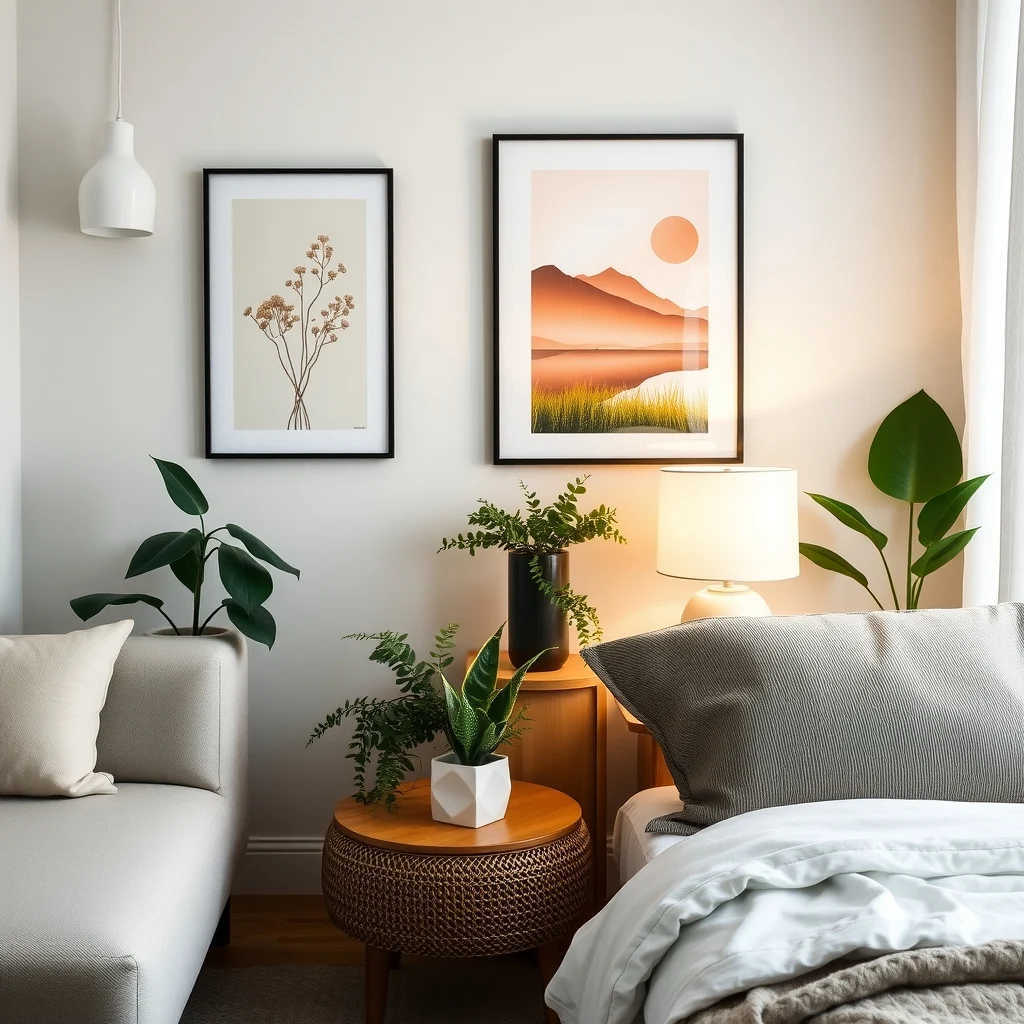
6. Use Tabletop Lamps with Built‑In USB Ports
© 2026 AI Illustrator — Inspiration Only
Modern tabletop lamps often incorporate USB ports, allowing you to charge phones, tablets, or a Bluetooth speaker while the lamp provides illumination. Placing one of these lamps on a bedside table or a desk creates a tidy charging station, reducing the clutter of cords and adapters. The integrated LED typically offers adjustable brightness, so you can dim the light for a relaxed evening or boost it for focused reading. When the lamp’s base is made from wood or ceramic, it adds a tactile element that balances the sleekness of the electronic ports. A practical tip is to match the lamp’s shade color to the room’s accent tones; a soft gray shade can blend into a neutral palette, while a deep teal shade introduces a subtle pop. The only drawback is the reliance on a wall outlet nearby, which may require a short, discreet power strip if outlets are limited.
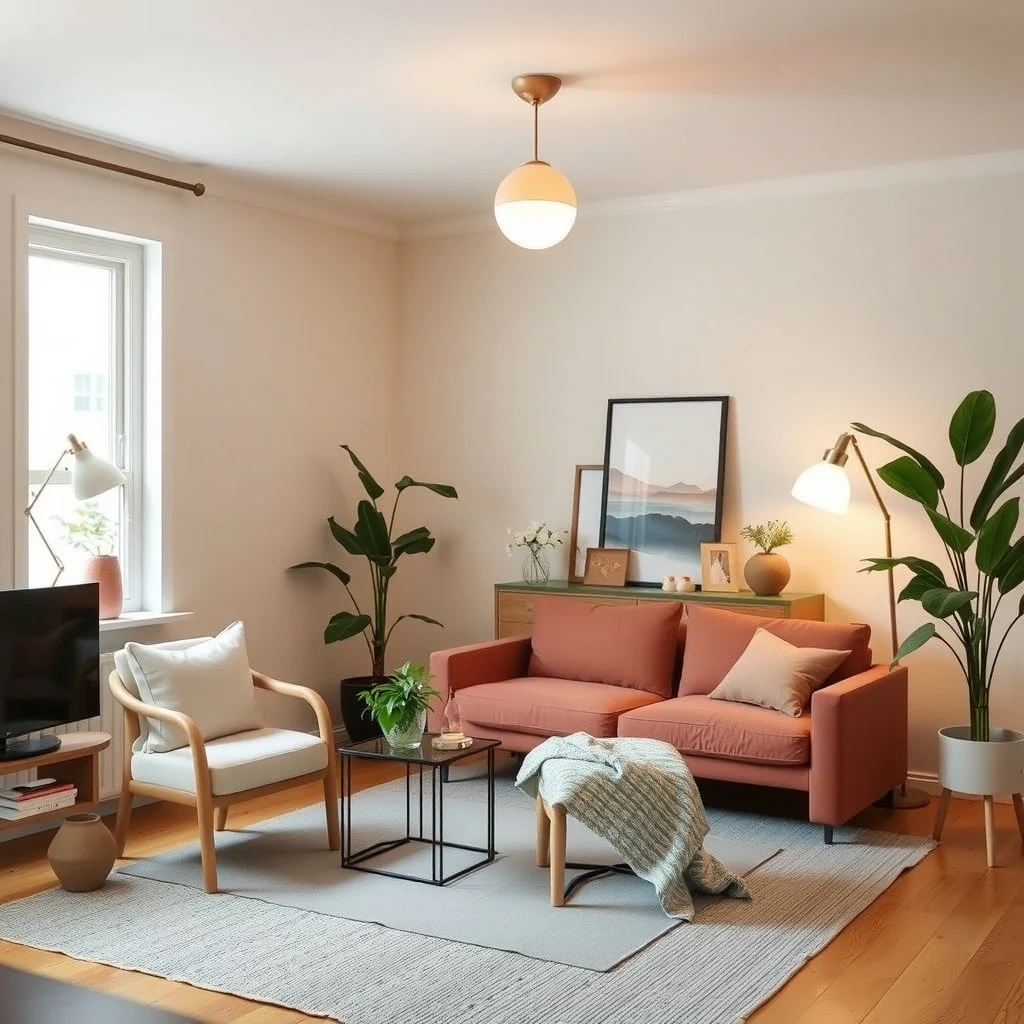
7. Incorporate Smart Bulbs Controlled by a Mobile App
© 2026 AI Illustrator — Inspiration Only
Smart bulbs give you control over color temperature, brightness, and scheduling without any physical switches. By installing a smart bulb in an existing fixture, you can program it to dim automatically at sunset, change to a warmer hue for movie night, or flash a gentle reminder to take a break from the screen. Most smart bulbs connect via Wi‑Fi, so there’s no need for a hub or additional wiring. The flexibility is especially useful in rentals where you cannot replace switches; the app becomes your virtual dimmer. When choosing a bulb, look for one that integrates with the voice assistants you may already use, such as Alexa or Google Assistant, to keep hands free. The trade‑off is the dependence on a stable internet connection; if the network drops, the bulb reverts to its last set state.
FAQ
© 2026 AI Illustrator — Inspiration Only
Can I install plug‑in track lighting without damaging the ceiling?
Yes, plug‑in track lighting can be mounted using a few screws into the ceiling joist, and the power cord simply plugs into an outlet. When you move out, the screws can be removed and the holes patched.
Do battery‑operated under‑cabinet lights provide enough brightness for cooking?
They offer a subtle wash that reduces shadows on countertops, which is helpful for most prep tasks. For intensive cooking, you may still rely on the main overhead fixture, but the strips improve overall visibility.
Are smart bulbs safe to use in older rental buildings?
Smart bulbs draw the same amount of power as regular LEDs, so they are safe for standard fixtures. Just ensure the existing wiring is in good condition and follow the manufacturer’s installation instructions.
What is the best way to hide cords from floor lamps in a small room?
Running the cord along the baseboard and securing it with a small adhesive clip keeps it out of sight. If the room has a rug, you can also lay the cord underneath, where it is less noticeable.
Do decorative lanterns require any special electrical adapters?
Most lanterns use a standard E26 socket, so they can plug into a regular outlet or an in‑wall extension cord. No additional adapters are needed beyond the cord that comes with the fixture.
Final Thoughts
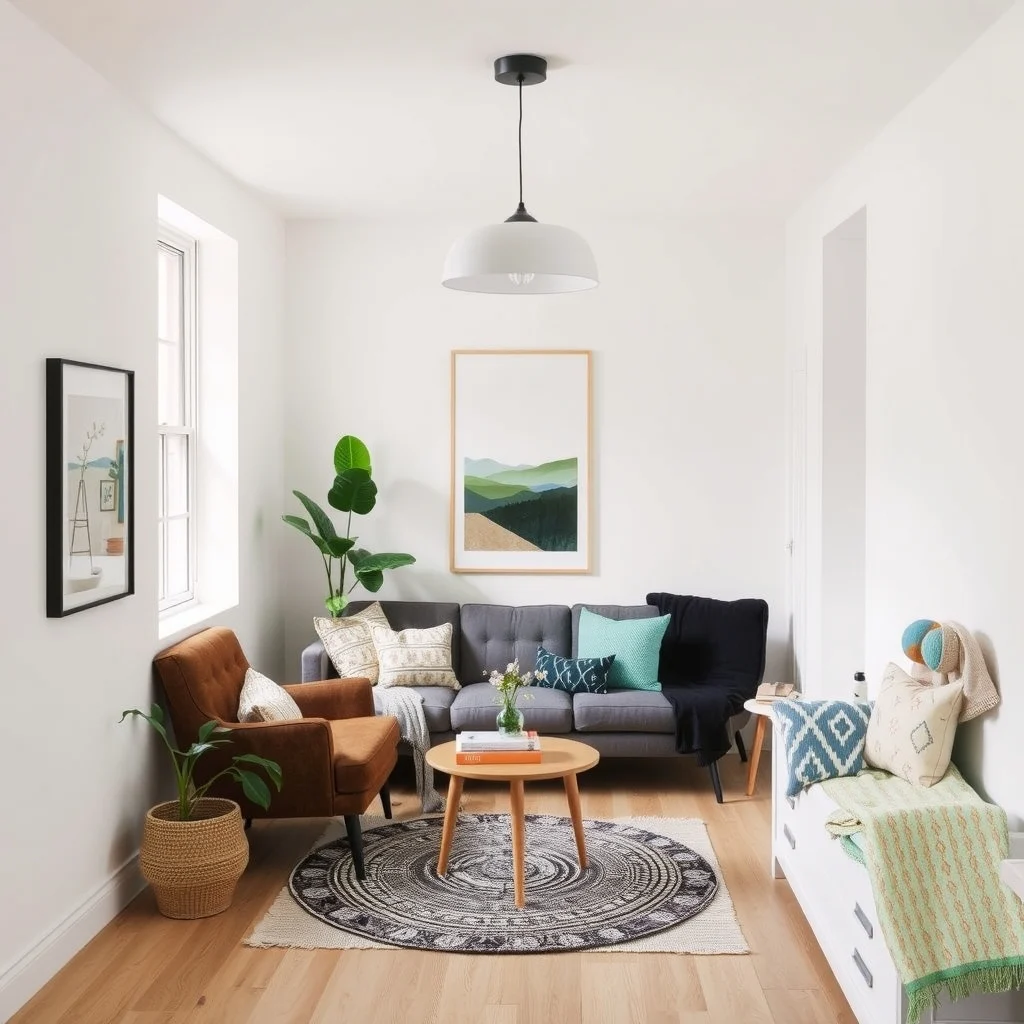
© 2026 AI Illustrator — Inspiration Only
Upgrading lighting in a rental does not have to involve major construction or permanent changes. By focusing on fixtures that plug in, attach with minimal hardware, or rely on battery power, you can create a layered, inviting atmosphere that reflects your style while respecting the lease agreement. Each of the seven ideas presented offers a distinct visual benefit and a clear path to implementation, allowing you to experiment and adjust as your needs evolve. Remember to consider the room’s function, the existing color palette, and any potential trade‑offs before committing to a particular solution. With a little creativity, the right light can transform a temporary space into a place that feels truly yours—without leaving a trace when it’s time to move on.