
Reusable bags are a small but frequent part of daily life, and when they’re left on countertops or piled on chairs they can quickly make a kitchen feel untidy. The good news is that a few thoughtful storage choices can keep the bags handy, protect their shape, and preserve the visual calm of your home. Below are seven ideas that blend function with style, followed by answers to common questions and a brief wrap‑up.
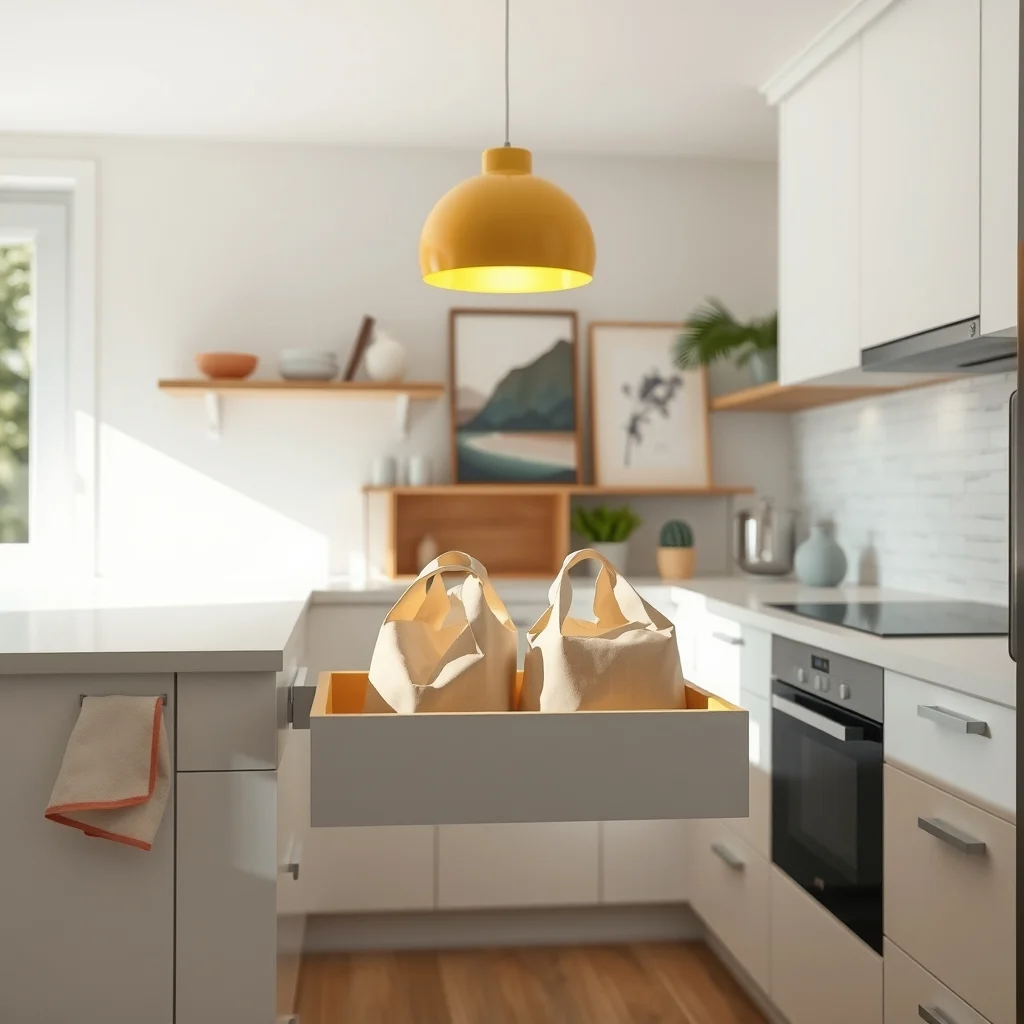
1. Designate a pull‑out drawer or cabinet niche
© 2026 AI Illustrator — Inspiration Only
Turning an existing drawer into a bag repository works especially well in kitchens where the drawer is already part of the workflow. By adding a thin, removable divider you create two or three shallow slots that hold bags upright, preventing them from flattening into a mess. The drawer stays out of sight when closed, so the visual line of the cabinets remains uninterrupted. Choose a drawer that opens fully without hitting the back wall; a shallow depth ensures the bags don’t become cramped. The trade‑off is that you lose a bit of storage space for utensils, but the gain in order often outweighs the loss.
What’s Your Apartment Decor Style?
Answer these quick questions to discover your perfect decor vibe.
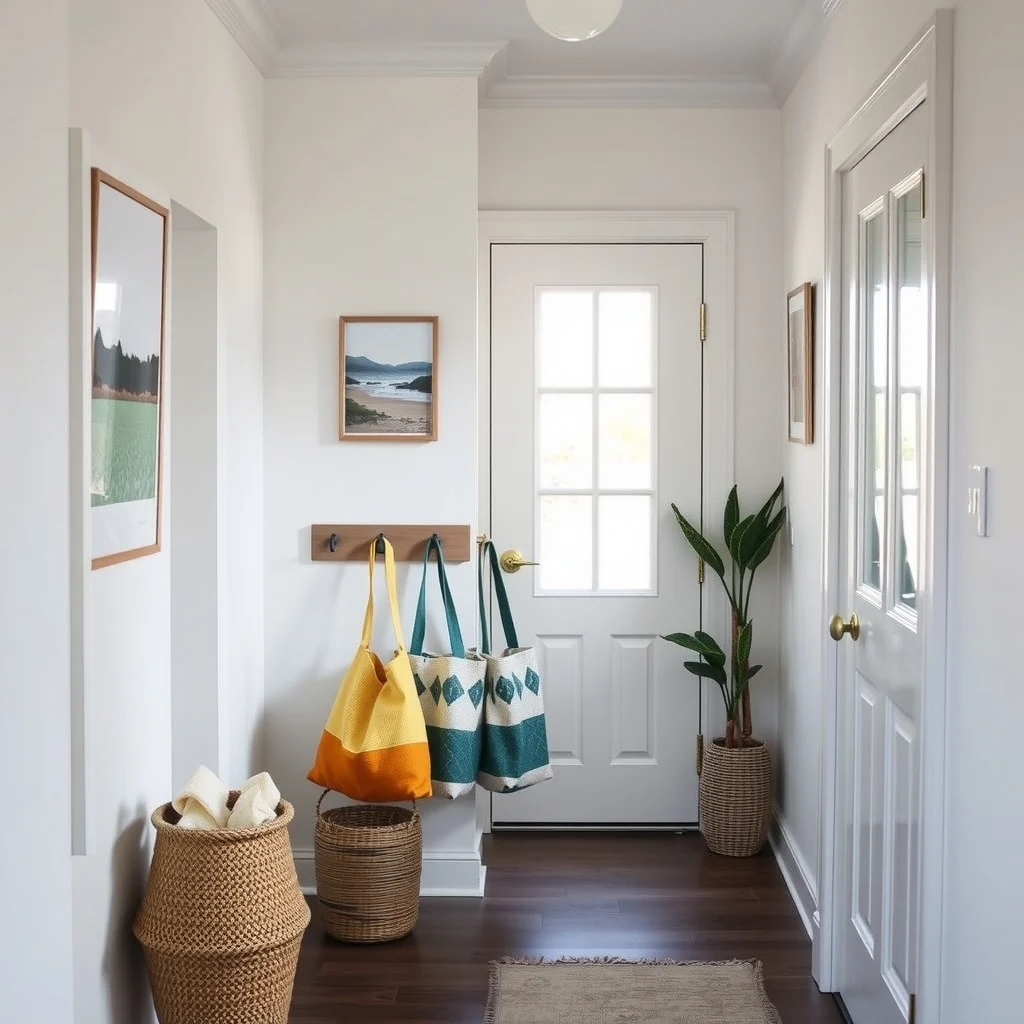
2. Hang a wall‑mounted rack near the entry
© 2026 AI Illustrator — Inspiration Only
A slim rack made of brushed metal or reclaimed wood can be mounted at waist height beside the front door. When you arrive home, you can slide a bag onto a hook in a single motion, and the rack becomes a decorative element that echoes other hardware in the hallway. The open‑air design keeps the bags breathable, which is useful for cotton or canvas that can develop mildew if stored damp. The main limitation is that the rack is visible, so selecting a finish that matches the surrounding trim helps it blend rather than dominate.
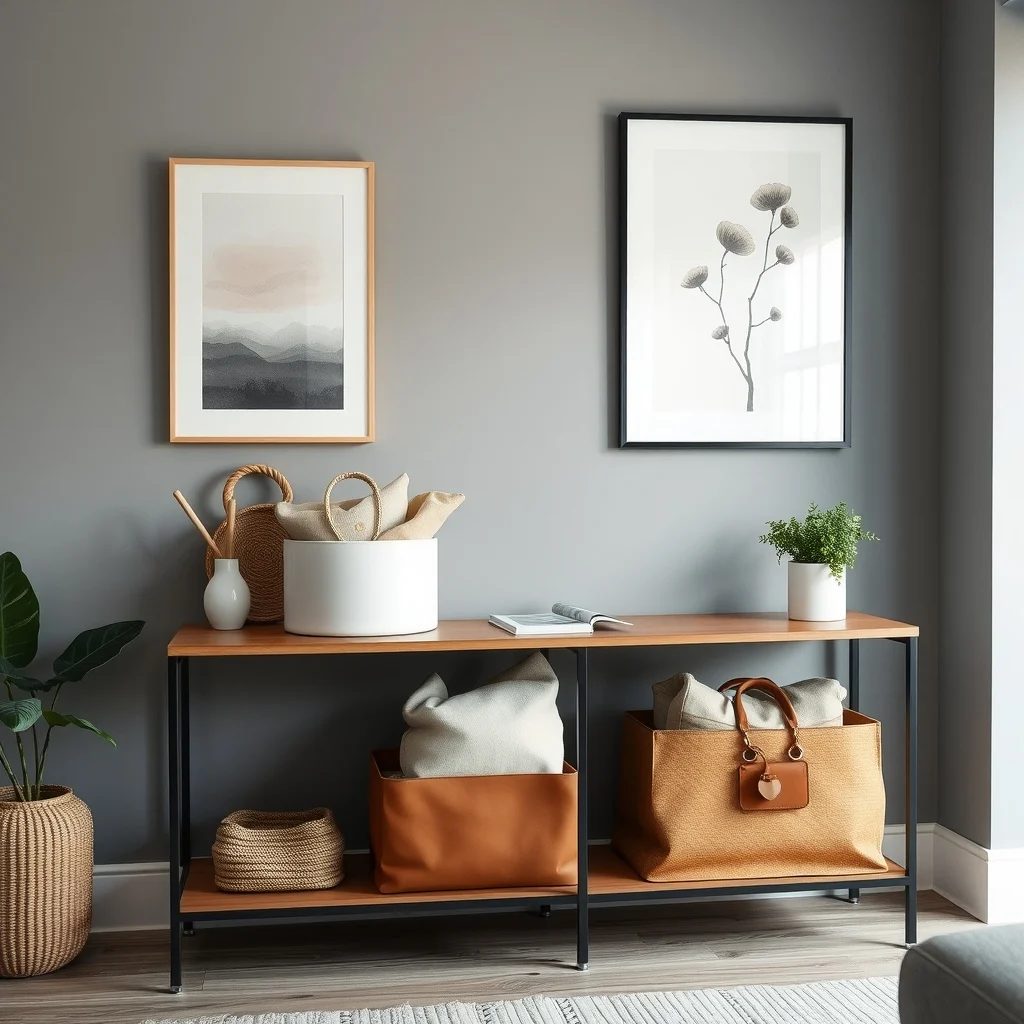
3. Use decorative bins that double as décor
© 2026 AI Illustrator — Inspiration Only
Woven baskets, ceramic tubs, or leather‑covered boxes placed on a console table or pantry shelf can hold a handful of bags while adding texture to the room. Because the containers have a defined shape, bags stay contained and do not spill onto the floor. Selecting a bin in a neutral shade such as soft greige or muted sage allows it to complement both modern and traditional interiors. One consideration is the size of the bin; a container that is too large will look empty, while one that is too small forces the bags to bulge, distorting their form.
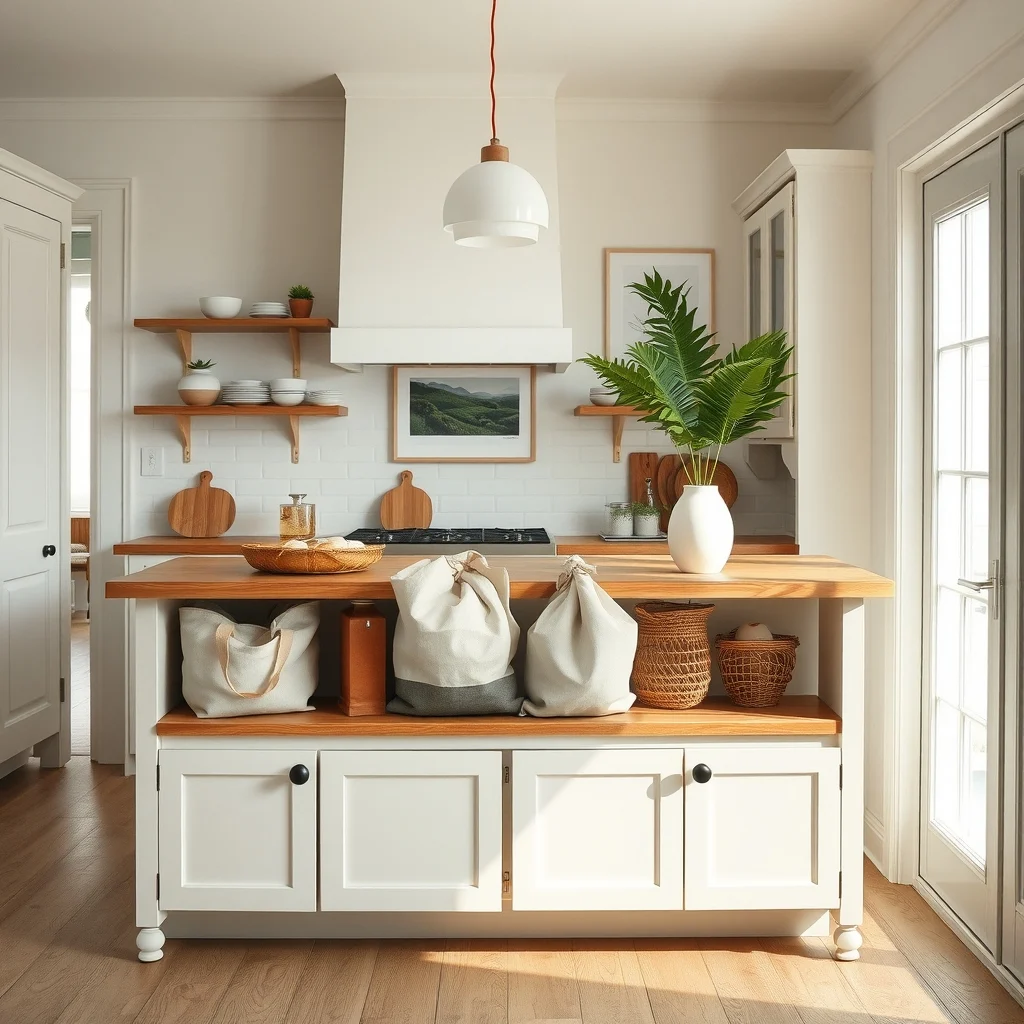
4. Repurpose a kitchen island or side‑table shelf
© 2026 AI Illustrator — Inspiration Only
If your island includes a lower shelf, that flat surface becomes a natural landing spot for reusable bags. By arranging the bags in a loose fan, you create a visual cue that reminds you to grab one before you head out. The advantage is that the bags are always within arm’s reach while you prepare meals, reducing the temptation to leave them elsewhere. However, the open shelf can collect dust, so a quick wipe‑down each week keeps the bags looking fresh.
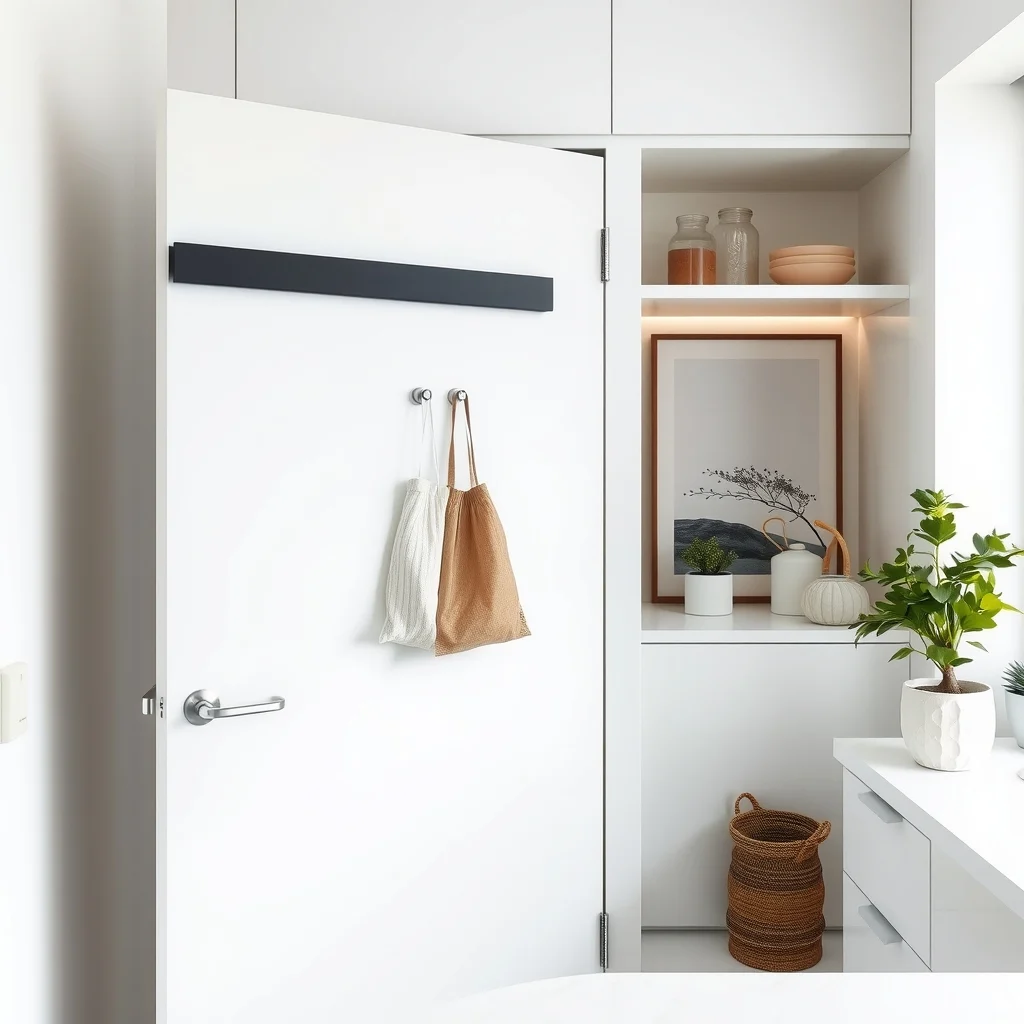
5. Incorporate a magnetic strip behind a pantry door
© 2026 AI Illustrator — Inspiration Only
Thin magnetic strips can be adhered to the interior side of a pantry door, offering a sleek way to hold metal‑handled bags or bags with small metal loops. The strip remains hidden when the door is closed, preserving the clean look of the pantry. Because the bags are suspended, they dry quickly after washing, which helps maintain their durability. The approach works best with bags that have a metal component; purely fabric bags will need a different solution.
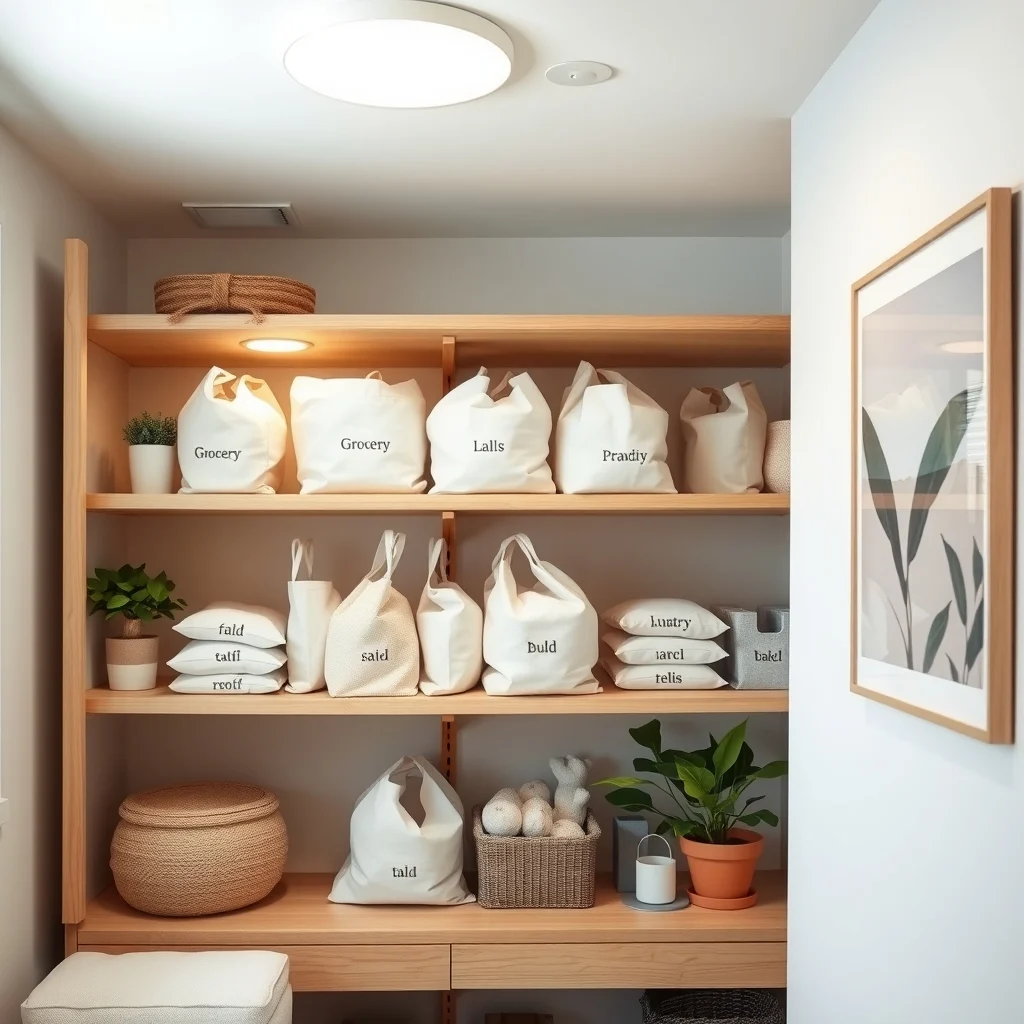
6. Rotate bags inside a linen closet with labeled shelves
© 2026 AI Illustrator — Inspiration Only
A linen closet often has adjustable shelves that can be set to accommodate the height of folded bags. By assigning each shelf a simple label—“Grocery,” “Produce,” “Bulk”—you create a system that makes it easy to select the right bag for each shopping trip. The enclosed environment protects the bags from sunlight, extending the life of printed logos or patterns. The downside is that you need to remember to close the closet door, otherwise the bags become visible and can disrupt the aesthetic of an open hallway.
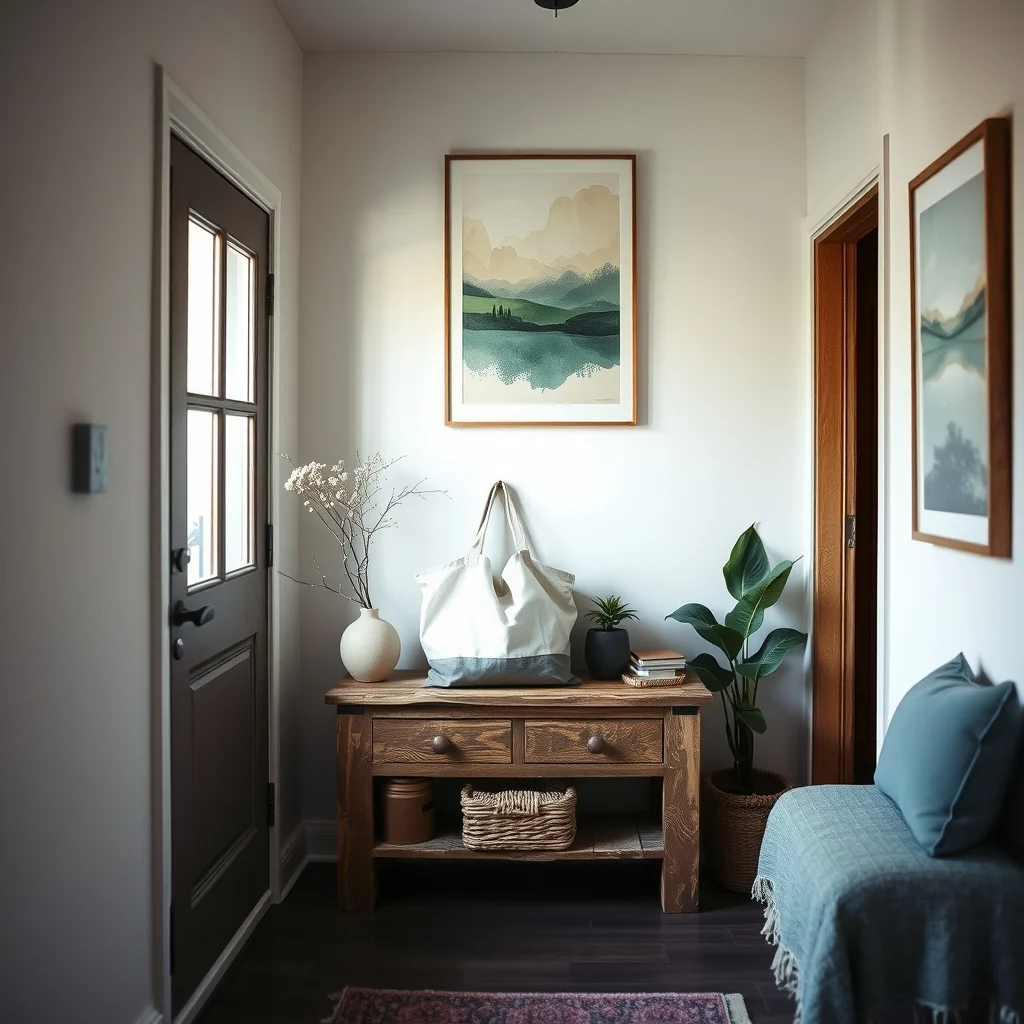
7. Create a travel‑ready tote bundle for quick grabs
© 2026 AI Illustrator — Inspiration Only
Gather a small group of your favorite bags, fold them neatly, and place them inside a decorative tote or canvas bag that sits on a hook or shelf. When you’re heading out, you simply lift the tote and have several reusable options in hand. This method reduces the number of individual items you need to see, which keeps the surrounding space tidy. The only caveat is that the tote itself occupies space, so choose a size that fits comfortably in the chosen nook.
Frequently Asked Questions
© 2026 AI Illustrator — Inspiration Only
Where is the best place to keep reusable bags in a small apartment?
Store them in a narrow pull‑out drawer or a wall‑mounted rack near the kitchen entrance. Both options keep the bags accessible without sacrificing valuable floor space.
Can I keep bags in the bathroom without making it look messy?
A small woven basket on a vanity shelf works well. It hides the bags while adding a soft texture that complements bathroom accessories.
How often should reusable bags be cleaned?
Wash them after every few uses, especially if they’ve carried raw produce. A quick rinse in cold water followed by air drying prevents odor buildup.
What material bags are easiest to store?
Canvas and lightweight nylon fold flat and slide easily into drawers or bins, making them the most space‑efficient choices.
Is it okay to store bags in a pantry with food items?
Yes, as long as the bags are clean and placed on a separate shelf. Keeping them away from direct food contact avoids cross‑contamination.
Final Thoughts
© 2026 AI Illustrator — Inspiration Only
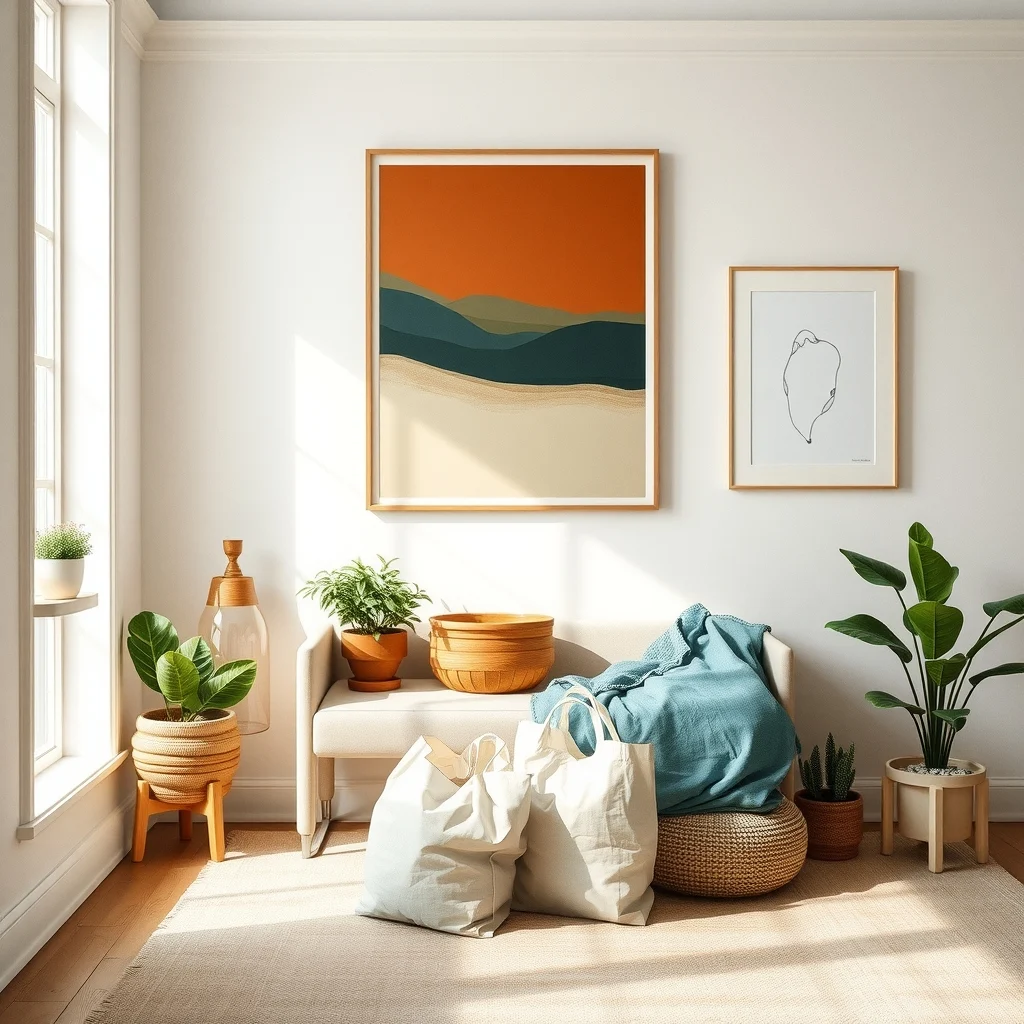
Finding a home for reusable shopping bags doesn’t have to clash with your décor goals. By selecting storage that aligns with the room’s existing materials, lighting, and flow, you keep the bags ready for use while preserving a calm, organized environment. Whether you prefer a hidden drawer, a decorative basket, or a sleek magnetic strip, each approach offers a practical solution that respects both function and style.