
You don’t need a warehouse-sized loft to live like a design editor. Small apartments can look elevated, spacious, and insanely functional—if you use the right tricks. Ready to steal the moves designers rely on when square footage is shy? Let’s go room by room and secret by secret.
1. Edit Like a Curator, Not a Collector
© 2026 AI Illustrator — Inspiration Only
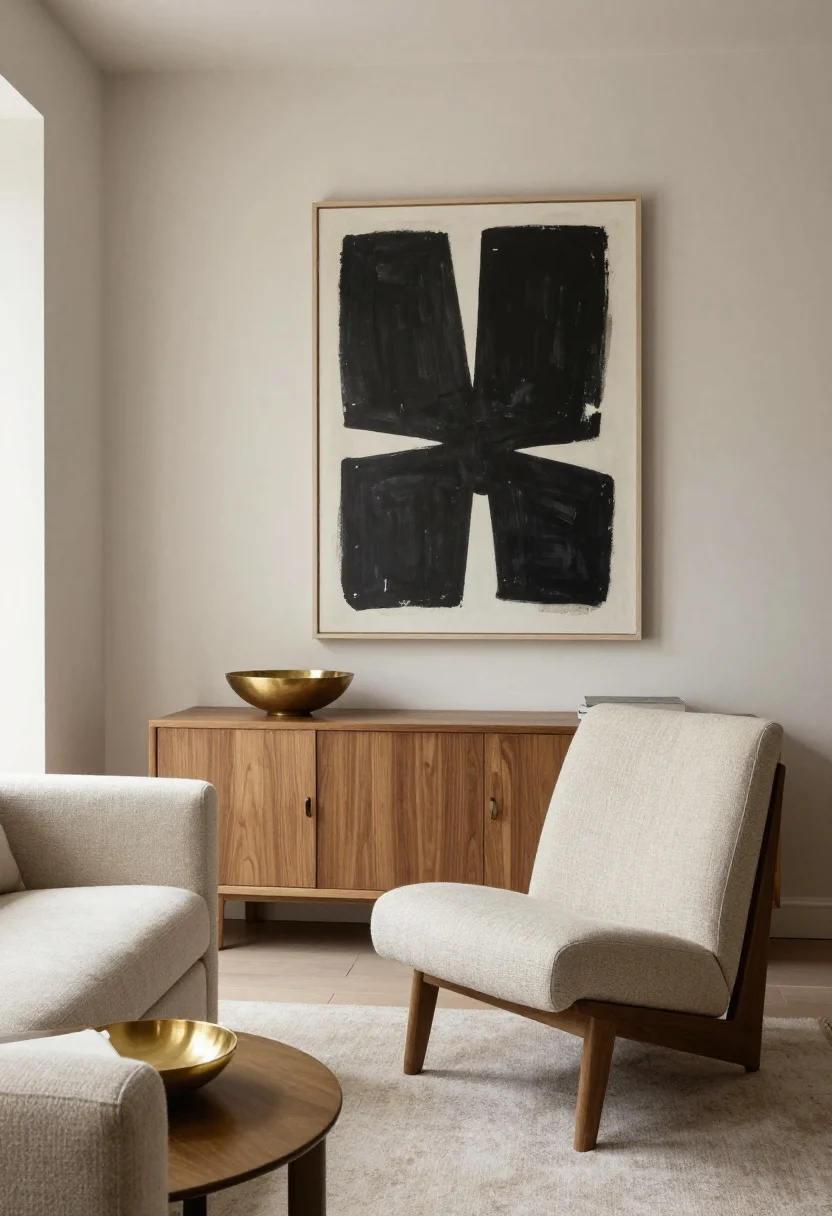
The biggest design flex in a small space isn’t a fancy sofa—it’s restraint. Designers start by removing visual noise so every piece has purpose, presence, and breathing room.
What’s Your Apartment Decor Style?
Answer these quick questions to discover your perfect decor vibe.
How to Curate
- Pick a hero: Choose one statement piece per zone (a sculptural chair, oversized art, or patterned rug). Let it lead; keep the rest supportive.
- Limit finishes: Stick to 2–3 core materials (e.g., oak + brass + linen). Fewer finishes = cleaner lines and a calmer vibe.
- Hide the extras: Trade open shelving clutter for closed storage and a few styled moments. FYI, not every book needs to be seen.
Before buying anything new, designers “shop the room” and remove one item for every new piece added. It’s ruthless—and it works.
2. Scale, Proportions, And Leggy Furniture (Trust Me)
© 2026 AI Illustrator — Inspiration Only
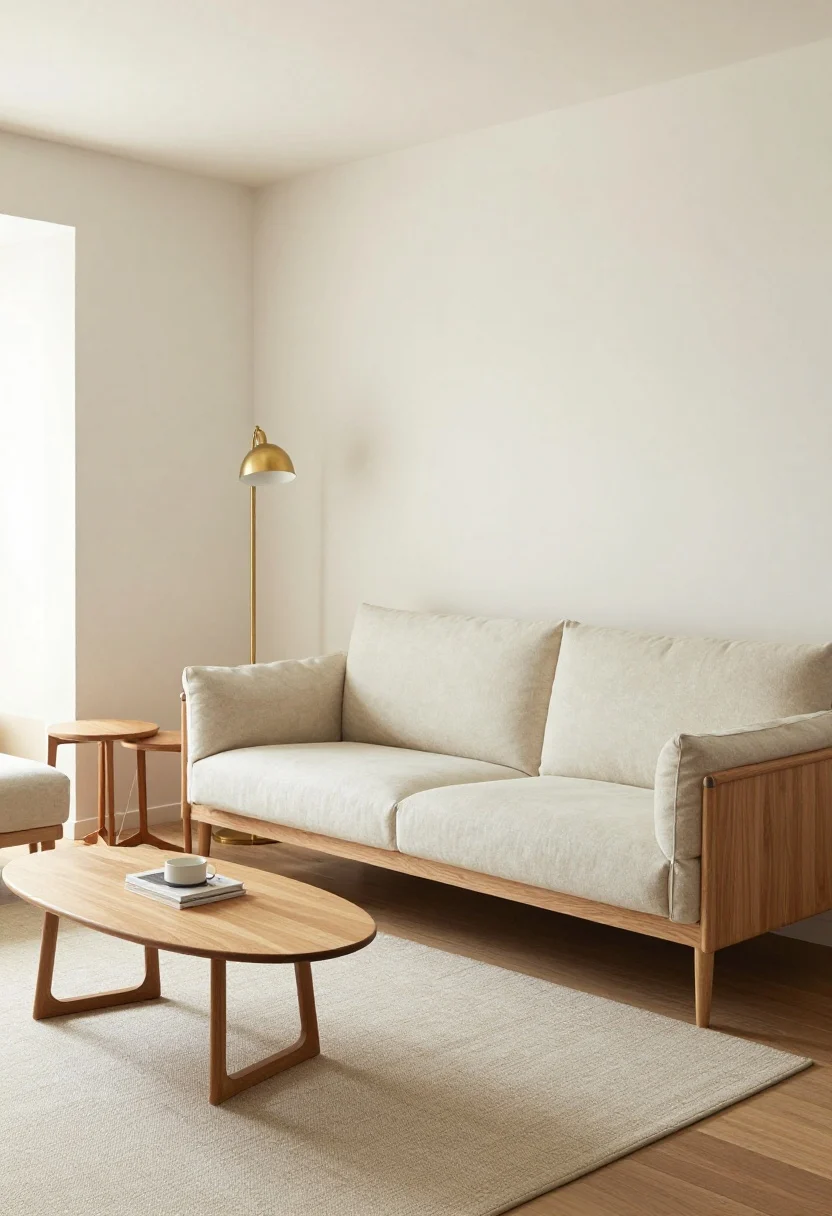
Small doesn’t mean tiny furniture. Underscaled pieces make rooms feel like dollhouses. Designers go for right-sized silhouettes with visual lightness.
What Works Best
- Leggy frames: Sofas and chairs with exposed legs show more floor and make the room “breathe.”
- Low backs, wide seats: A low-profile sofa enlarges sight lines. Pair with a taller floor lamp to balance height.
- Nesting and C-shaped tables: Flexible surfaces that tuck away are gold in small living rooms.
- Round edges: Ovals and circles keep traffic flowing. Try an oval coffee table in tight seating areas.
Pro tip: If your rug is postage-stamp small, everything shrinks visually. Choose a rug that lets at least the front legs of major furniture sit on it.
3. Multiply Light (And Space) With Strategic Reflections
© 2026 AI Illustrator — Inspiration Only
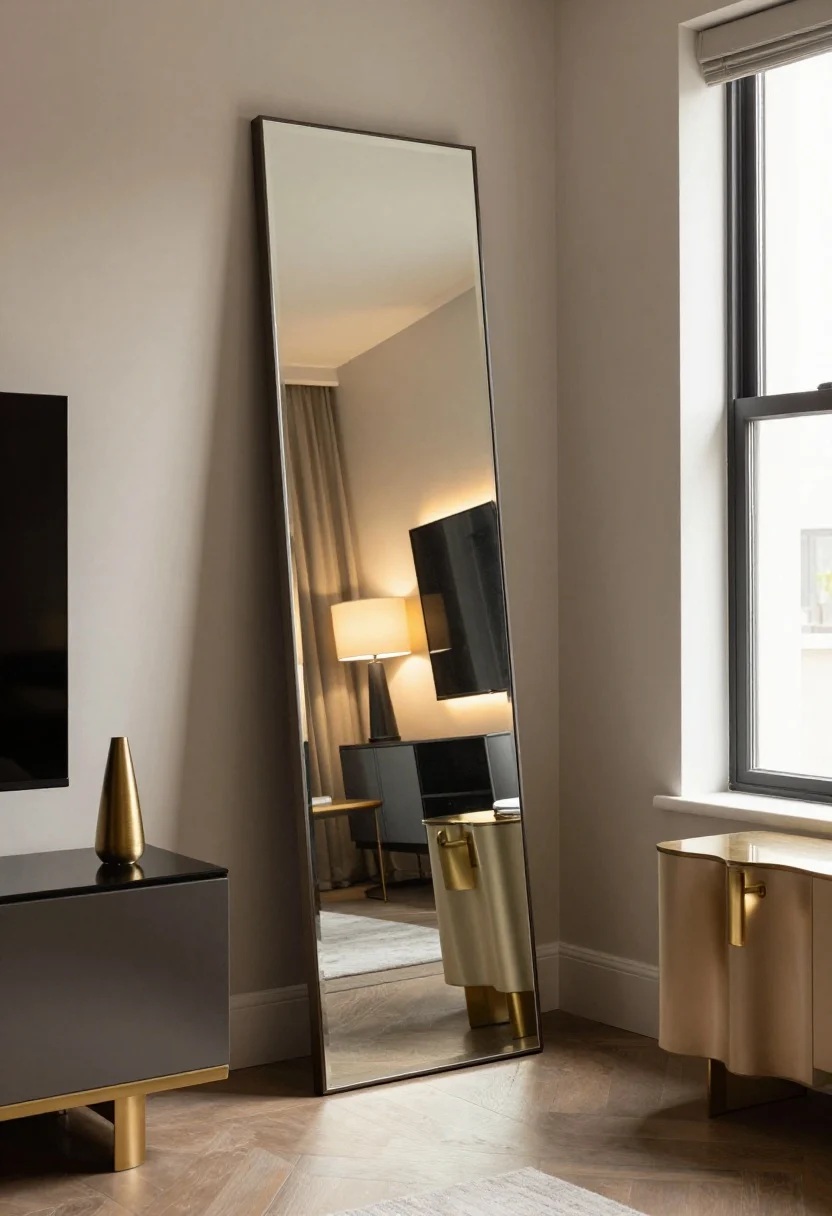
Designers chase light like cats in a sunbeam. They bounce it, stretch it, and fake it when needed. The trick? Reflect and layer.
Designer Moves
- Big mirror, narrow wall: Lean or mount a tall mirror opposite a window to double daylight and extend the view.
- Mixed lighting: Use three types—ambient (ceiling), task (table/floor), and accent (sconces, LED strips). Each adds depth and dimension.
- Glossy touches: Lacquered trays, satin paint, and metallic accents reflect light without going full disco ball.
Hate overhead glare? Swap in a dimmer and add a warm-tone LED strip under shelves or behind the TV. Instant soft glow, hotel mood unlocked.
4. Build Vertical Real Estate
© 2026 AI Illustrator — Inspiration Only
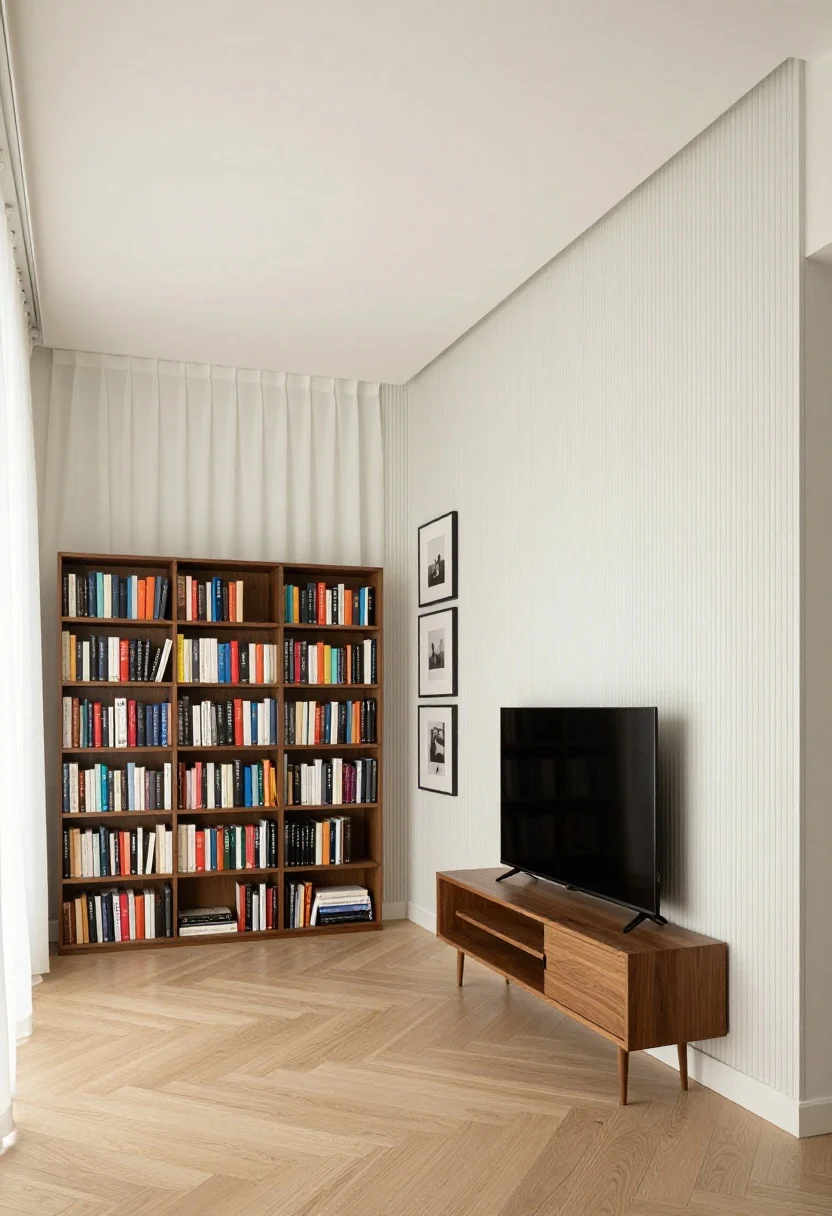
When floors are crowded, designers go north. Vertical lines make ceilings feel taller and rooms feel intentional, not crammed.
Ways To Use Height
- Ceiling-high curtains: Hang rods 2–6 inches from the ceiling and skim the floor for that custom look. Even on average windows, the room feels grand.
- Tall bookcases: Flank a TV console with bookcases or use a single floor-to-ceiling unit to draw the eye up.
- Vertical art stacks: Two or three frames stacked narrow and high make a chic architectural moment in tight corners.
- Paneling or stripes: Thin vertical beadboard or painted stripes creates instant lift—bonus warmth without bulk.
Hot tip: Ceiling color matters. A whisper-light tint that echoes your wall color blurs edges and makes the room feel more expansive.
5. Double-Duty Pieces That Actually Look Chic
© 2026 AI Illustrator — Inspiration Only
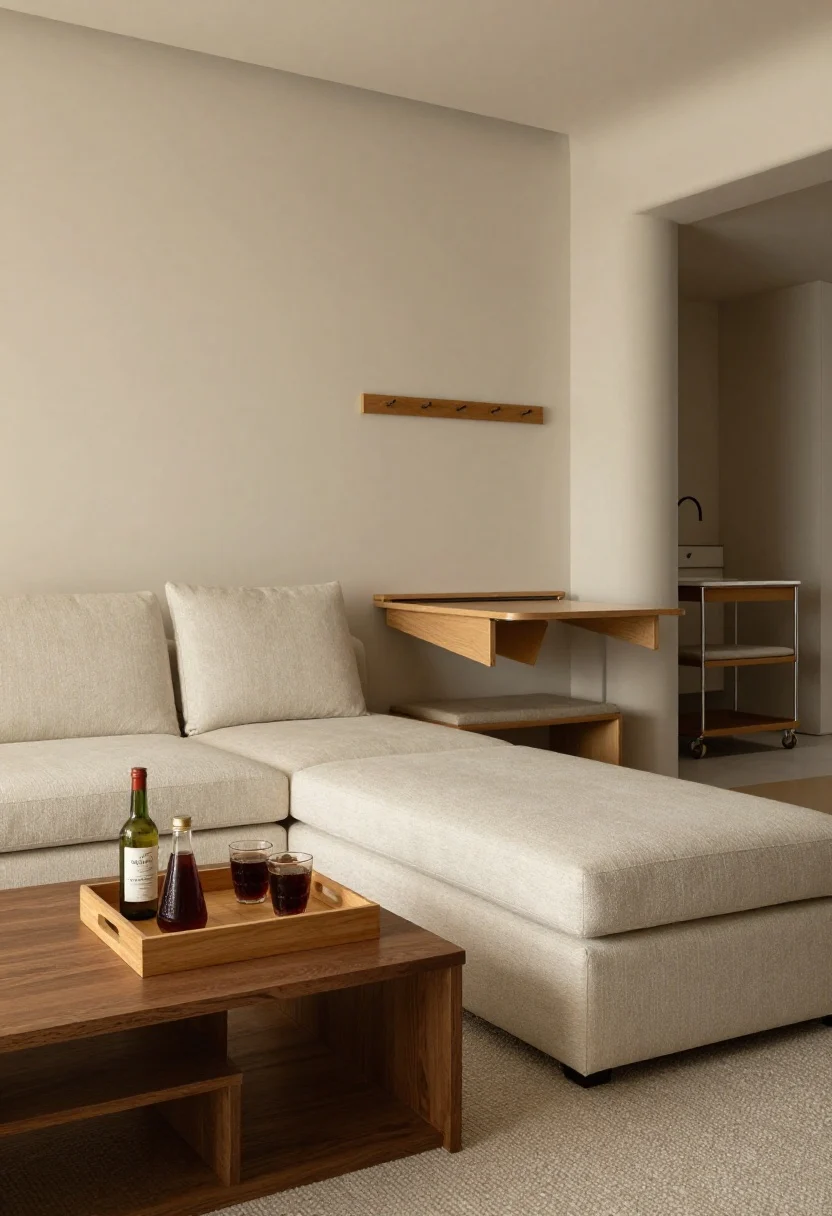
Every inch needs a job—or three. But function shouldn’t scream “dorm room.” Designers choose hardworking pieces that blend in and look luxe.
Smart Swaps
- Storage ottoman > coffee table: Stash throws, games, or weights. Add a tray for drinks and it’s party-ready.
- Daybed or sleeper sofa: Overnight guests without sacrificing style. Go for clean lines and performance fabric.
- Drop-leaf or gateleg table: Fold flat most days, expand for dinner parties. Modern versions are surprisingly pretty.
- Entry bench with drawers: Shoes, dog leashes, umbrellas—disappeared. Top with a cushion for a softer moment.
In kitchens, a slim rolling cart becomes extra counter space. In bedrooms, a wall-mounted nightstand frees floor area and makes cleaning less annoying (you’re welcome).
6. Color And Pattern: Calm Base, Controlled Drama
© 2026 AI Illustrator — Inspiration Only
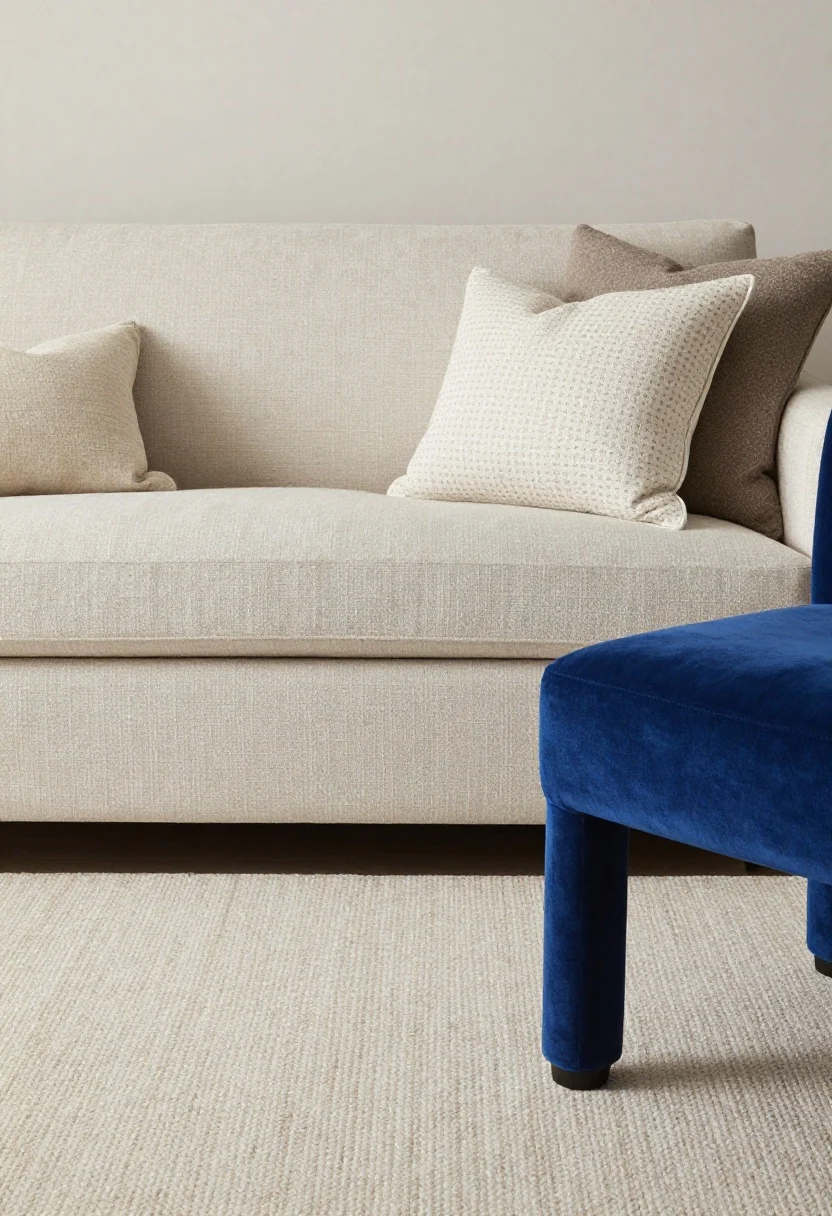
Designers don’t avoid color in small spaces—they control it. The formula: quiet foundation, focused pops, and pattern with discipline.
Color Rules That Work
- Light envelope: Keep walls and large rugs in light, warm neutrals (think soft greige or pale oat). It brightens without feeling sterile.
- One room, one star: Make a single saturated piece the lead—cobalt velvet chair, moss green headboard, terracotta lamps.
- Tone-on-tone layers: Mix textures in the same color family—linen, bouclé, wool—to add depth without clutter.
- Pattern scale: Pair a large-scale pattern (rug or drapery) with micro prints (pillows) so they don’t fight. Balance is everything.
Open-plan living? Use color continuity across zones—repeat a hue at least three times (art, vase, throw) to visually connect spaces.
7. Zone Like A Designer: Invisible Architecture
© 2026 AI Illustrator — Inspiration Only
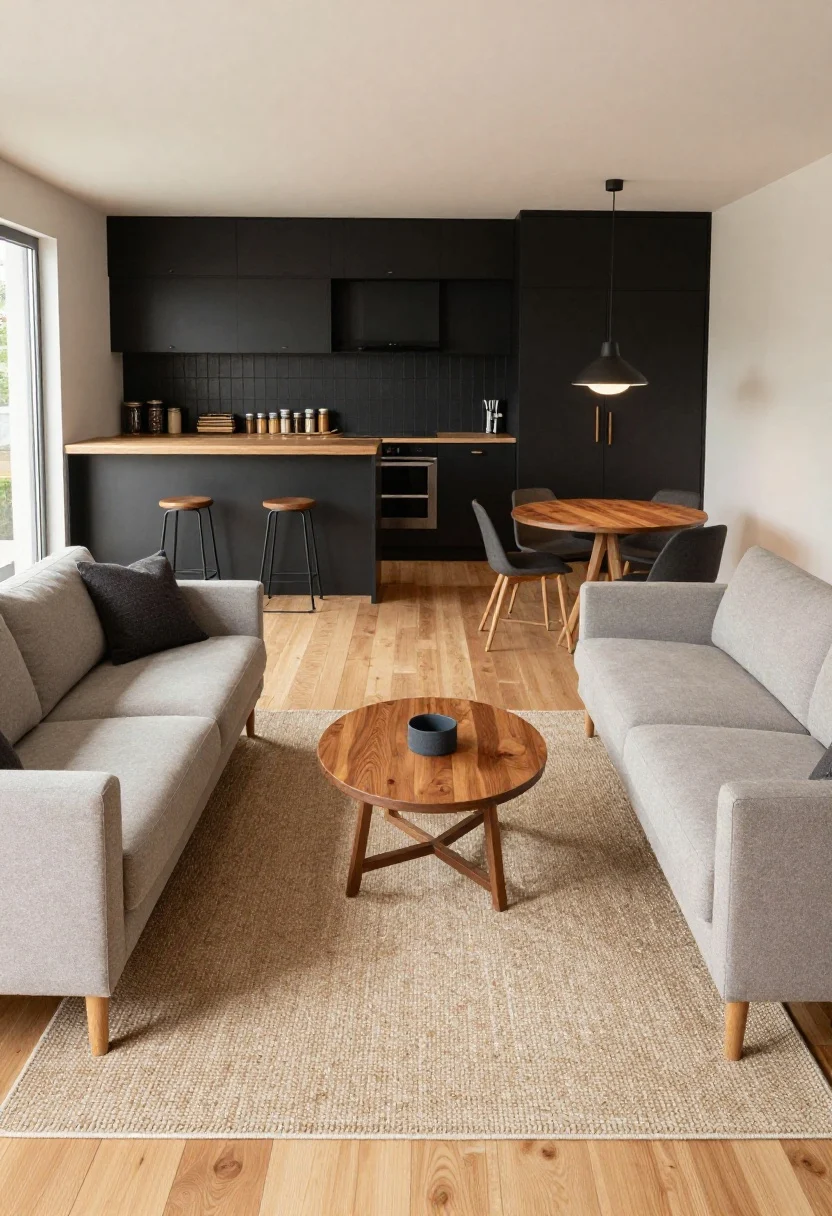
Small apartments feel chaotic when everything blurs together. Designers carve out micro-rooms with layout, lighting, and texture—no walls required.
Living Room
- Anchor with a rug: The rug defines the seating zone. Align furniture edges with it to keep lines clean.
- Console-as-divider: Float the sofa and place a slim console behind it to separate living from dining without blocking sight lines.
- Corner vignettes: A chair + floor lamp + small table = reading nook. Suddenly, you gained a “room.”
Dining Area
- Round bistro table: Easier flow than a rectangle. Add two stackable chairs and a pendant to mark the zone.
- Pendant on a dimmer: Lower light equals instant intimacy—and you can visually “shrink” the dining area when not in use.
Kitchen
- Uniform canisters and trays: Contain the chaos and create a styled “strip” along the backsplash.
- Toe-kick drawers: If you’re renovating, steal storage from that dead space under cabinets. It’s basically a secret drawer club.
Bedroom
- Wall-mounted sconces: Free the nightstand for books and skincare. Choose swing-arms for adjustable task light.
- Underbed drawers: Opt for rolling bins or a lift-up platform. Out of sight, out of stress.
Entry
- Vertical catch-all: A slim shelf + key hook + mirror creates a mini command center in 8 inches of depth. IMO, life-changing.
- Indoor-outdoor rug: Durable and easy to clean. Add a boot tray to keep mess in one spot.
To tie zones together, repeat a signature material—like black metal, warm walnut, or rattan—so the apartment reads cohesive, not chopped up.
Quick Shopping Guide
- Sofas: 30–34″ depth, 16–18″ seat height, exposed legs.
- Rugs: Living 5×8 minimum (often 8×10), Bedroom 6×9 under a full/queen.
- Curtains: Rod near ceiling, panels just kissing the floor.
- Lighting: At least 5 sources in a studio; mix floor, table, and wall lights.
Conclusion
© 2026 AI Illustrator — Inspiration Only
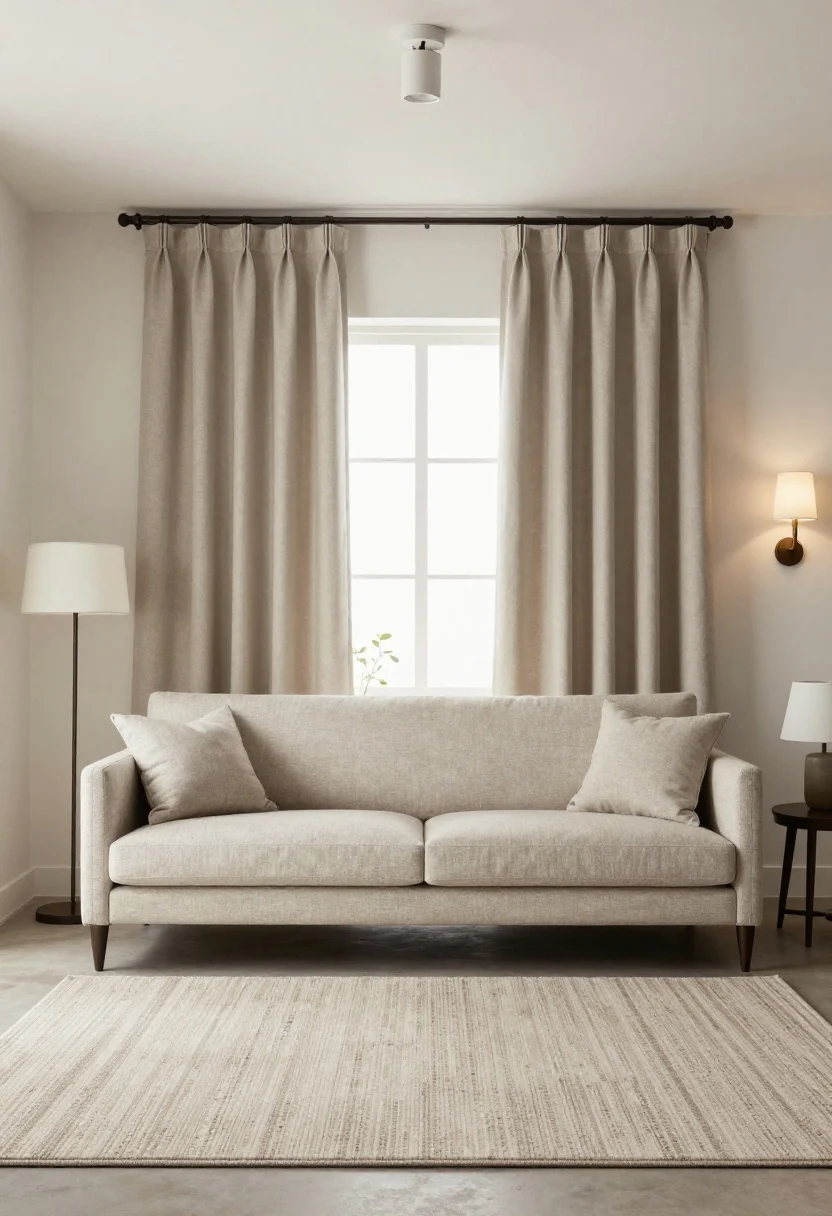
Small-space magic isn’t magic at all—it’s editing, scaling smart, chasing light, and giving every inch a job. Start with one zone, make one bold-but-controlled choice, and watch your apartment transform. Keep it intentional, keep it airy, and own the vibe—because good design isn’t about size; it’s about strategy. FYI: You’ve got this.