
Natural Wood Apartment Decor: Finding Your Wood Tone Balance
So, there I was, in my tiny apartment that has all the charm of a shoebox but none of the actual space, scrolling through Instagram, feeling a pang of envy at all those perfectly curated rooms filled with natural wood accents. You know, the kind that looks like it just happened to come together without effort—a little bit rustic, a little bit modern, with an effortless je ne sais quoi that makes you want to sip herbal tea and read poetry by the window. Meanwhile, my living room was a jungle of mismatched furniture and decor that felt more like a “before” shot than anything remotely Instagram-worthy.
The deeper I delved into those captivating wood-toned spaces, the more I realized my living area needed a serious makeover. And of course, I was totally at a loss. How could I incorporate natural wood finishes without drenching my place in a hodgepodge of colors that clashed harder than my high school band’s talent show?
If you’ve ever found yourself in a similar predicament—wandering through Balenciaga-jacketed Instagram accounts and feeling wholly inadequate—this post might just save your sanity. I’m here to share what actually worked for me when I was on a quest for that elusive wood tone balance. Spoiler alert: it wasn’t easy, and I made some questionable choices along the way (hello, mismatched chair legs!).
What’s Your Apartment Decor Style?
Answer these quick questions to discover your perfect decor vibe.
© 2025 AI Illustrator — Inspiration Only
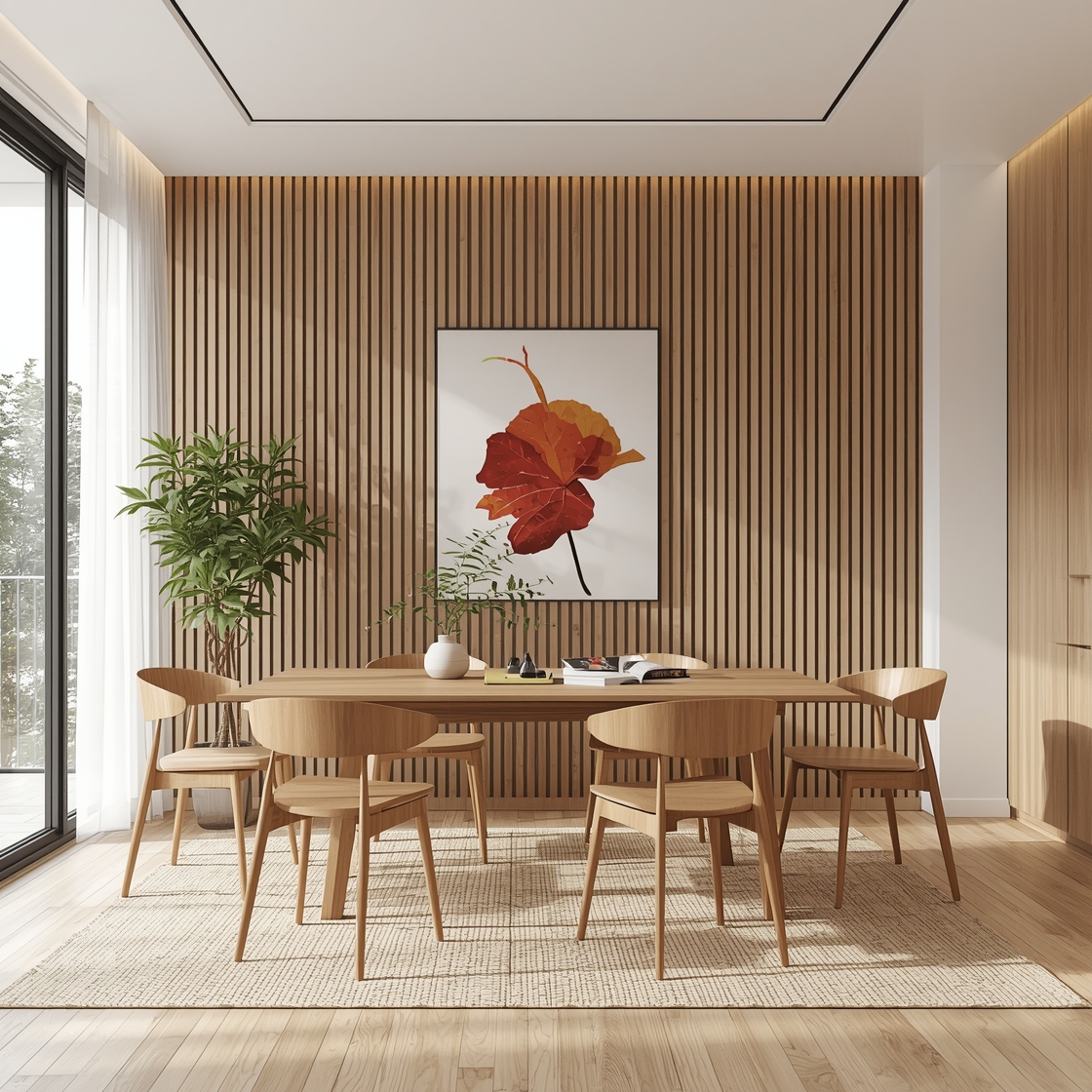
Finding Your Base: The Right Woods Matter
Let’s start with the basics. First and foremost, it’s all about finding a base for your natural wood apartment decor. I learned that not every wood tone plays nicely with others. There’s a fine line between “delightfully eclectic” and “sloppy thrift store.”
I kicked things off by evaluating my current pieces—my kitchen table was a lovely, warm oak, but my vintage chair was a cool-toned ash that could freeze a garden party. Not to mention my poofy, IKEA-style couch that was more beige than anything else. It felt like my apartment was hosting a first-class battle of wood tones, and guess who was losing?
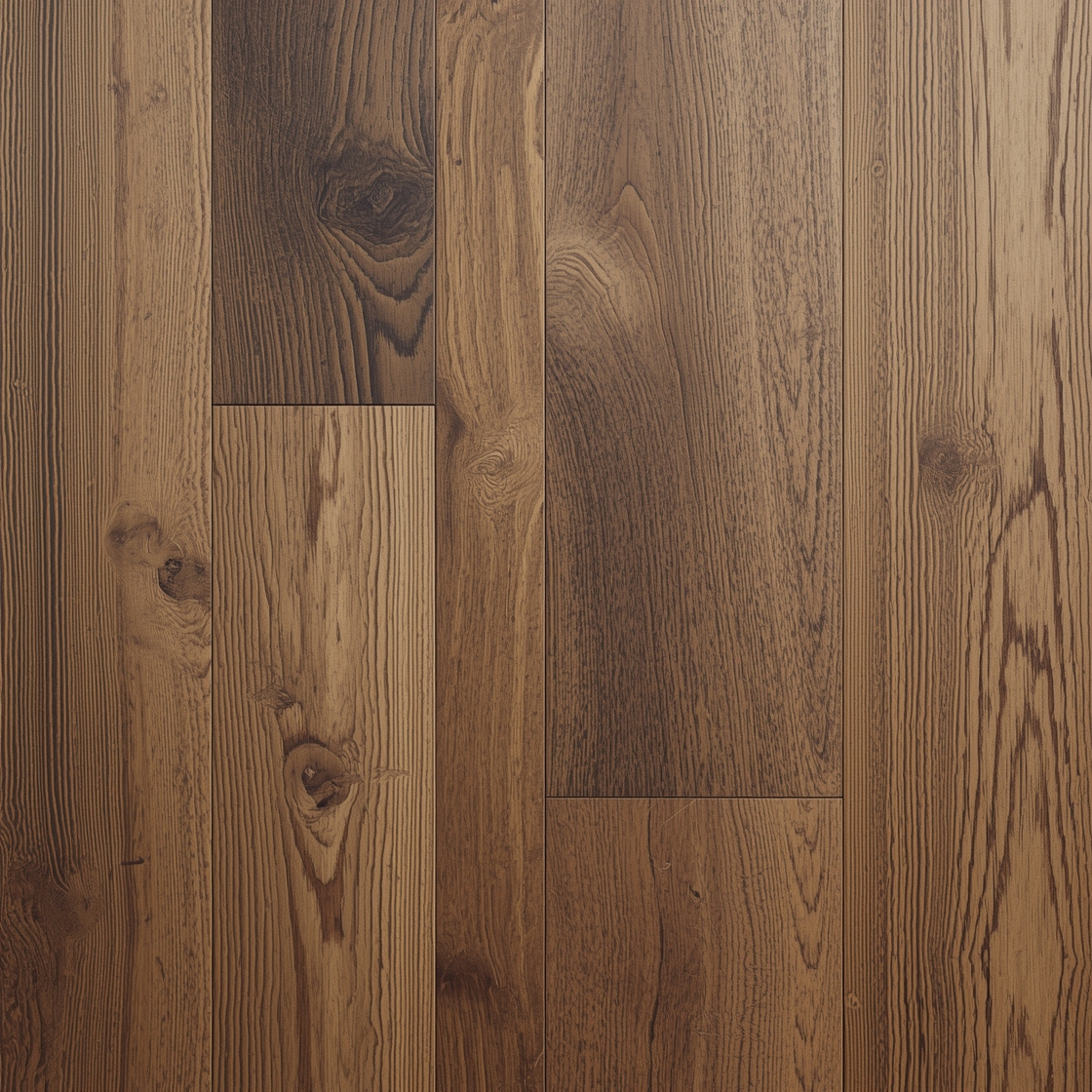
What worked best for me was selecting one dominant wood tone to focus on throughout the space—something that emanated warmth and complemented my existing pieces. I went with a medium-toned walnut as my anchor. It matched the table and provided a cozy, inviting vibe. Then, I added lighter wood accents (like a maple side table) that danced well with the walnut without causing a tonal crisis.
© 2025 AI Illustrator — Inspiration Only
Layering Textures: More Than Just Wood
Listen, when I started thinking about wood decor, I envisioned a bunch of boring blocks. But layering textures? Now we’re talking. Think of natural wood as your primary seasoning—definitely important, but it’s the spices and herbs that elevate the dish (cue the mmm noise).
In my quest for decor, I learned to mix materials. I threw in some cozy knitted blankets, a fluffy rug, and even lean plants—not to mention some statement ceramics for good measure. These elements added so much warmth and personality to my space while allowing the natural wood to shine without becoming a monotonous snooze-fest.
Imagine curling up on your couch, a soft blanket draped over your knees, surrounded by all these different textures and natural wood surfaces. Suddenly, your living room feels less like a space for survival between work and errands and more like a cozy retreat. I even find myself making excuses to stay inside rather than go out. (It’s okay; I still love nature, just in moderation!)
Assessing Size: Renter-Friendly Choices
Okay, here’s a pitfall I almost stepped into—you might want your wood decor to be grand, but space limitations are a real bummer in a small apartment. Believe me, I learned the hard way when I decided I simply had to have a chunky, reclaimed wood coffee table that basically occupied 80% of my living room. (Spoiler alert: that coffee table is now on my unsuspecting friend’s social media feed.)
What I discovered that actually worked was opting for smaller, multifunctional pieces. I found adorable side tables made from reclaimed wood; they could serve as plant stands or quirky nightstands. I even got a wood stool that doubles as extra seating when my friends decide to crash!
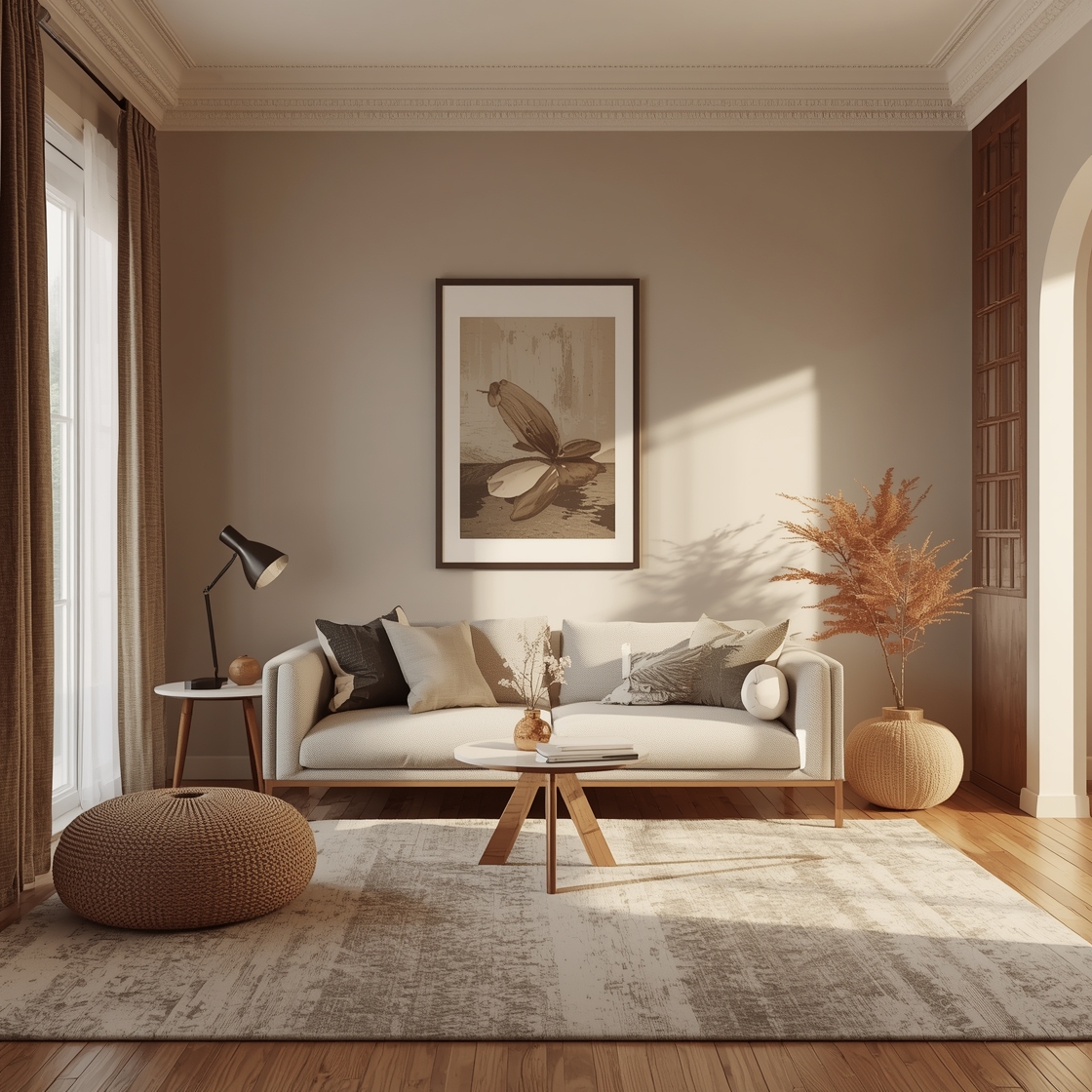
Choosing pieces that fit your space while still maintaining that natural wood look can be a game changer. This approach helped me keep that cozy, open feel while maintaining my much-desired wood tone balance.
© 2025 AI Illustrator — Inspiration Only
Mixing and Matching: Go for the Eclectic!
For a while there, I feared mixing my wood tones like some people fear the dentist. But you know what? It wasn’t half as scary as I thought. What really worked was embracing an eclectic vibe and letting the various wood tones play nicely together.
I’ve mentioned layering textures before, but there’s something special about pairing a medium oak with a few pops of dark walnut, don’t you think? Just keep your eye on the overall composition; too much chaos could flop the aesthetic like a poorly executed Pinterest project. I learned to use the rule of three: if you find yourself adding a new piece, make sure to balance it with two others to create a cohesive vibe.
I gathered up my mismatched wood items, and suddenly it all looked intentional! The tricks you learn in the process are half the fun; I mean, isn’t that why we do this? Besides, my eclectic arrangement has turned into a conversation starter. “Oh, what’s this piece?” people ask. As I eagerly explain, I feel kind of like a proud parent, awkward and beaming at the same time.
Mistakes I Almost Made (or Actually Made)
Let’s be honest here—when I first dipped my toes into the world of natural wood decor, I made some doozies. Like the time I decided to go all in on a dark walnut TV stand, not realizing just how much shadow it would cast in my bright living room. Oh boy, I had a moment of panic staring at that thing like, “Am I inadvertently creating a cave?”
Then, there was that hideous light-stained wood shelf I once purchased on impulse. I swear it looked like it had suffered a minor dehydration crisis. Once I set it up, I realized it clashed with everything else. I mean, that baby went straight to the donation box faster than you could say “buyer’s remorse.”
Next time, I’d definitely assess the lighting and overall color scheme before making any grand purchases. Also, learning about wood tones and finishes can save you a headache or two. The more I practiced, the better I got—no regrets!
What I’d Do Differently If I Started Over
If I could rewind time and whisper some advice to my younger self—oh boy, the things I’d say. Firstly, I’d tell myself: “Shop smart. Stick to your budget!” I started splurging on pieces that were pretty but didn’t necessarily pair well. The financial strain paired with decor mishaps hit hard.
Additionally, I’d focus a little more on the big picture—making decisions that would last rather than reverse-engineering things after the fact. So, if you’re looking for wood decor, consider investing in pieces you’ll love forever instead of giving in to the tempting allure of trendy items.
Another lesson? Leave room for some personality—don’t take it all too seriously! What’s home decor if not a reflection of who you are? Your place should feel like a cozy hug rather than a museum exhibit.
A Small Decision Moment: Cheap vs. Quality
Ah, the eternal dilemma of cheap versus quality! One of those learning moments hit me hard when I was about to purchase a cheap wood bookshelf that was barely more than a stack of particle board. I had this fleeting thought about saving a couple of bucks (who doesn’t like a good financial win?), but as I stood there eyeing the rickety structure, I knew deep down that this probably wouldn’t withstand my extensive collection of coffee table books—or the occasional hiccup visits from my toddler nephew.
That’s when I opted to go for a slightly pricier solid wood bookshelf. Sure, my wallet sighed a bit, but in the long run, it felt so worth it!
Small, Meaningful Changes
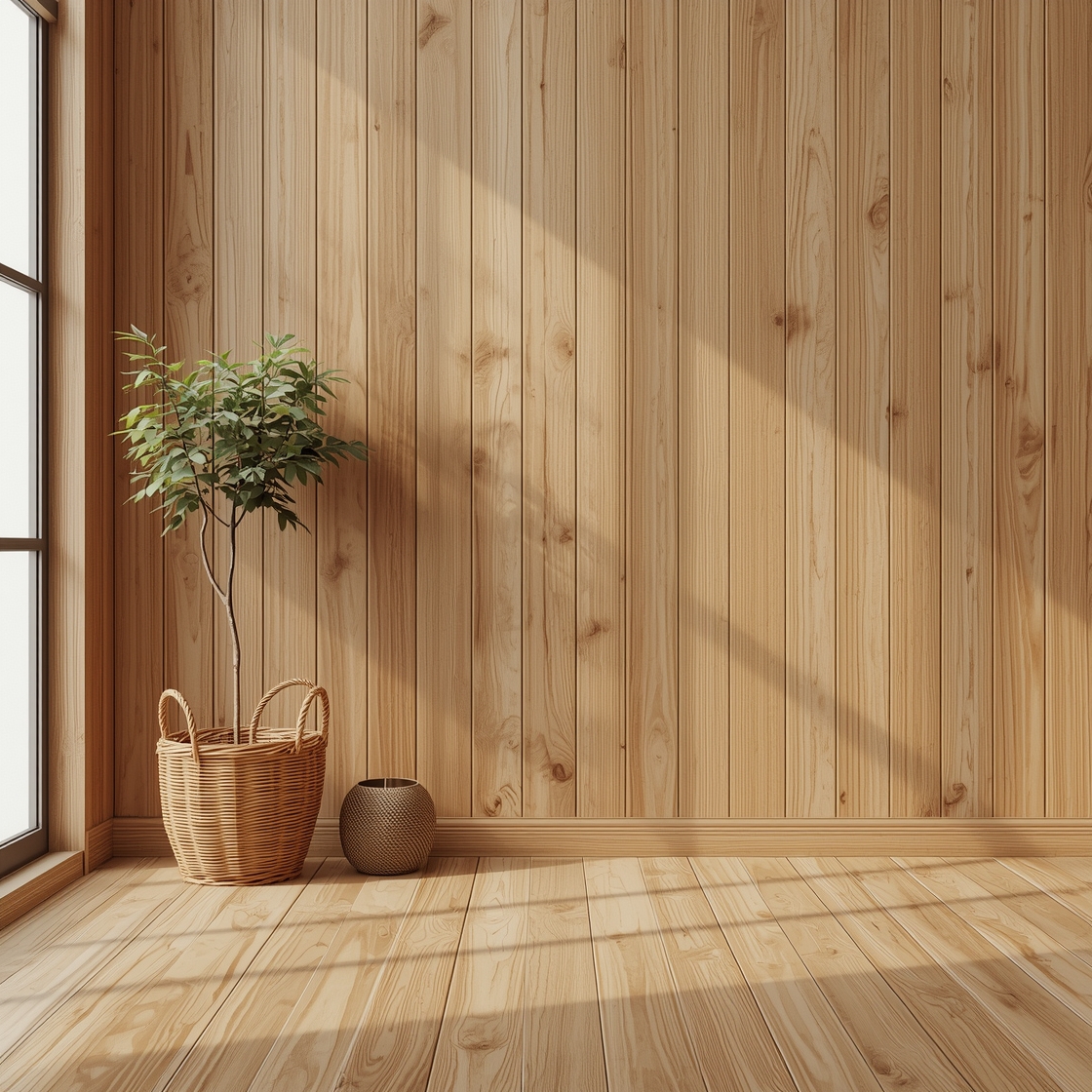
These reflections on wood tone balance are more than just a decorating project; they’re a journey of creating a refuge in my apartment. I’ve learned that even the littlest shifts can create a huge impact—the way natural wood plays with light, how various textures feel against my palms, the way warmth radiates through my space.
Embracing these changes reminded me that it’s perfectly okay to have imperfections in my decor choices—self-expression isn’t about being flawless; it’s about being you. So if you’re still stuck figuring out your decor struggles, take heart. You don’t have to get it all right, but some thoughtful choices regarding your wood tones can really elevate your space.
You might also like to explore ideas on balancing color and texture in your furniture, or perhaps dive into how to incorporate plants that perfectly align with your decor!
© 2025 AI Illustrator — Inspiration Only
Conclusion
In conclusion, nurturing the wood tone balance in your apartment can transform your space without breaking the bank or your sanity. As I’ve hopefully conveyed through my imperfect and personal journey, small changes matter. They turn what can often be a chaotic living environment into a sanctuary filled with warmth and joy—a place where I might actually get around to reading that poetry book I keep promising myself I’ll start.
So, if you’re still figuring out your space, stay curious, don’t shy away from experimenting, and most importantly, remember that your home is a reflection of you.
Happy decorating! 🛋️