
Living in a rental often means accepting neutral walls, generic finishes, and the occasional restriction on nails or paint. Yet a space can still reflect your taste without violating a lease. Below are seven approaches that add character, texture, and color while remaining easy to remove or replace when the next chapter begins. Each idea balances visual impact with the practical concerns of renters—budget, maintenance, and landlord approval.
1. Removable Peel‑and‑Stick Wallpaper
© 2026 AI Illustrator — Inspiration Only
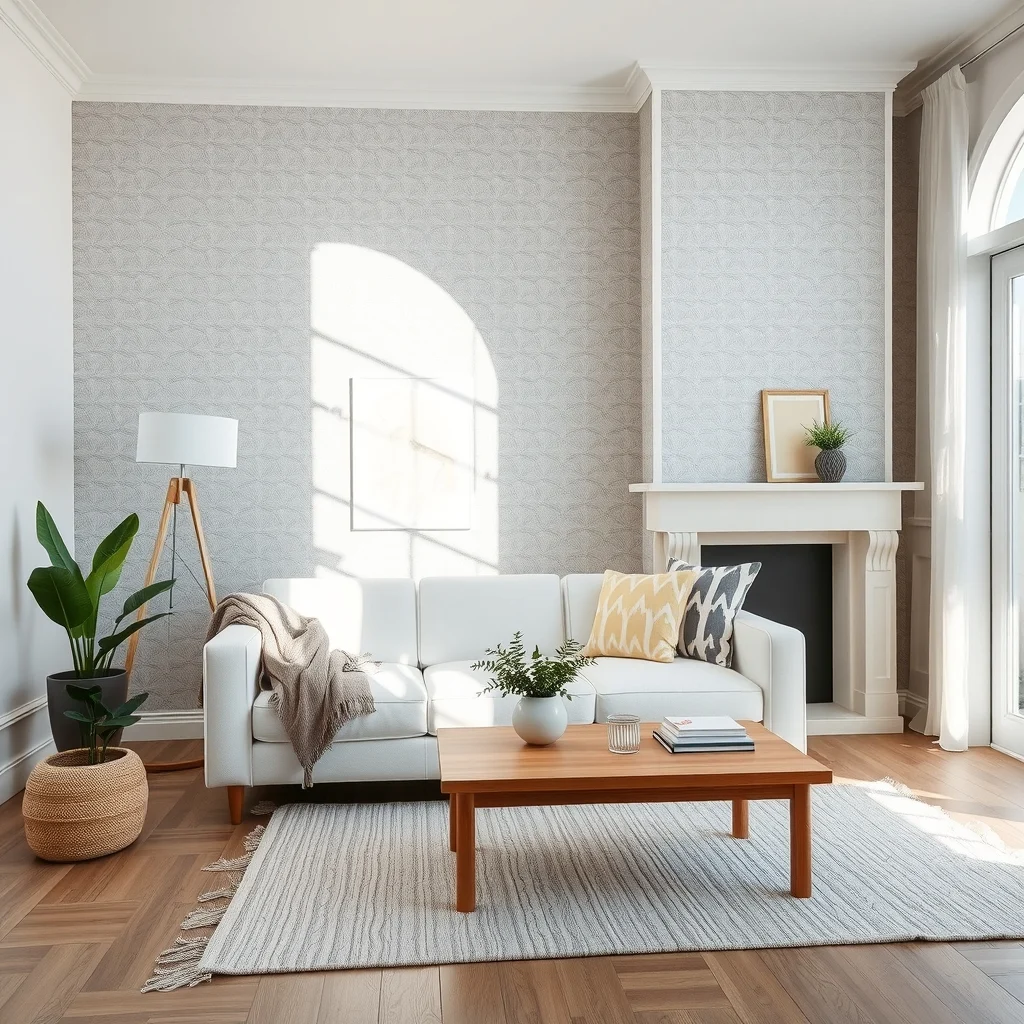
Modern peel‑and‑stick wallpaper offers the drama of traditional wallcoverings without the commitment of glue or plaster. Panels come in patterns ranging from subtle geometric greys to bold botanical prints, allowing you to choose a motif that either complements existing furnishings or becomes a focal point. Because the adhesive is designed to release cleanly, you can reposition a strip if a layout change feels better after a few weeks.
What’s Your Apartment Decor Style?
Answer these quick questions to discover your perfect decor vibe.
The installation process is straightforward: measure the wall, cut the paper to length, peel back the backing, and smooth it onto the surface with a squeegee or a credit card. A small amount of moisture can help the edges settle, especially in humid climates. The material is usually vinyl‑based, which resists moisture and is easy to wipe down with a damp cloth, making it suitable for kitchens or bathrooms where a splash might occur.
One trade‑off to consider is that very textured surfaces may not lay flat on uneven plaster, creating bubbles that are hard to smooth out. In such cases, a light sanding or a thin layer of removable wall primer can improve adhesion. When the lease ends, the wallpaper peels away in one piece, leaving only faint residue that a mild solvent can dissolve.
2. Fabric Wall Panels for Soft Warmth
© 2026 AI Illustrator — Inspiration Only
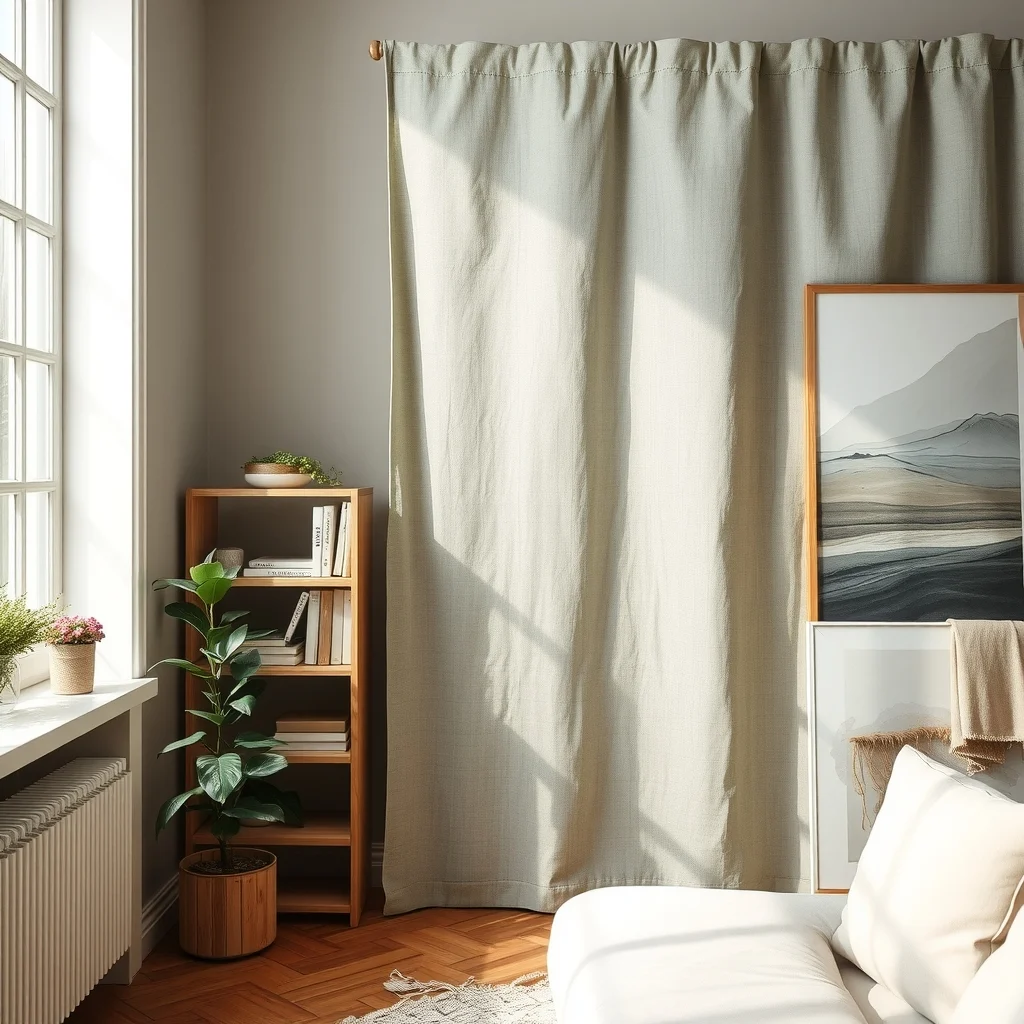
Large fabric panels hung from tension rods or lightweight frames add a tactile dimension that paint cannot achieve. Choose a linen or cotton blend in a muted hue—soft sage, warm greige, or dusty rose—to introduce a subtle hue while maintaining a calm atmosphere. The fabric drapes gently, catching natural light and creating a sense of depth that can make a small living room feel more intimate.
Installation is as simple as sliding the panel onto a tension rod placed between the two studs, or securing a wooden frame with removable adhesive strips. Because the panels are not affixed directly to the wall, they can be swapped out whenever your mood changes. Moreover, the material is washable; a gentle cycle in cold water restores color without shrinking.
Be aware that heavier fabrics may sag over time, especially in high‑traffic areas. To counter this, opt for a double‑stitched panel or add a discreet internal support bar. If you prefer a more eclectic look, mix and match panels of different textures—silk‑like for a bedroom, burlap for a loft‑style office—to create visual interest without overwhelming the space.
3. Floating Shelves with Decorative Backdrops
© 2026 AI Illustrator — Inspiration Only
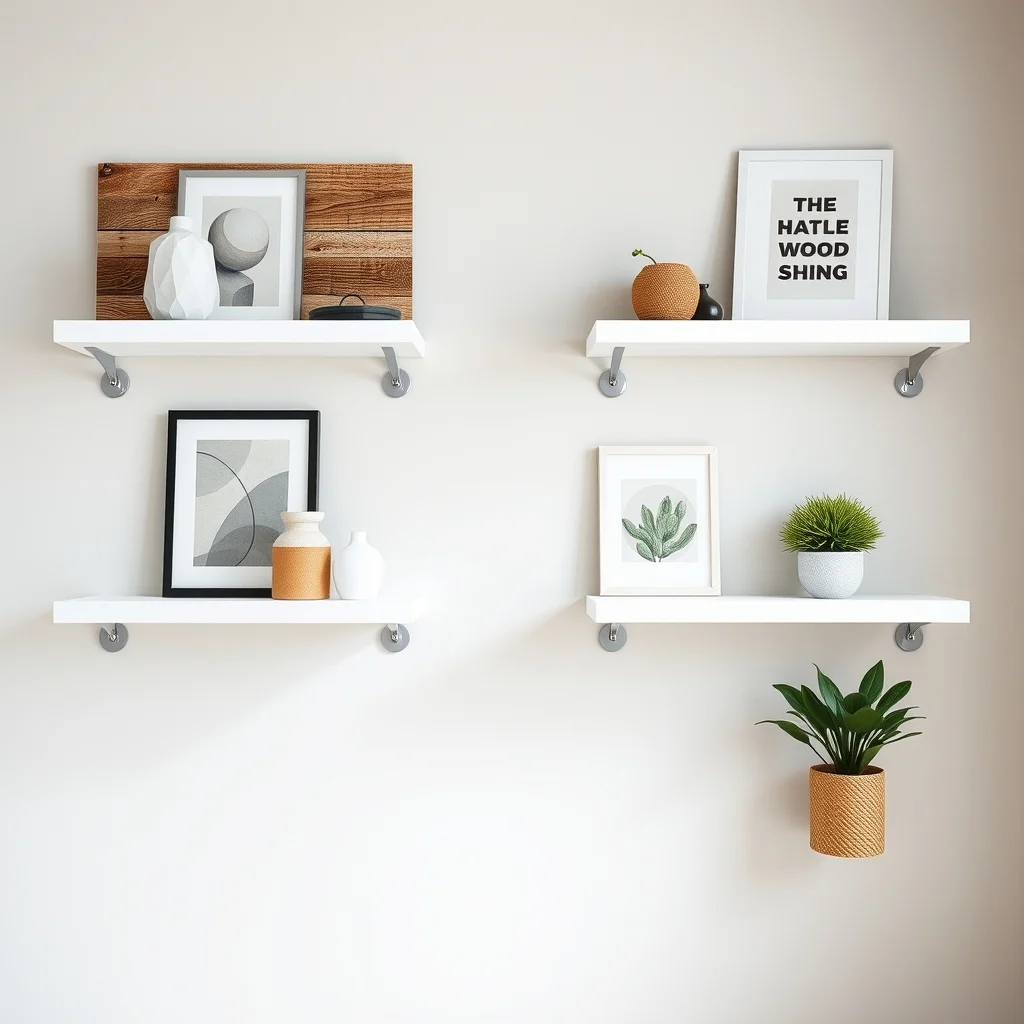
Floating shelves are a renter’s favorite because they require only a few small brackets that can be hidden with adhesive hooks. When you line the back of a shelf with a decorative board—such as reclaimed wood, a cork panel, or a sheet of metal—suddenly a plain wall becomes a curated display area. The backdrop can be painted in a contrasting shade, like deep teal behind light‑colored shelves, to draw the eye and break up monotony.
Arrange a mix of books, small potted plants, and curated objects on the shelves. The vertical stacking adds height, which is particularly useful in studios where floor space is at a premium. Lighting can be enhanced with a narrow LED strip tucked behind the board; the soft glow highlights the items without requiring additional floor lamps.
The main limitation is the weight capacity of the brackets. Overloading a shelf with heavy ceramic vases or large frames may cause the brackets to pull away from the wall. Check the manufacturer’s rating and distribute weight evenly, placing heavier pieces toward the center of the shelf. When you move out, the brackets come off cleanly, and the decorative board can be taken with you or left as a neutral accent for the next tenant.
4. Magnetic Paint and Curated Framing
© 2026 AI Illustrator — Inspiration Only
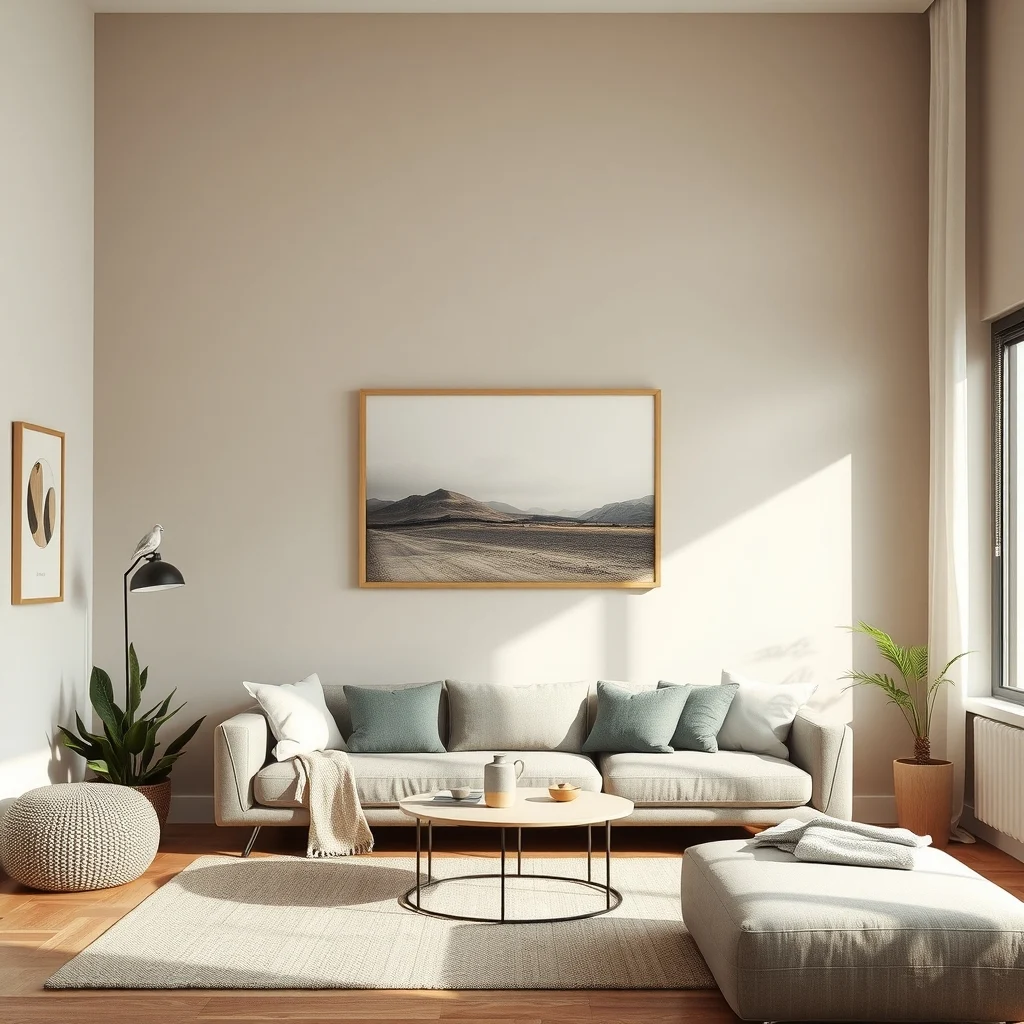
Magnetic primer creates a subtle, paint‑like surface that turns an entire wall into a giant bulletin board. After a single coat, you can apply a thin layer of standard paint in a hue that matches your décor, preserving the look of a finished wall while retaining magnetic functionality. Small neodymium magnets then hold framed prints, travel photos, or fabric swatches without any holes.
The flexibility of this approach lies in the ease of swapping art. If a seasonal change calls for a different palette, simply replace the frames and the wall retains its fresh appearance. Because the magnetic layer is thin, it does not add noticeable texture, keeping the wall smooth for occasional cleaning with a soft cloth.
One consideration is that very strong magnets can leave faint marks on glossy paints over time. To avoid this, use magnets with a protective coating or place a thin piece of felt between the magnet and the wall. If you prefer a darker backdrop, a charcoal or navy base can make white or pastel frames pop dramatically, creating a gallery‑like vibe without permanent installations.
5. Corkboard or Pegboard Arrangements
© 2026 AI Illustrator — Inspiration Only
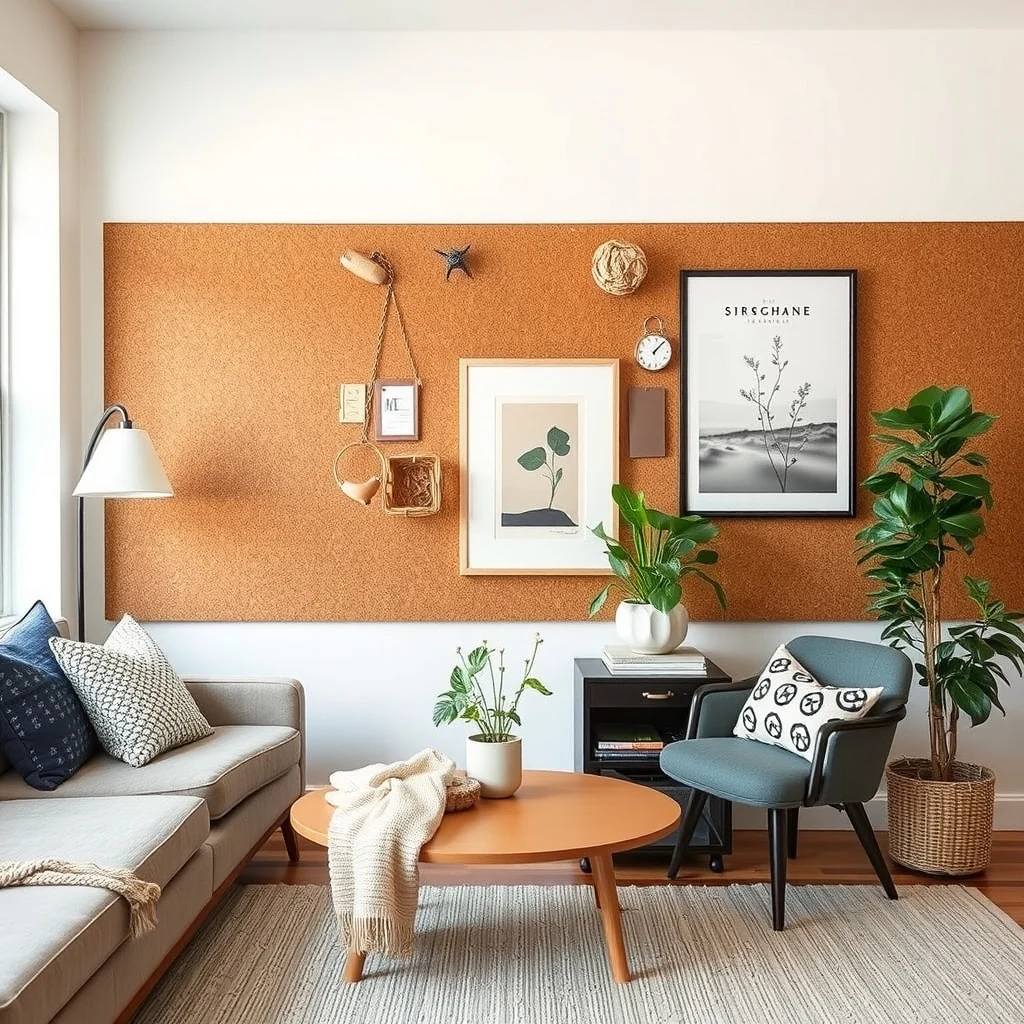
Cork and pegboard panels provide a functional canvas that doubles as a decorative element. A large corkboard, anchored with removable adhesive strips, offers a place to pin notes, recipes, or fabric samples, turning an otherwise blank wall into a living mood board. Pegboard, meanwhile, invites hooks and small baskets that can hold headphones, keys, or even miniature plant pots.
Choosing a natural cork finish adds warmth, while a painted pegboard—perhaps in a muted mustard or soft teal—introduces a pop of color that coordinates with other accents. The modular nature of pegboard means you can rearrange hooks as your storage needs evolve, keeping the visual clutter under control.
The primary drawback is that adhesive strips may lose their grip on heavily textured walls, especially if the surface is uneven or painted with a high‑gloss finish. In such cases, a small amount of removable mounting putty can reinforce the hold without damaging the paint. Both cork and pegboard are lightweight, making them easy to remove at the end of a lease without leaving marks.
6. Temporary Wood Slat or Shiplap Panels
© 2026 AI Illustrator — Inspiration Only
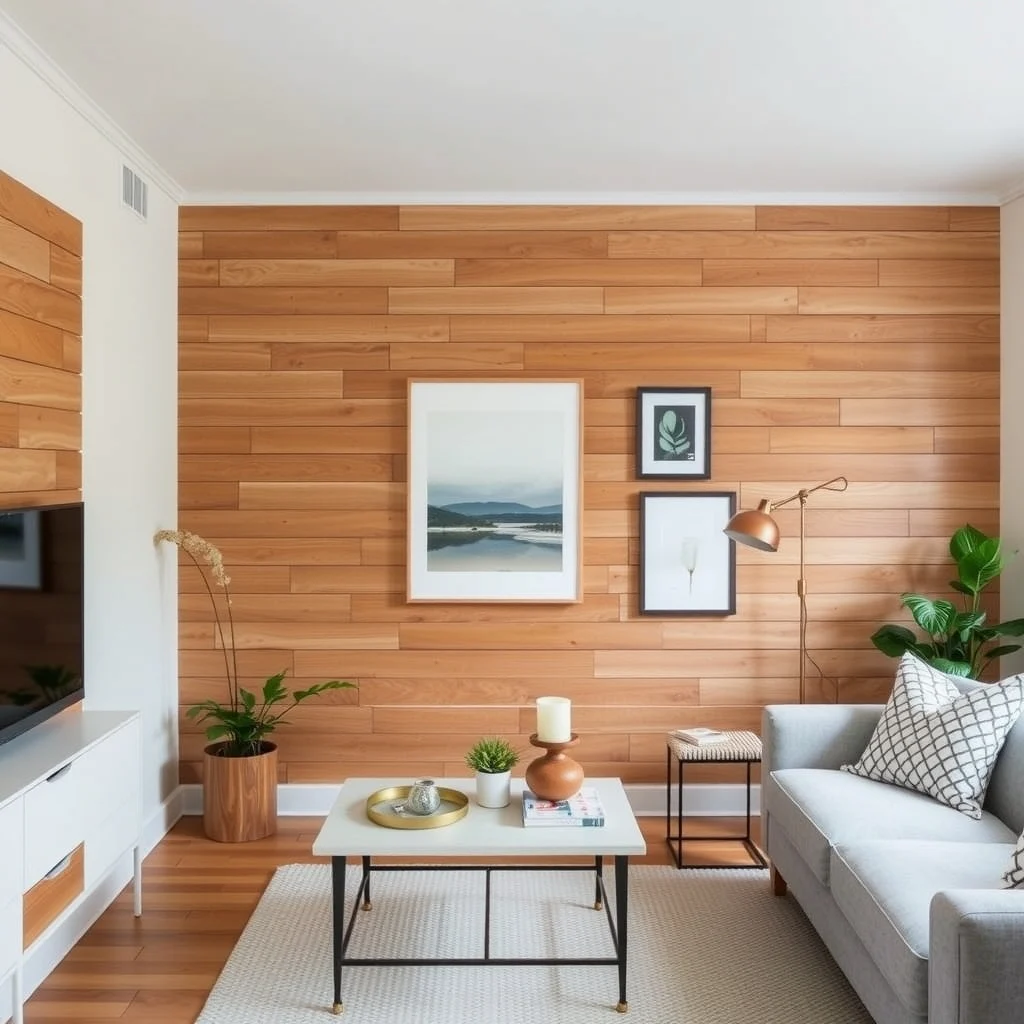
Wooden slat panels, often sold as tongue‑and‑groove or shiplap, can be installed over existing walls using a combination of tension rods and removable brackets. The natural grain of pine or reclaimed oak introduces an organic texture that softens the starkness of concrete or drywall. When painted in a light wash—such as a pale almond or soft white—the panels brighten the room while retaining the tactile quality of wood.
Because the panels are not glued directly to the wall, you can create a “floating” effect by leaving a narrow gap between the panel and the surface. This gap allows light to slip behind the wood, adding depth and a subtle shadow line that mimics built‑in paneling. Pair the installation with a slim floor lamp positioned near the edge to accentuate the shadow and highlight the grain.
Installation does require a bit of planning: measure the wall, cut panels to size with a fine‑toothed saw, and use small, removable brackets that screw into the studs. The brackets are typically concealed by the panel’s edge, preserving a clean look. The main limitation is the added weight; a full wall of solid wood can be heavy, so limit the coverage to a single accent wall or a lower half of the room. When the tenancy ends, the panels can be taken down and re‑used in a new space.
7. Light‑Filtering Window Film as an Accent
© 2026 AI Illustrator — Inspiration Only
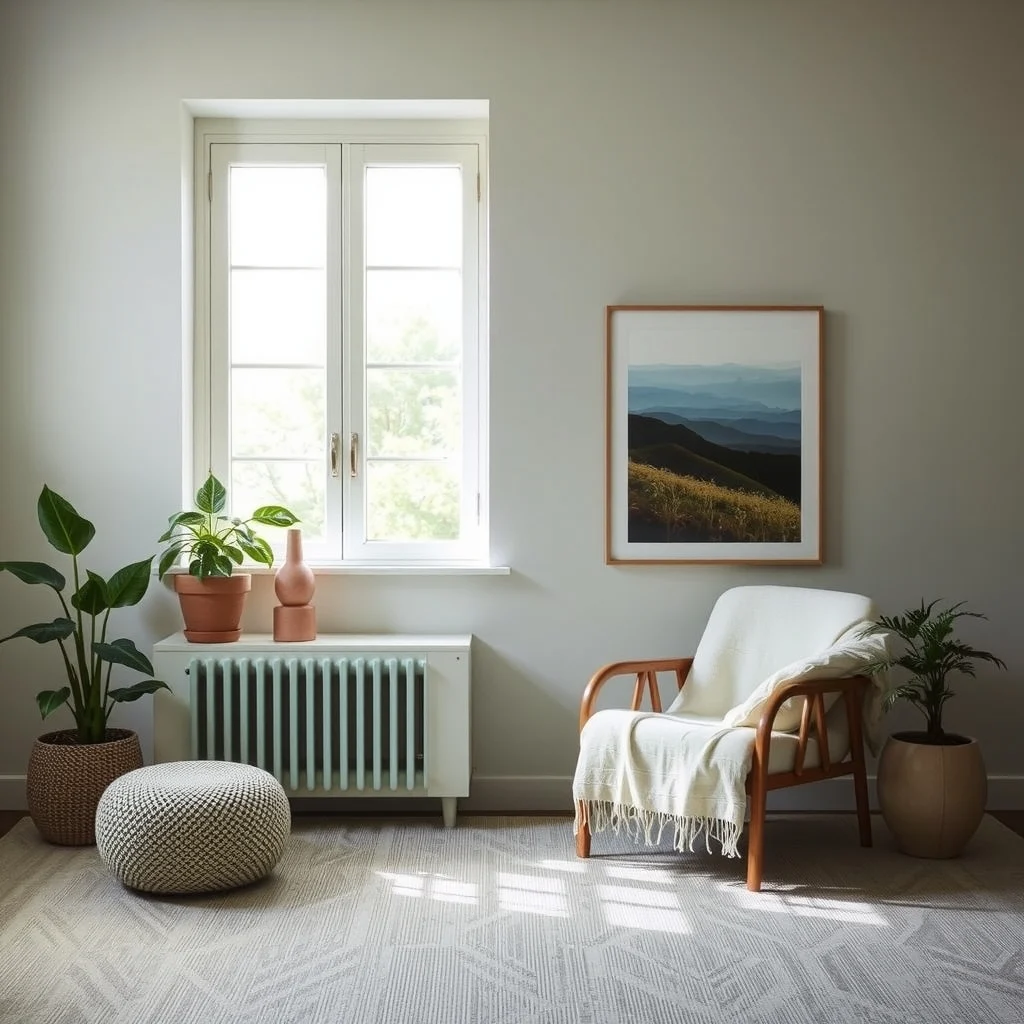
Window film is traditionally used on glass, but a matte‑finish variant can be applied to a wall to create a semi‑transparent surface that diffuses light. When placed on a south‑facing wall, the film softens harsh afternoon sun, reducing glare on a home office desk while adding a subtle pattern—such as a frosted geometric grid—that serves as visual interest.
The film adheres with a water‑based solution and can be peeled away without leaving residue, making it an ideal temporary solution. Because it is thin, it does not add bulk, and it can be cut with a utility knife to fit any dimensions. The diffused light also helps colors on nearby furniture appear more saturated, enhancing the overall ambiance.
A potential downside is that the film can be prone to bubbling if applied in a humid environment. To minimize this, clean the wall thoroughly, work in a low‑humidity setting, and use a squeegee to smooth out air pockets as you apply the material. If you later desire a bolder statement, replace the matte film with a decorative pattern that mimics stained glass, offering a dramatic shift without any permanent alteration.
How can I remove peel‑and‑stick wallpaper without damaging the wall?
Peel‑and‑stick wallpaper typically comes off cleanly when you pull it slowly from a corner. If adhesive residue remains, a solution of warm water and a few drops of mild dish soap applied with a soft sponge will dissolve the remaining glue. Rinse with a clean damp cloth and let the wall dry before repainting or applying a new treatment.
Is it safe to use magnetic paint in a bedroom?
Yes, magnetic paint is safe for bedrooms and other living spaces. The primer contains iron particles but no hazardous chemicals, and it can be covered with a standard latex paint of any color. Just ensure the room is well‑ventilated during application and follow the manufacturer’s drying times.
Can I hang heavy frames on a floating shelf without damaging it?
Heavy frames should be placed on a shelf only if the brackets are rated for the combined weight. Distribute the load evenly across the shelf, positioning the heaviest items near the center where the support is strongest. Using a shelf with a reinforced back or adding a discreet metal bracket can increase its capacity.
What are the best adhesives for attaching corkboard to drywall?
Removable adhesive strips designed for picture hanging work well on smooth drywall and provide a strong yet non‑permanent bond for corkboard. For textured walls, a thin layer of removable mounting putty adds extra grip without leaving marks when removed.
How does window film affect natural light in a room?
Window film reduces glare and softens direct sunlight, creating a more even illumination across the space. A matte finish diffuses light without significantly darkening the room, while decorative patterns can add visual interest while still allowing a portion of daylight to filter through.
Final Thoughts
© 2026 AI Illustrator — Inspiration Only
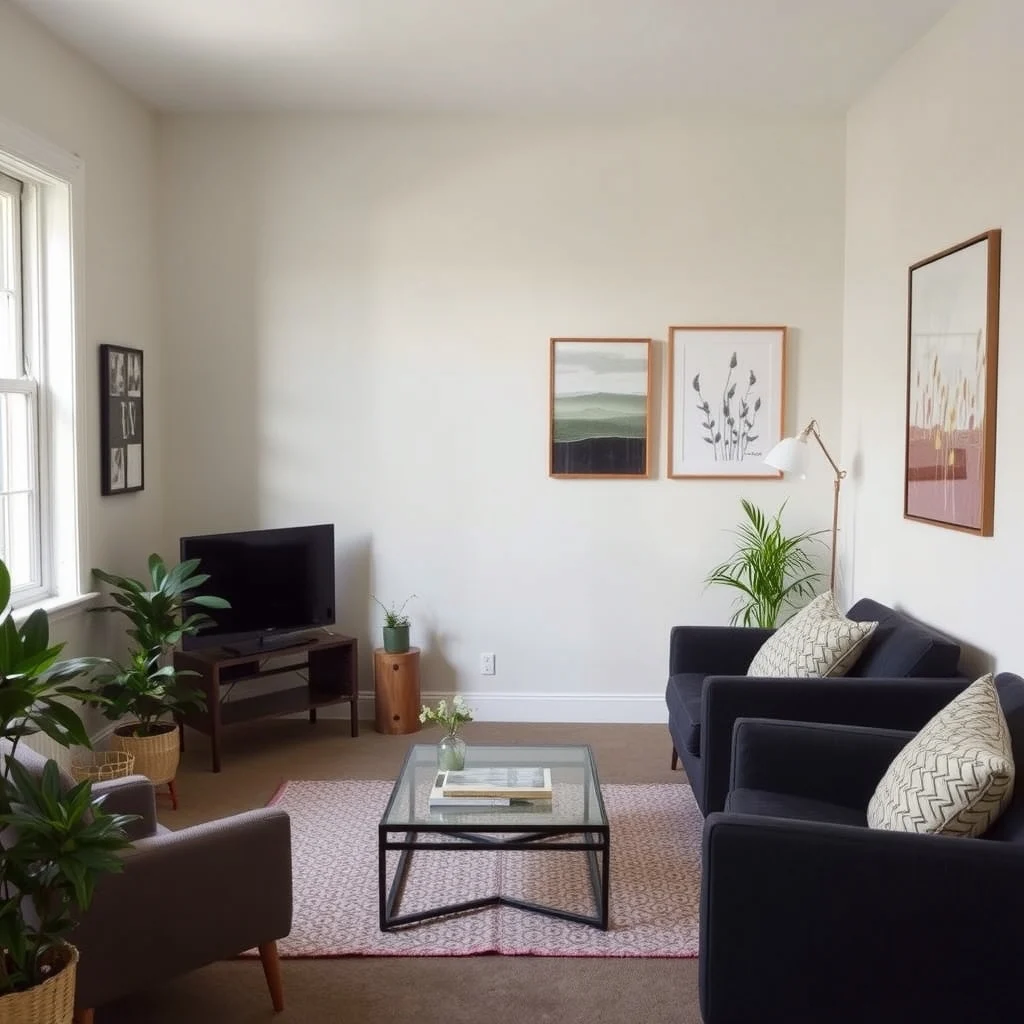
Personalizing a rental does not require a contractor or a permanent overhaul. By selecting treatments that adhere gently, can be repositioned, and respect the lease terms, you gain the freedom to experiment with style without compromising future plans. Whether you opt for the bold pattern of peel‑and‑stick wallpaper, the quiet texture of fabric panels, or the functional charm of magnetic paint, each solution offers a way to make the walls feel like an extension of your personality. The key is to balance aesthetics with practicality, ensuring that the space remains both beautiful and move‑in ready for the next chapter.