
First-Time Renter Budget Checklist: Your Guide to Apartment Budgeting
Ah, the thrill of moving into your first apartment! I remember when I was in my early twenties, coffee in hand, face smeared with a mix of excitement and sheer panic as I stared at my empty living room. Picture this: a stack of books balancing on a wobbly side table, a giant cactus I thought would add character but really just served to remind me I have a black thumb, and sunlight pooling across a velvet throw blanket I’d bought impulsively after a night of existential shopping online. The scene was about as chaotic as my budgeting skills, but hey, we all have to start somewhere, right?
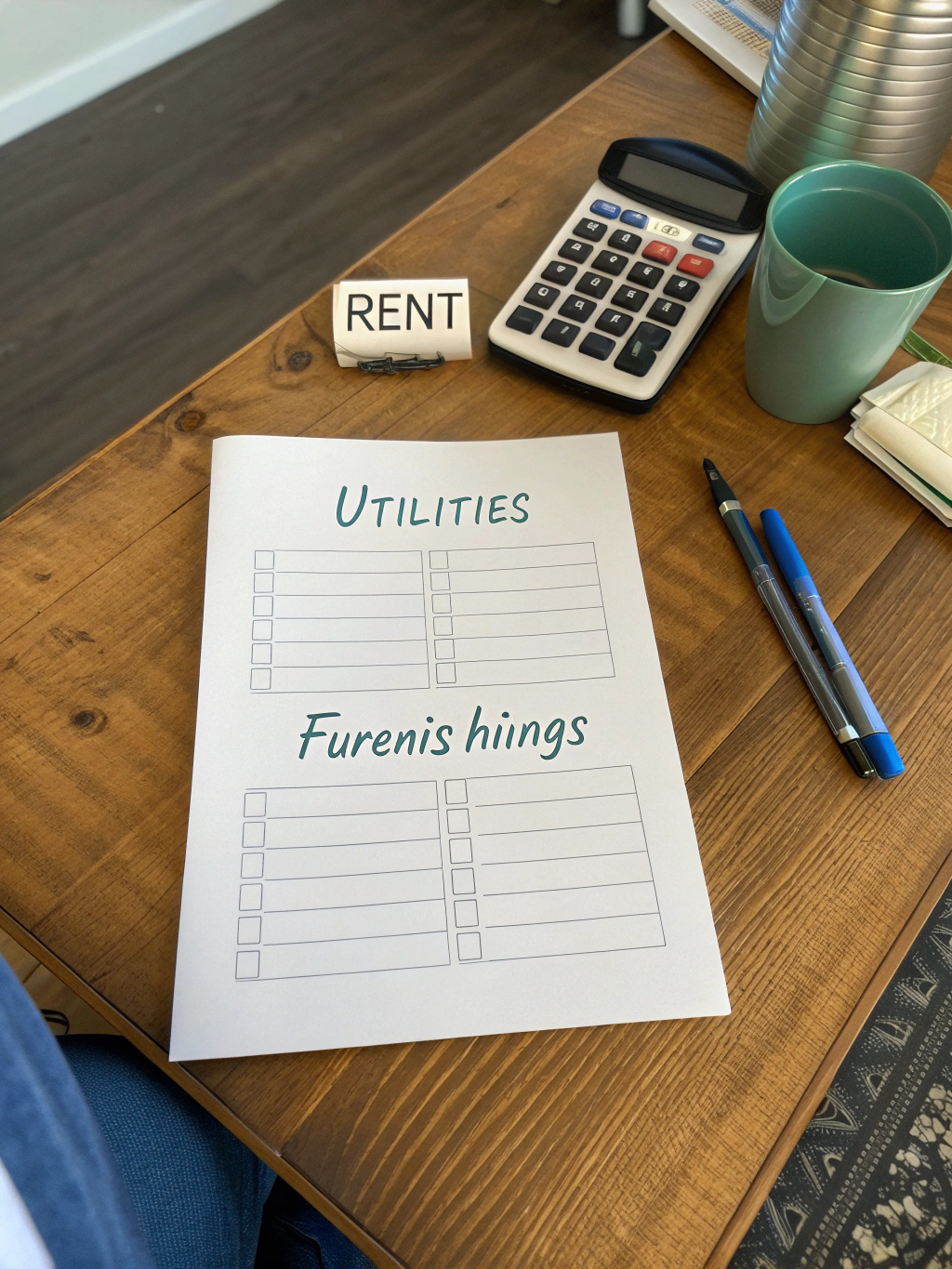
Today—and while I sip on my third cup of morning coffee—I’m going to share my handy-dandy first-time renter budget checklist. Because folks, apartment budgeting isn’t just a buzzword; it’s a way to ensure your new digs don’t become an overwhelming nest of financial chaos. Let’s dig in!
© 2026 AI Illustrator — Inspiration Only
What’s Your Apartment Decor Style?
Answer these quick questions to discover your perfect decor vibe.
1. Do the Math: Determine Your Income and Expenses
First thing’s first: you need to figure out how much money you’re actually working with. I mean, it’s super easy to fantasize about how you’ll live your best life, but when it comes down to it, you need to know what you’re bringing home each month.
Calculate Your Net Income: This means subtracting taxes and other deductions from your paycheck. If you’re a freelancer, don’t forget to average out your income over a few months or even the year.
List Your Current Expenses: Jot down everything: rent (yes, we’re getting to that), utilities, groceries, transportation, and those not-so-occasional takeout nights when cooking seems like too much of an Olympic sport.
Buffer For Fun: Life isn’t just about paying bills! Allocate a little for fun stuff—like that brunch with friends or the occasional splurge at Target. You’ve earned it!
I remember sitting at my kitchen table (okay, it was a cardboard box I was using as a makeshift table) and realizing I hadn’t factored in my Netflix subscription or that unfortunate Amazon shopping spree on socks that I thought were “really cute.” Spoiler alert: they weren’t.
2. Set a Realistic Rent Budget
Now that you know how much you can spend, let’s talk about the big cheese: rent. Often, your rent should ideally account for about 30% of your monthly income. I know, I know; that sounds easier said than done. In some cities, 30% feels like wishing for rain on a cloudless day!
Research Your City: Websites like Zillow or Apartments.com can give you a ballpark idea of rental prices in your area. Don’t forget to check out more affordable neighborhoods or hidden gems that may be a bit off the beaten path. My first apartment? Surrounded by up-and-coming coffee shops and a grocery store 100 steps away. #Winning.
Consider All Fees: Rent is just the tip of the iceberg. There might be pet fees (if your new roommate is a fluffy cat), maintenance fees, or parking fees. Don’t let these sneak up on you like a sock monster under your bed!

© 2026 AI Illustrator — Inspiration Only
3. Utilities and Bills: The Silent Budget Drainers
Remember that time you thought you’d just pay rent and live happily ever after? Yeah, that’s cute. But let’s break down the “surprise” costs.
Estimate Utilities: Electric, water, gas, internet, and maybe even a little extra for when you crank up that heater in winter while letting the rest of the world freeze.
Average Your Monthly Costs: Average these over a year to get an idea of what to expect monthly. Pro tip: Many cities allow you to set up budget billing systems that help spread your costs evenly throughout the year.
I once forgot about heating costs, and let’s just say, my March bills had me second-guessing my choice of a spacious loft over a cozy studio with a fireplace. Lesson learned: stay warm, and stay informed!
4. Groceries: Cooking vs. Takeout
But wait! What about food? For many of us, this is where our budget can get a little wobbly. I can’t tell you how many times I justified takeout by saying I’d “only order this one time.” Spoiler alert: that turned into a health-conscious salad and a pizza for later that week.
Create a Grocery Budget: Work out how much you typically spend weekly or monthly. This can vary depending on whether you’re channeling your inner chef or are in full-on “order pizza” mode.
Meal Planning Is Key: Have you tried meal prepping? Not only does it save your wallet but often your sanity too! There are tons of apps and websites out there to help you navigate this culinary adventure.
Explore Local Markets: Farmers’ markets can offer fresh produce at lower prices, plus you get to feel all wholesome and support local farmers. Win-win!
© 2026 AI Illustrator — Inspiration Only
5. Make Room for Essentials vs. Wants
Let’s talk decor—oh wait, we need to budget for that first! It’s all about separating what you need from what you want.
Prioritize Essentials: Think about what you absolutely need: a bed, a couch, pots, and pans, maybe even that quirky wall art you stumbled upon on Etsy.
Budget for Fun Stuff: Once you have your essentials, allow a little wiggle room for extra cute stuff that makes your new place, well, you! Insist on a comfy throw blanket or that funky table lamp because lighting can seriously change an entire room’s vibe.
Thrift Shops Are Your Best Friend: To save money on decorations, hit up thrift stores or those fabulous Facebook Marketplace finds! You can score some seriously unique pieces for your apartment, not to mention you’ll feel like a bargain-hunting superhero.
6. Emergency Fund: Because Life Happens
Ah, the dreaded “what if” scenarios. Like that time my dinner decided to make a sudden getaway into the depths of my kitchen floor. Yikes. Being a renter means stuff happens—things break, appliances malfunction, and life throws curveballs.
Start an Emergency Fund: Aim for a little stash of cash that can cover unexpected costs. Financial gurus usually recommend having three to six months’ worth of essential living expenses saved up.
Set Aside a Little Each Month: Even if it’s just a few bucks, it adds up! Plus, the peace of mind you get from knowing you’re prepared for anything that comes your way? Priceless.

© 2026 AI Illustrator — Inspiration Only
Conclusion: Start Budgeting Like a Boss
Renting your first apartment is a thrilling experience, filled with opportunities for personal growth and, yes, financial learning as well. Trust me; I’ve been there, navigating the world of apartment budgeting with dodgy math and a credit card that threatened me with its limits.
So as you sip your coffee (or that generous amount of caffeine—no judgment here), take a moment to review this checklist. Make it your blueprint to apartment budgeting, so you not only have a place to call your own but also a budget that keeps you grounded.
And remember: your first apartment doesn’t have to be perfect. It just has to be yours. Get cozy in those mismatched thrifted chairs, spread out on that floor you definitely got too stressed out about, and let the adventures of adulthood unfold! Happy renting!