
Your living room isn’t small—it’s “cozy with potential.” The right rug can flip that switch from cramped to curated in, like, an afternoon. Ready for some style magic? Here are six rug placement tricks that visually stretch your square footage without moving a single wall.
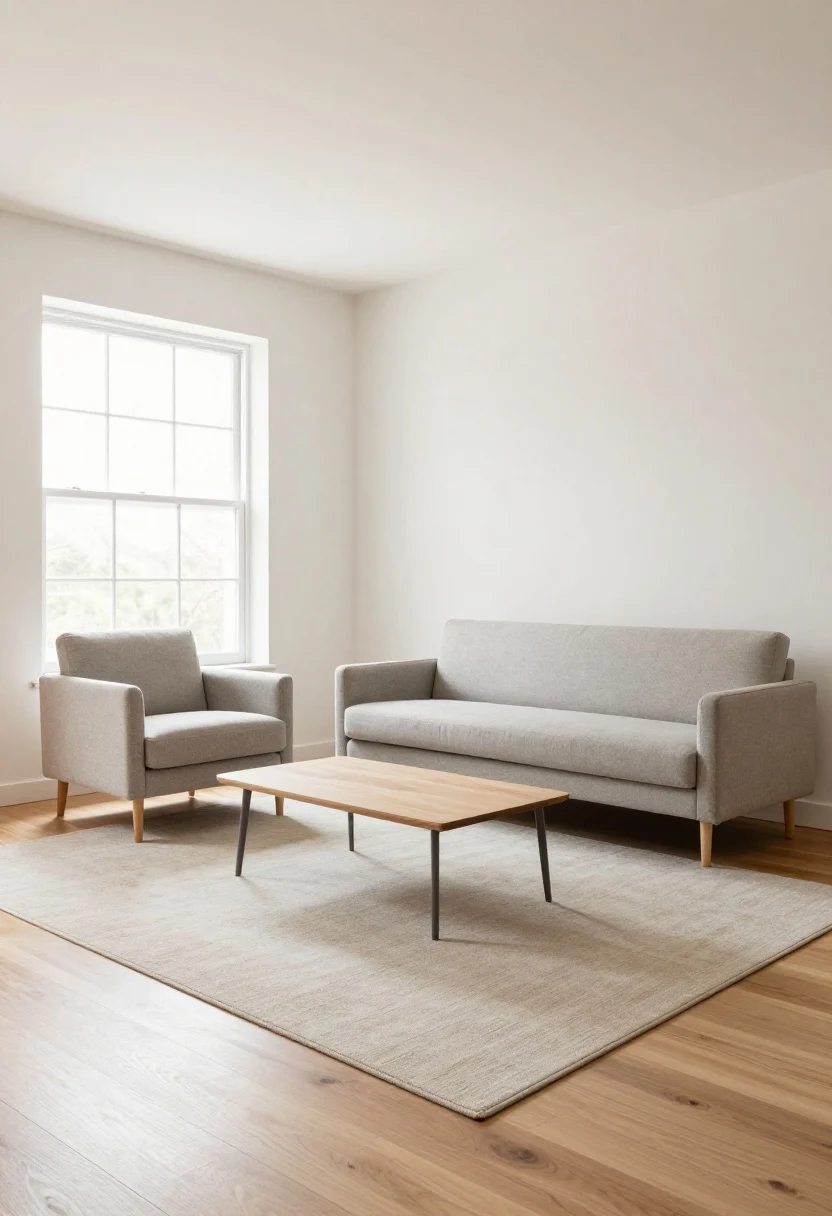
1. Float The Furniture (And The Rug) Like A Pro
© 2026 AI Illustrator — Inspiration Only
When every piece hugs the wall, the room reads tiny. Counterintuitive, but pulling furniture in and floating it on a rug actually makes space feel larger—because you’ve created a defined, airy “zone.” Instant architecture, no contractor required.
What’s Your Apartment Decor Style?
Answer these quick questions to discover your perfect decor vibe.
How To Place It
- Size up: Choose a rug large enough so at least the front two legs of your sofa and chairs sit on it. Too-small rugs chop the room visually—hard pass.
- Leave breathing room: Aim for 6–12 inches of floor peeking out around your seating zone so the rug looks intentional, not floating in a puddle.
- Unify the conversation: Ensure all seating touches the rug somehow. It creates one visual island, which reads bigger than scattered pieces.
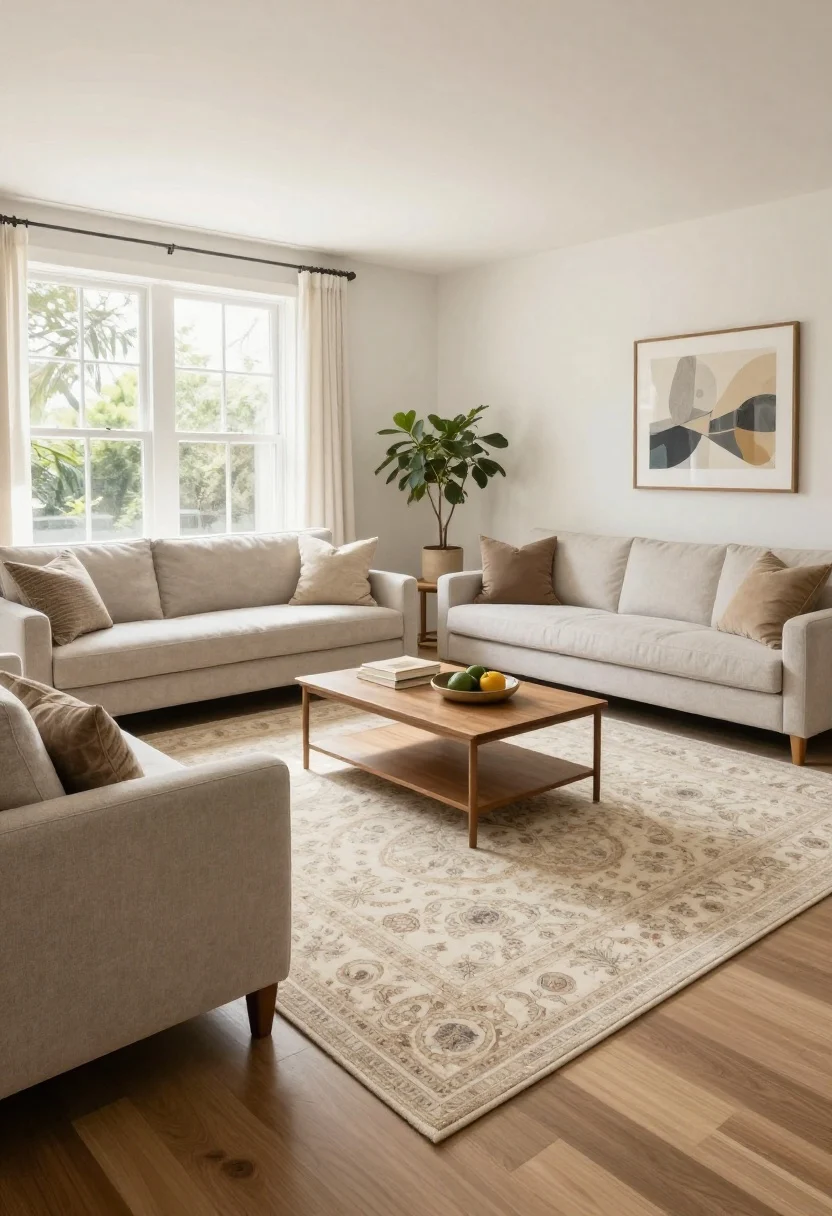
2. Go Big (Seriously) Or Go Patchy
© 2026 AI Illustrator — Inspiration Only
Small rugs make small rooms look…smaller. A larger rug extends the eye and makes walls feel farther apart. Think of it as the wide-angle lens of decor.
Pro Sizing Rules
- Minimum width: The rug should be at least the same width as your sofa (ideally 6–12 inches wider on each side).
- Depth matters: In tight rooms, an 8′ x 10′ often beats a 5′ x 7′. FYI, bigger rugs reduce visual clutter by corralling furniture.
- Skip “postage stamps”: A tiny rug under just a coffee table screams “dorm room.” Upgrade and your entire layout levels up.
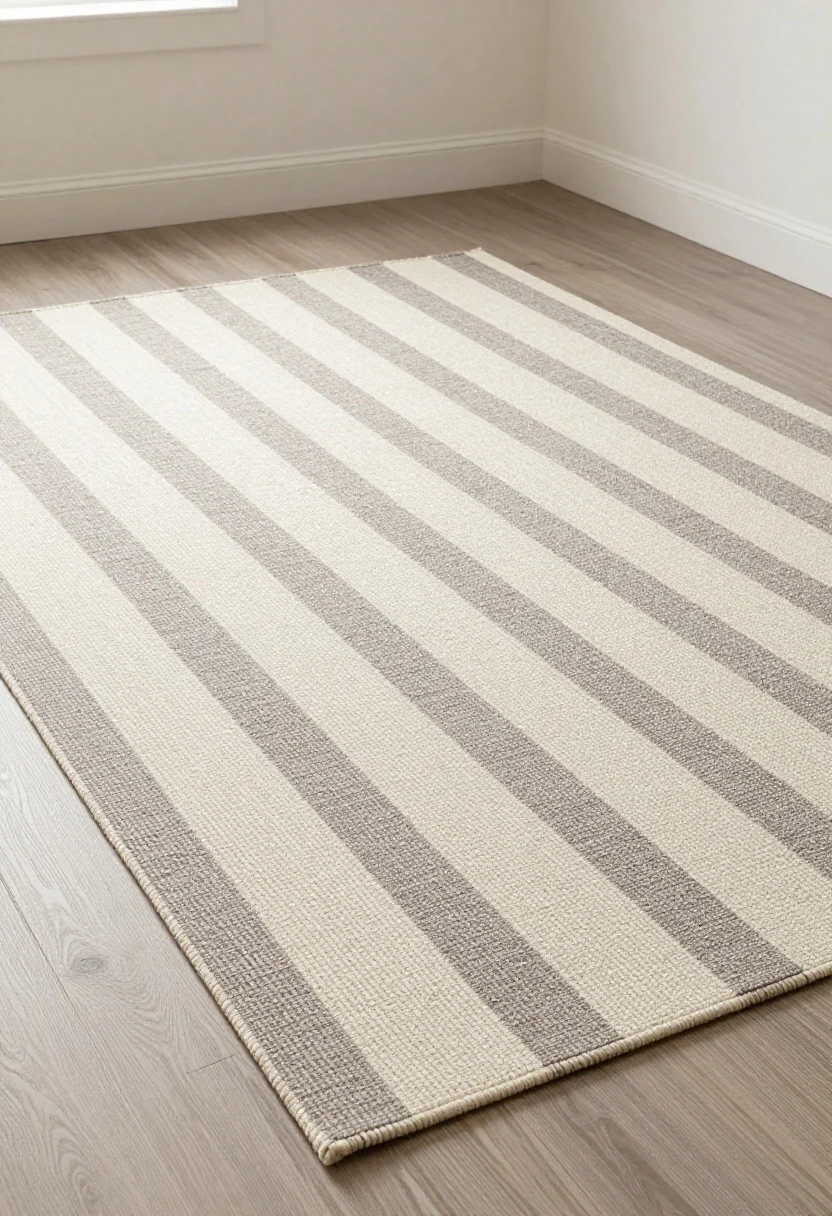
3. Use Stripes To Stretch The Room
© 2026 AI Illustrator — Inspiration Only
Stripes are basically optical illusions you can walk on. Position them to guide the eye in the direction you want to visually “extend.”
Orientation That Works
- Short room? Run stripes parallel to the shorter wall to visually widen it.
- Narrow room? Place stripes across the room to make it feel broader.
- Keep it subtle: Low-contrast stripes (cream and taupe, gray and ivory) are chic and expansive. High contrast is bold but can feel busier—use thoughtfully.
Bonus: A chunky, flatwoven stripe adds texture without bulk, so your furniture doesn’t look like it’s sinking.
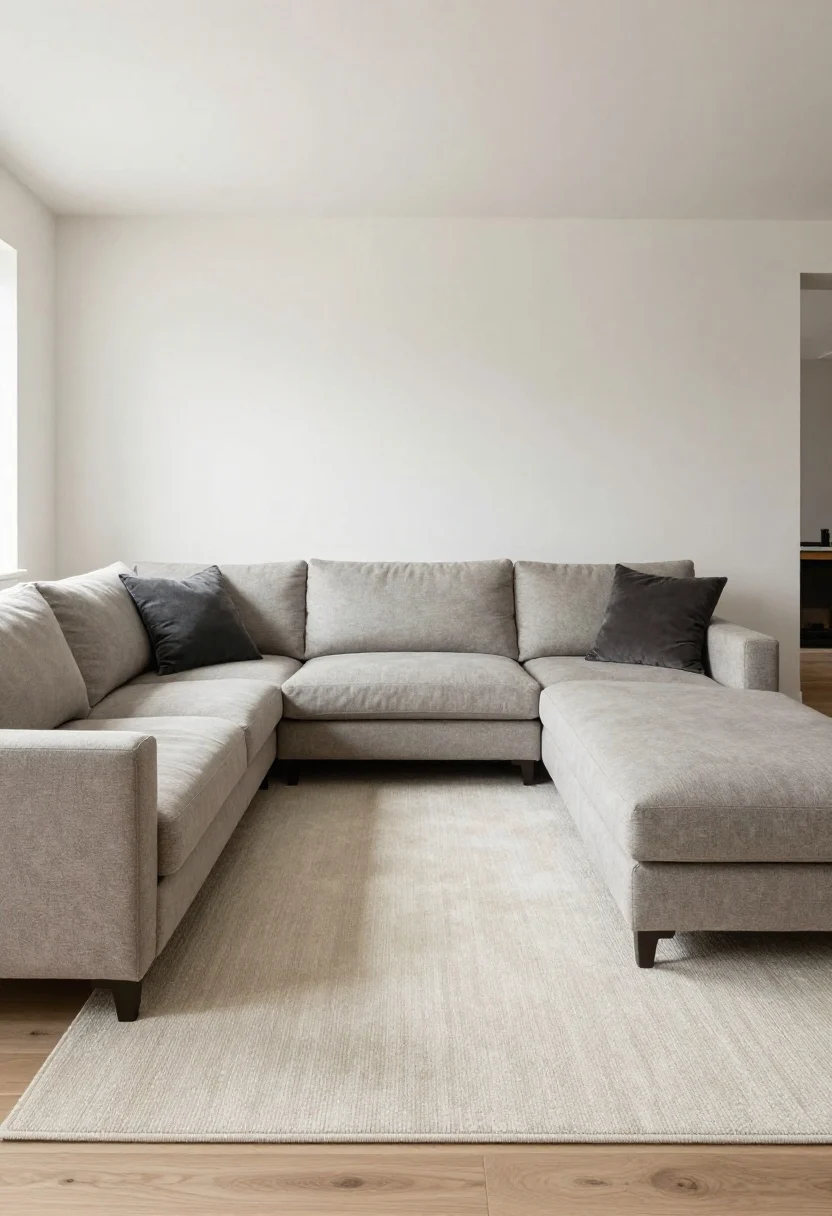
4. Match Your Layout—Not The Walls
© 2026 AI Illustrator — Inspiration Only
Square room? Rectangular layout? Angled fireplace? Your rug should mirror the furniture plan, not the room shape. This trick calms visual noise and helps the eye read one clean story.
Layout-Driven Placement
- Rectangular seating: Use a rectangle rug that aligns with your sofa and chairs—keep its long edge parallel to the sofa.
- L-shaped sectional: Choose a rug that fills the negative space inside the L, extending beyond the chaise to anchor the corner.
- Awkward angles? Square up the furniture on the rug and let the architecture be quirky in the background. Your seating zone = the star.
IMO, this is the easiest way to make a small, wonky room look polished fast.
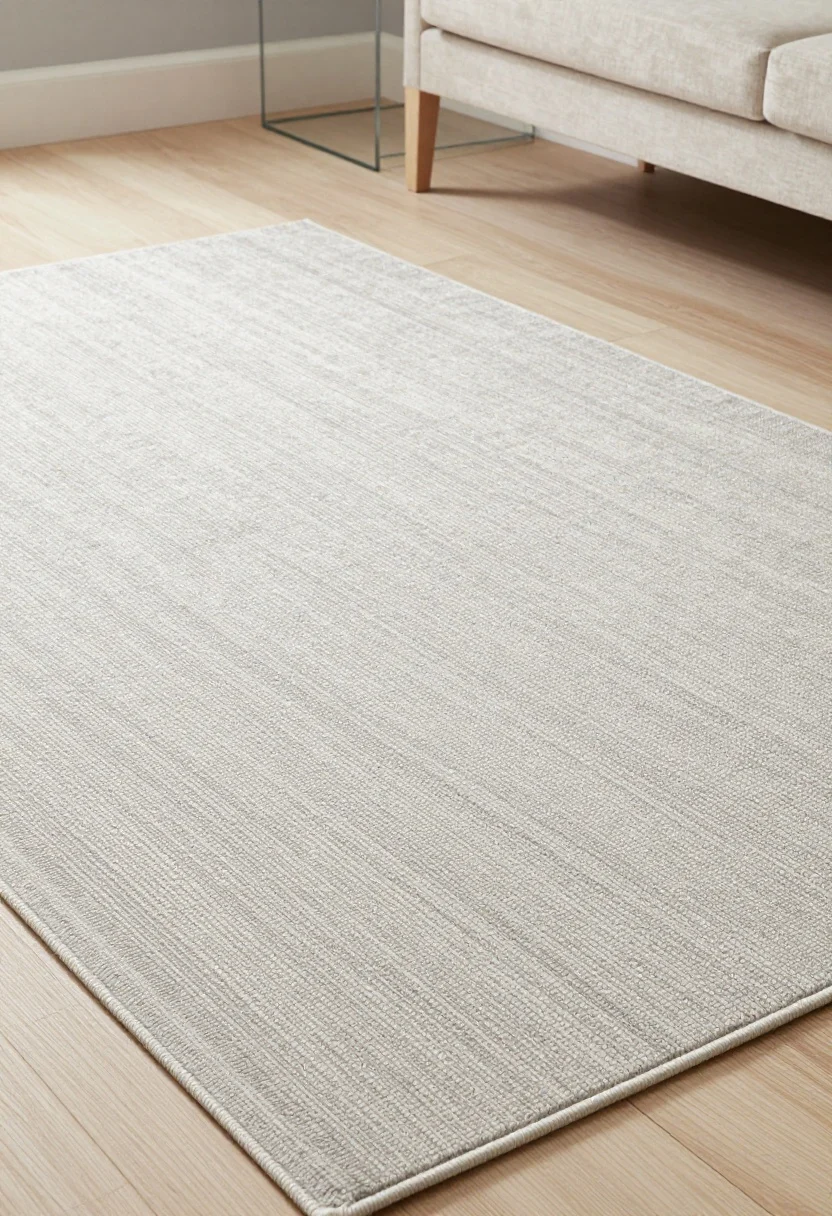
5. Light, Low-Contrast Rugs = Instant Airiness
© 2026 AI Illustrator — Inspiration Only
Dark, heavy rugs can visually “sink” a small room. Lighter tones reflect more light and blur edges, which makes the floor feel continuous and the room feel bigger.
Color And Pattern Tips
- Choose low-contrast: Rugs that are similar in tone to your flooring and walls blend, not break the visual plane. Think oatmeal, sand, fog gray.
- Keep patterns soft: Micro-patterns, small geometrics, or gentle vintage fades give interest without crowding the room.
- Material matters: Flatweaves, low-pile wool, or indoor-outdoor blends feel sleek and don’t add visual bulk. High pile can overwhelm in tight quarters.
FYI: If you love moody tones, pair a darker rug with light, leggy furniture and glass or open-base tables to counterbalance the weight.
6. Layer Smart For Depth (Not Clutter)
© 2026 AI Illustrator — Inspiration Only
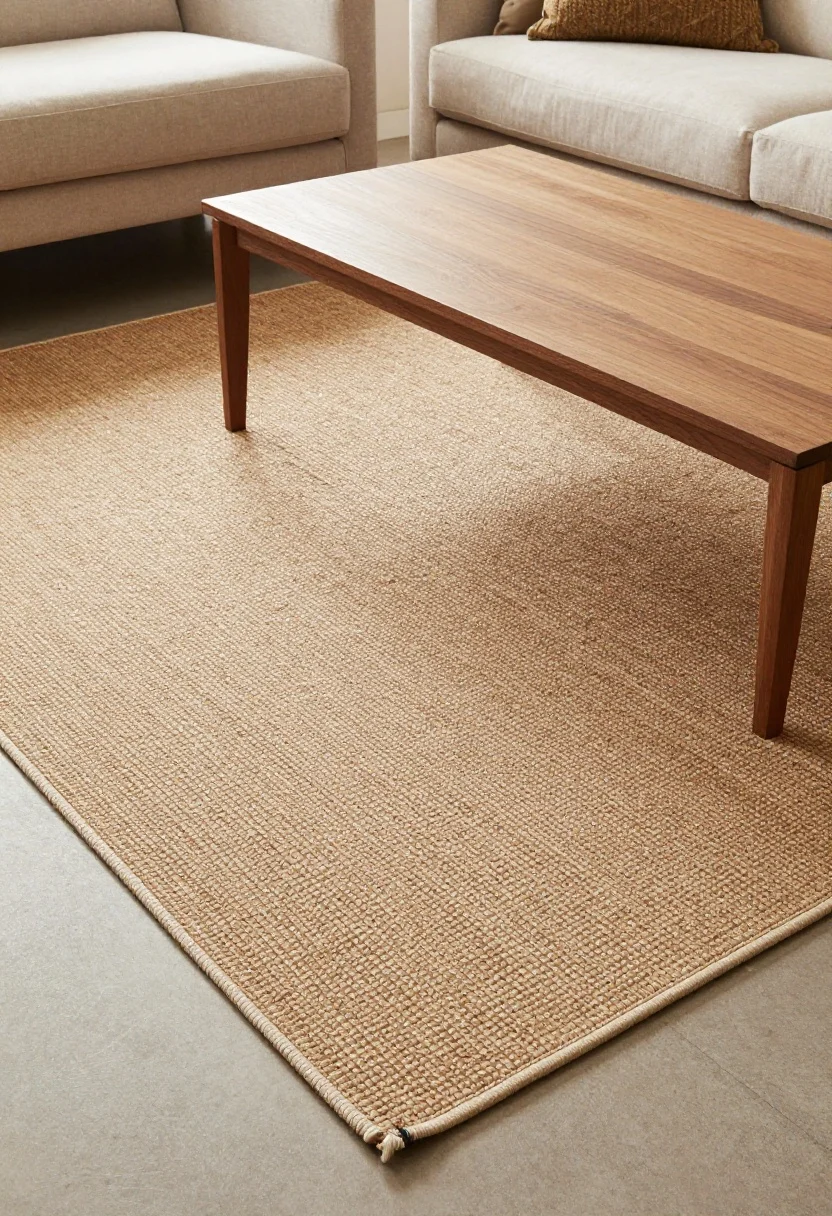
Layering can make a small room feel curated—not chaotic—if you keep scale and palette tight. The trick is a large neutral base with a smaller accent rug to define the core seating area.
How To Layer Without The Mess
- Start big and simple: Lay a neutral jute or sisal that fits the whole seating zone, then center a softer, patterned rug under the coffee table.
- Limit contrast: Keep your base and top rugs within a similar color family so the look reads cohesive, not patchwork.
- Mind the edges: Make sure the top rug is large enough to touch the front legs of the sofa or at least the coffee table and adjacent chair legs. Floating postage-stamp layers look accidental.
- Safety first: Use a rug pad under each layer so nothing slides when you grab snacks mid-episode. Priorities.
Layering adds texture and focus right where you want attention—center stage—so the room feels intentional and, yes, visually larger.
Quick Styling Extras That Amplify The Illusion
- Leggy furniture: Visible floors = visual space. Opt for raised sofas and chairs.
- Glass or open-base tables: Keeps sightlines open and your rug front and center.
- Curtains hung high and wide: They elongate the walls and complement your elongated rug zone.
- Declutter corners: If decor sits off-rug, keep it minimal so the rug remains the “frame” of the room.
Bottom line: the right rug placement can do more for your small living room than a new paint color—and you don’t need a floor plan degree to nail it. Choose a rug that’s big enough, align it with your seating (not your walls), keep tones light and cohesive, and don’t be afraid to float that furniture. Your “cozy with potential” space? It’s about to look full-on fabulous.