
Let’s be real: apartment life is cute on Instagram and chaotic in your bank app. But with a smart plan, your monthly costs won’t sneak up like that one plant you forgot to water. Here’s your friendly, no-fluff guide to everything you’ll spend each month—plus where to save without sacrificing style.
1. Rent Rules Everything (But You’re Still In Charge)
© 2026 AI Illustrator — Inspiration Only
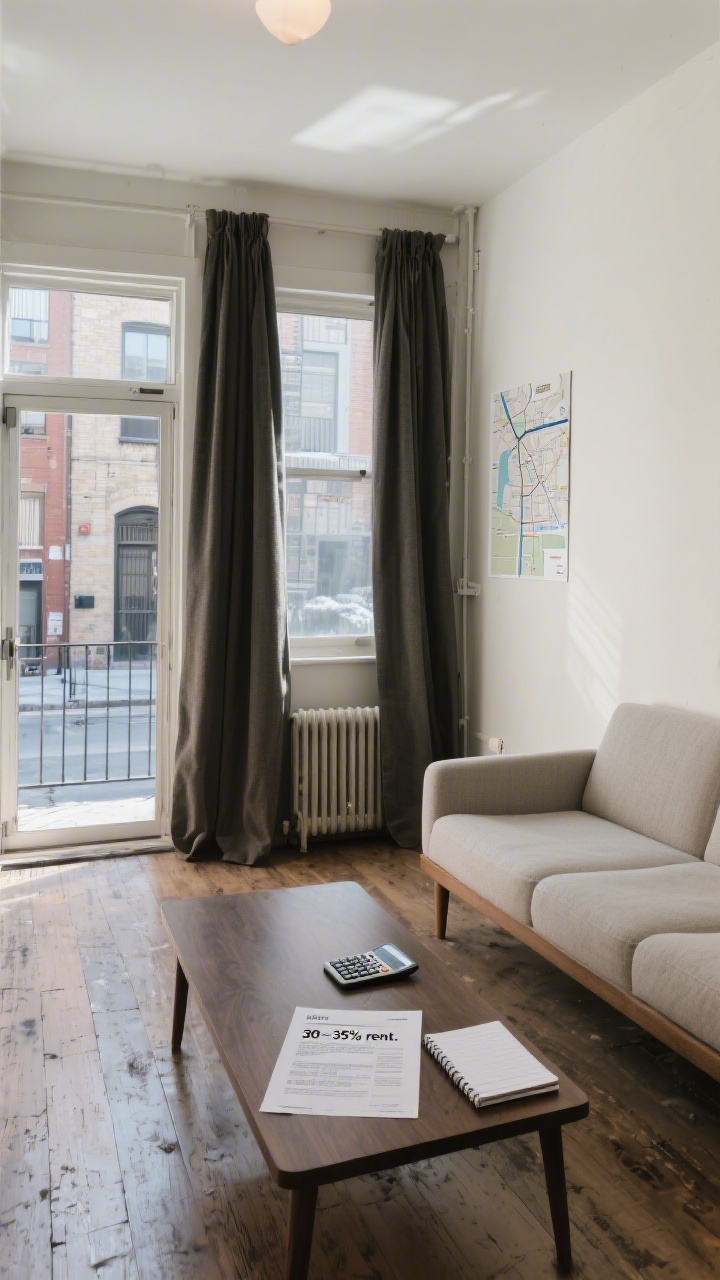
Rent is the star of the show—and the diva. Most folks spend 30–35% of take-home pay, but your number might flex depending on your city and commute. Don’t just ask “Can I afford it?” Ask, “Can I afford it and still buy groceries and art prints?”
What’s Your Apartment Decor Style?
Answer these quick questions to discover your perfect decor vibe.
What Impacts Rent
- Location: Near transit or downtown = higher rent. Farther out = cheaper, more space.
- Building Type: New builds charge for amenities (hello, rooftop). Older units can be gems if you’re handy with a magic eraser.
- Timing: Winter leases can be cheaper. End-of-month tours? Landlords may deal.
How To Lower It
- Roommate math: Two beds often cost less per person than a studio.
- Negotiate: Ask for one free parking month or a small rent reduction for a longer lease.
- Smart trade-offs: Ground floors can be cheaper. So can units facing alleys (curtains fix everything).
Target: Keep rent + renter’s insurance under 35% of your take-home pay, IMO.
2. Utilities & Wi‑Fi: The Sneaky Add-Ons
Utilities are like the fine print that drains your latte budget. Expect electricity, gas, water, trash, and sewer—some buildings include a few. Always ask what’s on you versus the landlord.
Average Monthly Ranges
- Electricity: $40–$120 (A/C is an energy goblin.)
- Gas: $15–$60 (higher if you heat with gas in winter)
- Water/Trash/Sewer: $20–$80 (often fixed or billed by occupancy)
- Internet: $40–$80 (bundle wisely; avoid promo traps)
Quick Savings Wins
- LED everything: Lower wattage, same cozy vibe.
- Power strips: Kill vampire power from TVs and consoles.
- Thermostat zones: 68–70°F heat, 74–78°F cool. Your plants will live.
- Wi‑Fi speed check: Most people don’t need gigabit unless you’re streaming 4K while gaming while uploading a movie, FYI.
3. Renter’s Insurance & Fees: Small Line Items, Big Peace
© 2026 AI Illustrator — Inspiration Only
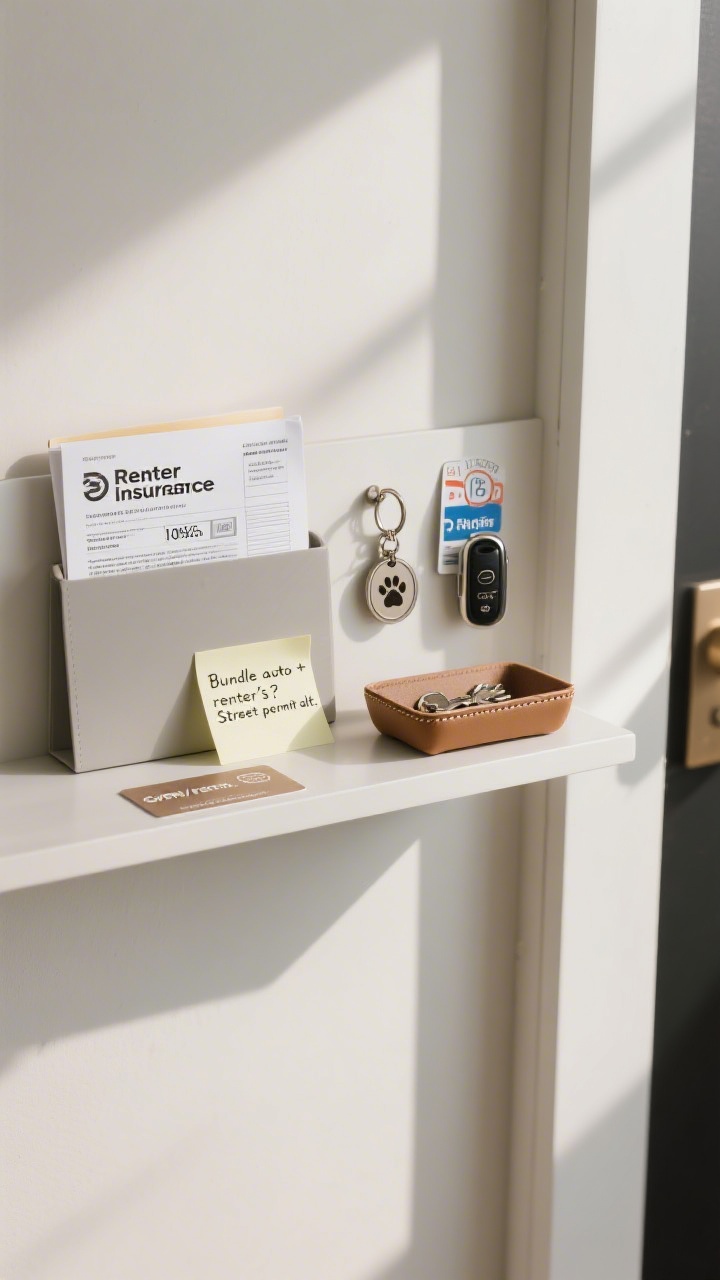
It’s not sexy, but renter’s insurance is a must. It covers your stuff and sometimes temporary housing if things go sideways. Most policies are cheap—like two coffees a month.
Expect These Costs
- Renter’s Insurance: $10–$25/month for $20–$50k coverage.
- Parking: $0–$200/month (street vs. garage life).
- Pet Rent/Deposit: $15–$50/month plus deposits. Yes, your cat is a line item now.
- Amenity Fees: $10–$50/month (gym, package lockers, rooftop bragging rights).
How To Hack It
- Bundle insurance: Auto + renter’s can save you a bit.
- Negotiate pet fees: Ask to swap pet rent for a slightly higher deposit.
- Parking alternatives: Street permits or nearby lots can be half the price.
4. Move‑In & One‑Time Setup: Budget Before You Swipe
© 2026 AI Illustrator — Inspiration Only
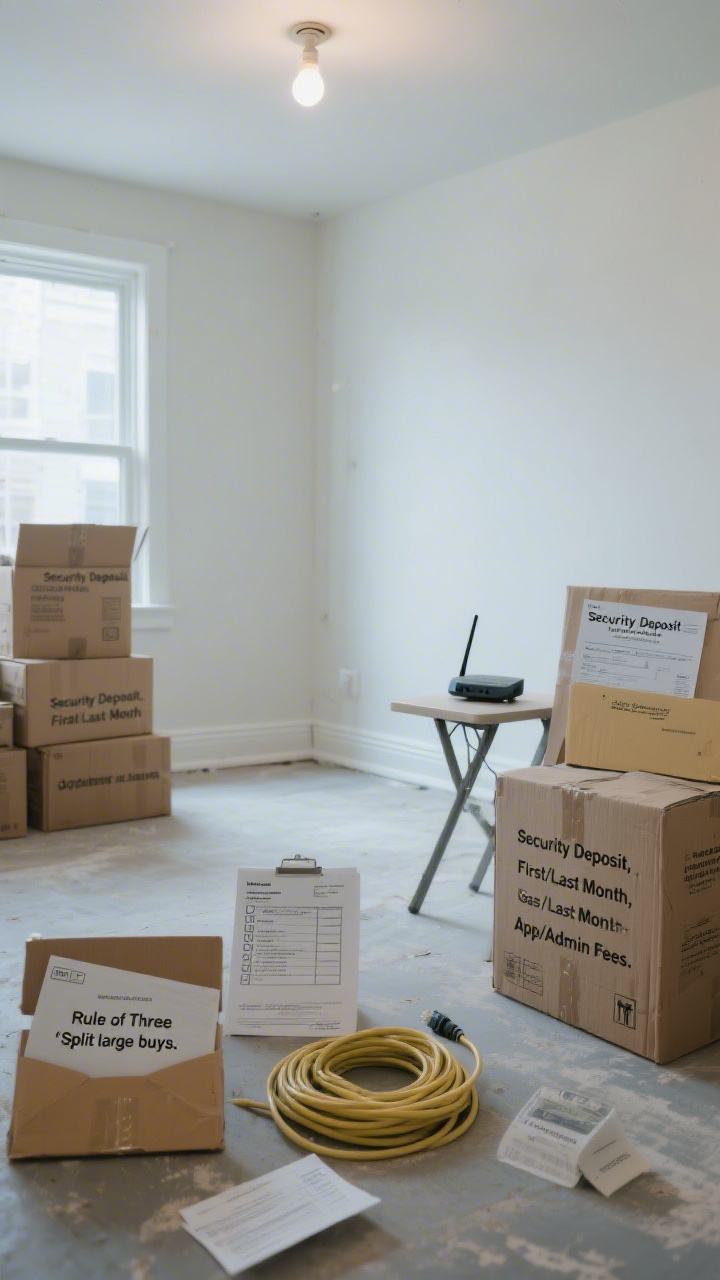
Before month one even starts, you’ll face deposits and those “we forgot to tell you” fees. Plan these so you don’t live on instant noodles for two weeks—unless that’s your thing.
Typical Upfront Costs
- Security Deposit: Usually 1 month’s rent (sometimes less with good credit).
- First/Last Month: Some landlords want both—ask early.
- Application & Admin Fees: $30–$300 (varies a lot by state).
- Utility Setup: $0–$150 (internet installs, deposits for gas/electric).
- Furniture & Essentials: See next section, but leave wiggle room.
Cash-Flow Tip
- Rule of Three: Save 3x your rent for move-in (deposit + first month + setup).
- Split large buys: Get the essentials now, wishlist the pretty extras for month two.
5. Furniture, Decor, and Essentials: Build Your Space Without Melting Your Card
© 2026 AI Illustrator — Inspiration Only
This is where the fun starts—and where budgets go to die. Pace yourself. Get what you need for comfort and function, then layer in the glam.
Priority Purchases (Month 1)
- Bed + Mattress: Don’t cheap out—sleep is your superpower.
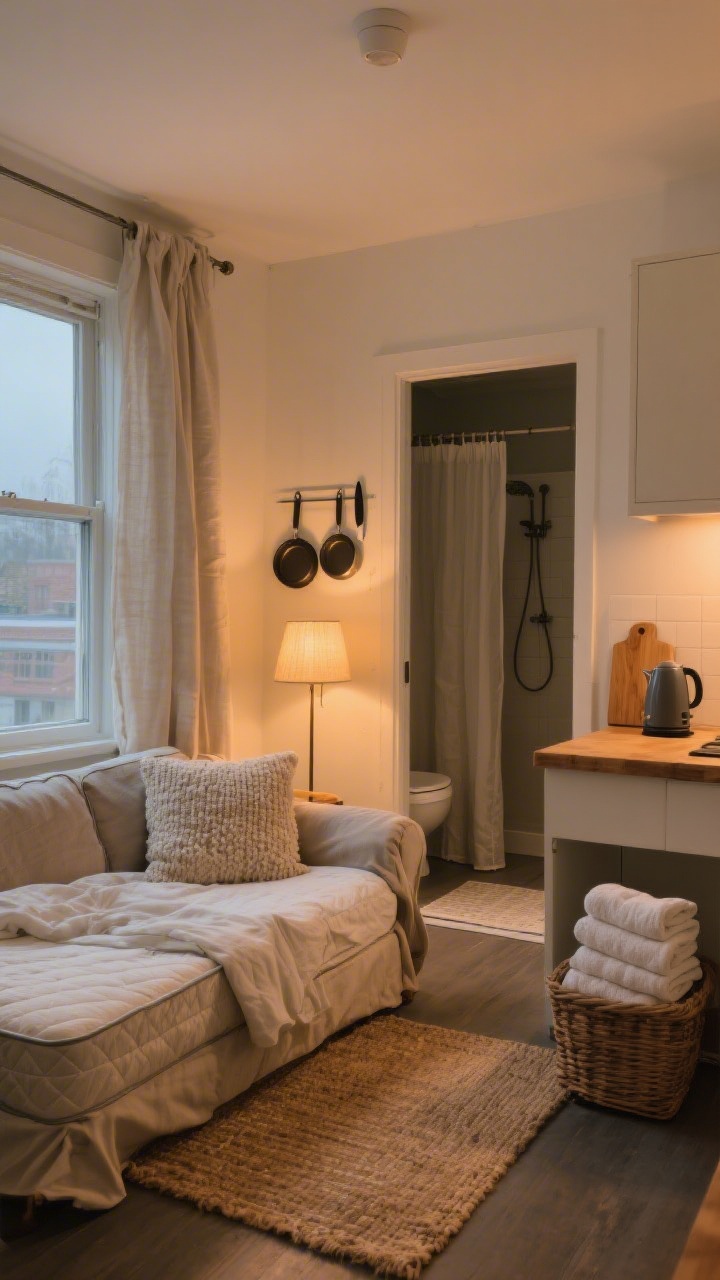
- Seating: Sofa or loveseat; consider secondhand with washable slipcovers.
- Lighting: Floor lamps, warm bulbs. Overhead lights are rarely cute.
- Window Coverings: Privacy first, then style. Tension rods = renter-friendly.
- Kitchen Basics: Two pans, chef’s knife, cutting board, kettle/coffee maker.
- Bathroom Kit: Shower curtain/liner, bath mat, towels, storage baskets.
Nice-To-Haves (Month 2–3)
- Rugs: They anchor rooms and muffle neighbor tap-dancing.
- Art & Mirrors: Command strips are your BFFs. Mirrors bounce light and make spaces feel bigger.
- Storage: Under-bed bins, vertical shelves, over-the-door hooks.
- Plants: Instant coziness. Snake plants for low-light champs.
Sneaky Savings
- Buy secondhand high, new low: Get quality sofas/tables used; buy linens and cookware new.
- Mix textures, not price tags: Linen-look curtains, boucle cushions, jute rugs = designer vibes cheap.
- Multi-taskers: Storage ottoman, drop-leaf table, daybed with trundle.
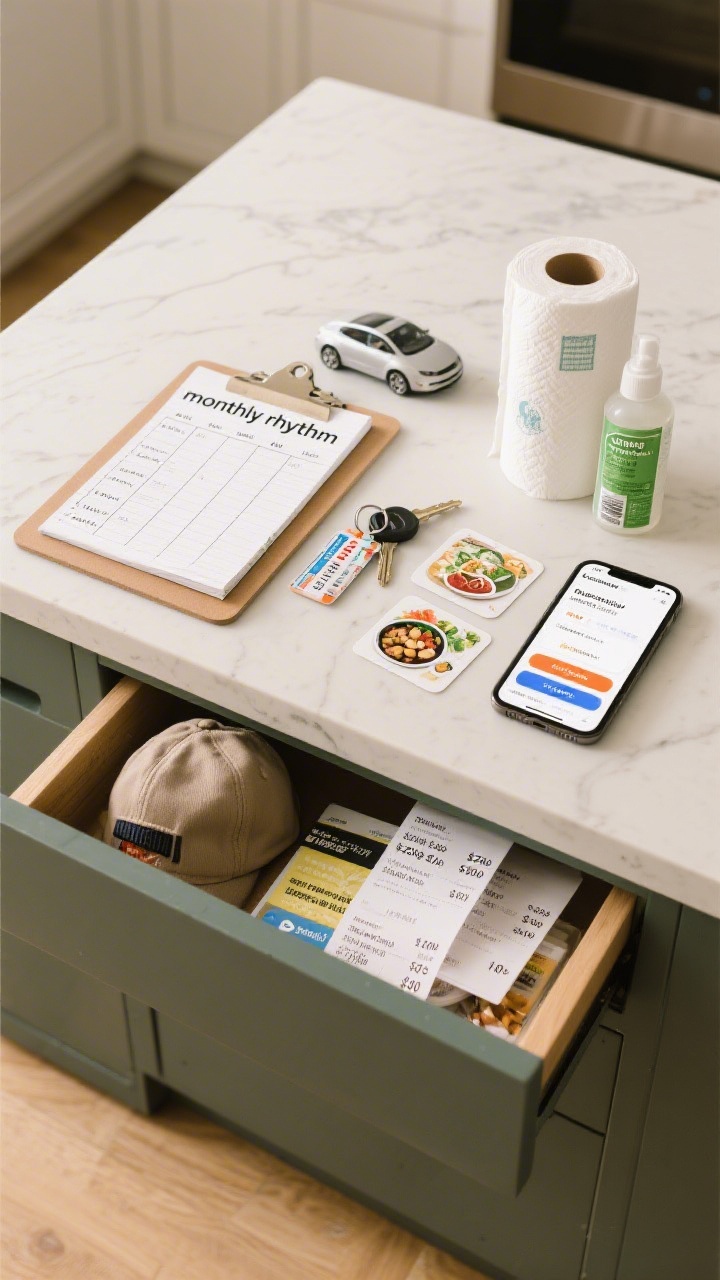
6. Groceries, Commuting, and “Life Stuff”: The Real Monthly Rhythm
© 2026 AI Illustrator — Inspiration Only
Once you’re settled, your routine costs set the tone. These are the categories that either keep you comfy—or creep up if you don’t peek at them monthly.
Monthly Ballparks
- Groceries: $200–$500/person depending on diet and dining out.
- Dining/Takeout: $80–$250 (set a cap, keep it fun).
- Transit/Car: $50–$300 (pass, gas, parking, insurance share).
- Household Supplies: $25–$60 (cleaners, paper goods, light bulbs).
- Streaming/Subscriptions: $10–$60 (audit quarterly; free trials are not a lifestyle).
Easy Wins
- Meal templates: 3 go-to dinners each week reduces waste and decision fatigue.
- Transit bundles: Monthly passes pay for themselves after 10–15 rides.
- Subscription audit: One in, one out. If you add a service, drop another.
Pro tip: Keep a tiny “home glow-up” line ($20–$50). A new throw or candle keeps the space feeling fresh without a splurge spiral.
7. Your Personal Budget Blueprint: A Plug‑And‑Play Guide
© 2026 AI Illustrator — Inspiration Only
Ready to see it all together? Use these ranges and tweak for your city and lifestyle. Your goal: predictable bills, room for joy, and a cushion for “oops.”
Monthly Budget Snapshot (For One Renter)
- Rent: 30–35% of take-home pay
- Utilities (Elec/Gas/Water/Trash): $80–$220
- Internet: $40–$80
- Renter’s Insurance: $10–$25
- Parking/Pet/Amenity Fees: $0–$250 (varies a lot)
- Groceries: $200–$500
- Transit/Car: $50–$300
- Household Supplies: $25–$60
- Dining/Entertainment/Subscriptions: $100–$300
- Sinking Funds (furniture upgrades, repairs, decor): $50–$150
- Emergency Savings: Aim 5–10% of take-home (start small, build).
Setup & Move‑In (One‑Time)
- Deposit + First Month: 1–2x rent
- Fees & Utility Setup: $50–$300
- Furniture/Essentials Starter: $400–$1,500 (thrift + basics = big savings)
Make It Stick
- Automate bills: Pay rent, internet, and insurance on autopay to dodge late fees.
- Track one number weekly: Your “leftover” balance after fixed bills. If it dips too fast, pause non-essentials.
- Quarterly rent check: Could you renegotiate, downsize, or swap to a cheaper ISP? Tiny tweaks = big annual wins.
Final thought: Your apartment is more than four walls—it’s your recharge zone, your hangout spot, your style lab. Build your budget like you build a room: start with solid foundations, layer thoughtfully, and add personality as you go. You’ve got this, and your future self (and couch) will thank you.